When Do Babies See Color? Understanding Infant Visual Development
A baby’s vision is one of the most fascinating aspects of early sensory development. While parents often wonder, “when do babies see color?”, the answer lies in a gradual progression of visual milestones. From birth, infants have limited vision and primarily perceive high-contrast shades. Over time, their ability to see colors sharpens, influencing how they interact with their surroundings.
It’s a common myth that babies see in black and white for months. Understanding when your baby sees colors helps you choose age-appropriate visual stimulation.
The Importance of Infant Vision Development
Having knowledge about infant color vision development can help parents choose the right activities and infant sensory activities to support their baby’s growth. Programs like Shichida Australia’s infant classes integrate visual stimulation techniques that enhance early sensory development, making learning both engaging and effective.
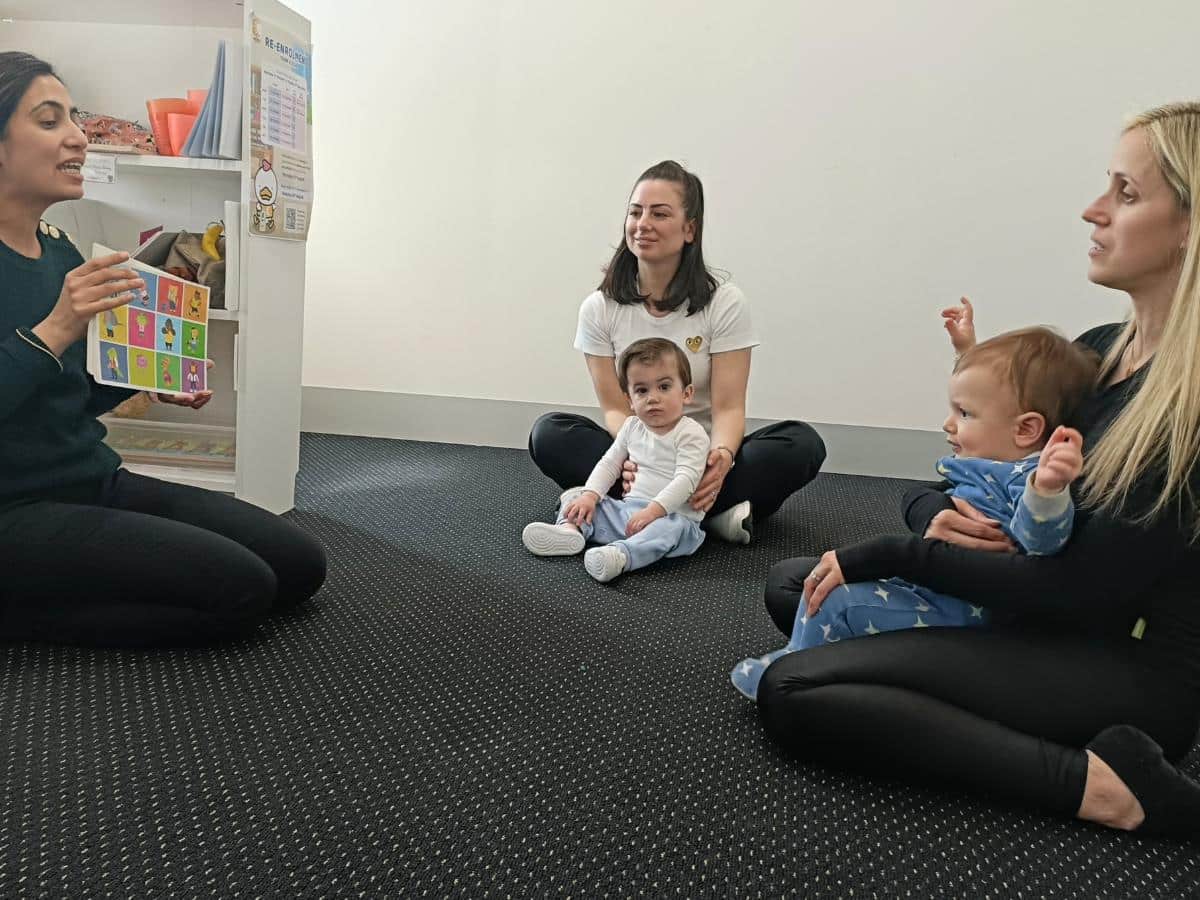
Photo by Shichida Australia: Colourful flash cards paired with educational songs help keep babies engaged – ideal for this stage when parents often wonder, ‘When do babies see color?’
The Development of Infant Vision: When Do Babies See Color?
Babies are not born with fully developed eyesight. Their vision strengthens over time as they learn to focus, track movement, and perceive colors. Below is a breakdown of baby vision milestones and how parents can support their infant’s visual growth.
Newborn Vision: The First Month
At birth, a newborn can see colors only in high contrast. Their vision is blurry, and they primarily see in black, white, and shades of grey. During this phase:
- Babies can only focus on objects 2o to 30 centimetres away.
- They prefer high-contrast patterns like black-and-white images.
- They are naturally drawn to faces, particularly their parents.
- Movement and bright lights capture their attention.
Visual Milestones: 1 to 3 Months
Between 1 to 3 months, babies begin recognising some colors, with red and green being the first distinguishable hues. By three months:
- Color perception improves, allowing babies to see bright primary colors.
- Babies track moving objects more efficiently.
- They begin to develop depth perception.
Advancements in Vision: 4 to 6 Months
From 4 to 6 months, a baby’s vision undergoes significant refinement:
- They can now see a full spectrum of colors with improved clarity.
- Hand-eye coordination strengthens as babies start reaching for objects.
- Their depth perception allows them to judge distances better.
- They show preferences for certain colors.
During this stage, interactive infant sensory activities that involve colorful objects help reinforce vision skills.
Factors Influencing Color Vision Development
Are there factors that influence when babies can see color? Indeed, and while all babies develop at their own pace, several factors contribute to infant color vision development:
Role of Genetics
- Genetic factors determine how quickly a baby’s vision develops.
- Some babies may have inherited color vision deficiencies.
- A family history of color blindness could influence a baby’s ability to perceive colors.
Light Exposure
- Regular exposure to natural light helps stimulate the retina and supports healthy color vision development.
- Babies who spend more time in well-lit environments may show quicker visual progress.
Visual Stimulation
- Babies exposed to a variety of high-contrast and colourful objects tend to develop sharper color perception earlier.
- Age-appropriate toys, books, and flash cards with bold patterns can help strengthen visual skills.
Overall Health and Nutrition
- Proper nutrition, including essential vitamins like A, C, and E, plays a key role in healthy eye development.
- Premature babies or those with certain health conditions might experience delays in visual milestones.
Maturation of the Visual System
- The eyes and brain must work together to process color.
- As the visual cortex matures over the first year, babies gradually improve their ability to distinguish and interpret colors.
Importance of Visual Stimulation
Exposing babies to varied colors and textures is essential for vision development. Programs like Shichida Australia incorporate visual stimulation exercises to enhance infants’ ability to recognise colors, textures, shapes and patterns.
Engaging in infant sensory activities at home, such as baby flash card play, colorful mobiles, and high-contrast books helps strengthen visual processing skills.
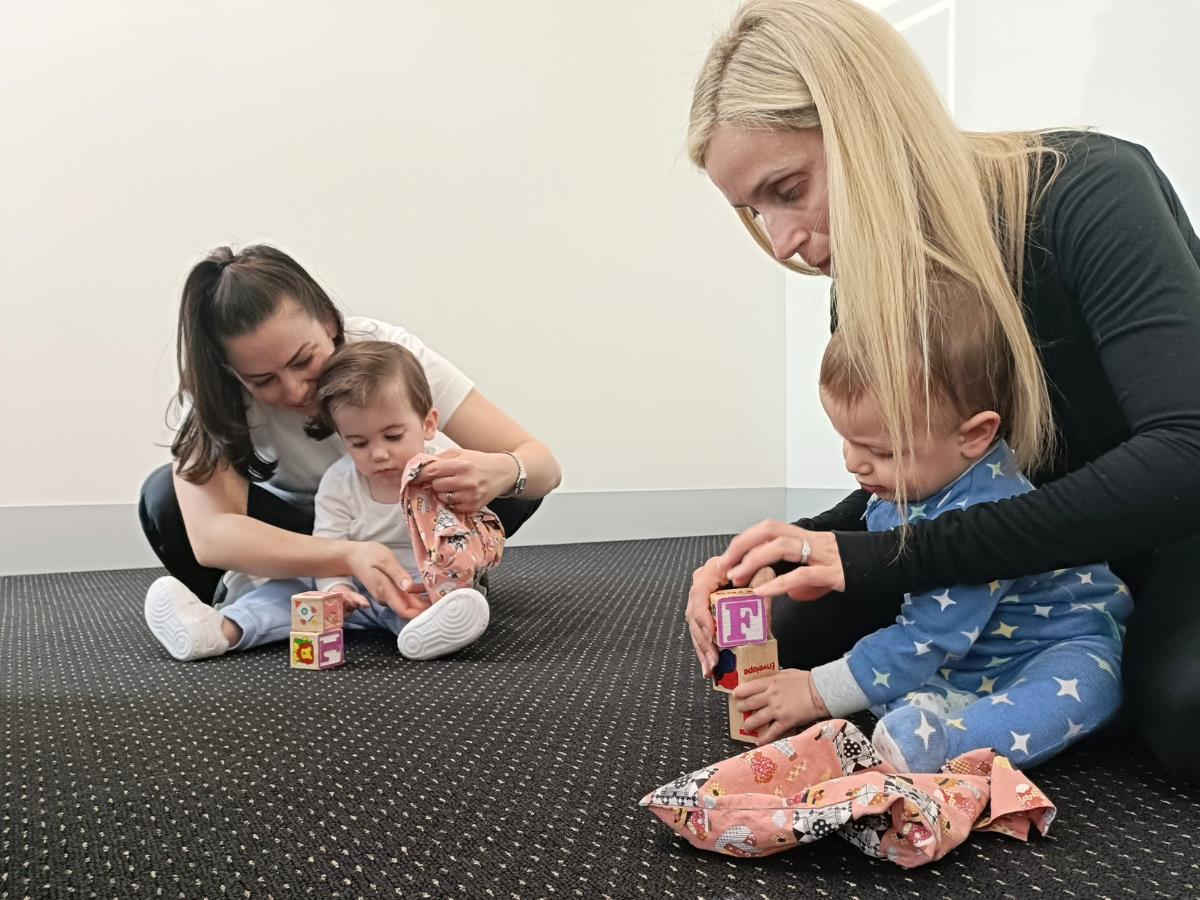
Photo by Shichida Australia: Babies engage in sensory-stimulating activities during class to support early visual development – perfect for the stage when parents begin asking, ‘When do babies see color?’
Supporting Your Baby’s Visual Development
Parents can actively support their baby’s vision development through engaging and interactive activities.
Incorporating Colorful Toys and Books
- Use high-contrast black-and-white patterns for newborns.
- Introduce bold, primary colors from 2 months onward.
- Provide interactive books with colorful illustrations.
An interactive baby book is a book designed specifically for infants and toddlers. It is designed to encourage babies to engage with the book through sensory and motor activities. These books often include features like:
- Touch-and-feel textures (e.g., soft fur, bumpy surfaces)
- Lift-the-flap elements to reveal hidden images
- Pull tabs or sliders that create movement
- Mirrors for self-recognition
- Sound buttons or crinkly pages to stimulate hearing
Creating a Visually Stimulating Environment
- Decorate your baby’s space with colorful wall art and mobiles.
- Hang contrasting patterns near the crib to encourage focus.
- Ensure natural lighting for healthy vision development.
Engaging in Interactive Play
- Use moving toys or mobiles to enhance visual tracking.
- Play peek-a-boo with colorful scarves to introduce color changes.
- Show baby flash cards with large, colorful images to reinforce visual recognition.
Shichida Australia’s infant classes near me offer structured sensory activities, songs, and baby flash cards, designed to promote sensory development and enhance vision skills in babies.
When to Consult a Pediatrician
While babies develop at different rates, parents should monitor visual milestones closely. With around one in five Australian children affected by an undetected vision problem, it’s essential to be aware of the signs that something might not be quite right with your child’s eyesight. Seek medical advice if:
- Your baby does not track moving objects by 3 months.
- They do not make eye contact or show interest in colorful objects.
- There is excessive eye-crossing beyond the first few months.
- They do not react to visual stimuli or struggle with bright lights.
An early consultation can help detect potential vision impairments and ensure your baby receives the right support for healthy sensory development. Early intervention can play a key role in helping your child reach their full potential source.
Conclusion
When do babies see color? Sooner than you think! A baby’s journey to seeing in full color is an exciting part of infant sensory development. From the early days of recognising high-contrast shapes to developing depth perception and color preferences, parents play a crucial role in supporting this growth.
By incorporating visual stimulation activities, attending structured infant classes near me, and ensuring a color-rich environment, parents can enhance their baby’s visual and sensory skills. Programs like Shichida Australia’s infant classes integrate scientifically backed techniques to support early vision development, giving babies the best start in their sensory learning journey.
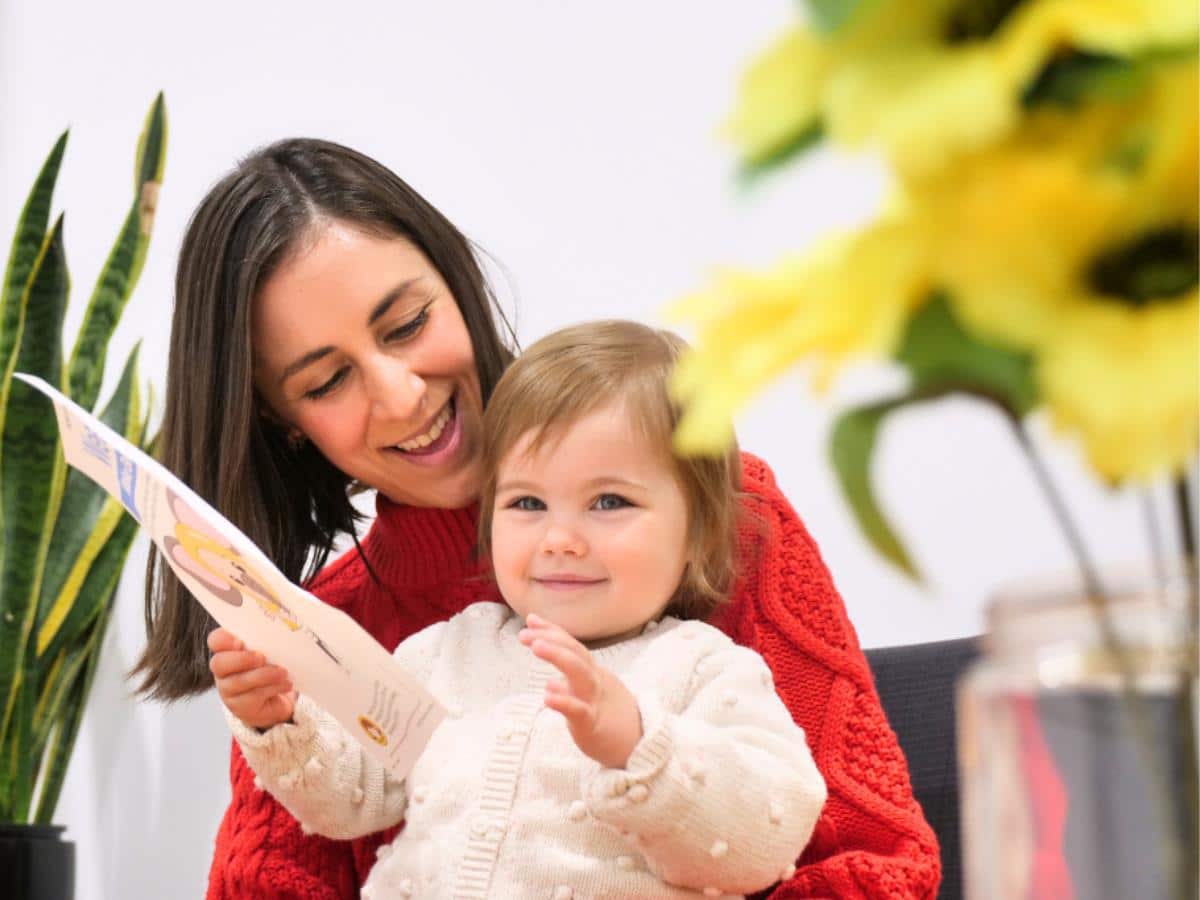
Photo by Shichida Australia: When do babies see color? Sooner than you think! Knowing when babies see color gives you insight into how their world changes from blurry shades to a colourful experience. As your baby’s vision sharpens, so does their curiosity – making early sensory experiences an essential part of their learning adventure!
Understanding when babies see color can help you choose the right activities to support the development of early baby vision. Join a baby class trial and experience the joy of learning together! Our teachers will show you simple, proven sensory activities to continue your baby’s development at home.
FAQs
Babies begin developing color vision between 1 to 3 months, initially recognising red and green before progressing to a full spectrum.
Providing a visually stimulating environment with colorful toys, engaging in sensory play, and attending infant classes that focus on sensory development can significantly help.
Yes, newborns have blurry vision and see mainly in black and white. Their eyesight improves over time as they develop focus and depth perception.
If your baby isn’t tracking objects, responding to colors, or making eye contact by 3 to 4 months, consult a paediatrician.
Yes! Sensory play with colorful objects stimulates the visual cortex, reinforcing color recognition and contrast sensitivity.