Tactile Learning: Enhance Your Child’s Education
One of the ways that children can learn is through tactile learning. If you’re unfamiliar with this learning style, this article can be your guide. We’ll walk you through what tactile learning is, how to recognise it in your child, and how to support it at home or in class.
Understanding Tactile Learning
While it might seem a bit complicated, understanding tactile learning is actually simple. That’s why before anything else, this section will give you the most basic information about its concepts.
This hands-on learning supports your child’s cognitive development and helps improve reading and writing, concentration, problem-solving, critical thinking, and even fine motor skills.
Definition and Characteristics
Tactile learning is a style where individuals understand and retain concepts better by physically touching or doing something. One example is teaching your child how to tie their shoelaces by letting them practise it themselves.
You might notice your child is a tactile learner if they:
- Enjoy hands-on activities like building or crafting.
- Like to fidget or move their hands while learning.
- Prefer using their fingers to trace or follow along.
- Find it difficult to stay focused without a physical task.
- Show more interest in learning when they can interact with objects.
Tactile vs. Kinesthetic Learning
Although tactile and kinesthetic learning are often used interchangeably, they are not exactly the same.
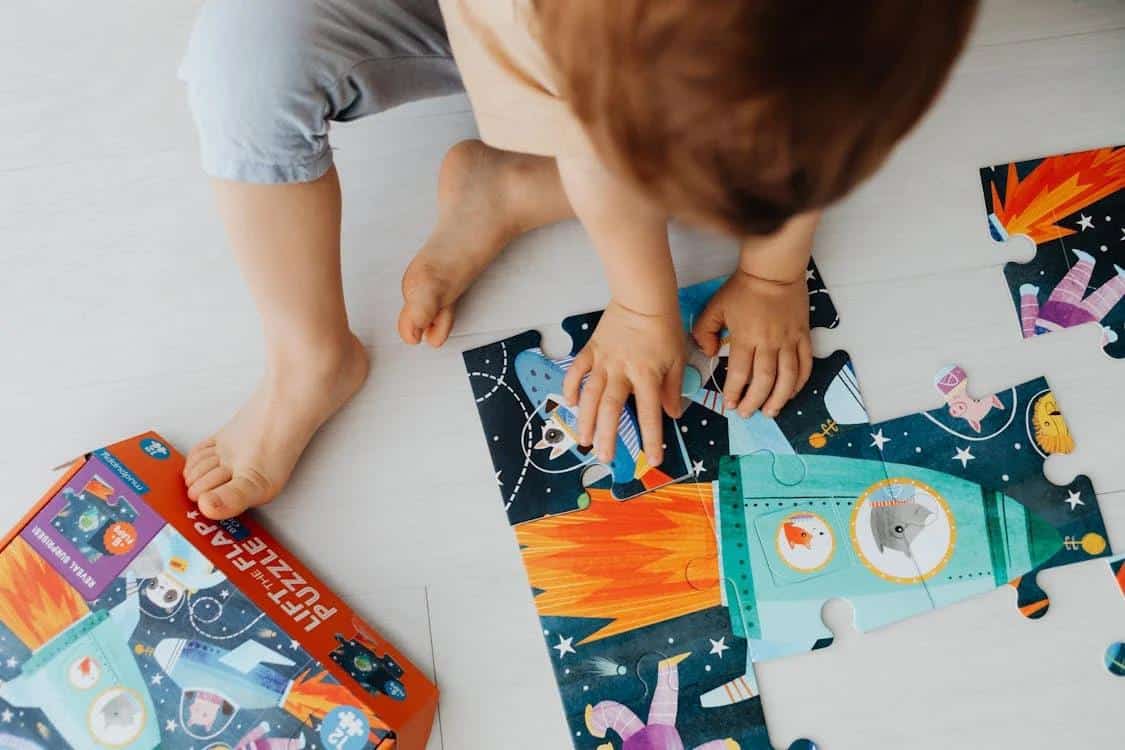
Tactile learning involves gaining information through the sense of touch – feeling, holding, or manipulating objects. Activities like building puzzles or molding clay are great examples.
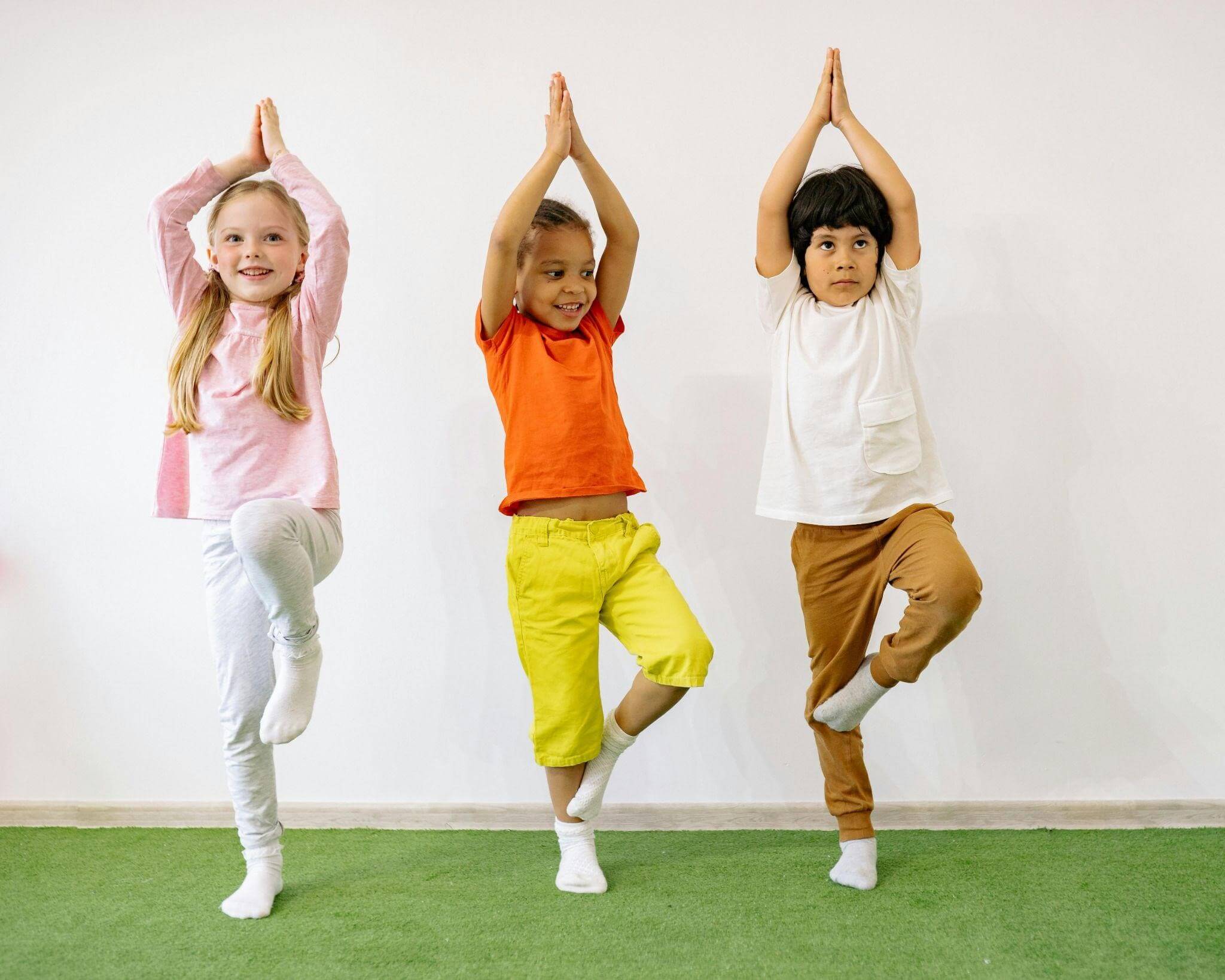
On the other hand, kinesthetic learning focuses more on using large body movements such as walking, jumping or running.
Tactile learners understand better through touch and hands-on experiences, while kinesthetic learners process best through full-body movement and activity.
For example:
- A tactile learner may enjoy puzzles, clay, or finger-tracing letters.
- A kinesthetic learner may learn the alphabet better by jumping on letter mats or dancing to an ABC song.
Both styles fall under the umbrella of sensory-based learning, and many children benefit from a mix of both.
Benefits of Tactile Learning
The benefits of tactile learning are supported by research and widely observed in early childhood education settings. Tactile activities allow children to engage multiple senses at once, which can make learning more meaningful and memorable.
For example, when a child traces a sandpaper letter with their finger while saying the sound aloud, they’re engaging touch, sight, and sound – strengthening their memory and understanding of the letter. These kinds of multisensory experiences help build strong neural connections.
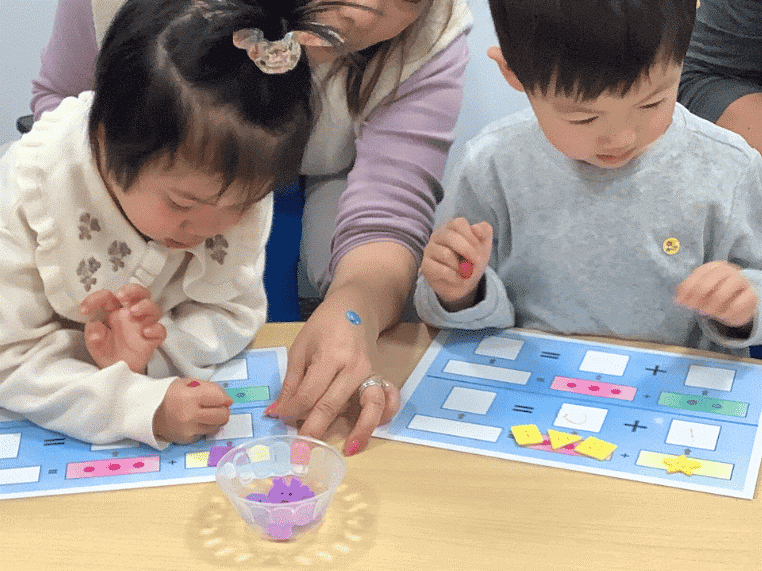
Photo by Shichida Australia: Tactile learning in action – young learners build early math and fine motor skills by solving problems using hands-on materials.
Children who regularly participate in tactile learning often show:
- Better attention to detail.
- Improved problem-solving and reasoning.
- Stronger emotional engagement with tasks.
- A boost in confidence from hands-on success.
Tactile learning can also reduce frustration for children who learn differently, by giving them more ways to access and process information.
Applicability Across Subjects
Tactile learning isn’t limited to one subject – it’s useful across nearly every area of early education.
For example:
- Literacy: Tracing letters, forming letters in playdough, or matching tactile flashcards helps reinforce letter recognition and phonics.
- Math: Using number rods, shape puzzles, or bead strings helps children understand counting, number sense, symmetry, and early geometry.
- Science: Exploring textures, sorting natural materials, or participating in hands-on experiments makes abstract scientific ideas more concrete and easier to grasp.
McCarthy and Oliver (1995) also found that tactile-kinesthetic methods were particularly beneficial for children with language difficulties, as physical involvement in lessons helped support both comprehension and retention.
Identifying a Tactile Learner
To give your child the best support through hands-on learning, it’s important to first recognise whether they may be a tactile learner. These children typically learn best by doing, touching, and physically engaging with their learning materials.
Common Indicators
Learning preferences vary from child to child, but here are some common signs that your child might be a tactile learner:
- They prefer hands-on activities like building with blocks, playing with clay, or experimenting with physical objects.
- They show strong fine motor skills such as being able to handle small objects carefully or enjoying detailed crafts and puzzles.
- They tend to move around a lot or fidget when learning, using movement as a way to process information.
- They often struggle to focus during traditional lessons that rely heavily on listening or watching, such as long verbal instructions or videos.
- They may enjoy helping with physical tasks like cooking, gardening, or building, and learn best when physically involved.
Assessment Tools
While observation is a helpful first step, you can also try some simple tactile-based activities to see how your child responds:
- Ask your child to trace letters or shapes with their finger while their eyes are closed.
- Try using textured flashcards or sandpaper letters to see if they engage more when they can physically feel the learning material.
- Offer puzzles, simple construction tasks, or science experiments, and observe their level of interest and engagement.
- Include arts and crafts and note whether they use these opportunities to explore ideas and retain new information more easily.
You don’t need a formal test to confirm a tactile learning style – your child’s natural preferences during play and learning activities will often give you the best insight.
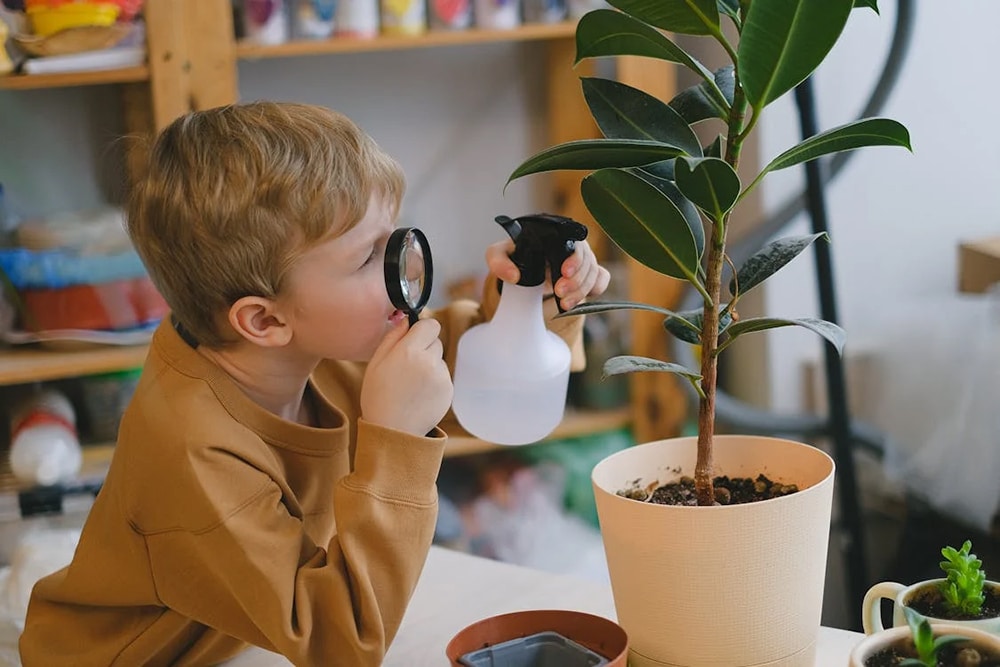
Photo from Pexels: Tactile activities to try at home
Strategies to Support Tactile Learners at Home
You can support your child’s tactile learning style right at home with a few simple strategies. Here’s how:
Incorporating Hands-On Activities
Tactile learners thrive when they can physically engage with materials. Some great activities to try include:
- Building models to explore concepts like buildings, solar systems, or animals.
- Using manipulatives such as counting blocks, magnetic letters, or sorting trays.
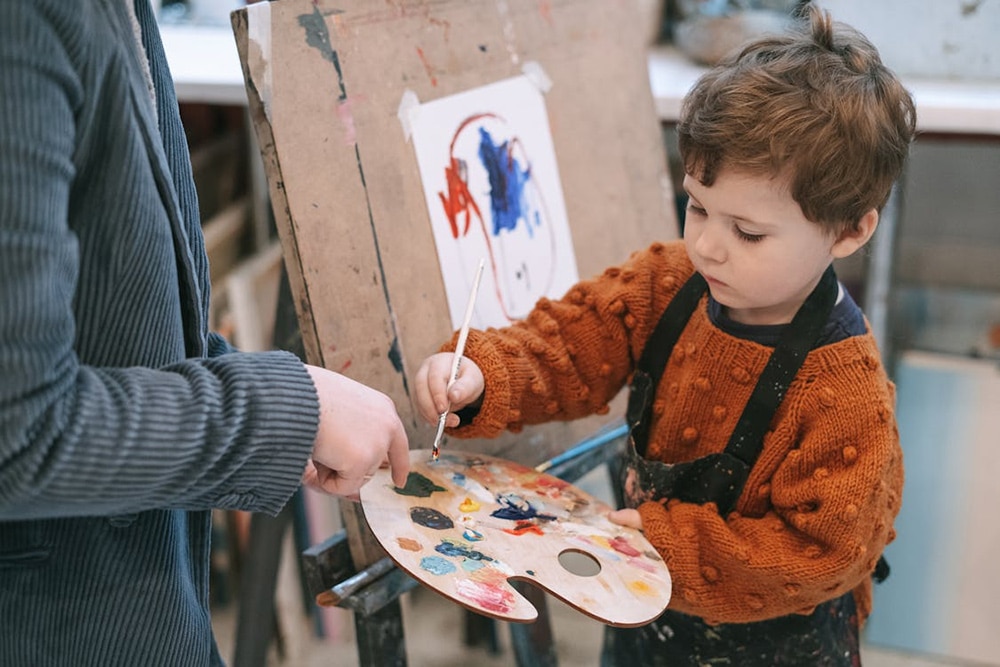
- Creating crafts or dioramas that relate to books, science lessons, or daily life topics.
These activities allow your child to learn through movement and touch while deepening their understanding of abstract ideas.
Creating a Tactile-Friendly Environment
You don’t need a fancy setup. A few simple changes can create a sensory-friendly space:
- Offer sensory ativities like fidget toys, sensory balls, or textured mats during focused tasks.
- Use different materials (e.g. sandpaper letters, felt boards) to make learning more interactive.
- Provide space to move – even standing at a table or sitting on a balance cushion can help them stay engaged.
Integrating Learning into Daily Routines
You can make everyday moments educational for tactile learners:
- In the kitchen: Involve them in cooking or baking – measuring, mixing, and pouring are all great learning opportunities.
- In the garden: Let them dig, plant seeds, or explore textures like soil, leaves, and stones.
- During chores: Folding laundry, matching socks, or organising toys helps build sorting and motor skills.
Collaborating with Educators
Work closely with your child’s teacher to support their learning style through tactile learning activities. Open communication ensures your child gets the best support both at home and school.
- Discuss ways to make lessons more hands-on, such as using materials or giving opportunities to move.
- Share any successful strategies you use at home so teachers can consider adapting similar ones in the classroom.
Advocating for Your Child’s Needs
If your child learns best through touch and movement, don’t hesitate to speak up. You might suggest:
- A dedicated tactile learning space at school, like a quiet corner with sensory tools or textured materials.
- Incorporating plants or natural elements with different textures (like succulents) into the classroom to explore during breaks or science lessons.
Sharing Home Strategies with Teachers
Let your child’s teacher know which interactive tools or activities work well at home. Whether it’s clay modeling, tracing letters, or sorting objects, this insight helps create consistency between home and school – helping develop your child’s confidence and learning progress.
Addressing Challenges Faced by Tactile Learners
Even with the right strategies, tactile learning may face some obstacles. Here’s how you can help:
Managing Distractions
Tactile learners often find it hard to sit still or focus during passive lessons. To manage this:
- Offer short, hands-on tasks instead of long seated activities.
- Use visual aids like flashcards or diagrams to help them stay on track.
- Let them fidget appropriately (with stress balls or sensory strips) to improve concentration.
Balancing Tactile and Traditional Learning
While hands-on learning is powerful, it’s important to blend it with traditional methods like reading and writing:
- Alternate between tactile tasks and structured activities.
- Use movement breaks between traditional lessons.
- Encourage your child to apply what they learned through play, like building something after a story or drawing their own version of a science concept.
Finding the right balance helps keep learning engaging without sacrificing academic structure.
Resources and Tools for Tactile Learning
To make it easier to support your child’s tactile learning journey, here are some helpful tools and resources you can explore:
Educational Kits and Materials
These hands-on items are ideal for reinforcing tactile learning through touch, movement, and active engagement:
- Sensory balls: Touching and rolling these textured balls strengthens fine motor skills and builds sensory awareness through playful movement.
- Textured puzzles: Matching and manipulating puzzle pieces with different textures enhances focus, attention span, and problem-solving skills.
- Sensory shapes: Great for introducing early maths concepts like sorting, symmetry, and size comparison while supporting concentration and spatial reasoning.
Online Platforms and Apps
While many online resources exist, few combine real-world application with tactile learning as effectively as the Shichida Method.
Shichida Australia offers a unique blend of in-class experiences and at-home resources that go beyond screen time:
- Encourages multisensory exploration through sight, sound, movement and touch.
- Builds core skills like memory, focus, problem-solving and fine motor control through fun games and activities.
- Supports parents with clear activities and strategies to continue learning at home.
Instead of relying solely on generic educational apps, Shichida’s approach offers a research-backed and age-appropriate path that supports children’s individual learning styles – including tactile learners.
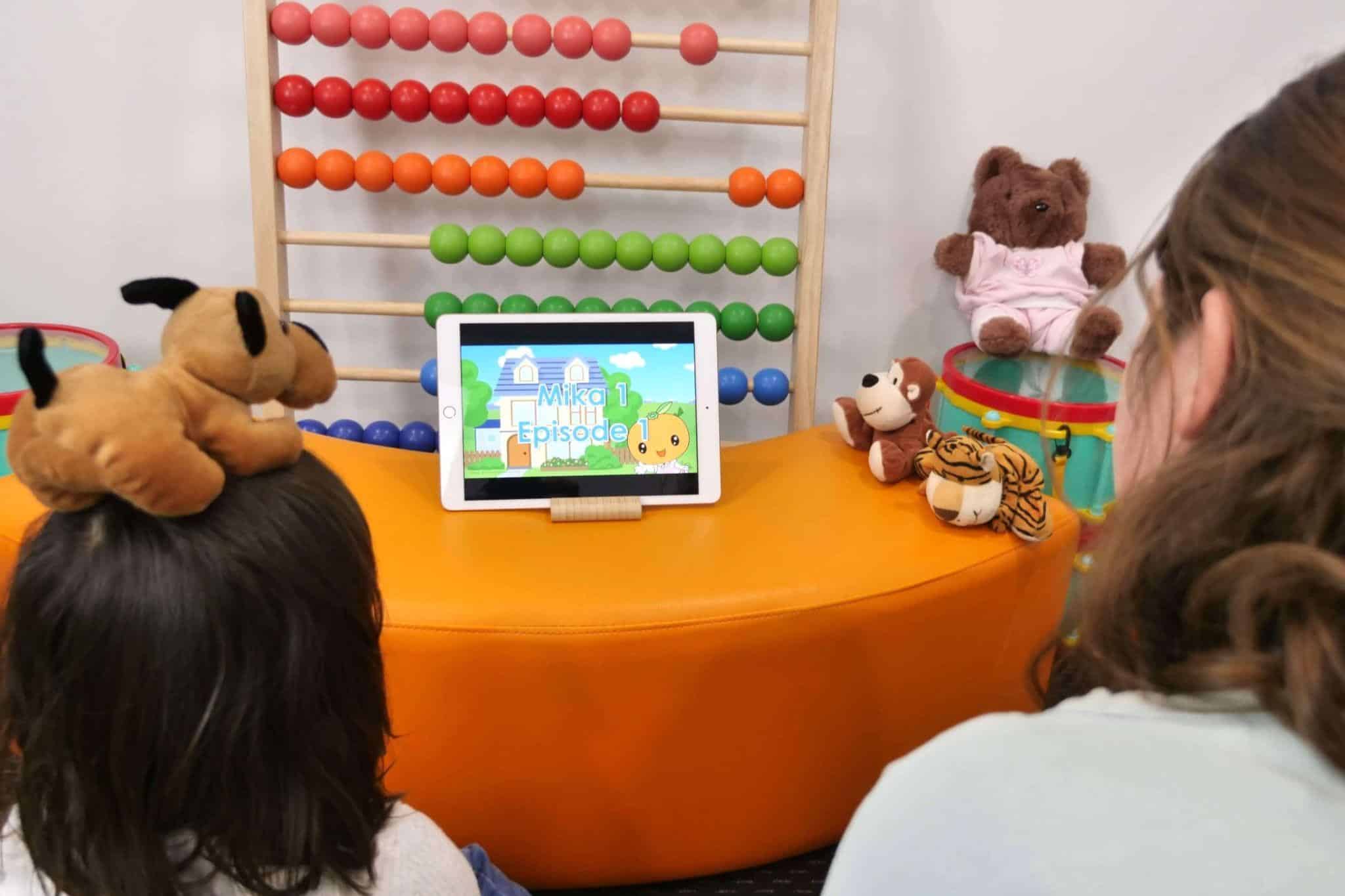
SHICHIDA at Home offers a 30-day free trial for parents who want to try a fun, learning-at-home solution.
Conclusion
As a parent, embracing and enhancing your child’s tactile learning style can make a lasting difference in their overall development. Simple, hands-on tactile learning activities don’t just help with academic learning – they also build confidence, emotional resilience, and strong communication skills.
By encouraging your child to explore through touch and movement, you’re helping them stay engaged, retain information more effectively, and build a strong foundation for both school and life.
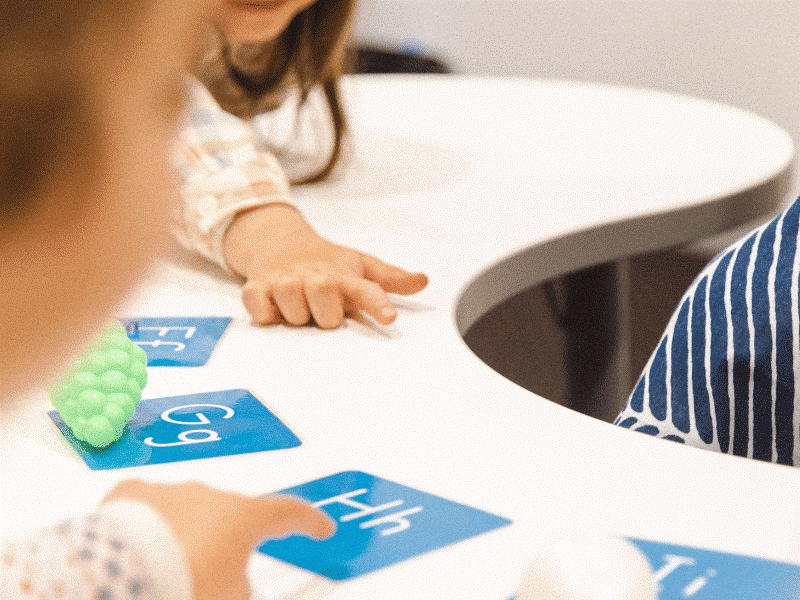
Photo by Shichida Australia: Tactile learning meets early literacy – preschoolers explore letter cards and objects to build strong alphabet and phonics foundations.
Ready to help your child thrive through hands-on learning? At Shichida Australia, we embrace tactile learning to support every child’s unique growth. Book a trial class today and see how your little one can learn, play and shine!
FAQs
Tactile learning is a hands-on learning style where children absorb information best through physical interaction – such as touching, holding, or manipulating objects.
Tactile learners often enjoy hands-on activities, prefer doing over listening, tend to overlook long instructions, and may struggle to sit still or focus during passive tasks.
Great activities include using sensory objects, letter and number tracing, puzzles, building blocks, and hands-on science experiments. These activities help children stay engaged while developing important skills.
Tactile learning supports memory retention, strengthens cognitive development, improves concentration, and builds emotional and social skills – laying a strong foundation for academic success.
Yes, tactile learning complements traditional teaching. Combining hands-on activities with visual and auditory methods makes learning more engaging and helps reinforce core concepts.