
Storytelling: Building Problem-Solving Skills in Kids
The Importance of Problem-Solving in Early Childhood
Young children encounter daily challenges that require problem-solving—like figuring out how to stack blocks without them toppling over or deciding how to share a favourite toy. These everyday situations form the foundation for cognitive development, emotional regulation, and social interaction.
Research shows that storytelling is inherently linked to problem-solving. As author Mike Adams puts it, “All storytelling is about problem-solving,” highlighting how stories help children process situations and navigate the world around them.
Understanding Storytelling as a Developmental Tool
Storytelling offers far more than a few minutes of fun before bedtime. When used intentionally, it becomes a powerful developmental tool in early childhood.
Through stories, children absorb language in a meaningful context. They begin to grasp concepts like sequence, structure, and cause and effect. This supports their ability to understand how events connect and why choices matter.
In addition, storytelling promotes emotional literacy and perspective-taking. By hearing about how characters feel and respond to challenges, children build their emotional intelligence and begin to explore different points of view – an essential skill for empathy and social development.
Parent tip: Narrating your day out loud – e.g., “We’re out of milk, so let’s think of what we can do”- is a form of storytelling that models real-life decision-making.
Cognitive Benefits of Storytelling
Storytelling supports multiple aspects of brain development:
- Language: Children are exposed to new vocabulary in a context they can understand.
- Memory: Recalling plot points helps strengthen short-term and working memory.
- Attention: Engaging stories capture focus and teach children to follow a sequence.
- Prediction: Guessing what comes next builds logical thinking.
- Pattern recognition: Stories with repeated structures (e.g., fairy tales) help children spot connections.
Just as importantly, stories teach cause and effect, a critical foundation for early problem-solving. As children see characters make decisions and face consequences, they begin to understand how actions lead to outcomes – both positive and negative.
Emotional and Social Growth Through Narratives
- Stories give children a safe way to explore emotions and practice empathy. When characters feel scared, excited, frustrated, or unsure, children relate these feelings to their own lives.
- They also observe social dynamics: how characters resolve conflicts, ask for help, or show kindness. These insights build early social awareness – without children even realising they’re learning.
Make Storytelling Problem-Solving Friendly
You can turn any storytelling moment into a thinking opportunity by asking simple, open-ended questions:
- “What could the character do now?”
- “Have you ever had a problem like this?”
- “What would happen if they made a different choice?”
Encourage your child to consider solutions, test ideas, and express their own thinking, all of which strengthen critical thinking and reasoning.
Parent tip: Choose books with diverse characters and age-appropriate real-life challenges to give children a wider emotional and social toolkit.
Creating Interactive Story Sessions
Adding interaction makes storytelling more powerful. Try:
- Letting your child predict the ending
- Asking them to create a new character or twist
- Using props or voices to act out the scene
- Encouraging them to retell the story in their own words
As highlighted by Voltage Control, storytelling supports problem-solving by organising information into meaningful patterns, which strengthens memory, learning and decision-making.
Parent tip: Activities like puppet shows, flannel board stories, or role-play games also reinforce the link between narrative and reasoning.

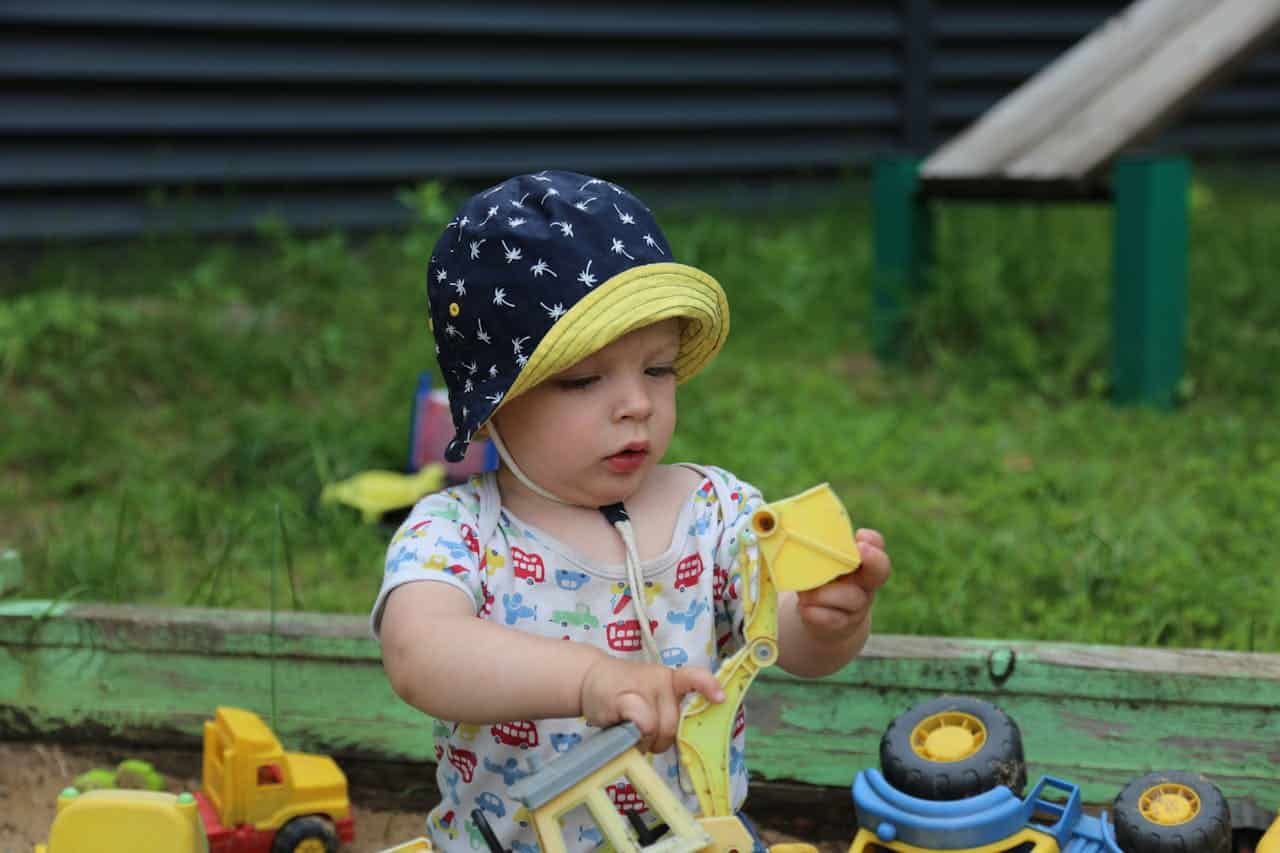
Photo from Pexels: Everyday situations support curiosity and problem-solving skills.
Utilising Everyday Situations
You don’t always need a book to tell a story. Real-life moments offer excellent opportunities for spontaneous storytelling:
- “We’re going to the park, but it’s raining. What should we do instead?”
- “The cat is hiding. How do you think we can find her?”
- “We can’t find the red cup. What are our options?”
By framing these situations as mini-story challenges, children learn to view problem-solving as a natural and achievable part of everyday life. They begin to expect problems – and feel confident tackling them.
Practical Storytelling Activities for Home
Building problem-solving into storytelling doesn’t require special tools or or long prep. There are plenty of easy, engaging ways to make storytelling part of your daily routine – no scripts or storybooks needed.
Story-Based Role-Playing Games
Pretend play is a highly effective way to build cognitive skills through storytelling. Set up a simple plot: your child could be a hero saving a lost dog, a postie delivering mail in the rain, or a chef missing a key ingredient.
Let them act out how they would solve the challenge. As they make choices, change plans, and respond to obstacles, they’re practicing skills like flexible thinking, planning, and adapting—core components of problem-solving.
Parent tip: Join the role-play to guide the story and gently introduce different outcomes or social situations.
Story Creation with Visual Aids
Use pictures, toys, or everyday objects as prompts to create a story. Lay out three random items and ask, “What could happen in a story with these?” Work together to create a simple narrative that includes a problem and a solution.
Visual aids boost creativity, especially for children who aren’t yet verbal storytellers. They also help kids organise their thinking, follow plot structure, and focus on sequencing and logic – key aspects of storytelling and early reasoning.
Parent tip: For younger children, let them move the objects as they narrate. For older kids, challenge them to draw a beginning, middle, and end.
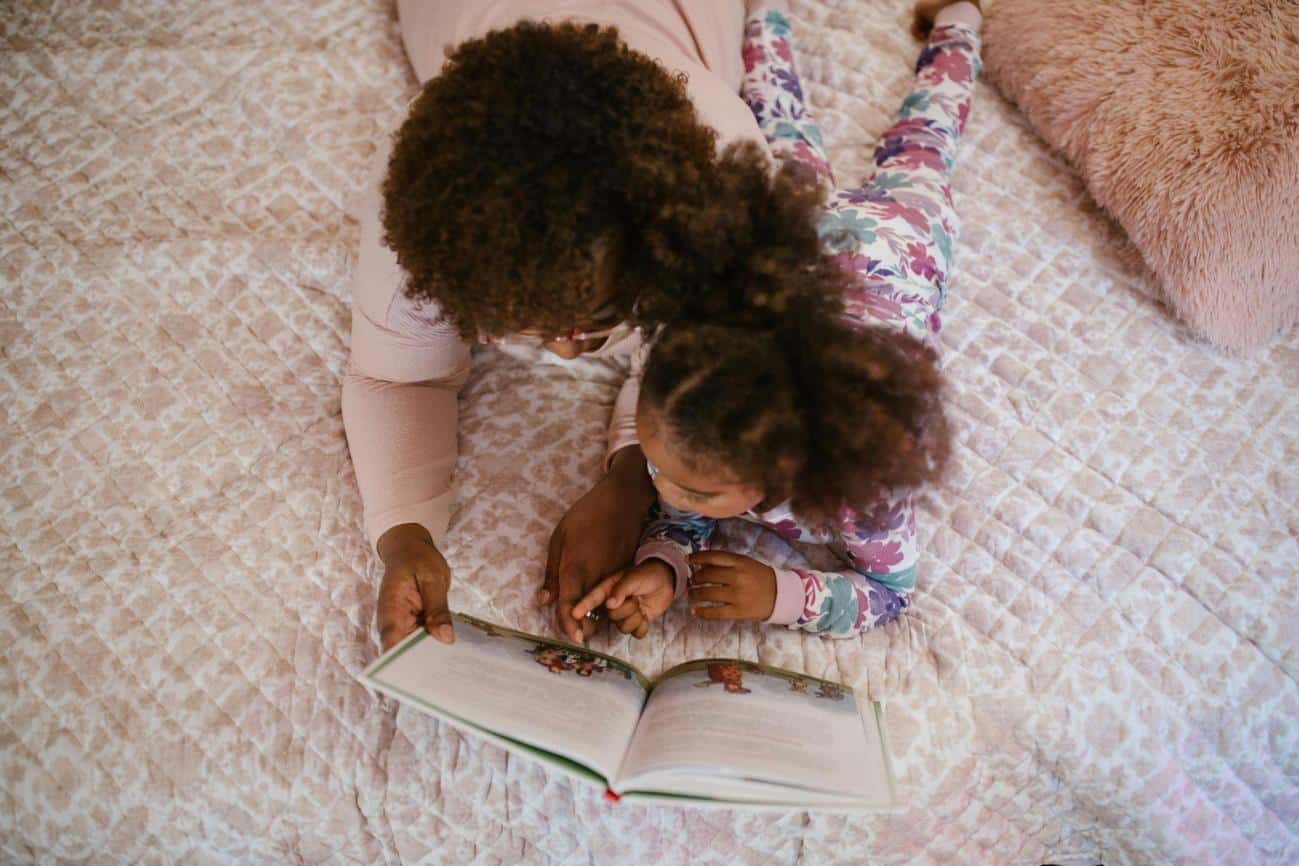
Photo from Pexels: A story shared, a mind growing.
Selecting Stories That Promote Problem-Solving
Choose books that feature characters facing decisions, solving problems, or seeking help. These stories model sound thinking strategies and give children examples of how to approach real-life challenges.
While reading, pause to ask:
- “What do you think they’ll do?”
- “Why did they make that choice?”
- “What else could they have tried?”
These small discussions help children absorb the lesson and apply it in their own lives – without feeling like they’re being taught.
Parent tip: Look for stories where the solution isn’t obvious or immediate. This keeps children thinking and encourages persistence.
Recommended Books and Resources
Here are some great storybooks that support problem-solving, emotional growth, and critical thinking:
- Rosie Revere, Engineer by Andrea Beaty – A story about perseverance and creative thinking
- What Do You Do With a Problem? by Kobi Yamada – Helps children explore fear and solutions
- The Gruffalo by Julia Donaldson – A clever mouse outsmarts danger through quick thinking
SHICHIDA at Home offers excellent resources that help nurture problem-solving through storytelling and play at home. They offer engaging videos, workbooks, flashcards, and songs, all based on their evidence-based method for developing critical thinking and emotional intelligence.
Shichida Australia provides free downloadable resources like DIY flashcards, worksheets, play-and-learn resources and more, making it easy to integrate problem-solving into everyday learning.
These tools are based on the Shichida Method, which supports critical thinking and emotional intelligence through hands-on, whole-brain learning.
Overcoming Challenges in Storytelling
It’s common to feel like you don’t have enough time – or creativity – for storytelling. But children don’t need long, elaborate tales. What they need is your attention and a bit of imagination.
Short on time? Try telling a quick story:
- On the way to school
- While preparing dinner
- Just before bedtime
Feeling stuck? Let your child lead. Ask them to help invent the characters or decide what happens next. Their imagination is enough – and yours will build with practice.
Remember: It’s not about perfection – it’s about connection.
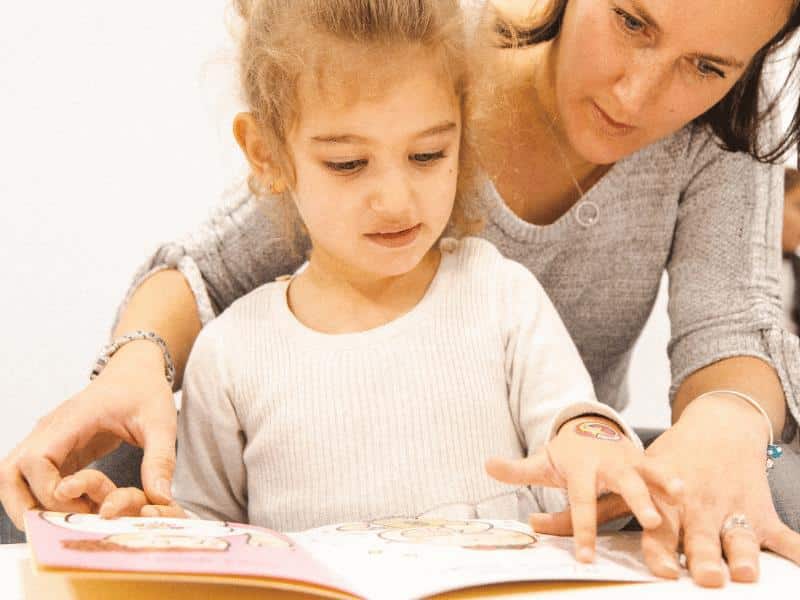
Photo by Shichida Australia: Storytelling and reading support early literacy, attention, and problem-solving skills. Parents actively participate in class, strengthening the parent-child bond while children learn.
Ready to boost your child’s problem-solving skills through engaging storytelling and play? Shichida Australia offers a range of evidence-based resources designed to nurture critical thinking and emotional intelligence from an early age.
Book a trial class today to experience how their fun, interactive approach can support your child’s development and make learning a joyful adventure.
FAQ:
It gives children a safe, relatable way to practise thinking through challenges, exploring outcomes, and making decisions. This strengthens critical thinking and prepares them to apply solutions in real situations.
You can begin in the toddler years with simple stories. As your child grows, increase the complexity. Even very young children benefit from hearing characters navigate small problems.
Stories where characters face challenges, make choices, or persist through setbacks are ideal. Open-ended plots are especially good for encouraging discussion and creative thinking.
No, but it complements them well. Storytelling supports language, cognitive, and social development – and pairs naturally with play, exploration, and hands-on learning.
Use props, gestures, or character voices. Ask open-ended questions, invite your child to participate, and encourage them to help shape the story. Interactive stories lead to deeper thinking and more fun.