Creative Sensory Play Ideas for Toddlers & Preschoolers
Toddlers and preschoolers live for play. It’s the stage where they explore, learn, and connect with the world around them. Simple, and often messy, gameplay can be a powerful tool to nurture sensory development.
Sensory play supports the development of neural pathways, especially in the early years when the brain is most adaptable to new experiences.
This article will guide you on how to get started with simple DIY sensory play ideas, their benefits, and tips on incorporating them into your home.
What is Sensory Play?
Sensory play refers to any activity that stimulates one or more senses. It includes sight, sound, smell, hearing, and touch, and invites children to explore through direct experience. Through simple gameplay such as squeezing playdough and finger painting, children’s brains process how to think, feel, and interact with their surroundings.
Sensory activities lead to a range of benefits, some of which include brain development (especially when involving problem-solving), emotional regulation (as they reflect on their emotions before, during, and after play), and social skills (since they cooperate and collaborate with other kids).
Sensory activities also support the development of the prefrontal cortex, which governs attention, planning, and emotional control.
The Science Behind Sensory Play
Research indicates that exposure to sensory-rich environments can positively influence cognitive development. A study by Davis et al. (2017) found that early life exposure to unpredictable maternal sensory signals – such as inconsistent visual, auditory, and tactile cues – was associated with poorer cognitive performance in both humans and animal models.
This suggests that the predictability and richness of sensory experiences play a crucial role in forming neural pathways that support learning and development, regardless of a child’s neurotype.

Photo by Shichida Australia: Quality time during play builds trust and emotional security – key ingredients for a child’s confidence and love of learning. Sensory play ideas are a great way to create these meaningful moments.
Why Sensory Play Matters in Early Childhood
From the moment a child is born, their senses are already active. For example, their first cry is triggered by touch, which stimulates breathing and alertness. These early sensory experiences lay the foundation for critical areas of development.
It supports brain development, early communication, and both fine and gross motor skills – especially through tactile play.
Benefits of Sensory Play
Sensory play for toddlers is more than just simple fun, it helps them build essential skills and serves as the building blocks of their growth. Here’s how:
Improves Fine and Gross Motor Skills
Since sensory play involves tying a shoelace, using playdough, building with blocks, and other activities involving manipulating materials it helps them strengthen their large muscles and coordination movements by combining visual input with motor responses – all through playful movement.
This type of play helps refine both gross motor skills (like climbing or balancing) and fine motor skills (like pincer grip and hand-eye coordination).
Enhances Language and Communication
As your little ones engage in a sensory play idea, it naturally nurtures their early language and communication skills. Often, these activities invite social interaction – whether with you as their parent or with other children. This encourages them to use more descriptive words to explain what they are doing and how they are feeling.
Describing sensory experiences aloud helps children expand their vocabulary and develop expressive language.
Builds Cognitive Skills and Problem Solving
Preschool sensory play isn’t always about textures and colours – it also involves activities that help in their cognitive skills and problem-solving. Take the sensory bin as an example:
When asked to find hidden items, children form simple strategies that activate problem-solving – disguised as fun. This process engages memory, attention, and logic – core cognitive abilities.
Supports Emotional Regulation
Kids at this stage are naturally hyper but one of the benefits of sensory play is its calming effect. It can significantly help regulate their arousal level and aid in attention span. On the other hand, it can also make them feel more alert – especially during activities that excite them like homemade sandcastles.
This dual impact – calming or stimulating – is why sensory play is used in many therapeutic settings, including occupational therapy.
Types of Sensory Play Activities
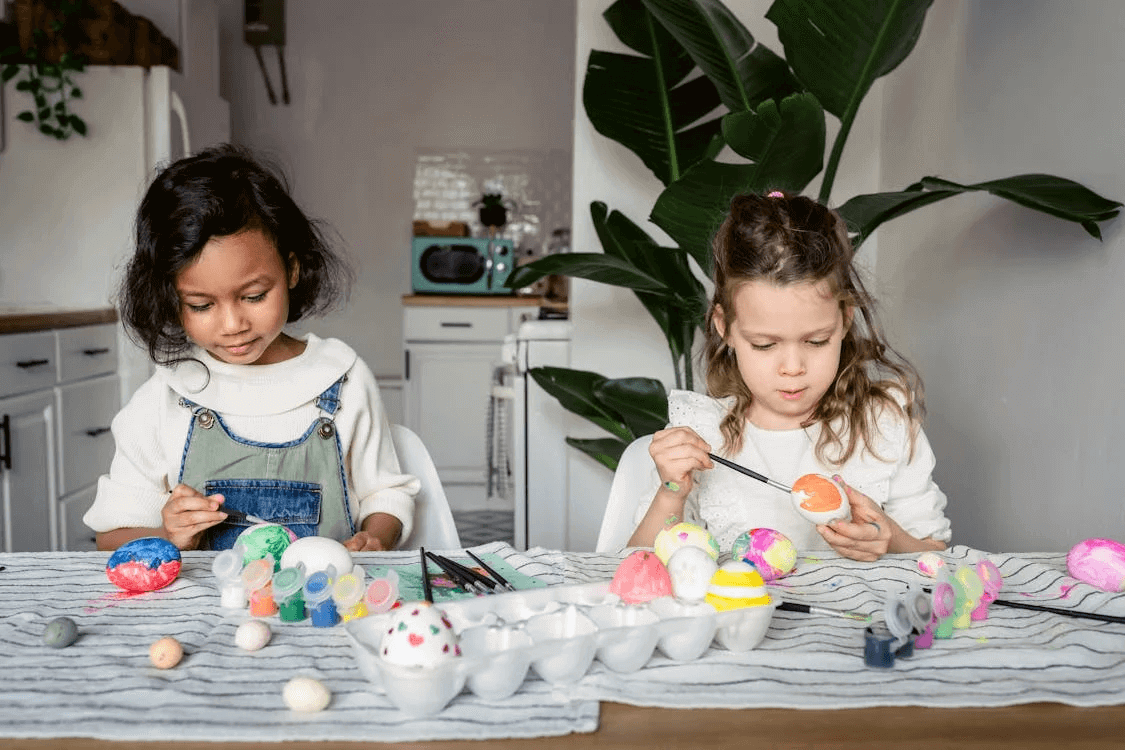
Photo from Pexels: DIY sensory play at home. Sensory play ideas like painting help children explore colour, texture, and shape while developing concentration and fine motor control. Activities like these also encourage creativity and independence during early learning.
To help you get started with sensory play for toddlers, here are some ideas you can try. Even better, you don’t need to spend a lot of money, your household items will do, as long as thye’re safe and made from natural materials.
Tactile (Touch) Activities
If you want to nurture your little one’s sense of touch, tactile gameplay is the way to go! Try kinetic sand – they can squeeze, mould, and shape it however they like. Water play introduces motion, while rice bins let them dig, pour, and search through textured grains.
Auditory (Sound) Activities
For your toddler’s little ears, auditory activities offer another fun experience. These need careful supervision, especially if sounds become overwhelming.
Sound-matching games, DIY shakers, and musical instruments made from recyclables can help them build sound awareness and associate touch with different noise-producing materials.
Visual (Sight) Activities
Homemade sensory activities for visual development include light tables, colour mixing, bubble play, and sensory bottles. These help with colour recognition and enhance visual tracking skills.
Olfactory (Smell) Activities
The sense of smell is a wonderful way to engage preschoolers! Scented playdough, spice jars, and herb gardens are easy and safe ways to introduce them to new aromas.
Gustatory (Taste) Activities
Another activity you can try is gustatory play. Let your child explore the world of taste with age-appropriate foods. Try gelatin sensory bins and flavoured ice to help them differentiate various scents and flavours.
Proprioceptive and Vestibular Activities
Beyond traditional sensory learning, consider activities like jumping, swinging, obstacle courses, and crawling tunnels. These activities support proprioceptive (body awareness) and vestibular (balance and movement) senses – helping children feel more confident in their own bodies.
These senses are critical for tasks like sitting still, staying upright in a chair, and coordinating movement in sports or dance.
DIY Sensory Play Ideas at Home
As a parent, there are plenty of sensory play at home activities that you can try. To guide you, here’s a list of low-cost ideas, and how to incorporate them safely with the right supervision.
Sensory Bins and Bags
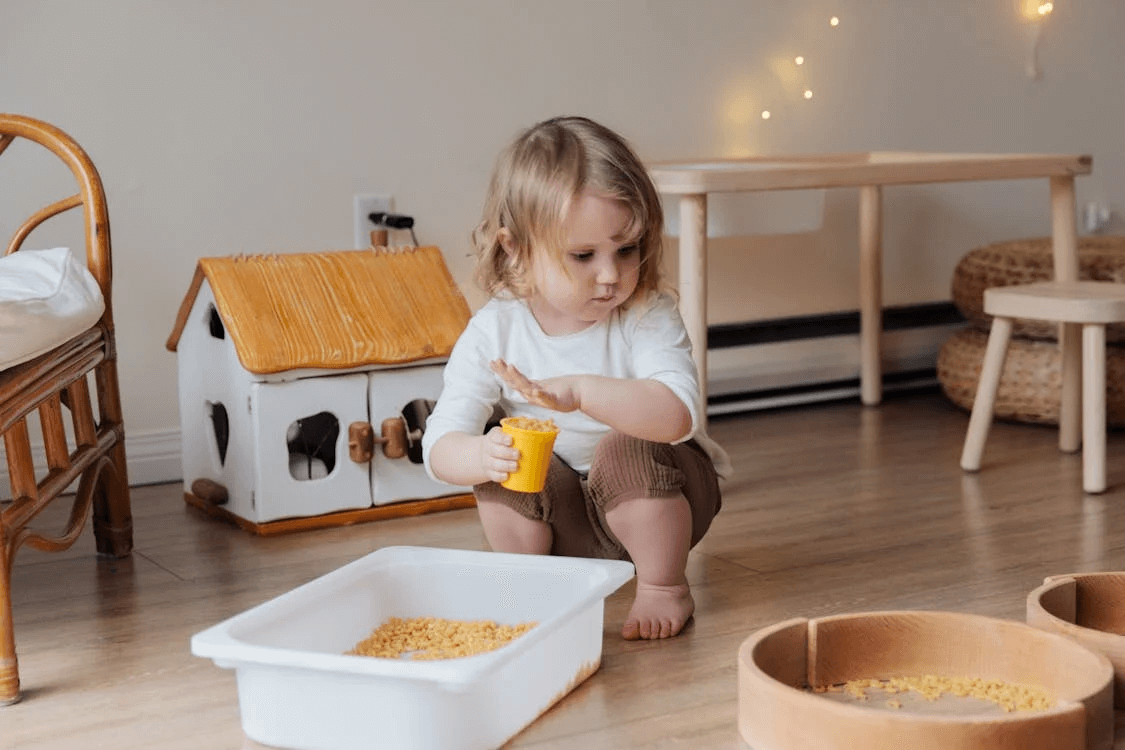
Sensory bins and bags are a simple way to encourage your child’s hands-on learning. With just a few household materials, you can keep them entertained while supporting their motor, social, literacy, and cognitive skills.
Instructions:
- Pick a fun concept such as farm animals or beach scenes.
- Make sure all fillers are age-appropriate (e.g. cooked pasta, gelatin, cotton balls, cookie cutters)
- Include engaging tools like scoops, tongs, or small cups
- Set up a play-friendly area (trays or mats help contain mess)
- Let them take the lead and explore at their own pace
Sensory bins support independent learning, and using themed bins can help children build topic-specific vocabulary.
Homemade Playdough and Slime
While playdough and slime can end in messy play, it teaches sensory attributes, language development, and fine motor skills.
Basic Playdough Recipe:
- 1 cup flour
- ½ cup table salt
- 2 tbsp cream of tartar
- 1 tbsp vegetable oil
- Food colouring
- Glitter or scents of your choice
- Essential oil (optional, for added sensory appeal)
- Water (add slowly to reach desired consistency)
Water and Ice Play
Water and ice play is a refreshing and exciting way to encourage your child’s curiosity. Try setting up a water table and, in each bin, explore different activities. For example:
- Add coloured ice cubes
- Float various objects
- Provide pouring cups and strainers
This type of play supports cause-and-effect learning, hand-eye coordination, and early STEM concepts like sink vs. float.
Nature-Based Sensory Activities
Your backyard can be a playground for sensory learning! Try mud play, leaf rubbings, or a sensory scavenger hunt. Try activities like mud play, leaf rubbings, or sensory scavenger hunts.
Not only do these stimulate the senses, but they also help children connect with nature and the world around them in a fun, meaningful way.
Sensory Play Tips for Parents
No matter how simple sensory play seems, it still requires guidance. If you’re a parent hoping to make the most of these moments, practical tips can turn everyday routines into fun and meaningful learning!
How to Set Up a Sensory Play Space
Setting up a sensory learning activities play space doesn’t need to be expensive or large. Even a small, safe corner of your home will do.
- Use household items like trays, bins, or baskets.
- Keep the area clutter-free and age-appropriate.
- Make sure it’s accessible and allows independent exploration without risk.
Cleaning Up Without Stress
DIY sensory play can get messy, but the right setup helps:
- Use trays to contain materials.
- Provide an apron or old shirt – especially for finger painting.
- Choose outdoor activities for messier projects when possible.
- Keep a damp cloth or baby wipes nearby for quick clean-ups.
Age-Appropriate Activities by Stage
Sensory play for babies is different than for toddlers and preschoolers. Here are some safe, engaging ideas for each stage of development:
Infants Sensory Play Ideas
Infants benefit from simple, repetitive activities that stimulate vision, hearing, and touch.
- Sensory bottles
- Musical toys
- Hanging mobiles
- High-contrast flashcards
- Soft fabric books with different textures
Toddlers Sensory Play Ideas
Toddlers enjoy messier play that lets them scoop, pour, and squeeze.
- Flour sensory trays
- Sand tables
- Homemade finger paint
- Bubble popping (with fingers or tools)
- Water play with cups and spoons
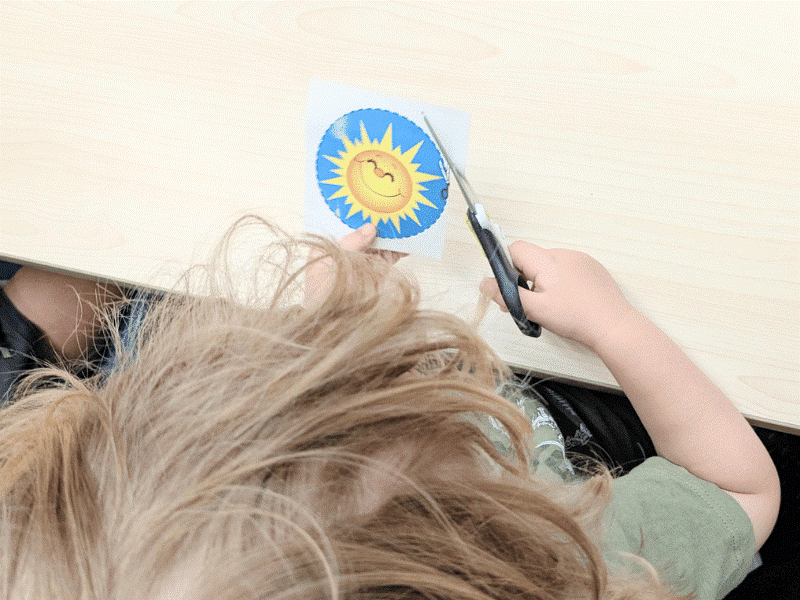
Photo by Shichida Australia: Cutting supports fine motor development and sensory integration – helping children build focus, hand strength and coordination through play, games and activities. Incorporating sensory play ideas can make these skills even more engaging and effective.
Preschoolers Sensory Play Ideas
Preschoolers benefit from more structured, theme-based play that encourages creativity and problem-solving.
- Glitter painting
- Rainbow slime
- Construction-themed activity trays
- Ice cube excavation with tools
- Nature-based sensory scavenger hunts
Tailoring activities by age ensures your child stays safely engaged while developing appropriate skills for their stage.
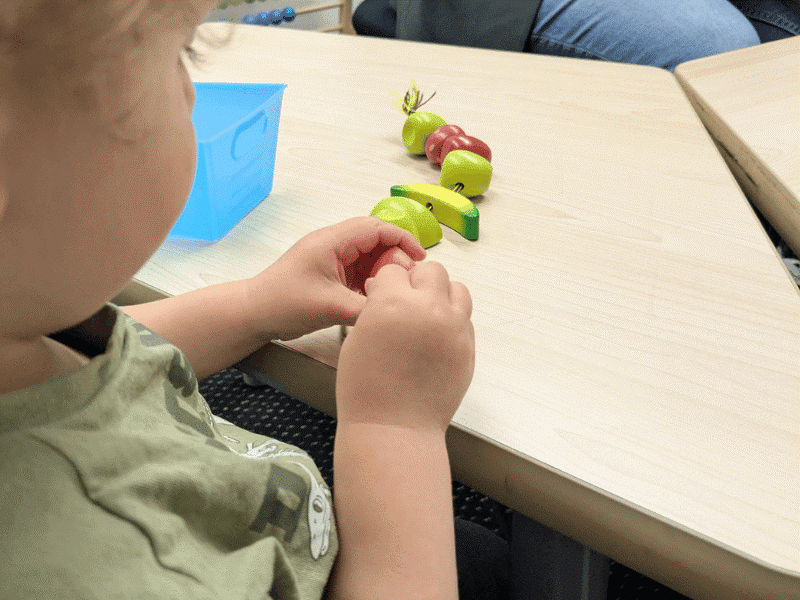
Photo by Shichida Australia: A toddler completing a stringing activity. Threading activities build concentration and fine motor control while engaging the senses through touch, vision and movement.
Looking for fun and meaningful ways to support your child’s development at home?
Sensory play isn’t just messy fun, it’s a powerful way to help toddlers and preschoolers explore, grow, and learn through hands-on experiences. Our guide is packed with simple, low-cost sensory play ideas and activities you can try using everyday items.
Looking for more great sensory play ideas? Book a trial class with Shichida Australia and discover how sensory play fits into whole-child learning!
FAQs
The moment a child is born, they are already ready for some sensory play. But of course, activities vary depending on their age. For infants, it’s best to start with simple activities like sensory bottles, mobiles, or soft-textured objects.
Yes, it can be – but managing the mess is possible! Use trays, drop cloths to protect your floors, organise supplies in bins, and set up a designated play area to keep it contained.
Yes! Just be sure to use age-appropriate materials and always supervise. Great options include sensory books, baby maracas, crinkly fabrics, and soft, chew-safe items.
Two short sessions per day can be ideal, especially if it feels natural and enjoyable for your child. Keep it playful – not forced – and follow their interests.
Yes! Sensory play supports language development by encouraging communication, turn-taking, and descriptive vocabulary. Activities like messy play and water play create natural opportunities for conversation and expression. Speech-language pathologists often include sensory play in therapy to support children with communication delays.