Maths Games Your Kid Will Love
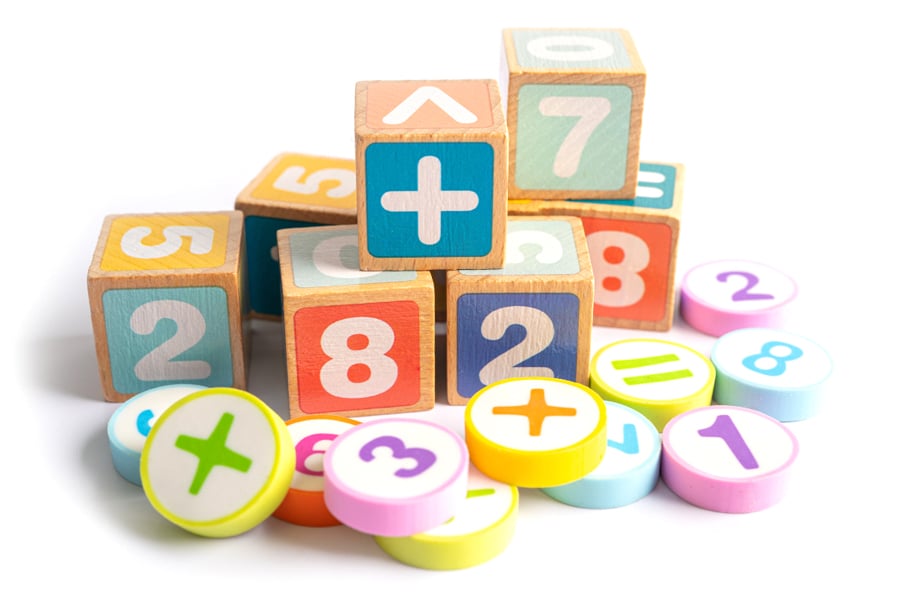
Imagine if your child’s first experience with math’s wasn’t worksheets or stress, but a playful, memorable moment. Maths games for kids are a practical way to build number sense, problem-solving skills and confidence through play-based learning.
At Shichida, we believe in developing these skills through engaging, interactive play, providing benefits beyond numbers alone. Our proven method empowers parents with the tools and confidence to become their child’s first and best teacher.
5 Important Benefits of Early Maths for Kids
Maths games for kids make learning numbers and patterns more engaging by using visual, tactile, and interactive methods.
1. Develops Numerical Skills
Early maths experiences help children understand numbers and their relationships, laying a critical foundation for grasping quantities, patterns, and basic arithmetic. Whether it’s counting snacks or toys, children begin to see numbers as a natural part of their environment, setting the stage for future academic success.
2. Enhances Problem-Solving Abilities
Maths activities nurture logical reasoning and critical thinking, essential skills that help children confidently approach challenges in both academic settings and everyday life. For instance, figuring out how to balance blocks or solve simple puzzles helps children develop logical thinking patterns they’ll use for complex problems later on.
3. Boosts Confidence
Positive, regular interactions with numbers strengthen children’s comfort and confidence, creating an optimistic attitude towards future learning. When children complete counting tasks or solve basic problems, they experience a sense of achievement, reinforcing a belief in their capabilities.
4. Improves Cognitive Development
Engaging in mathematical activities stimulates brain development, enhancing memory, concentration, and abstract thinking abilities. Regularly playing maths-focused games helps children build and strengthen neural pathways, improving overall cognitive function and readiness for more advanced concepts.
5. Encourages Independence
Interactive maths games for kids that encourage independent problem-solving teach valuable lessons in self-reliance, perseverance, and resilience. When children tackle mathematical challenges like sorting or sequencing activities on their own, they learn to persist through difficulties and find solutions independently, crucial life skills that encourage autonomy and determination.
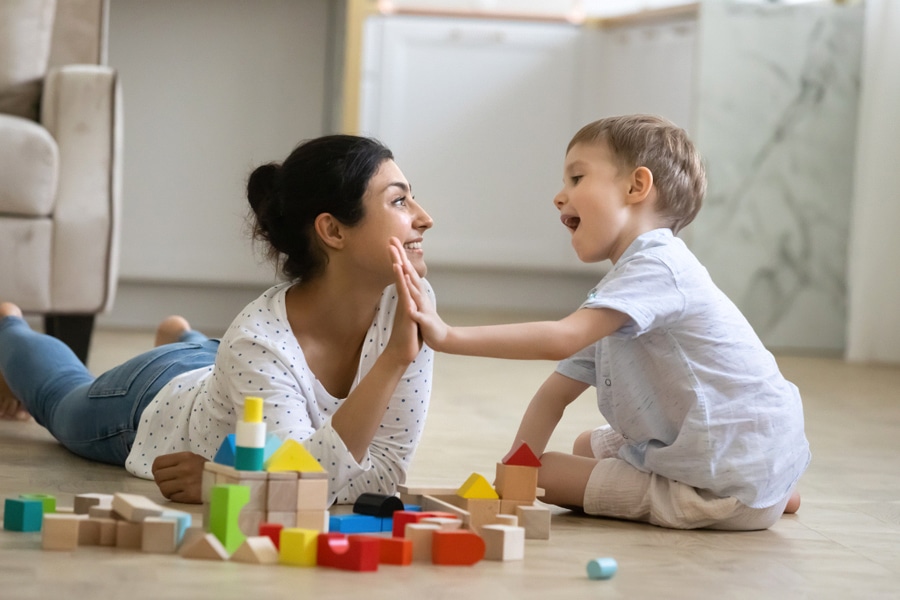
Building blocks can be used as maths games for kids by teaching counting, sorting, patterns, and spatial awareness through hands-on play.
Common Challenges in Early Maths and How to Overcome Them
Incorporating maths games for kids into daily routines helps build foundational skills like counting, sorting, and problem-solving from an early age.
Addressing Frustration
If your child feels frustrated or overwhelmed by maths tasks, ensure the activities are enjoyable and suitably challenging. Keep activities short, engaging, and varied. Regularly switching tasks helps maintain interest and motivation.
Improving Attention Span
Short, frequent maths activities can help younger children stay engaged. Using interactive, hands-on materials like colourful blocks or shapes can enhance focus and make learning enjoyable and manageable.
Making Maths Tangible
Young children often find abstract concepts challenging. Introduce maths through concrete experiences using real objects like toys, fruit, or household items. This hands-on approach makes abstract ideas understandable and relatable.
Balancing Challenge and Enjoyment
Finding the right balance between challenging and fun is crucial. If a task becomes too difficult, simplify the steps and celebrate every small success. This helps build confidence and motivates continued effort and learning.
Engaging Maths Activities for Infants (0–1 Years)
Shape Sorting Treasure Hunt
Discover shapes using everyday items at home. Clearly describe each object’s shape to encourage your baby’s spatial awareness and vocabulary growth.
Shichida Method Dot Flashcard Set
Skill Focus: Early arithmetic intuition and memory
Benefits: Rapidly showing these dot cards helps infants intuitively recognise quantities, supporting foundational mental maths skills.
Skill Focus: Number recognition and counting
Benefits: This vibrant chart naturally incorporates counting into daily activities, enhancing familiarity with numbers and sequences.
Interactive Maths Activities for Toddlers (1–2 Years)
Beanbag Counting Game
Encourage toddlers to practice counting and motor skills by tossing beanbags into numbered containers, strengthening number recognition and hand-eye coordination.
Skill Focus: Problem-solving, logical thinking, and fine motor skills
Benefits: Toddlers improve fine motor skills, cognitive abilities, and understanding of object permanence through colourful matching games.
Sing Together! Vol. 1 – Numbers and Counting (Audio CD)
Skill Focus: Counting skills and numerical vocabulary
Benefits: Enjoyable songs make numbers fun, enhancing counting abilities and auditory memory effortlessly.
Skill Focus: Size comparison, ordering, and motor skills
Benefits: Toddlers learn logical sequencing and spatial reasoning while developing motor skills through playful stacking activities.
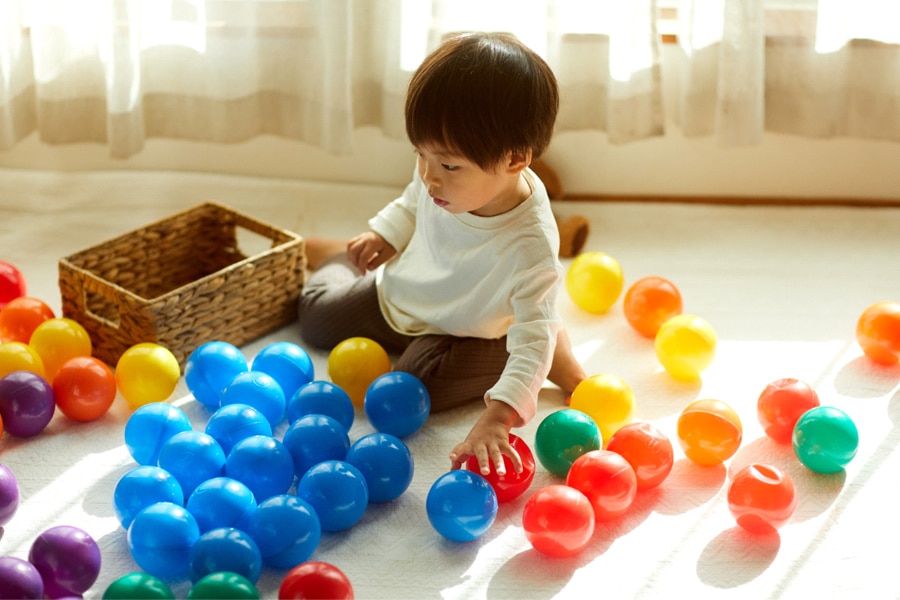
Sorting coloured balls by size or colour is one of the simplest maths games for kids, supporting early skills like categorisation, comparison and visual discrimination.
Maths Activities for Older Toddlers (2–3 Years)
Counting Bears Game
Sorting colourful bears helps toddlers grasp basic mathematical concepts like counting, grouping, and categorising in a tactile manner.
Skill Focus: Addition and equivalence
Benefits: Toddlers visually learn basic arithmetic through balancing games, and reinforcing number relationships through hands-on exploration.
Skill Focus: Shapes, sorting, sequencing, and basic arithmetic
Benefits: Interactive puzzles and games develop early maths skills, promoting independent problem-solving and critical thinking.
Playful Maths Activities for Preschoolers (3–4 Years)
Wooden Block Building
Block-building helps preschoolers develop spatial reasoning, problem-solving, and an understanding of shapes and sizes.
Skill Focus: Numerical reasoning, addition, and problem-solving
Benefits: Preschoolers grasp foundational arithmetic concepts through playful balancing activities, reinforcing logical thinking.
Skill Focus: Counting, addition and subtraction
Benefits: This tactile learning tool visually demonstrates numerical relationships, strengthening maths understanding through interactive counting.
More Dynamic Maths Activities for Kindergarten Preparation (4–5 Years)
Nurture valuable kindergarten prep skills through enjoyable, interactive games.
Skill Focus: Addition, subtraction, and number bonds
Benefits: These interactive magnetic tiles visually demonstrate number combinations, making abstract addition and subtraction tangible. Children effortlessly learn how numbers combine and separate, forming a robust understanding of number relationships and bonds up to twenty. This kinesthetic approach builds confidence and prepares children for primary-level arithmetic.
Skill Focus: Addition fluency and mental maths confidence
Benefits: These colourful, illustrated flashcards make learning basic sums enjoyable and intuitive. Regular practice strengthens rapid recall, boosts numeracy confidence, and transforms maths practice into playful parent-child interaction.
Practical Everyday Maths Activities
Integrate maths naturally into everyday routines:
- Cooking Together: Measure ingredients, compare quantities, and count items to practically apply maths in daily life.
- Grocery Store Maths: Engage your child in counting and comparing items during shopping trips, reinforcing maths skills in real-world contexts.
Get a Head Start on Kindergarten Maths Skills
Kickstart your child’s maths learning with our specially crafted (and free) Kindergarten Addition Activities. Designed specifically for young learners, these activities offer dynamic, interactive experiences such as counting, number matching, and basic addition, preparing your child for kindergarten success.
Building a Strong Maths Foundation
Our dynamic activities stimulate curiosity, enhance cognitive development, and provide a robust foundation in maths, crucial for early academic growth.
Engaging Kindergarten Activities Include:
- Number Match: Encourage number recognition and fine motor skills through interactive matching exercises.
- Animal Counting Adventure: Engage your child with counting activities involving animals to reinforce numerical learning.
- Fruity Fun: Introduce basic addition through engaging fruit-themed activities.
Extend Learning Through Daily Activities
Support kindergarten maths activities with practical, everyday experiences:
- Number Hunt: Make number recognition fun by identifying numbers around your home or neighbourhood.
- Play-Based Learning: Block or card games and puzzles involving numbers strengthen counting and matching skills in an enjoyable environment.
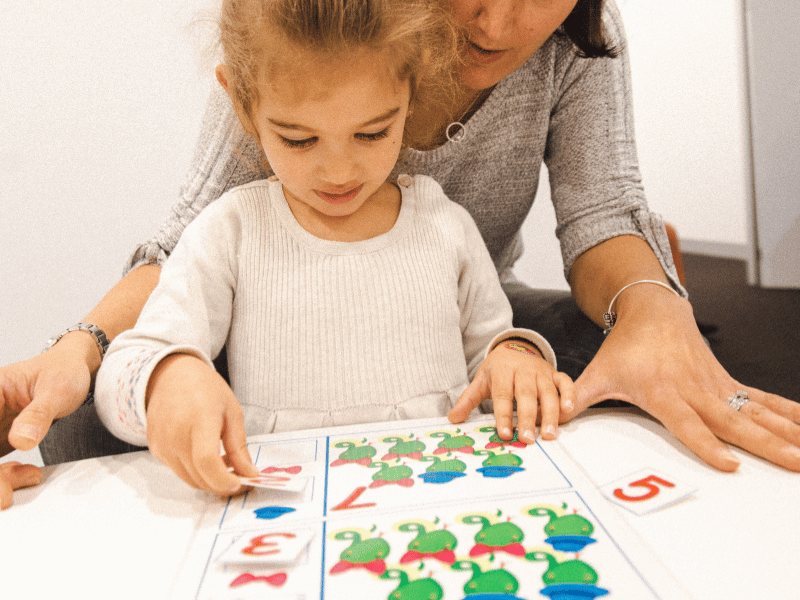
In a Shichida class, maths games for kids involve hands-on activities that help develop number sense, logical thinking, and parent-child connection through guided play.
At Shichida, our caring educators partner with you to unlock your child’s full potential. We understand the importance of building strong foundations early, helping you become the best parent you can be, and raising children who are kind-hearted, talented, and confident.
Book Your Class Today
Take the next step in your child’s learning journey. Book a class today and discover how Shichida’s proven method can deliver amazing results and an enjoyable educational experience for both you and your child.