
How to Develop a Lifelong Love of Learning in Children
Key Takeaways
- Defining a Love of Learning: It’s an intrinsic spark of curiosity that drives exploration and questioning, cultivating a genuine passion for discovery, not just external rewards.
- Lasting Benefits: Fostering this love from an early age can boost cognitive skills, fuel academic success, build resilience, and enhance emotional intelligence.
- The Shichida Method: Programs like Shichida Australia offer a unique, dynamic, and supportive environment designed to champion children’s natural curiosity
A love of learning is truly a lifelong gift. While our kids possess a natural curiosity from the start, nurturing this enthusiasm from a young age creates a powerful foundation for their growth and success. This practical guide is filled with helpful advice and age-based activities to instil a love of learning in your child, setting them up for a future filled with confident exploration.
What Does “Love of Learning” Mean?
It’s that inner spark of curiosity which drives our children to explore and question, cultivating a genuine love of learning, meaning this passion becomes intrinsic and focused on discovery rather than external rewards.
- Intrinsic Motivation: That internal desire to learn for the joy of discovering something new, not for stickers or rewards.
- Deep Curiosity: A natural eagerness to explore, ask “why?”, and dive into all those fascinating subjects that catch their eye.
- Passion for Discovery: Finding genuine enjoyment in seeking answers, embracing fresh ideas, and embracing the entire journey of learning.
- Active Engagement: A strong drive to get involved and understand their world through hands-on exploration and thoughtful questions.
Why It’s Important to Instil a Love of Learning in Children
Helping to instil a love of learning in your child from an early age offers profound, long-lasting benefits that extend far beyond the classroom.
- Boosts Cognitive Skills: It cultivates stronger critical thinking, problem-solving, and a sense of curiosity, empowering them to navigate complex challenges.
- Fuels Academic Success: Children with a genuine passion for learning are more engaged and show greater motivation, leading to better academic performance.
- Builds Resilience & Adaptability: A love of learning fosters a growth mindset, helping children embrace new information, adapt to change, and rebound from setbacks.
- Enhances Life Skills: It contributes to emotional intelligence, self-confidence, independence, and creativity, preparing them for a dynamic future.
How to Foster a Love of Learning in Children
Discovering how to build a love of learning in kids involves weaving specific, age-appropriate strategies into their daily lives as they grow.
Babies (0–12 months)
- Provide Sensory Experiences: Offer varied safe, textured toys to stimulate their senses and encourage early curiosity.
- Engage in Responsive Play: Play simple games like peek-a-boo, responding to their reactions to build positive associations with new experiences.
- Read Together: Share colourful picture books, pointing out images to help them make early connections between words and visuals.
Toddlers (1–3 years)
- Encourage Exploration: Allow toddlers independent play and investigation, offering opportunities for pretend play to develop creativity.
- Introduce Hands-On Activities: Engage them with water play, simple puzzles, or dressing skills practice to help them learn by doing.
- Model Curiosity: Show your own enthusiasm when discovering new things together, like observing nature, to spark their inquisitiveness.
Preschoolers (3–5 years)
- Promote Imaginative Play: Encourage dress-up, role-playing, and storytelling to foster creativity and social skills.
- Offer Open-Ended Play Materials: Provide blocks, play dough, or art supplies, allowing for open-ended exploration and discovery.
- Involve Them in Daily Tasks: Transform cooking, gardening, or tidying into fun learning experiences that teach life skills.
School-Age Children (6–12 years)
- Support Independent Projects: Encourage children to pursue their own interests, conduct experiments, or create stories and artwork.
- Make Learning Fun: Use games and scavenger hunts to reinforce skills and make learning an engaging experience.
- Celebrate Effort and Curiosity: Praise their persistence and inquisitiveness rather than just correct answers, showing that learning is a rewarding journey.
Activities to Encourage a Love of Learning
Beyond everyday strategies, diving into specific, fun activities with your child is a wonderful way to help their love for learning grow.
Babies (0–12 months)
- Interactive Books: Share board books with bright pictures, lift-the-flaps, or simple textures, letting your baby touch and turn pages to make reading a sensory experience.
- Hanging Mobile Play: Hang a colourful, moving mobile above their play area to provide visual stimulation and encourage reaching and tracking movements.
- Cause-and-Effect Games: Introduce toys that respond to your baby’s actions by lighting up, playing music, or moving when pressed, helping them understand simple reactions.
Toddlers (1–3 years)
- Shape and Colour Sorting: Provide blocks, small toys, or simple puzzles and encourage your toddler to sort them by colour or shape, building early classification skills.
- Hide-and-Seek with Objects: Hide a favourite toy under a blanket or behind a pillow and encourage your toddler to find it, promoting object permanence and deduction.
- Tape Maze: Create a simple maze on the floor using painter’s tape for your toddler to walk, crawl, or drive toy cars through, developing spatial reasoning and problem-solving.
Preschoolers (3–5 years)
- “Mystery Bag” Guessing Game: Place several small, common objects in a bag and have your child reach in, feel, and guess what each item is based on touch alone.
- Obstacle Course: Design a simple obstacle course using household items like pillows, boxes, and tunnels for children to navigate, fostering planning and physical problem-solving.
- Pretend Play Stations: Set up dedicated areas with dress-up clothes, a toy kitchen, or toy tools to encourage imaginative role-playing and storytelling.
School-Age Children (6–12 years)
- Scavenger Hunts: Create themed hunts around the house or yard using clues, riddles, or pictures for children to follow, promoting logical thinking and exploration.
- Board Games: Play strategic board games like “Chess,” “Checkers,” or “Ticket to Ride” to build logic, planning, decision-making, and social skills.
- Simple Science Experiments: Conduct engaging, safe experiments using common household items, such as a baking soda volcano or growing crystals, to spark scientific inquiry and observation.
Overcoming Challenges in Fostering a Love of Learning
Every parent hopes to instil a love of learning in their child, but when these hurdles arise, knowing how to navigate them makes all the difference.
- Lack of Motivation or Interest: If your child seems disengaged, connect learning to their existing interests with relevant books, activities, or experiences.
- Fear of Failure or Making Mistakes: Children may hesitate if they worry about being wrong; create a safe environment where mistakes are celebrated as learning opportunities, and model handling setbacks positively.
- Limited Engagement or Boredom: When learning feels dull, re-ignite enthusiasm by making it fun and hands-on with games, interactive activities, or real-world experiences.
- Pressure to Perform: Excessive focus on grades can stifle joy; shift emphasis to the learning process and effort, rather than solely on outcomes.
- Negative Attitudes Toward Learning: If your child expresses disinterest, remember attitudes are learned; model a genuine love of learning yourself, sharing your own curiosities and excitement.
How to Model a Love of Learning as a Parent
As parents, we are our children’s first and most influential teachers. The most powerful lesson we can impart isn’t taught through lectures but lived through example.
Our kids are constantly observing, so when they see us genuinely excited about learning, whether diving into a new book, trying a new hobby, or simply asking “why?”, sparks their own curiosity.
By openly sharing our learning journeys and even celebrating our own mistakes as growth opportunities, we show them that learning is a thrilling, lifelong adventure that brings authentic happiness.
How the Shichida Approach Instils a Love of Learning
Helping to instil a love of learning is one of the most profound gifts you can give your kids, unlocking a world of benefits that enrich their development for years to come. By embracing the strategies and activities we’ve explored, you’re building a powerful foundation for their future success.
Ready to give your child an even greater advantage on their learning journey? Visit Shichida Australia’s programs to discover how our unique educational approach creates a fun, dynamic, and supportive environment that champions children’s natural curiosity and deepens their love of learning.
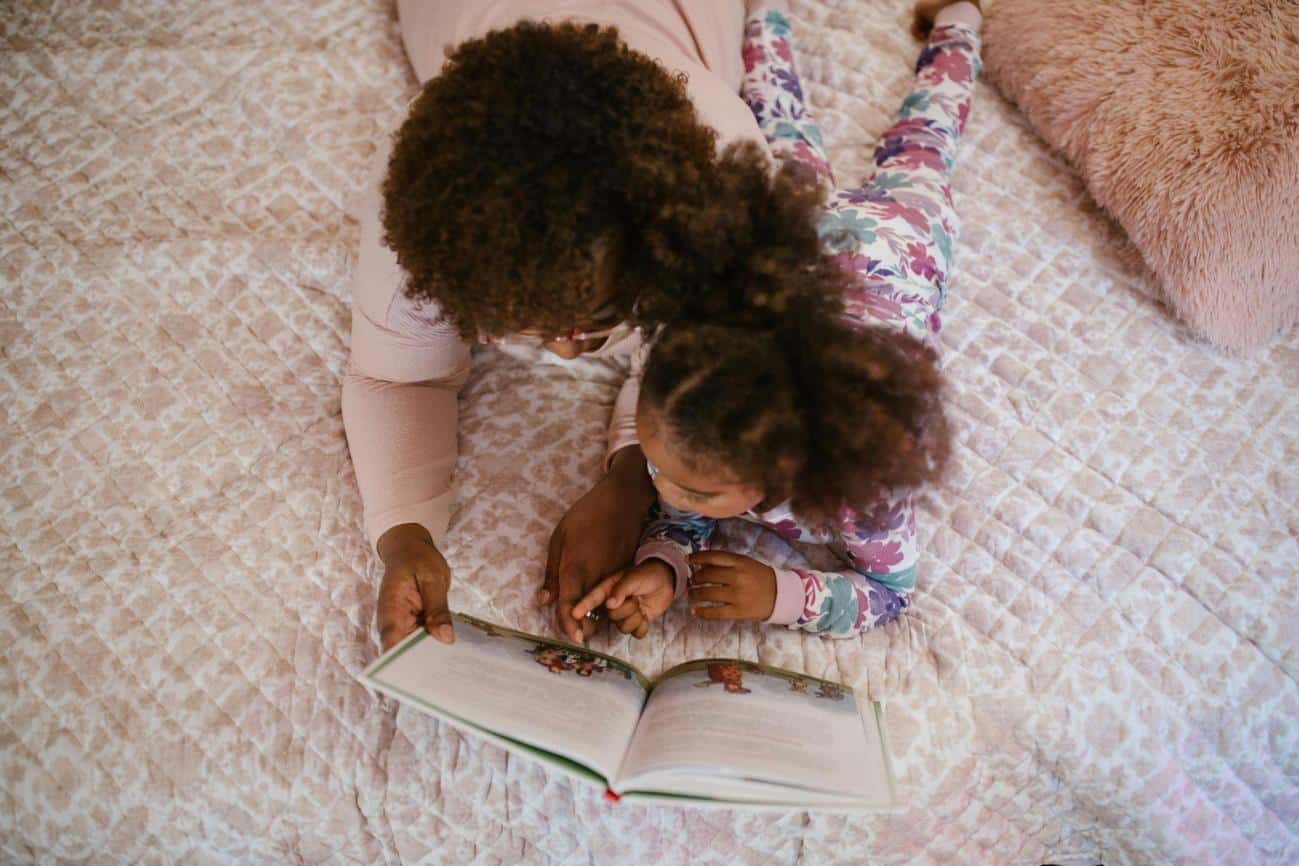
Photo from Pexels: A story shared, a mind growing.
Frequently Asked Quesitons
Make learning fun by connecting it to your child’s interests, incorporating hands-on activities and games into daily routines, and celebrating their effort and curiosity.
Sometimes, a few inspiring words can truly capture the joy and potential that comes with a love of learning. Here are some wonderful quotes to share with your children:
- “The more that you read, the more things you will know. The more that you learn, the more places you’ll go.” — Dr. Seuss
- “You are never too young or too old to set another goal or to dream a new dream.” — C.S. Lewis
- “If you can dream it, you can do it.” — Walt Disney
Making learning fit your child’s interests and style is all about finding their genuine interests then connecting learning activities to those passions. If your little one loves to get hands-on, bring in more DIY projects. If they’re more visual, try maps or educational videos. Here at Shichida, that’s exactly what we do! Our method offers all sorts of fun, multisensory activities that truly fit each child’s way of learning, making sure they find real joy in their education.