Role of Parents in Kids’ Mental Health
You don’t need a psychology degree to make a lasting impact on your child’s mental wellbeing. From the way we speak to how we show up after a tough day, parenting plays an irreplaceable role in shaping a child’s emotional world.
In the early years especially, children look to their caregivers for safety, guidance, and connection. This foundation is what helps children learn to regulate emotions, express themselves, and build confidence.
Put simply: kids’ mental health starts at home. While there’s no perfect script, there are powerful daily habits and parenting practices that help nurture resilience, self-worth, and emotional balance. Let’s take a look at why your role matters so much—and what you can do to support your child’s inner world.
Why Kids’ Mental Health Begins at Home
Long before children are able to describe how they feel, they absorb emotional cues from the people closest to them. Parents and caregivers are their first guides when it comes to understanding feelings, managing stress, and making sense of big emotions.
Secure relationships provide a sense of safety and belonging that lays the groundwork for healthy emotional development. When children feel supported and seen, they’re more likely to express themselves openly, ask for help when needed, and develop empathy for others.
Your tone, your presence, and even how you handle your own challenges all contribute to your child’s sense of emotional safety. Every hug, bedtime chat, and shared laugh becomes part of the fabric that supports your child’s mental wellbeing.
What Gets in the Way of a Child’s Mental Wellbeing?
Despite our best intentions, modern family life can get in the way of nurturing mental health for kids. Packed schedules, digital distractions, and parental stress can limit quality connection time.
Some common challenges include:
- Lack of downtime or opportunities for open conversations
- Emotional burnout in parents, which reduces patience and presence
- Overemphasis on achievement, leading to stress or perfectionism
- Disconnection caused by excessive screen time or fast-paced routines
Being aware of these barriers is the first step toward creating space for emotional connection and kids’ wellbeing.
5 Everyday Ways Parents Support Kids’ Mental Health
Supporting your child’s emotional development doesn’t have to be complicated. In fact, it’s the small daily choices that make the biggest difference. Here are five ways you can promote positive kids mental health support—with simple, real-world examples.
1. Build Emotional Security
Children need to know they’re safe and loved—no matter what. Unconditional love builds a strong emotional foundation and helps children feel secure in who they are.
Try this:
- Offer comfort through hugs, kind words, and reassurance during emotional moments.
- Show up to school events or weekend activities to demonstrate support.
- Keep consistent routines like family dinners or bedtime stories to create a stable rhythm.
2. Model Positive Behaviours
Children learn emotional habits by watching how we respond to our own stress. When parents handle frustration with calm, or take breaks when overwhelmed, they’re showing kids how to regulate emotions too.
Try this:
- Say, “I’m feeling overwhelmed, so I’m going to take a few deep breaths.”
- Show that rest and self-care matter by carving out time for them yourself.
- Share stories about overcoming challenges, emphasising effort and growth.
3. Encourage Open Communication
Let your child know it’s always okay to talk about how they feel. Listening with empathy—without jumping to solve—helps them feel heard and understood.
Try this:
- Ask open-ended questions like, “What was the best part of your day?” or “Did anything feel tricky today?”
- Set up a “talk time” before bed or after school, where they know they have your full attention.
- Avoid judgement or dismissing feelings. Instead of “You’re fine,” try “That sounds really hard—do you want to talk about it?”
4. Promote Healthy Routines
Good sleep, balanced nutrition, and regular physical activity all support mental wellbeing. When children’s basic needs are met, they’re more emotionally regulated and resilient.
Try this:
- Cook meals together while chatting about your day.
- Make after-school walks, park visits, or yoga videos a fun shared activity.
- Create a calming bedtime routine: bath, book, lights out at a consistent time.
5. Seek Help When Needed
Sometimes, kids need more than what we can offer on our own—and that’s okay. Reaching out for professional kids mental health support is a sign of strength, not failure.
Try this:
- If you notice persistent sadness, anxiety, or behavioural changes, talk to a GP or school wellbeing officer.
- Let your child know that getting help is normal and nothing to feel ashamed of.
- Participate in family counselling if recommended, to support communication and connection at home.
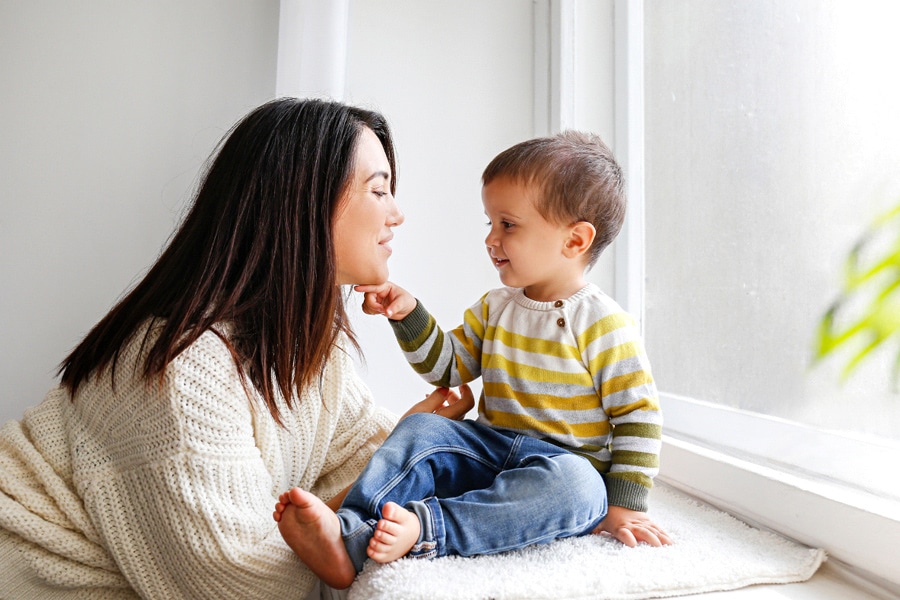
Modelling positive behavior – like staying calm, using kind words and handling emotions thoughtfully – helps support kids mental health and teaches self-regulation skills through everyday actions.
Mental Health Activities for Kids
Incorporating daily or weekly activities for kids mental health is a great way to help children learn emotional skills while having fun. These activities support emotional regulation, self-expression, and relaxation.
Here are some simple ideas to try at home:
1. Gratitude Journaling
Each night, invite your child to list (or draw) three things they’re grateful for. This helps reframe the day positively and supports mindfulness.
2. Breathing Buddies
Have your child lie down with a soft toy on their belly. Instruct them to watch the toy rise and fall as they take deep breaths—great for calming the nervous system.
3. Worry Box
Create a box where your child can “drop off” written worries. It symbolises letting go of stress and helps kids feel lighter before bed.
4. Draw Your Feelings
Provide crayons or paints and invite your child to draw how they’re feeling. This opens a window into their inner world and encourages emotional expression.
5. Movement Breaks
Encourage dance parties, backyard obstacle courses, or animal yoga poses. Physical activity is a natural stress-buster and helps with focus.
6. Meditation Moments
Simple meditation practices for kids help children learn to be present, tune into their emotions, and reset after busy moments.
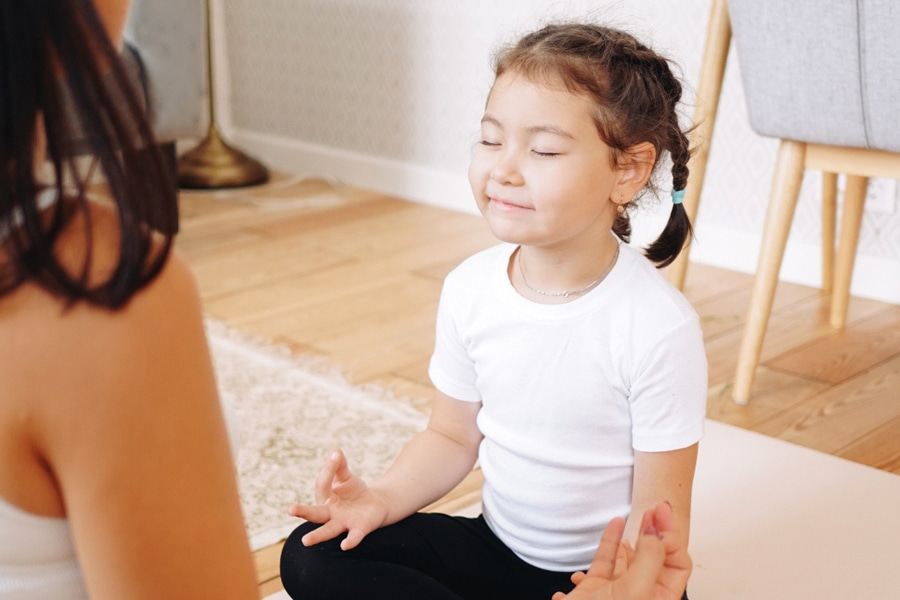
Encourage activities at home which support kids mental health
How Shichida Supports Kids’ Mental Health Through Mindfulness
At Shichida Australia, mindfulness isn’t a separate exercise—it’s thoughtfully woven into the fabric of every class to support kids mental health and emotional wellbeing from the very beginning.
Breathing Exercises
Each session begins with gentle breathing techniques that help children settle their minds and bodies. Belly breathing is introduced in age-appropriate ways: young children might simply place a hand on their tummy to feel it rise and fall, while older children are encouraged to focus on slow, steady breaths.
These moments create calm and help children learn how to regulate emotions before transitioning into learning activities.
Positive Affirmations
Phrases like “I can do hard things” and “Mistakes help me learn” are spoken aloud, helping children internalise confidence and build a growth mindset.
These affirmations support resilience and reinforce a belief in their ability to overcome challenges.
Guided Visualisation
Simple imagery-based exercises are used to spark imagination and emotional clarity—whether it’s picturing themselves finishing a puzzle or visualising a peaceful scene before beginning a new task.
These short practices help children feel calm, focused, and capable.
Calming Environment
Shichida classrooms are designed to feel warm, structured, and soothing.
Gentle transitions, soft lighting, and clear routines help children feel safe and supported, creating an ideal space for learning and emotional development.
Bonding Activities
Each class includes opportunities for parent-child connection.
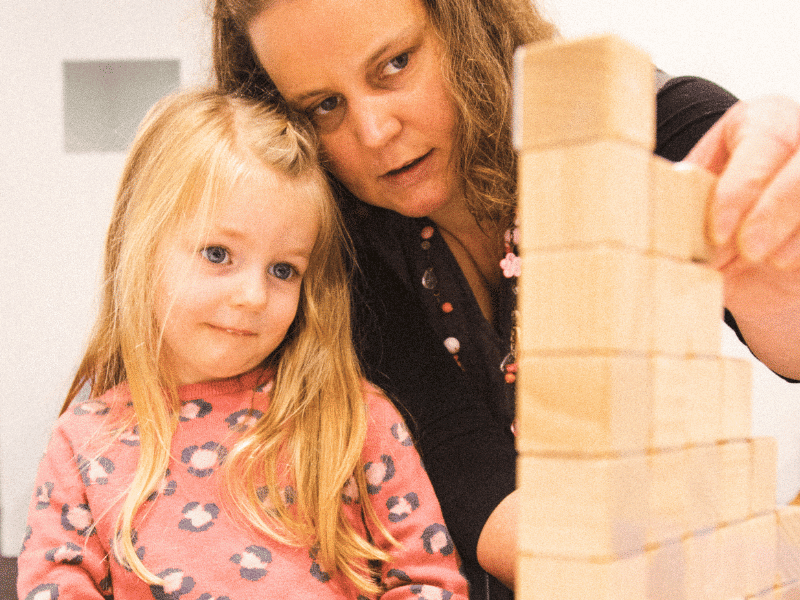
Photo by Shichida Australia: Partner-based games and cooperative problem-solving tasks, create moments that nurture emotional awareness and supports kids mental health by providing a sense of security.
Through these carefully integrated elements, Shichida helps children not only grow intellectually but also build the emotional tools they need to thrive, both inside and outside the classroom.
Give your child the best start in life – book a trial class at a Shichida early learning centre today!