

How to Boost Your Child’s Confidence as a Parent
Have you ever watched your child hesitate at the edge of the playground, unsure if they’re brave enough to join in? Imagine replacing that uncertainty with confidence – the kind that carries them effortlessly into new friendships, adventures, and discoveries.
Here, we explore easy, practical ways to encourage your child’s confidence every day, helping them become the curious, capable, and courageous person they’re meant to be. Understanding how to build child’s confidence is essential for supporting their emotional growth, resilience, and willingness to take on new challenges.
Why Confidence is Essential in Early Childhood
A confident child embraces learning opportunities, makes meaningful friendships, and navigates challenges with resilience. When children feel unsure or insecure, they hesitate to explore, question, or engage fully with their environment, often missing opportunities to grow.
By nurturing confidence, you’re equipping your child to face the world with optimism, curiosity, and courage.
Practical Ways to Build Your Child’s Confidence at Home
An important part of how to build child’s confidence is giving them chances to try tasks on their own, even if mistakes happen along the way.
Celebrate Effort, Not Just Success
Rather than focusing solely on outcomes, emphasise your child’s effort and persistence. Highlighting their dedication, even when things don’t go as planned, encourages them to value learning as a process:
- Instead of saying, “You’re so smart,” try, “You worked really hard figuring out that puzzle—I’m proud of your determination!”
- When your child perseveres through a challenge, like building a tricky block tower, gently acknowledge their patience: “You kept trying until you made it! That’s real determination.”
Celebrating effort builds resilience, reminding your child that setbacks are a natural part of learning, rather than something to fear.
Encourage Independence Through Everyday Tasks
Daily routines like helping with chores or making simple choices are practical examples of how to build child’s confidence through independence. Providing age-appropriate responsibilities helps children discover their capabilities. Allow your child to take on manageable daily tasks, such as dressing themselves, setting the table, or helping prepare snacks.
Even if their shoes end up on the wrong feet or their clothing choices seem unusual, celebrate these small acts of independence. By allowing them room to practice and make mistakes, you reinforce their belief in their own capabilities, laying a strong foundation for greater tasks down the road.

Everyday tasks like folding laundry can teach responsibility and independence—key parts of how to build child’s confidence at home.
Empower Decision-Making Skills Early
Give your child opportunities to make decisions, even in simple daily matters:
- “Would you like cereal or toast today?”
- “Which book should we read tonight?”
Allowing children to make choices validates their opinions and builds their trust in their own judgment. Over time, this helps them become decisive, assured individuals who aren’t afraid to speak up and assert their preferences clearly.
Validate Your Child’s Feelings and Emotions
Confidence grows when children feel heard and understood. Instead of dismissing difficult emotions, show your child that their feelings matter:
- “I see you’re feeling sad that playtime ended. I understand—it’s hard when fun activities stop.”
- “Trying something new can feel scary; sometimes I feel nervous too.”
Your empathy shows your child that emotions, even challenging ones, are manageable and acceptable. This comfort in emotional expression contributes to greater confidence and self-awareness throughout their life.
Inspire Curiosity and Creativity
Confidence blossoms naturally when children discover things independently. Create an environment where curiosity thrives:
- “Let’s find out what happens when we mix these paints together!”
- “I wonder what kinds of birds we’ll see at the park today?”
Encouraging exploration stimulates a child’s enthusiasm for discovery, teaching them to approach new experiences eagerly and confidently.
Be a Positive Role Model
Your child closely observes and mirrors your behavior. Demonstrating confidence in your own abilities and openly managing your feelings around new experiences can profoundly shape your child’s self-belief:
- “I wasn’t sure if this recipe would turn out well, but it was actually pretty fun to give it a go.”
- “I felt a bit nervous meeting everyone at work today, but once we started chatting, it got a lot easier.”
Modelling positive self-talk and resilience makes confidence relatable and achievable, setting an invaluable example for your child.
How to Build Child’s Confidence Through Everyday Conversations
One of the simplest yet most powerful ways to nurture confidence is through your everyday conversations with your child. Regularly speaking positively about your child’s experiences helps them internalise a stronger sense of self-worth.
Reflect Positively on the Day: At bedtime, ask, “What was your favourite part of today?” or “Tell me something you’re proud of”. This routine helps your child notice their accomplishments and highlight their strengths without feeling pressured.
Use Empowering Language: Replace phrases like “Be careful—you might fall!” with encouraging alternatives like “I trust you to climb safely; you’ve got this!”. Such shifts reassure your child that you believe in their abilities.
Normalise Mistakes and Growth: Regularly remind your child that mistakes are okay, normal, and part of learning. Simple phrases like “It’s alright, everyone spills sometimes. Let’s clean it up together”, help your child embrace challenges rather than fear them.
These relaxed, genuine conversations help to build deep-seated confidence naturally, making your home a safe and empowering space for growth.
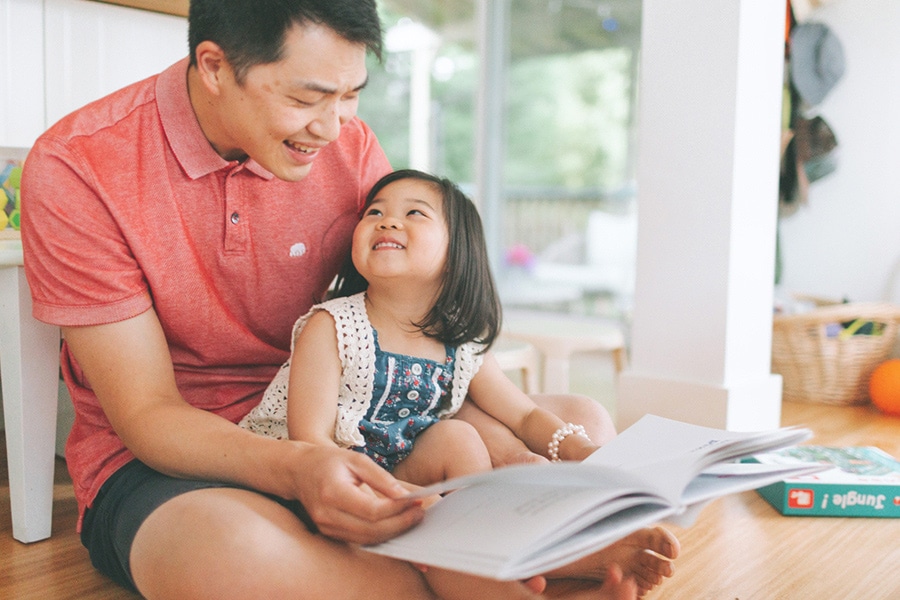
Positive conversations and shared reading time are simple yet powerful ways to connect—and part of how to build child’s confidence through daily interaction.
Factors That Can Undermine Your Child’s Confidence (and How to Avoid Them)
Avoiding Negative Comparisons
Comparison can unknowingly diminish your child’s confidence. Rather than highlighting differences between your child and siblings or peers, emphasise their strengths:
- Instead of, “Why can’t you listen like your brother?”, try, “I appreciate how much effort you made to pay attention during storytime”.
This approach underscores your child’s unique qualities, reinforcing their sense of worth without comparison.
Reducing Excessive Criticism and Pressure
Too much criticism, even when well-intentioned, can lead children to doubt themselves. Offer gentle, constructive guidance rather than constant correction:
- Rather than, “You did it wrong,” offer, “Would you like to try this another way?”
- After mistakes, emphasise learning: “Mistakes mean you’re trying something new—that’s wonderful!”
Your supportive approach helps your child associate learning with positivity rather than anxiety.
Shichida’s Unique Approach to Confidence-Building
Parents often ask how to build child’s confidence, and the answer lies in consistent support, realistic praise, and meaningful interaction. At Shichida, we approach confidence-building holistically by integrating parents and children in our classrooms. This collaborative method gives you practical tools and firsthand insights into nurturing your child’s confidence at home:
- Joint Learning Experiences: Parents actively participate in classes, gaining practical techniques to support their child’s emotional and intellectual development.
- Interactive Activities: Dynamic games and puzzles create an enjoyable learning environment, making confidence a natural outcome of playful exploration.
- Positive and Supportive Atmosphere: Empathetic teachers model positivity and encouragement, establishing a safe and nurturing space where children feel secure to experiment and express themselves.
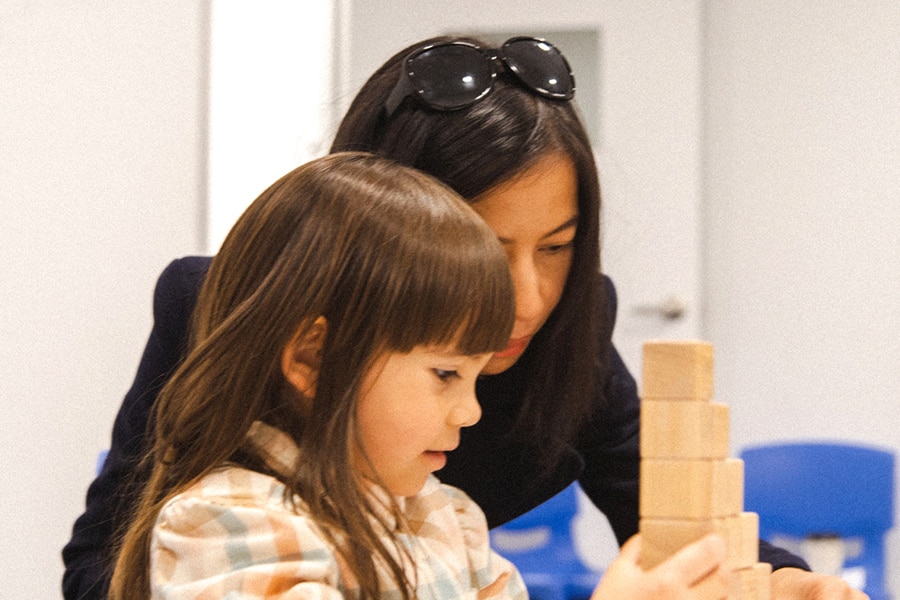
Image by Shichida Australia: Structured activities at Shichida give parents opportunities to support progress, offer praise, and model focus—all part of how to build child’s confidence.
Fun, Engaging Activities to Boost Confidence at Home
Affirmation Jar Activity (All Ages)
Create an affirmation jar together, filled with positive statements. Each day, let your child pull out a note that reads, “I am brave,” “I can do difficult things,” or “I am kind.” This daily habit encourages your child to internalise a positive self-image, helping them approach new challenges confidently.
Accomplishment Scrapbook (Preschoolers)
Regularly document your preschooler’s daily achievements in a scrapbook—small triumphs like tying shoes, sharing toys, or learning new words. Revisiting these memories together strengthens your child’s self-esteem, reminding them of their continuous growth and progress.
Role-play Confidence Games (Toddlers & Preschoolers)
Through playful role-play, your toddler can rehearse scenarios like ordering at a pretend café or introducing themselves to new friends. These imaginative games allow your child to safely navigate challenging social situations, gradually building the confidence needed for real-life interactions.
Partnering with Shichida to Unlock Your Child’s Potential
Confidence-building isn’t a one-time event but an ongoing process. With daily encouragement, genuine acknowledgement of effort, and consistent emotional support, you’ll nurture your child’s inner strength and self-belief.
Shichida’s experienced educators and proven method offer the tools and insights you need to support your child’s confidence at every developmental stage. Our collaborative classes empower you directly, making the confidence-building journey enjoyable, achievable, and rewarding.
Your child’s confidence today shapes their happiness and success tomorrow. Discover how Shichida can guide your family toward a future filled with resilience and limitless possibility.
Book a class today and experience the difference our nurturing, research-backed approach can make for your child’s confidence and happiness.