Fine Motor Skills for Kids: A Complete Developmental Guide
Key Takeaways:
- Fine motor skills are foundational for development: These precise hand and finger movements are crucial for a child’s independence, learning, and self-esteem.
- Fine motor skills are more than just movement. They significantly contribute to a child’s cognitive, social, and emotional well-being.
- Everyday life is a learning opportunity: Parents can integrate fine motor skills activities into daily life, like dressing, meal prep, chores, and outdoor play.
Fine motor skills are an important part of healthy childhood deployment. They’re the precise movements of muscles, particularly in the hands and fingers, and mastering these skills builds a strong foundation for independence, learning, and confidence. This article shares the best fine motor skills, activities, and toys for little ones and why nurturing these abilities is key to unlocking their full potential.
What Are Fine Motor Skills?
Fine motor skills are the coordination of small muscles, typically in the hands, fingers, and wrists, to perform precise movements. They differ from gross motor skills, which involve larger movements of the arms, legs, and torso, like running or jumping. Developing strong fine motor skills is essential for a child’s increasing independence and ability to interact with their world.
Here’s how fine motor skills show up in everyday activities:
- Eating: Holding utensils, self-feeding, picking up small pieces of food.
- Dressing: Buttoning up clothes, zipping zippers, tying shoelaces.
- Personal Care: Brushing teeth, combing hair, washing hands.
- Exploring: Picking up small objects, opening containers, squeezing tubes.
- Learning & Play: Holding a crayon or pencil, turning pages in a book, cutting with scissors, building with small blocks, manipulating puzzle pieces, and stringing beads.
The Importance of Fine Motor Skills in Early Childhood Development
Developing fine motor skills is far more than just learning to manipulate objects. These precise movements are fundamental for a child’s growing independence and their ability to learn and problem-solve.
Here’s how fine motor skills contribute to different types of development:
- Cognitive Development: Refining hand-eye coordination and manipulating objects helps children understand cause and effect and spatial relationships.
- Social Development: The ability to participate in group activities like sharing toys or building together encourages cooperation, turn-taking, and early social interaction.
- Emotional Development: Successfully completing tasks like drawing or dressing themselves builds self-esteem, confidence, and a sense of accomplishment.
- Independence: Mastering daily self-care tasks like feeding, dressing, and hygiene significantly increases a child’s autonomy and self-reliance.
Fine Motor Skills Activities for Babies, Toddlers, and Young Kids
Getting your little one involved in these fun activities is a fantastic way to develop fine motor skills for toddlers and babies.
Babies (6 months–1 year)
- Grasping Toys: Offer your baby soft blocks, rattles, or textured toys to encourage reaching, grasping, and hand-to-hand transfer, which strengthens hand muscles and improves hand-eye coordination.
- High Chair Activities: Provide small, safe finger foods or soft items (like O-shaped cereal) for your baby to pick up in their high chair, practicing their pincer grasp and enhancing hand-eye coordination for self-feeding.
- Sensory Bags: Fill a sealed plastic bag with safe, colourful items like rice or gel, allowing your baby to squish and press, which stimulates tactile senses and encourages early fine motor control.
Toddlers (1–2 years)
- Play-Doh Fun: Encourage your child to squeeze, roll, and mold Play-Doh, strengthening hand and finger muscles, improving dexterity, and enhancing creativity.
- Simple Puzzles: Give them large, chunky puzzles to fit pieces into correct slots, developing hand-eye coordination, problem-solving skills, and object manipulation.
- Tape Rescue: Attach small toys to a surface with masking tape and encourage your child to peel the tape to free the objects, developing finger strength, and problem-solving skills.
Preschoolers (3–5 years)
- Cutting Practice: Provide child-safe scissors and paper (starting with straight lines) for your child to cut along, developing hand strength and hand-eye coordination, which are foundational for writing.
- Using Chopsticks or Tweezers: Encourage your child to pick up and transfer small objects (like pom-poms) using child-safe chopsticks or large tweezers, for advanced pincer grasp, precision, and isolated finger movements.
- Drawing and Writing: Offer pencils, crayons, or markers for your child to draw, colour, or practice tracing letters, refining their grip, pencil control, and hand-eye coordination for writing.
Best Fine Motor Skills Toys for Kids
Beyond all these fun activities, there are many fine motor skills toys that are perfectly suited to helping little hands grow stronger and more coordinated.
Babies (0–12 months)
- Soft Stacking Blocks: These encourage grasping, releasing, and transferring objects, which strengthens hand muscles and introduces early concepts of cause and effect.
- Sensory Balls and Teethers: Designed to be squeezed and explored, these toys improve grip strength and finger dexterity while stimulating tactile and visual senses.
- Wooden Rattles: Ideal for grasping and shaking, wooden rattles help strengthen hand muscles and promote auditory and visual tracking.
Toddlers (1–3 years)
- Shape Sorters: These toys require precise hand movements to fit shapes into corresponding slots, enhancing finger strength and teaching shape recognition and problem-solving.
- Chunky Wooden Puzzles: Manipulating these larger pieces strengthens a toddler’s pincer grasp and hand-eye coordination while developing matching skills and memory.
- Bead Threading Toys: Threading large beads onto laces significantly improves bilateral coordination and pincer grasp, also introducing early concepts of patterns and sequencing.
Preschoolers (3–5 years)
- Lego or Building Blocks: Pressing and pulling blocks together builds hand strength and coordination, while also encouraging creativity, basic engineering, and spatial awareness.
- Lacing Cards: Threading string through pre-punched holes enhances fine motor control and hand-eye coordination, along with improving patience and pattern recognition.
- Tweezers or Scoopers: Using these tools to pick up and transfer small objects strengthens finger muscles and refines the pincer grasp, promoting sorting and sensory exploration.
How to Incorporate Fine Motor Skills Activities into Everyday Life
Here are simple ways to weave fine motor skills activities into your child’s day, supporting development without needing lots of special equipment:
Morning Routines
- Self-Dressing: Encourage your child to tackle fasteners like buttons, zippers, snaps, or even shoelaces, as struggling through these tasks significantly builds hand strength and coordination.
- Brushing Teeth: Let your little one take charge of squeezing toothpaste, twisting the cap, and manipulating their toothbrush, all of which are excellent for improving grip and dexterity.
Meal Prep and Eating
- Setting the Table: Have children help by carrying utensils, arranging plates, or folding napkins, activities that foster hand-eye coordination and essential bilateral skills.
- Cooking Together: Involve them in tasks like stirring, pouring, mixing, or using cookie cutters, which are fantastic for enhancing hand strength and control.
Household Tasks and Chores
- Cleaning Up: Encourage children to pick up small toys, use a dustpan and brush, or wipe surfaces with a cloth, actively strengthening their hand muscles and coordination.
- Folding Laundry: Tasks like folding socks or small towels are surprisingly effective for developing bilateral coordination and refining finger strength.
Outdoor Activities
- Sidewalk Chalk: Drawing and colouring on pavement using chalk builds hand strength and encourages a comfortable grip, while also sparking creativity.
- Gardening Tasks: Involve your child in planting seeds, digging with small tools, or watering plants with a spray bottle, all of which develop precise hand control and grip.
When to Be Concerned About Fine Motor Skills Development
Every child develops at their own pace, but some general milestones can help you understand your child’s fine motor skill progression. If you notice signs of delay or regression, it’s always best to consult your healthcare professional for extra support.
| Age | Typical Fine Motor Milestones | Signs of Possible Delay | When to Seek Advice |
| 6 months | Reaches for objects, holds objects, brings hands to mouth | Doesn’t reach/grasp by 6 months | If milestones are missed by 6 months |
| 12 months | Transfers objects, picks up small foods, points, bangs toys | Can’t transfer objects by 12 months. No pincer grasp | If milestones are missed by 12 months |
| 2 years | Builds tower (4 blocks), scribbles, uses spoon, turns pages | Can’t build towers, scribble, or use spoon. | If milestones are missed by 2 years |
| 5 years | Strings beads, holds crayon, cuts with scissors, dresses self | Can’t string beads, cut, or dress self by 5 years. | If milestones are missed by 5 years |
| 5+ years | Writes name, cuts shapes, ties shoes, uses pencil tripod grasp | Can’t write, cut, or tie shoes by school age | If milestones are missed by school age |
Ready to Build Their Confidence? Book a Trial Class with Shichida Australia
Fine motor skills, though often overlooked, are essential for your child’s growth. From buttoning a shirt to confidently using a pencil, these precise hand and finger movements are foundational for their independence, learning, and self-esteem.
You have countless daily opportunities to support this development, turning playtime and simple chores into fun and memorable moments for your family.
Ready to nurture your child’s fine motor skills development as part of a holistic early learning class? Book a Shichida trial today – designed for children aged 6 months to 4.5 years and packed with over 20 engaging activities per session.
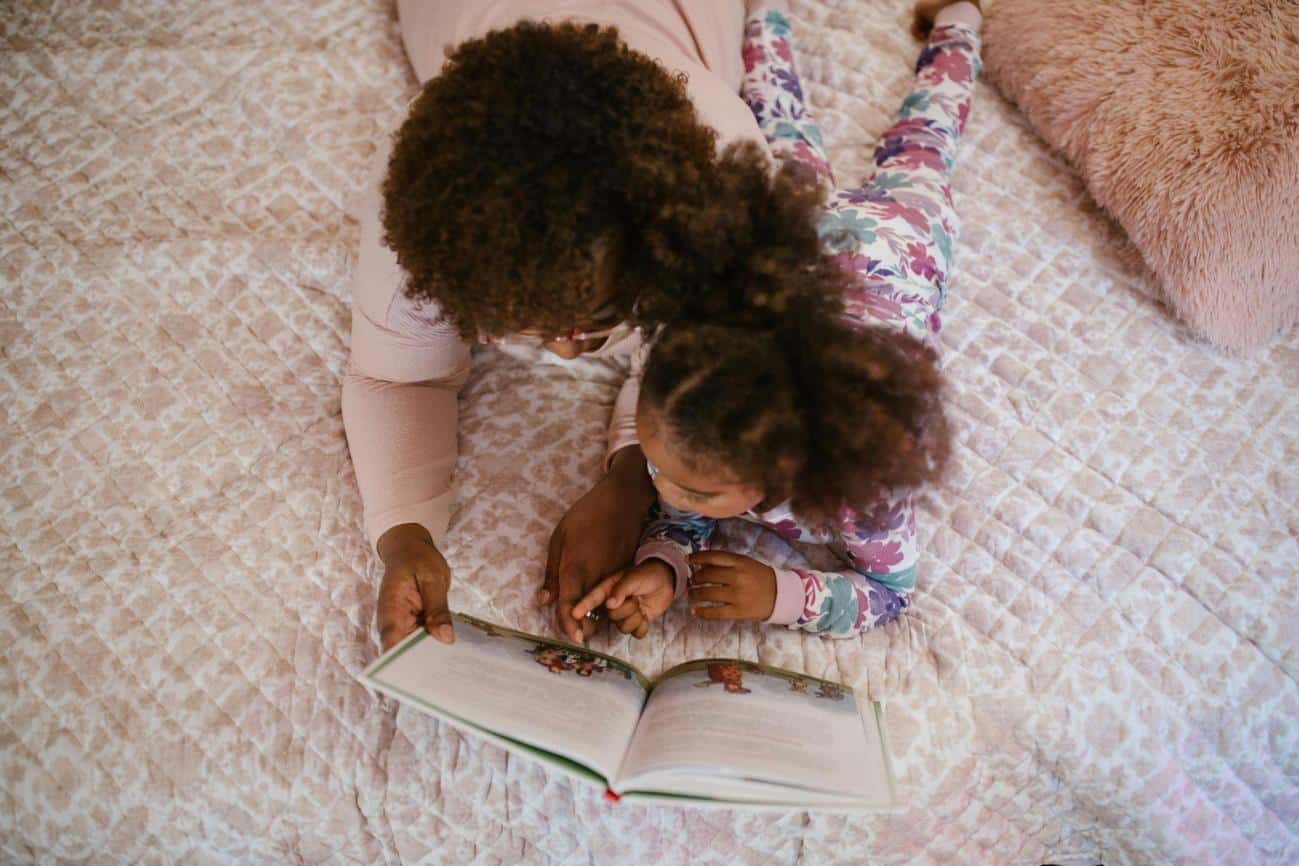
Photo from Pexels: A story shared, a mind growing.
Frequently Asked Quesitons
Fine motor skills in child development refer to small, precise movements made with hands and fingers that help children manipulate objects and perform daily tasks. They’re foundational for independence, learning, and self-esteem, and important skills like writing, dressing, and playing.
Fine motor skills involve coordinated movements of small muscles like hands and fingers. Gross motor skills involve larger, sweeping movements using big muscle groups like in the arms and legs.
Parents can support fine motor skills development by offering daily opportunities for play-based practice, such as drawing, threading, or stacking. At Shichida Australia, fine motor skills development is strengthened through fun, hands-on activities that are part of each holistic early learning class for babies, toddlers and preschoolers.