
Fine Motor Activities for Toddlers: Fun Proven Exercises
Spending time doing simple exercises with your toddler may seem like just fun and games – but these moments are more powerful than they look. Beyond memories you’ll create, these activities help build a strong foundation for your child’s early development.
Not sure where to begin? This blog has you covered. Discover some of the best fine motor activities for toddlers, explore expert-backed tips and benefits, and gain helpful developmental insights to support your child every step of the way.
What Are Fine Motor Skills?
A child’s simple actions – like picking up an object, brushing their teeth, or clapping their hands – are all examples of fine motor skills. By definition, fine motor skills involve small, precise movements using the muscles in a toddler’s hands, fingers, feet and toes.
While these tasks may seem simple, they play a vital role in early development. Fine motor activities help improve muscle coordination, finger strength, and overall toddler dexterity, making everyday tasks like eating, writing and handling small objects much easier.
Importance of Developing Fine Motor Skills Early
Many educators include fine motor activities for toddlers as part of their daily routines to support overall development. If you want to ensure your children’s overall development and give them a strong foundation they can use, then focusing on their fine motor development earlier is the way to go.
It plays a crucial role in their development. For starters, toddler fine motor skills can help in their learning as it can enhance their problem-solving, concentration, and focus in activities like puzzles and stacking cups or blocks.
As they get older, the skills that they learn can lay a strong foundation for writing, drawing, and other classroom activities helping them to become more active academically. Which in turn, can boost their confidence along the way.
Developmental Milestones for Toddlers
To give your child the right fine motor activities, it’s important to understand where they are in their developmental milestones journey.
Here’s a helpful overview of typical developmental milestones by age – what to expect, and how progress may vary from one child to another.
Ages 12-18 Months
Between 12 and 18 months, toddlers begin developing fine motor skills through simple actions like grasping small objects, scribbling, and self-feeding with their fingers. As they grow more curious and independent, you might notice them stacking blocks, turning knobs, flipping through pages, or attempting to use a spoon or drink from a cup.
This stage can be a little messy – but that’s okay! These little moments are important for building coordination, hand control and independence. You may also see them standing up without holding onto anything, showing growing confidence in both gross and fine motor strength.
Ages 18-24 Months
During this developmental stage, toddlers often show noticeable improvement in their fine motor skills, especially in hand-eye coordination. Many can now stack blocks with better balance and control, turning simple play into learning.
At this age, fine motor activities for toddlers should be simple, engaging, and encourage repeated use of the fingers and hands. At mealtimes, you may see them feeding themselves using forks and spoons with greater accuracy. While these may seem like small wins, they’re actually key steps in building independence and confidence in everyday tasks.
Ages 2-3 Years
Between ages 2 and 3, toddlers go through big leaps in development – gaining new skills in language, thinking, and movement.
Parents can easily set up fine motor activities for toddlers at home using everyday items like pegs, playdough, or stickers. Their hand strength and coordination continue to improve, helping them take on preschool readiness activities like using scissors or buttoning clothes.
These skills not only build independence but also boost your child’s confidence as they become more capable of doing things on their own.
Top Fine Motor Activities for Toddlers
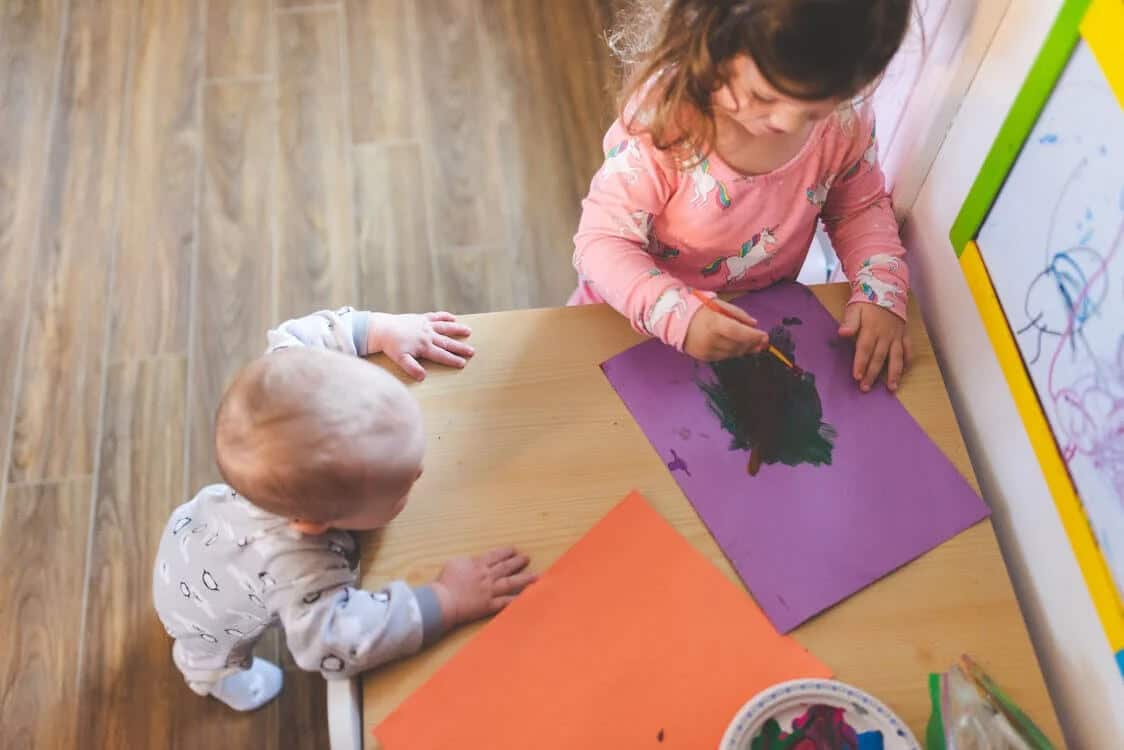
Photo from Pexels: Painting is one of many creative fine motor activities for toddlers that supports hand strength, control, and early artistic expression.
If you’re looking for fun and practical ways to improve your toddler’s fine motor skills, the list below is a great place to start.
Sensory-Based Activities
As a parent, it’s important to choose activities that engage your little one’s senses – touch, smell, hearing and even taste – and sensory play is a great way to do just that.
Simple activities like squishing playdough or finger painting help strengthen their little fingers while letting them create their own mini masterpiece.
Sensory bins are another excellent option. Just fill a shallow container with dry rice or pasta, and include scoops or cups for pouring and grabbing. Whatever you choose, make sure to use non-toxic, washable materials that are safe for curious little hands.
Manipulative Toys and Games
Another fun and effective toddler developmental activity is using manipulative toys and games. Simple educational toys like puzzles and building blocks encourage little hands to practice picking up and placing pieces, helping to build hand-eye coordination and problem-solving skills.
Pegboards, where children place pegs into small holes, are especially helpful for improving precision and grip. These games are not only engaging but also incredibly beneficial – just remember to choose age-appropriate materials from trusted stores and avoid any choking hazards.
Everyday Household Activities
Fine motor activities for toddlers play a crucial role in helping little hands develop strength, control, and coordination. When it comes to choosing a toddler developmental activity, you don’t need expensive toys – your home is already full of fun and learning opportunities!
For example, let your child sort spoons and forks from the drawer or transfer cotton balls or dry pasta using tongs. These simple tasks are great for building hand strength and coordination.
You can also offer string and large beads (or uncooked pasta) for threading – an easy and fun way to boost focus and finger control. Just be sure to check for any loose or broken parts, and always keep cleaning products or small choking hazards well out of reach.
Expert Tips for Enhancing Fine Motor Skills
Understanding what fine motor skills are is just the beginning. It’s also important to incorporate fine motor activities for toddlers, naturally into your child’s daily routine – in ways they’ll enjoy and look forward to.
Here are some expert tips you can try:
- Know the developmental timeline so you can choose age-appropriate activities and set realistic expectations.
- Let your child explore freely, and don’t force activities they’re not interested in.
- Encourage toddler crafts like drawing, colouring, and simple art projects to strengthen their fingers while nurturing creativity.
- Be patient and supportive, remember that progress takes time.
- Don’t hesitate to seek professional guidance if you notice consistent delays or challenges.
Common Mistakes to Avoid
As parents, we all want the best for our kids – including supporting their development from an early age. However, along the way, some well-meaning actions can unintentionally hold back their progress.
Here are some of the most common mistakes to avoid when choosing fine motor activities for your toddler:
- Pushing skills too early, like expecting a 2-year-old to complete complex puzzles or colour within the lines with precision.
- Choosing unsafe or inappropriate activities that may pose a risk.
- Lacking variety, or focusing too much on just one area – like finger strength – without considering other important skills like coordination, control or creativity.
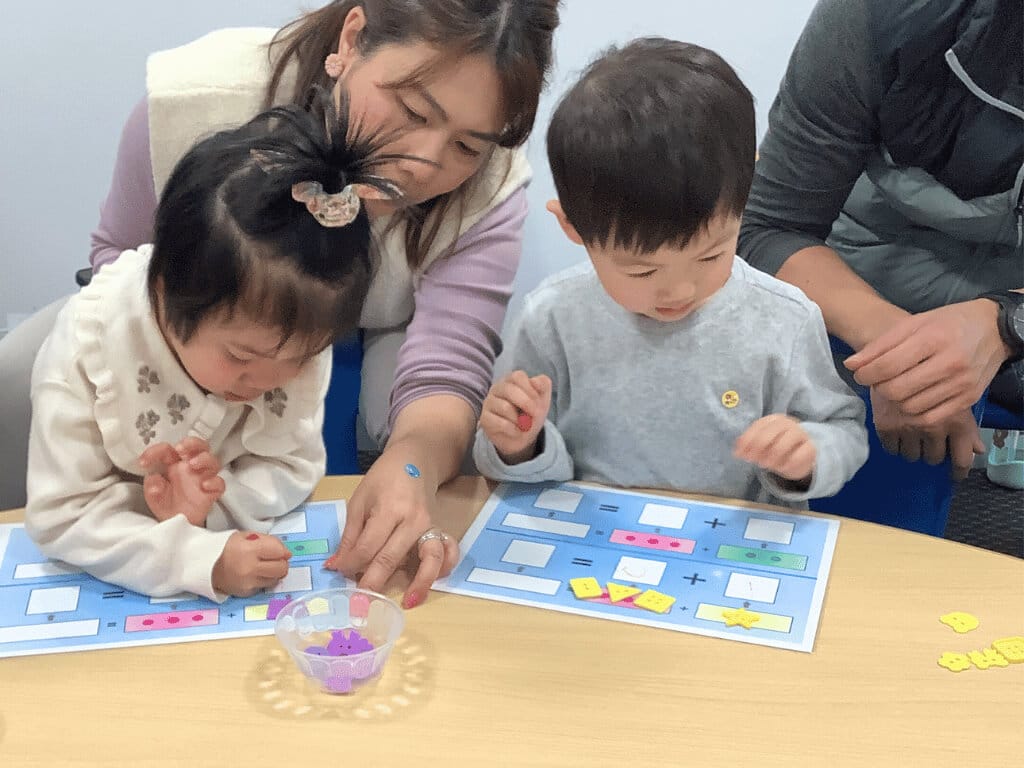
Photo by Shichida Australia: Fine motor activities for toddlers can blend early maths and motor skill development – like this activity where children strengthen their grip while counting and writing numbers.
If you’ve ever wondered how to bring out the best in your little one, come visit Shichida Australia. Our fun, nurturing program supports your child’s development from as early as 6 months – building essential skills like fine motor control, sensory awareness, and brain-body coordination. Book a trial class today!
FAQs
Fine motor development begins around 6 months, when babies start grasping objects and using their fingers to explore. Simple actions like transferring items between hands or using a pincer grip lay the foundation for future skills. By 12 to 18 months, these abilities become more refined and can be supported with activities like stacking, scribbling, and scooping.
Yes! Play is one of the most effective ways for toddlers to develop fine motor skills. Games and hands-on activities help build strength, coordination, and control – all while keeping it fun and engaging.
While fine motor practice can be woven into daily routines, aim for 10 to 15 minutes at a time. Short, focused sessions help toddlers stay interested without feeling overwhelmed.
Some of the most common signs that might indicate fine motor skills delay include stiff arms and legs, frequently dropping things, excessive clumsiness and poor handwriting and scribbling.
Yes! Fine motor skills strengthen finger muscles and hand control, which are essential for writing. Early activities like drawing, pinching, and grasping prepare children for pencil grip, letter formation and handwriting. They also support cognitive development and learning readiness.
Start with what they enjoy. There are plenty of fine motor activities to choose from – if your child loves colours, try finger painting. If they enjoy building, try blocks or stacking cups. Keep it playful, follow their lead, and celebrate small wins to build confidence.
Common household items like clothespins, cotton balls, plastic straws, rubber bands, small containers and paper are all great for building hand strength, coordination and finger control in a fun, low-cost way.