Fine Motor Activities for Preschoolers: Hands-On Fun
In this blog, you’ll find fun and practical fine motor activities for preschoolers, learn why they matter and how you can get started. Get ready to support your child’s growth – starting today!
Introduction to Fine Motor Skills and Their Importance
When we think about a child’s development, we often picture their first steps or first words. But their growth is also closely linked to fine motor development.
For preschoolers, fine motor skills play a vital role as they undergo an important part of their development. Early support can help spot any delays and ensure they’re reaching key milestones.
From 18 months to the age of 4, you’ll see a variety of their developmental achievements from banging objects together, pushing and pulling, drawing a circle, brushing teeth and the simple act of throwing and catching a ball.
What Are Fine Motor Skills?
Fine motor skills refer to the ability to make small, precise movements using small muscles in the hands, and wrist enabling children to perform everyday tasks in their early childhood development.
Some of the most essential fine motor skills include holding a pencil, turning door knobs, brushing their teeth, buttoning a shirt, drawing, and writing.
Benefits of Developing Fine Motor Skills Early
Focusing on fine motor activities for preschoolers early in life can help them have a strong foundation in their overall growth.
But beyond its physical benefits, fine motor skills activities can help establish your child’s independence at a young age and contribute to positive social implications.
- Hand-eye coordination activities
- Communication skills
- Brain development
- Speech and language
Signs Your Preschooler Needs Fine Motor Development Support
Knowing if something is wrong might be confusing at first. Sometimes a small motor skills delay seems normal until it’s not.
Common Fine Motor Development Delays in Preschoolers
To further understand motor development delays in preschoolers here are the three common challenges they encounter.
- Holding pencils: Children with developmental delays use their whole hand to hold the pencil making it hard to write, draw, and colour.
- Difficulty in buttoning or zipping: Having difficulty with these things can be one of the early signs as it requires coordination and finger strength.
- Trouble using utensils: Having a hard time using a spoon and fork during mealtime can highlight fine motor delays.
When to Consult a Professional
It’s normal for children to move through developmental milestones at their own pace. A few difficulties here and there are part of the process.
However, if your child consistently struggles with daily tasks, has trouble handling small objects, or becomes easily frustrated with fine motor activities, it may be time to seek professional guidance. Talking to an expert can provide clarity, reassurance, and the right support for your child’s needs.
Creative and Fun Fine Motor Activities for Preschoolers

Photo by Pexels: Painting and drawing are classic fine motor activities for preschoolers, helping build hand control, creativity, and coordination.
To make it easier for you to support your child’s fine motor activities while keeping things fun, here are engaging activities for preschoolers from artistic tasks to hands-on games. In this way, they can strengthen their tiny muscles while having a good time!
Art-Based Activities
Beyond being fun and creative, art is also a powerful way to help children build their fine motor skills. Simple activities like drawing, colouring, and cutting out shapes support hand-eye coordination and improve precise hand movements.
Finger painting is a great place to start. Just squeeze a few colours onto a plate and let your child use their fingers to draw shapes and patterns on paper – it’s messy, sensory-rich, and skill-building all in one!
Materials:
- Washable paints
- Large paper
- Apron or old shirt
Play Dough and Clay Activities
The simple act of rolling, pushing, and squishing dough or clay can help your child strengthen their hand muscles. They can sculpt their favorite animals, or simply stamp their small toys in the clay to create a shape. While they’re working those little hands, they’re also exploring their creativity in a hands-on way.
Materials:
- Playdough
- Safe plastic tools for stamping
- Rolling pin
Threading and Beading Exercises
Threading and beading are great fine motor exercises that help develop hand muscles-especially the pincer grip. These activities also support finger coordination, colour recognition, and creativity.
For a simple straw necklace activity, ask your child to thread pieces of straw onto a ribbon, then tie it securely when finished.
Materials:
- Tape
- Scissors
- Straw (cut into small pieces)
- Ribbon
Building and Stacking Activities
Building and stacking are great ways to enhance your child’s motor planning and problem-solving skills! They will learn how to balance and arrange objects while also improving their hand-eye coordination.
Try a simple Lego challenge, by asking your child to build a specific shape or follow a printed pattern. This encourages them to think through the process before assembling the pieces, developing critical thinking
Materials:
- Lego set
- Printed patterns
- Plastic container or cup
Sensory Bin Activities
Sensory play activities are an excellent way to build physical skills and teach preschoolers the fun of exploring different textures! For a food-coloured spaghetti sensory bin, simply boil spaghetti in water tinted with food colouring. add tongs, spoons or forks for some slimy scooping fun.
This activity helps develop fine motor skills, while also encouraging problem-solving and imitation.
Materials:
- Spaghetti
- Water
- Food colouring
- Tongs, spoons, and forks
Everyday Household Items as Fine Motor Tools
When it comes to supporting your children’s motor skill games, you don’t have to spend a lot or go out of your way. Many everyday household items can be turned into simple, fun tools to help your child build fine motor strength and coordination. These everyday tools can easily become part of engaging fine motor activities for preschoolers at home.
Kitchen-Based Fine Motor Exercises
You don’t have to look far – your kitchen is full of opportunities for fun and educational fine motor activities.
- Encourage your child to pick up small objects using tongs or kitchen tweezers.
- Let your child use measuring cups or spoons to scoop small ingredients.
- Allow them to stir ingredients in a bow to build coordination and control.
Office Supply Activities
Simple office supplies are great tools for building finger strength, practising grip control, and improving motor coordination.
- Sticker placement: Great for precision and pincer grip.
- Pickup sticks: Encourages focus and steady hand control.
- Ripping or crumpling paper: Helps build hand strength and sensory awareness.
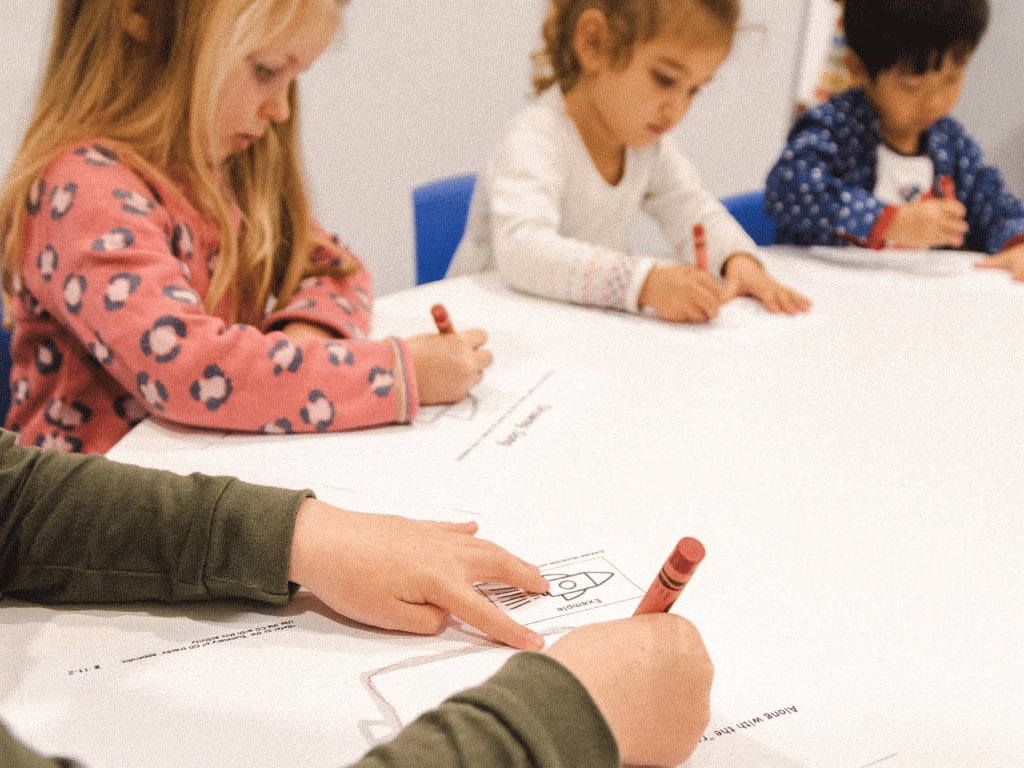
Photo by Shichida Australia: Drawing a rocket while following a guided song is one of many fine motor activities for preschoolers that support pencil control and creative thinking.
Incorporating Fine Motor Activities for Preschoolers into Daily Routines
The good news? Fine motor development doesn’t have to feel like extra work. You can easily weave these skills into your everyday routines – making practice feel simple and fun.
Morning Routine Opportunities
Even at the start of the day, there are plenty of chances to support fine motor development. Simple tasks like brushing teeth, using a spoon or fork during breakfast or getting dressed – zipping up jackets, buttoning shirts or pulling on socks – all offer great practice.
These activities help improve hand and finger strength, coordination and control – without needing any extra setup.
Playtime Opportunities
Playtime is one of the most naturally enjoyable ways for preschoolers to build fine motor skills. Structured activities like puzzles or art projects help improve coordination while also supporting social and emotional development.
Unstructured play – like building with blocks, playing with toys, or exploring sand – gives children the freedom to experiment and discover new things at their own pace.
Bedtime Routine Activities
A calming bedtime routine is a great way to wind down your little one’s day while also teaching them some much-needed skills. Simple tasks like flipping book pages or brushing teeth can double as fine motor activities for preschoolers. Reading a short story together not only supports language development—it also helps create a gentle transition to sleep.
Safety Considerations for Fine Motor Activities
As a parent, supporting your child’s preschool fine motor skills is important – but so is keeping them safe while they learn.
- Always supervise your child during activities to prevent accidents and respond quickly if needed.
- Choose age-appropriate activities that are safe and suitable for their developmental stage.
- Use non-toxic materials and avoid small items that could pose a choking hazard.
Tracking and Encouraging Progress
The process of nurturing your child’s fine motor development through preschool activities is rewarding for any parent. But guiding them isn’t enough – recognising their progress, no matter how small, is just as important.
Here are a few simple ways to keep them motivated and engaged:
- Give regular compliments to boost their confidence
- Be patient and supportive, even when things get tricky
- Let them choose the next activity – they’ll feel more in control
- Offer small rewards, like extra playtime or a favourite healthy snack
- Use a sticker chart to track their progress and celebrate achievements
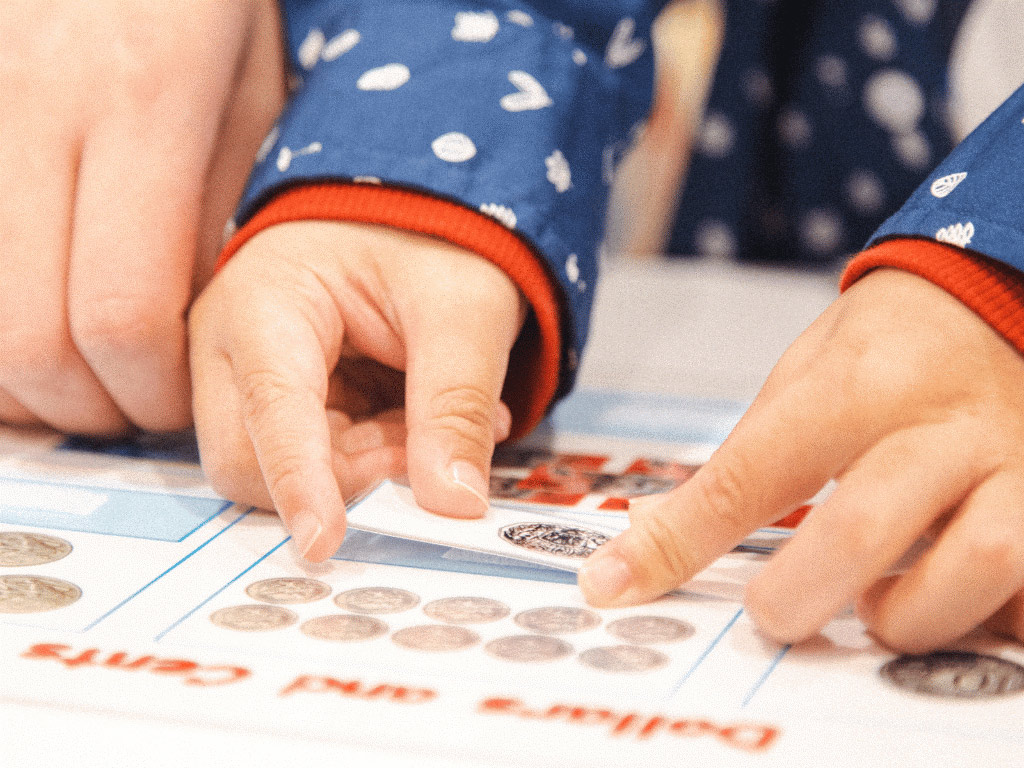
Photo by Shichida Australia: This money-matching task with laminated cutouts and velcro is one of the many hands-on fine motor activities for preschoolers that build coordination and critical thinking.
At Shichida Australia, we believe that learning should feel like play- and that play should build real-world skills. Our hands-on activities are designed to strengthen coordination, creativity and encourage independence. Curious to see what fine motor activities for preschoolers look like in a Shichida class?
Book a trial class now and explore how your child can thrive through play!
FAQs
Fine motor skills start developing from birth. Simple activities like grasping toys or finger play can begin around 6 months, with more focused tasks like drawing or stacking blocks introduced during toddler and preschool years.
Yes! Fine motor activities help a child’s muscle coordination and proper grasp of objects. Some of its examples include finger painting, cutting shapes, lego challenges, and play dough.
The materials needed for fine motor activities depend on the exercise. Some of the best ones include playdough, scissors, clothespins, and art supplies like crayons, pencils, and paintbrushes.
Yes. While these activities can lay a strong foundation for children’s overall development, unfortunately, they come along with certain risks. The most common one is that it could pose a choking or injury hazard if they are left unsupervised with scissors and other small objects.
Fine motor skills can be practised every day through simple daily activities. Just a few minutes at a time is enough – there’s no need to go beyond 30 to 60 minutes total throughout the day.