Essential Early Literacy Skills for Preschoolers
Most parents want to encourage their children to get ahead in learning, as no one wants them to struggle. Developing early literacy skills in preschoolers is possible when you take an active role in their learning journey.
Start by introducing phonemic awareness to help them recognise and play with sounds in words. Support vocabulary development through everyday conversations and by taking advantage of the benefits of reading aloud during shared story time. Build print awareness by pointing out letters and words in books, signs, and labels in a literacy-rich environment. Strengthen narrative skills by encouraging storytelling and discussions. Teaching the alphabetic principle and using early reading strategies will further prepare them for reading success.
Literacy challenges in preschoolers are common, but with patience and consistency, you can help them overcome obstacles. This article explores effective strategies to nurture your child’s early literacy skills.
Introduction to Early Literacy
Early literacy skills form the foundation of a child’s ability to communicate, read, and write. Children establish these skills from birth through everyday interactions such as talking, singing, and reading with them. Strong early literacy skills are vital for academic success and learning later in life. By developing these skills early on, you help your preschooler build confidence, curiosity, and a love for books and language.
Key Components of Early Literacy
Early literacy development is crucial for your child’s reading and writing. This includes phonemic awareness, the alphabetic principle, vocabulary development, print awareness, and narrative skills. These are all important in helping preschoolers to identify words, comprehend language, and express ideas. Playful learning activities reinforce these skills naturally and effectively.
Phonemic Awareness
Phonemic awareness is the ability to hear, identify, and play with the sounds in words. These sounds, or phonemes, are the smallest units of words that distinguish them from each other. Helping your child develop this skill will make learning to read much easier.
Alphabetic Principle
The alphabetic principle is a key component of learning to read. It helps your child understand that letters and letter patterns represent the sounds in spoken language. When they understand this concept, they will be able to start sounding out words, making reading easier and more natural.
You can support them at home by identifying letters and sounds in books, signs, and everyday objects around the house. Phonics instruction builds on this by systematically teaching the relationship between letters and sounds. With practice and patience, your child will grow more confident to read both familiar and new words.
Vocabulary Development
A rich vocabulary helps preschoolers better understand what they read and communicate clearly. You can introduce new words daily by describing objects, actions, and feelings during play and everyday activities. Reading aloud benefits children by exposing them to new words in context – pause to explain unfamiliar terms and encourage your child to ask questions. The more words they hear, the more they learn.
Support your child by chatting with your child throughout the day, adding new words to playtime conversations, and reading a variety of books together. Ask questions, explain meanings, and encourage your child to use new words in conversation. Every word they learn now will help them become a more confident reader later on.
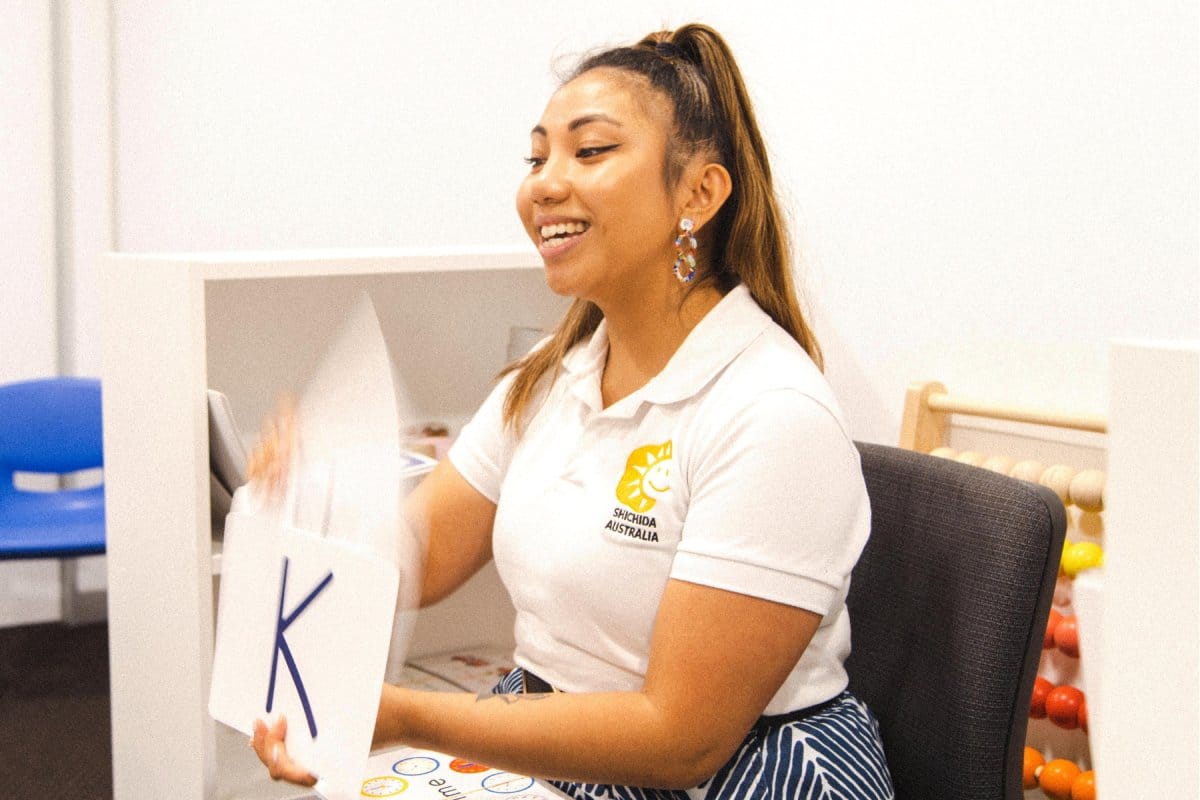
Photo by Shichida Australia: Shichida classes have a strong focus on phonic awareness, using a combination of songs, flashcards and hands-on games and activities.
Print Awareness
Print awareness is your child’s first step toward reading. It involves understanding that words have meaning, knowing how books work, and recognising print in everyday life like store signs and labels.
You can support this by pointing at words as you read, demonstrating how to turn pages, and discussing letters and words seen in your environment. Encourage your child to “read” by making up a story based on pictures in a book. These small interactions help build their understanding that print carries meaning and lay the foundation for strong reading skills.
Narrative Skills
Narrative skills enable your child to comprehend and narrate stories, developing their comprehension and expressive language. You can enhance these skills by encouraging storytelling in daily conversations. Ask your preschooler to tell you about their day, make up stories, or retell their favourite books in their own words.
Strategies to Support Early Literacy at Home
Create a literacy-rich environment by keeping books within reach, labelling household items, and showing them how writing is used in daily life, like making a grocery list. Let them “write” by scribbling notes, drawing story sequences, or helping you fill out a calendar. During playtime, encourage them to make up stories with their toys or act out their favourite books. These small but meaningful activities will help your child develop the skills they need to become a confident reader and writer.
Reading Aloud
Reading aloud assists your preschooler in vocabulary development, enhancing listening skills, and encouraging a love for books. Choose interesting stories with rhythm and repetition. Include multicultural books that introduce various cultures. Make reading an interactive experience by asking questions, using character voices, and encouraging your child to make predictions. These easy techniques make story time fun while supporting early literacy development.

Interactive Play
Play is an excellent way to help your child develop early literacy skills. Try rhyming activities to build awareness of sound patterns or use alphabet puzzles to establish letter recognition. Use puppets or picture cards to develop storytelling and comprehension skills. Even the most mundane tasks, like spotting letters on signs or making a grocery list together, can become fun learning opportunities.
Incorporating Music and Songs
Singing nursery rhymes and songs is a great way to develop your child’s early literacy skills. Repetition and rhythm assist them in hearing and identifying sounds within words, a key step towards reading. Sing familiar songs, create silly rhymes, or clap along to rhythms to reinforce syllables. Action songs combine movement with music, making learning even more engaging and fun!
Creating a Literacy-Rich Environment
Creating a literacy-rich environment encourages your child to develop a love for reading and writing. Leave books in various rooms so they can engage with stories at any time. Label household objects like “door” or “chair” to help them connect words with real-world items. . Provide crayons, markers, and paper for writing and drawing. When literacy is woven into everyday life, learning happens naturally.
Recognising and Addressing Early Literacy Challenges
Each child develops literacy skills at their own pace, but some may require additional assistance. Monitor for early warning signs of struggle, such as difficulty identifying letters or rhyming words. The earlier challenges are addressed, the easier reading and writing will become. Stay engaged, provide encouragement, and seek assistance if necessary. Your involvement is crucial to their progress and success.
Common Signs of Literacy Difficulties
Some preschoolers take longer to develop early literacy skills, and that’s perfectly normal. However, if you notice your child struggling, look out for these signs:
- Difficulty recognising letters or associating them with sounds
- Difficulty learning new vocabulary words or understanding word meanings
- Limited interest in books, stories, or rhyming games
- Difficulty following simple directions or recalling the details of a story
- Difficulty in grasping a pencil or attempting to write letters
If these challenges don’t improve over time, getting a little extra support can make a big difference. You’re not alone, and there are plenty of ways to help your child build strong reading and writing skills.
Seeking Professional Support
As a parent, you want the best for your child, so if you’re worried about your child’s literacy development, don’t hesitate to reach out for help.
Discuss what you see with their preschool teacher or pediatrician. A professional, such as a speech therapist, can assess their abilities and provide useful ideas for strategies. Many communities offer free or low-cost literacy programs that can provide valuable support. Check your public library, school, or trusted parenting resources for guidance.
Conclusion
Helping your preschooler develop early literacy skills builds a strong foundation for reading and writing. Encourage phonemic awareness through rhyming, expand vocabulary with conversations and reading aloud, and strengthen print awareness by pointing out words in daily life. Create a literacy-rich environment and encourage storytelling. Stay engaged, be patient, and seek support if needed. Your active involvement makes all the difference.
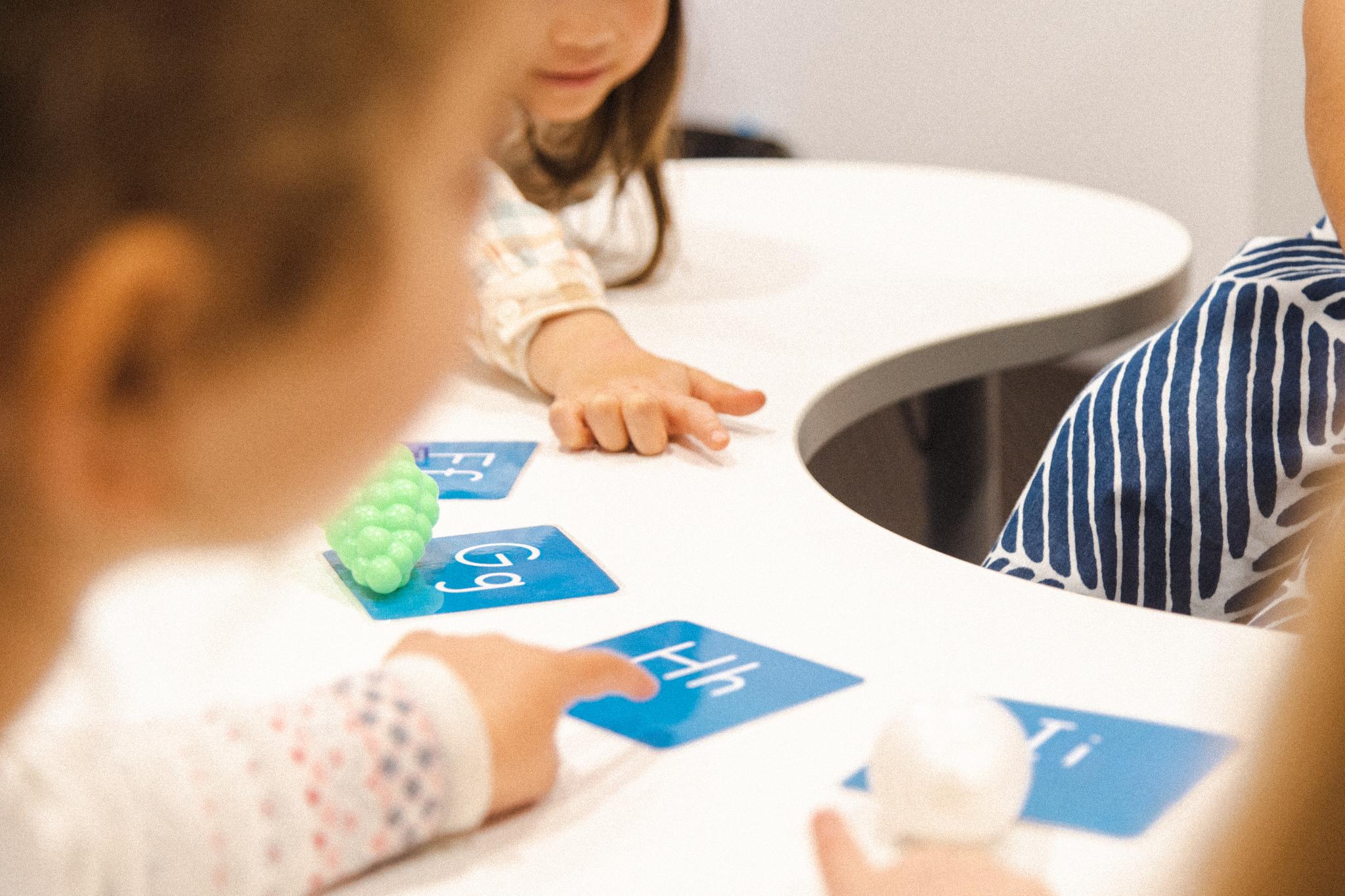
Photo by Shichida Australia: Children play fun literacy games with a strong focus on phonics in every Shichida class.
Get your kids excited about learning. Partner with Shichida Australia and watch them grow into a confident reader and communicator. Book a trial class at a Shichida early learning centre today!
FAQs
Start from birth! Babies benefit from hearing your voice, and early exposure builds a love for books and language.
Aim for at least 15–20 minutes a day. Reading, singing, and playful language activities all count!
Make reading fun – use silly voices, interactive books, or let them choose stories. Keep books accessible and try different topics to spark their curiosity.
Yes, if used in moderation. Choose high-quality, interactive apps or online programs that encourage storytelling, letter recognition, and vocabulary growth.
Pick colourful, engaging books with simple text, repetition, and interactive elements. Look for stories that match their interests and encourage participation.