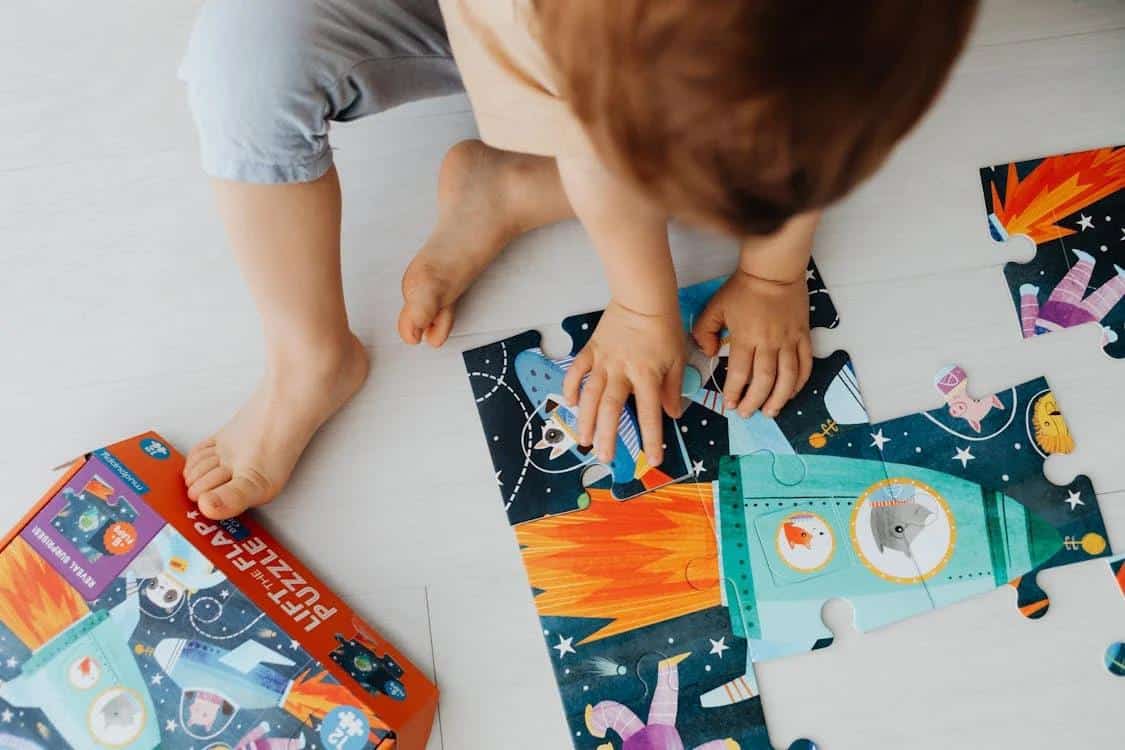

Early Childhood Philosophy: Comparing Educational Philosophies
A Guide to Early Childhood Philosophies
Choosing the right early childhood philosophy is one of the most important decisions parents make when considering their child’s early learning journey. With various approaches available – Montessori, Reggio Emilia, Waldorf, and the Shichida Method – parents have many options to consider. Play-based learning is another popular choice, making it challenging to determine which philosophy best suits a child’s learning style and developmental needs.
Alternative Educational Philosophies
While Montessori, Reggio Emilia, and Waldorf are well-known, an approach that is gaining recognition for its holistic, brain-boosting benefits is the Shichida Method. Designed to optimise early learning outcomes, Shichida focuses on memory training, critical thinking, intuition development, and sensory play in a structured and engaging environment.
This article explores various early childhood philosophies, compares their benefits, and highlights how Shichida Australia offers a compelling alternative for parents seeking a research-backed, whole-brain learning approach.
What Are Early Childhood Education Philosophies?
Early childhood education philosophies define how children learn, interact with their environment, and acquire foundational skills. Some methods focus on child-led exploration and play-based learning, while others emphasise structure, cognitive skill-building, or creativity.
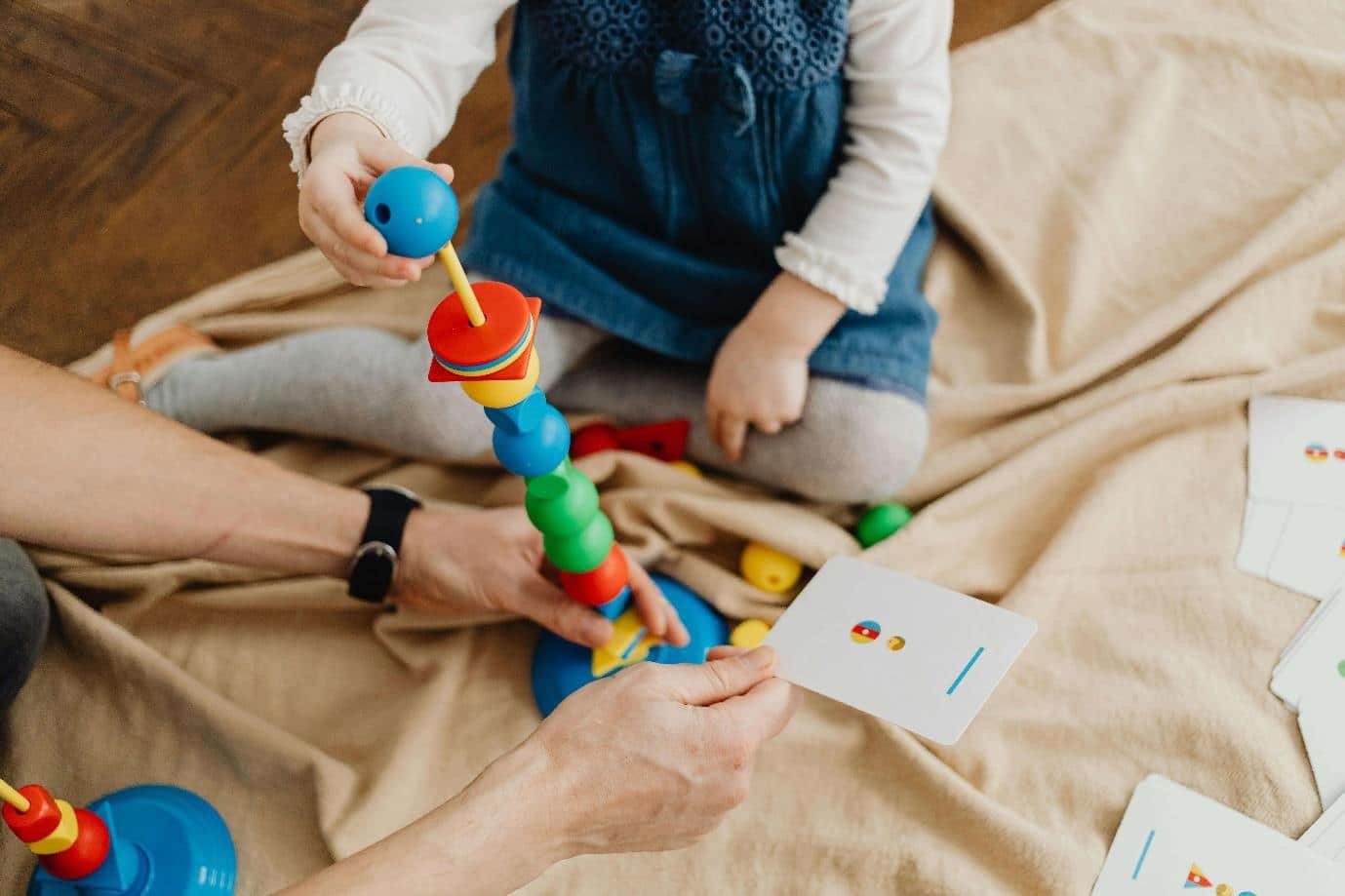
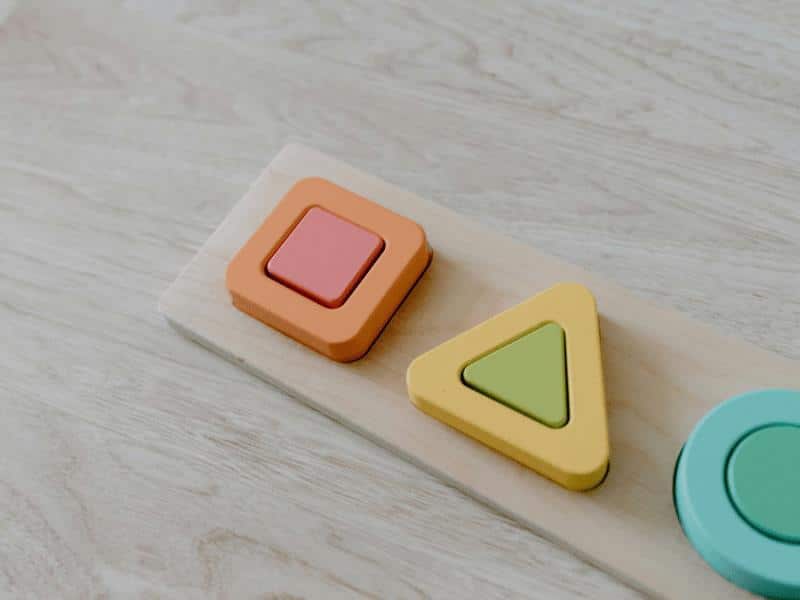
Photo from Pexels: Hands-on shape puzzles like this reflect key principles found across early childhood philosophy – encouraging exploration, problem-solving, and active learning.
Understanding these philosophies allows parents to make informed decisions about their child’s education, ensuring the chosen approach aligns with family values and the child’s unique learning style.
Early Childhood Education Philosophies
Montessori Education
Core Principles:
- Self-directed learning with minimal adult intervention.
- Hands-on, tactile learning materials designed to encourage independence.
- A structured yet flexible environment that allows children to work at their own pace.
Best for:
- Children who thrive with independence and structured, hands-on activities.
- Families who prefer real-world skill-building over structured academics in early years learning.
Reggio Emilia Approach
Core Principles:
- Child-led, project-based learning.
- Emphasis on creativity, exploration, and expressive arts.
- Teachers act as co-learners, guiding rather than instructing.
Best for:
- Children who enjoy collaborative learning and creative expression.
- Parents who prefer a flexible, open-ended learning style.
Waldorf (Steiner) Education
Core Principles:
- Storytelling, nature-based learning, and imagination-focused play.
- Delayed introduction to academics, focusing instead on holistic development.
- Limited use of technology in early years.
Best for:
- Families who value creativity, rhythm, and nature-based learning.
- Children who flourish in a predictable, artistic environment.
Play-Based Learning
Core Principles:
- Learning through exploration, role-playing, and free play.
- Focuses on emotional literacy, problem-solving, and social development.
- Aligned with Australia’s Early Years Learning Framework (EYLF).
Best for:
- Children who learn best through movement and interaction.
- Parents who prioritise emotional and social learning over structured academics

Photo by Shichida Australia: Shichida is well known for its use of high-speed flashcards, educational songs, memory activities, and sensory games – core elements of its unique early childhood philosophy.
The Shichida Method
Core Principles:
- A structured, research-backed program designed to maximise cognitive development.
- Whole-brain learning, enhancing both logical (left-brain) and creative (right-brain) functions.
- Memory training, intuition development, and problem-solving incorporated into fun, engaging activities.
- Sensory experiences, flashcards, and hands-on learning tailored to early brain development.
How It Compares:
- Unlike Montessori or Reggio Emilia, which focus on child-led learning, Shichida provides structured stimulation designed to unlock potential in the critical early years.
- Similar to play-based learning, Shichida emphasises joyful, engaging activities, but with a strong foundation in cognitive skill-building.
- Shichida Australia offers a nurturing environment where parents play an active role in reinforcing early learning outcomes.
Best for:
- Parents seeking a results-driven, whole-brain early childhood philosophy.
- Children who benefit from structured cognitive training combined with engaging play-based methods.
Comparing Educational Philosophies
Choosing the right early childhood education philosophy can feel overwhelming, with so many options available. Whether you prioritise structured cognitive development, creative play, or social-emotional growth, this comparison chart breaks down key differences to help you decide what suits your child best.
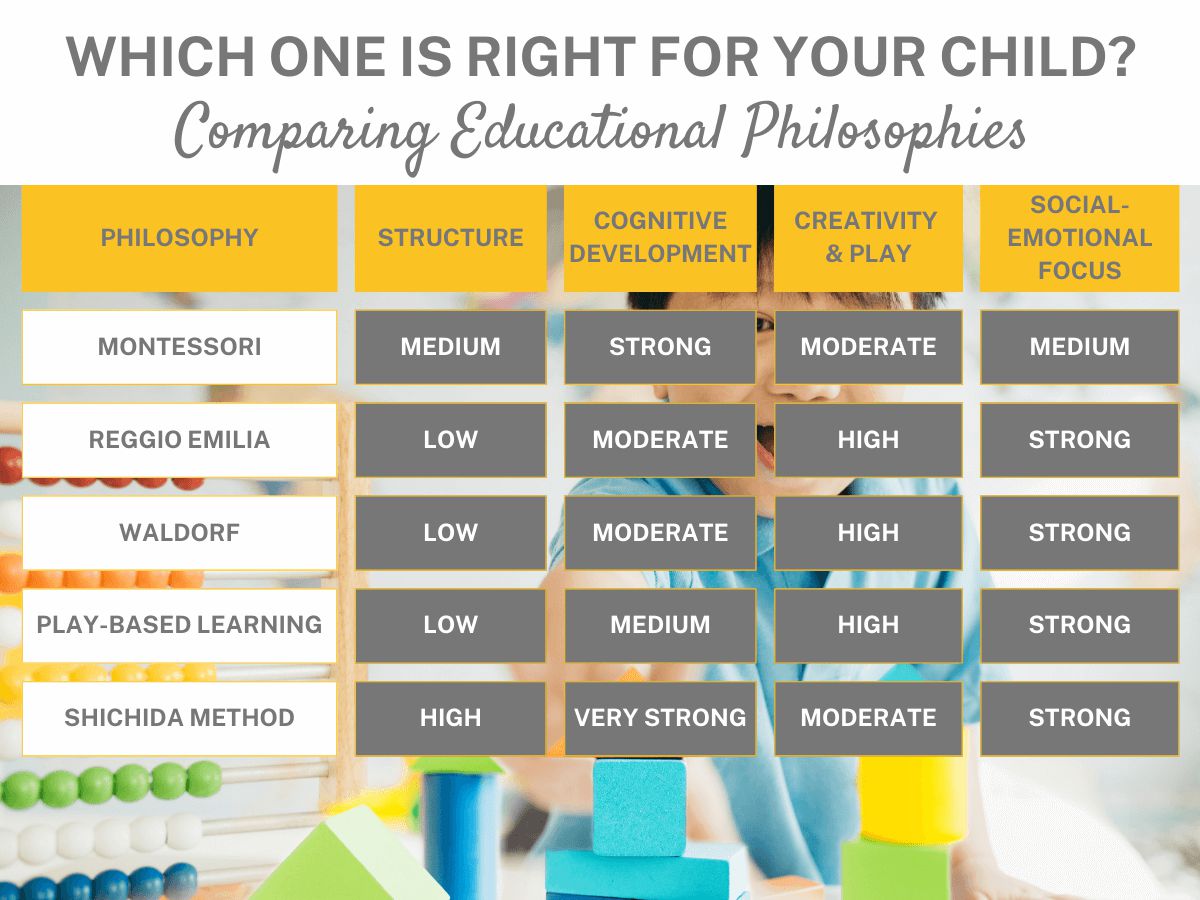
A comparison of alternative Educational Philosophies
How to Choose the Right Early Childhood Philosophy
Understanding Your Child’s Learning Style
- Visual learners benefit from methods like Shichida and Montessori, where visual stimulation is emphasised.
- Auditory learners thrive in Reggio Emilia or Waldorf programs with storytelling and discussion-based learning.
- Kinesthetic learners excel in play-based learning and Shichida’s sensory-rich learning programs.
Considering Family Values and Education Goals
- Parents who value structured, evidence-based learning may lean towards Shichida Australia.
- Families who prioritise creativity and freedom may prefer Reggio Emilia or Waldorf.
- Those looking for a balance between independence and academics may opt for Montessori.
Visiting Schools and Observing Programs
- Attend Open Days or trial classes to see the method in action.
- Observe classrooms to determine if the environment aligns with your expectations.
- Speak with educators and ask about early learning outcomes and parent involvement.
Future Trends in Early Childhood Education
As early childhood education evolves, new trends are shaping learning philosophies:
- Neuroscience-Based Learning: Programs like Shichida are pioneering brain-training techniques to optimise learning potential.
- Emotional Intelligence & Emotional Literacy: Schools are focusing more on social-emotional learning and self-regulation.
- Personalised Learning Paths: Customisable learning approaches are becoming more prevalent, integrating structured and play-based methods.
- Digital Technology Integration: With children growing up in digital contexts, educators are exploring how to use technology meaningfully in early learning. This ECA Statement outlines key principles and guidance.
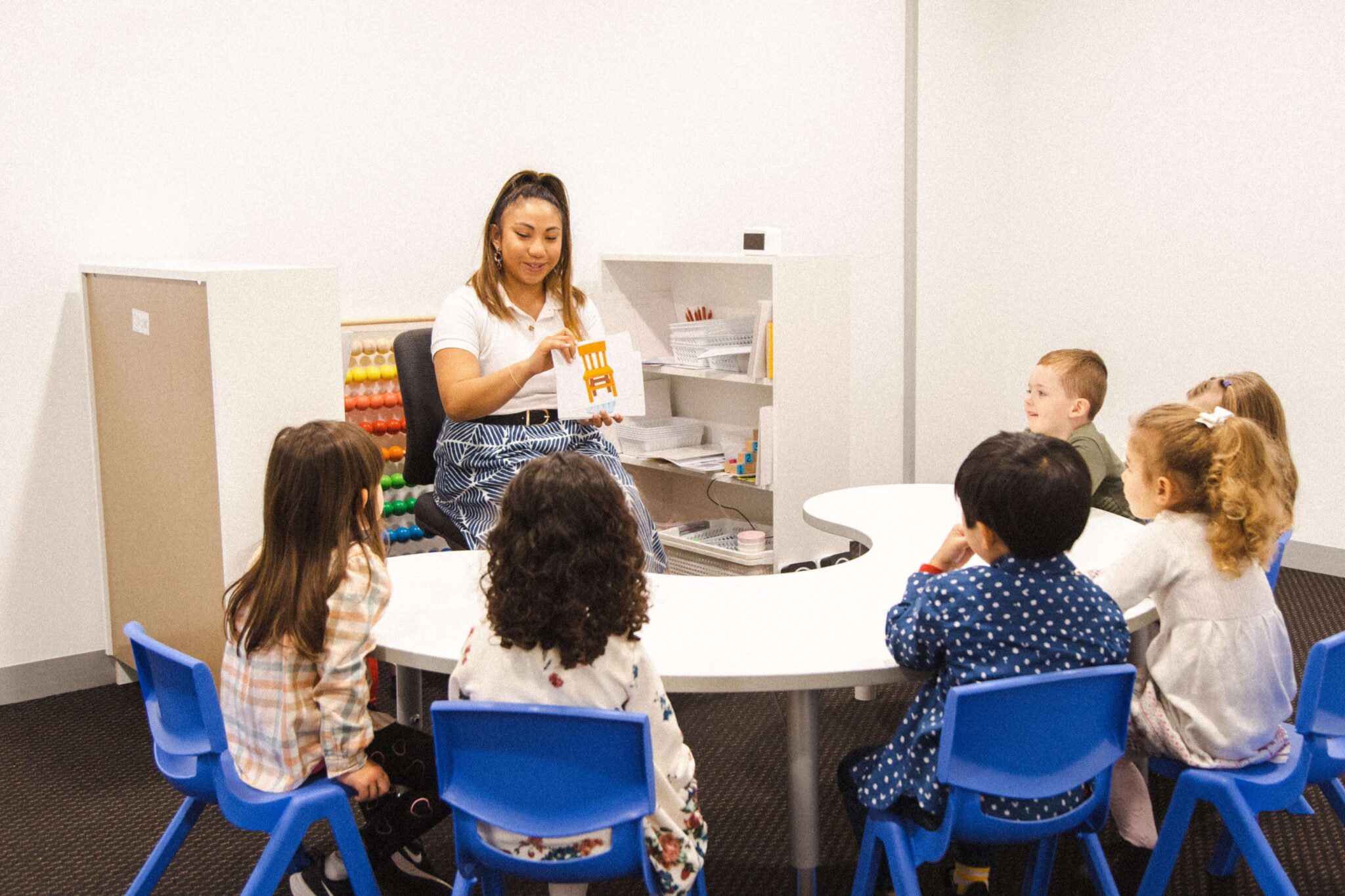
Photo by Shichida Australia: Shichida classes are famous for their popular high-speed flashcards and fun brain training games and activities.
Conclusion
Each early childhood education philosophy offers unique benefits, from Montessori’s independence-driven approach to Reggio Emilia’s creativity-focused learning. The Shichida Method stands out as a research-based, results-driven approach that enhances cognitive abilities, memory, and intuition while maintaining an engaging, sensory-rich learning experience.
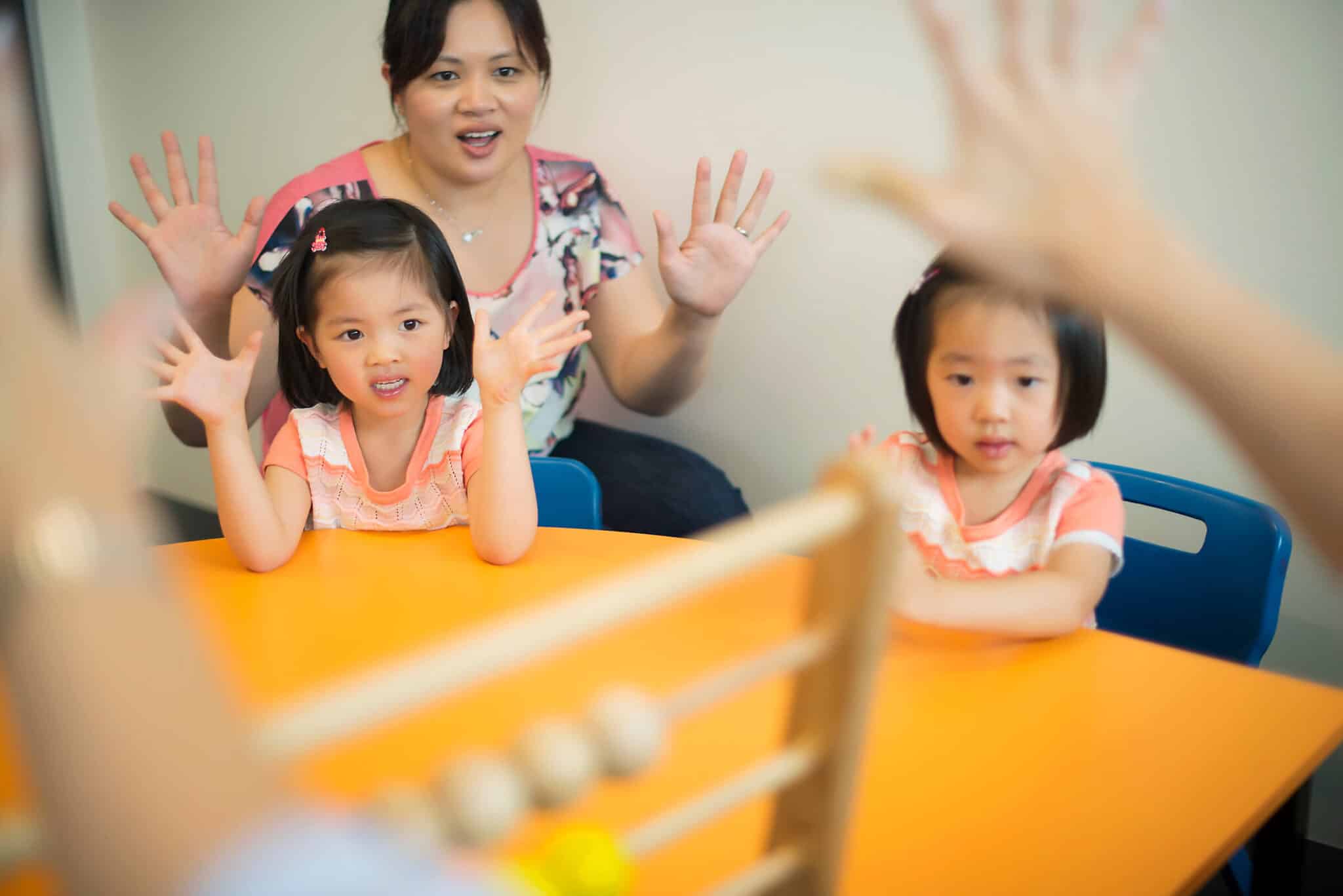
For parents seeking a structured yet joyful learning experience that nurtures their child’s whole-brain development, Shichida Australia offers an outstanding choice in the early years of education. Designed for children from 6 months to 9 years old, the program provides a strong foundation in memory, problem-solving, and creativity. With Melbourne and Sydney locations, enrolment is open until 4 years and 6 months – so don’t miss out!
Experience the Shichida difference by booking a trial class today – you and your child will love it!
FAQs
Shichida is a structured, research-based program that emphasises brain development, whereas Montessori promotes self-directed learning.
Shichida blends structure with creative visualisation, sensory play, and engaging learning techniques.
While both approaches use interactive activities, Shichida focuses more on memory, problem-solving, and whole-brain learning.
Yes, the Shichida Method is rooted in neuroscience and cognitive development principles.
Shichida’s cognitive training makes it ideal for children with high learning potential.
Yes, many parents integrate Shichida with Montessori or play-based learning.
If you want an engaging, research-backed approach that enhances memory, critical thinking, and intuition, Shichida Australia is an excellent choice.