
Curious Kids: How to Nurture Inquisitive Minds
Curiosity is one of childhood’s most powerful tools. It’s that spark that drives kids to pull things apart, ask endless “why” questions, and dream up wild possibilities. And it’s more than a personality trait – it’s the foundation of lifelong learning.
When we talk about curious kids, we’re really talking about children who are actively building their understanding of the world. Nurturing that instinct from an early age is one of the most effective ways to help children grow into confident, capable learners – both inside and outside the classroom.
Let’s explore the benefits of curiosity in kids and simple, intentional ways to encourage curiosity through everyday interactions and learning environments.
What is Curiosity?
Children’s curiosity is more than just asking “why?”- it’s a deep, internal drive to seek out the unknown and find joy in discovery.
While it can show up in different ways, curiosity is generally a blend of two things: the delight in learning something new and the motivation to explore what isn’t yet understood. Some children are naturally drawn to new experiences, while others become curious when they feel safe to question and experiment. At its core, curiosity isn’t just a behaviour – it’s a mindset shaped by both personality and environment, and it plays a key role in how children learn and grow.
Research shows that curious children are more likely to stay engaged in learning, retain information longer, and perform better academically. Children with high levels of curiosity tend to demonstrate stronger problem-solving skills, creativity, and emotional resilience.
And it’s not just what they learn – it’s how they learn. Curious kids are more willing to try, fail, adapt, and try again. That mindset doesn’t just build knowledge – it builds confidence and grit.
The Benefits of Curiosity in Kids
Here are some of the most powerful benefits of curiosity in kids—and why nurturing it early makes all the difference.
1. Improves Learning Outcomes
Curious kids naturally absorb more. When a child is curious about a topic, their brain becomes more active, making it easier to remember and connect new information. A curious brain is a ready-to-learn brain.
2. Builds Critical Thinking Skills
Asking questions – and being encouraged to find answers – helps children learn to analyze, compare, and evaluate. These are the early building blocks of critical thinking, which become essential as they grow.
3. Enhances Creativity
Whether it’s asking “what if” or dreaming up their own worlds, curious children are more likely to think outside the box. Curiosity fuels the imagination, encouraging children to create, innovate, and explore ideas in new ways.
4. Strengthens Emotional Intelligence
When children are curious about others’ feelings or experiences, they develop empathy and perspective. Curiosity leads them to ask questions like, “Why did she feel sad?” or “How would I feel if that happened to me?”
5. Boosts Confidence
When children are encouraged to follow their questions and explore their ideas, they learn that they are capable of discovering new things. This builds a powerful sense of self-belief.
6. Supports Lifelong Learning
Children who enjoy the process of learning – who see it as exciting rather than something to “get through”- are more likely to stay engaged throughout school and beyond. Curiosity helps form that mindset early.
7. Encourages Independent Thinking
Curiosity for kids teaches them to seek answers for themselves. Instead of relying on constant instruction, curious kids feel empowered to investigate, experiment, and learn through their own experiences.
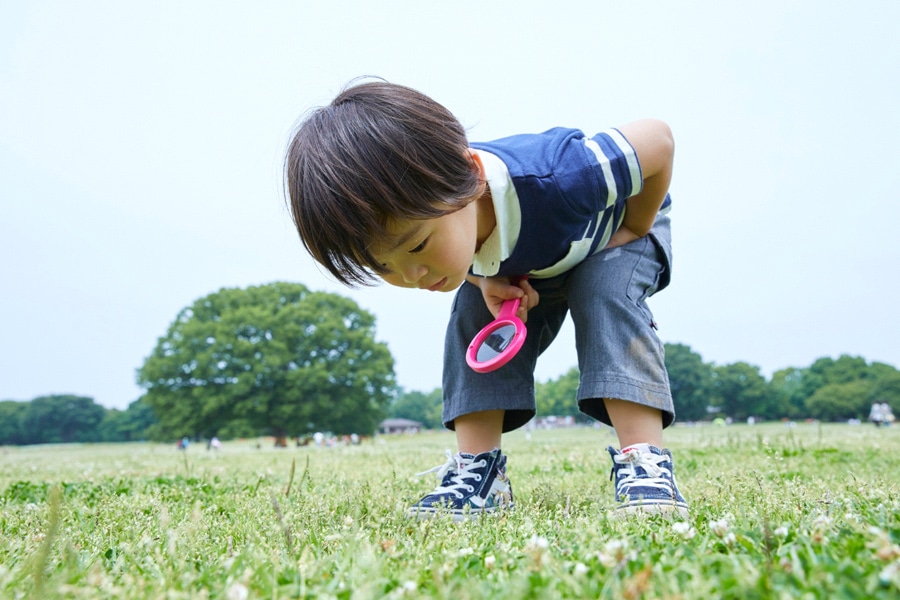
Image from Pexels: Curious kids don’t just walk through life – they bend down, look closer, and ask ‘Why?’
Everyday Ways to Nurture Curiosity at Home
You don’t need fancy science kits or a Pinterest-worthy setup to encourage children’s curiosity. The best tools are time, space, and your own attention. Here are simple, practical ways to make curiosity part of daily life:
Let Them Ask (Lots of) Questions
Encourage your child to ask “why,” “how,” and “what if?” Even if the questions come rapid-fire, show them that their wonder matters. You don’t always need the answer—sometimes, looking it up together is part of the fun.
Say “I Don’t Know” (And Then Explore)
Not knowing something is a beautiful teaching moment. Instead of brushing it off, say, “I’m not sure—let’s figure it out together.” You’ll be modeling lifelong learning and showing that it’s okay not to know everything.
Create an Invitation to Explore
Leave out a few interesting objects or books and let your child investigate. A magnifying glass, an old keyboard to take apart, or a book on volcanoes might be all it takes to spark their imagination.
Encourage Play-Based Learning
Play is how curious kids learn best. Whether it’s building with blocks, pretending to be a vet, or mixing colours with paint, play is filled with exploration and discovery.
Follow Their Lead
If your child shows interest in a particular topic—dinosaurs, bugs, space—go with it. Check out library books, documentaries, or activities that build on their curiosity. These deep dives help children feel seen and supported.
Keep Tools Within Reach
Organise a shelf or drawer with things your child can access on their own—books, drawing materials, puzzles, magnifying glasses, maps, or craft supplies. Having open access encourages self-directed discovery.
Celebrate Curiosity (Not Just “Correct” Answers)
Instead of always praising being right, praise being curious: “That’s such an interesting question!” or “I love how you thought of that.” Reinforce the value of the process, not just the outcome.

Image from Pexels: Curious kids benefit from joint attention moments – when adults respond to what a child is curious about. This interaction builds language skills, social understanding, and cognitive development.
What Gets in the Way of Curiosity?
While curious kids are naturally driven to explore, certain habits and environments can unintentionally dampen that spark. Over-scheduling, too much screen time, or overly structured learning can leave little room for wonder. When children are rushed, corrected too quickly, or not given the freedom to ask questions, they may start to disengage.
Curiosity also shrinks in environments where mistakes are punished or there’s pressure to get the “right” answer. To nurture curiosity, children need time, space, and the reassurance that wondering, experimenting, and even getting things wrong are all part of learning.
Supporting a Curious Mind
Children take their cues from the adults around them. When you show interest in learning, try new things, and model curiosity in your own life, your child sees that wonder is a lifelong trait—not just something for kids.
Try sharing something new you learned or a time you asked a question and found the answer. Invite your child to teach you something they’ve recently discovered. This exchange reinforces the joy of shared learning.
Curiosity in the Shichida Program
At Shichida Australia, we believe that curious children thrive in environments where learning is dynamic, sensory-rich, and emotionally connected.
Our program is built on whole-brain education, blending logic and creativity to support not just what children learn, but how they learn. We encourage curiosity through:
- Hands-on, multi-sensory activities that keep children engaged
- Fast-paced flashcard techniques that stimulate observation and memory
- Play-based problem solving that invites exploration and experimentation
- Parent-child interaction, so learning continues well beyond the classroom
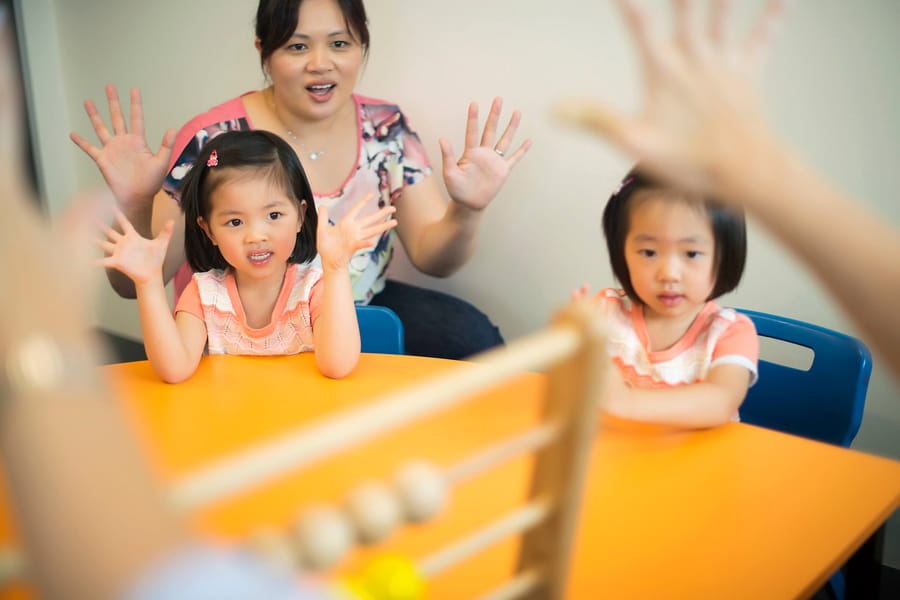
Photo by Shichida Australia: Whether in a Shichida class or at home with SHICHIDA at Home, every session is designed to engage imagination, curiosity and build the foundation for lifelong learning.
Curiosity is the spark that leads to discovery, creativity, and confidence. When we nurture it in our children, we aren’t just preparing them for school – we’re preparing them for a life of asking questions, seeking answers, and finding meaning in the world around them.
In a world that prizes innovation, adaptability, and empathy, curiosity for kids may be one of the most important traits we can encourage.
Ready to support your child’s natural love of learning?
Book a trial class at a Shichida Early Learning Centre today!