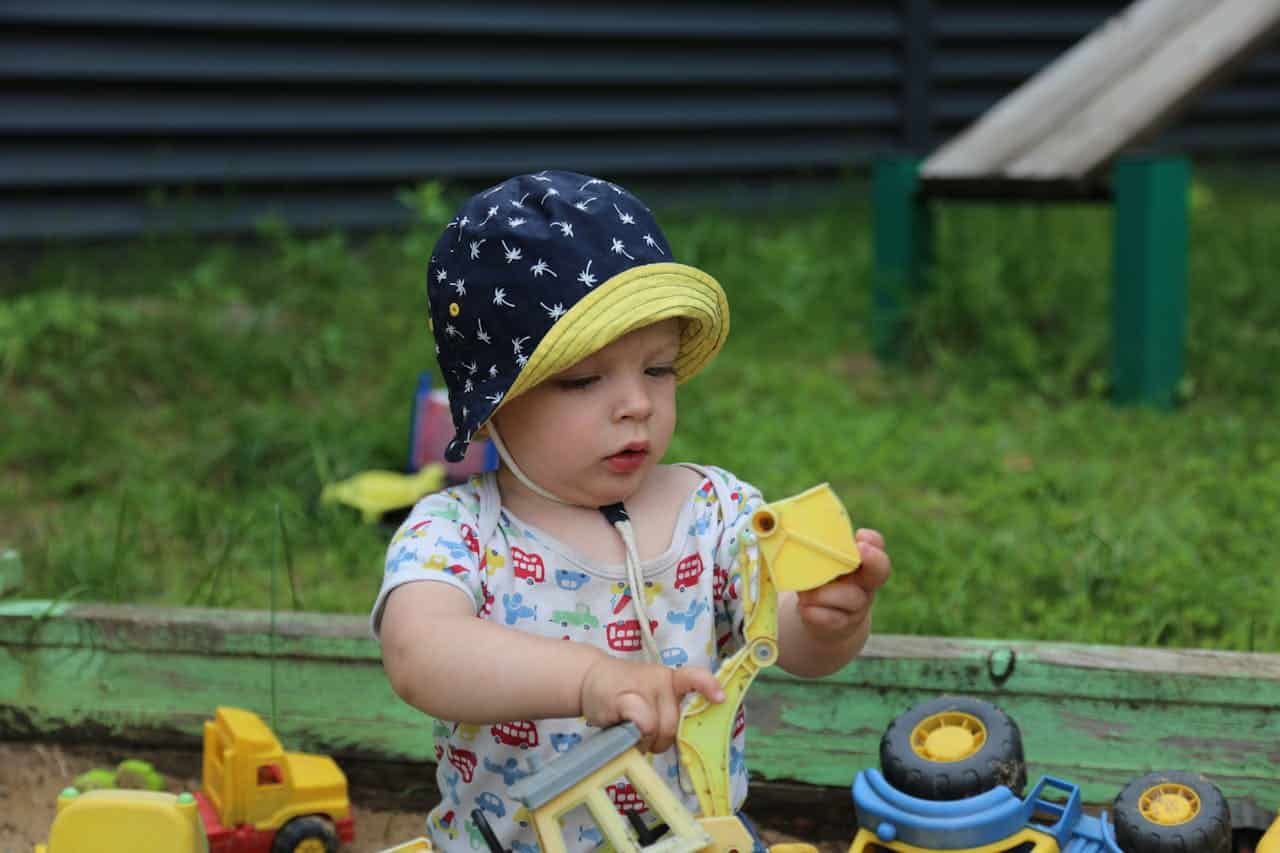

Critical Thinking for Kids: What It Is and How to Build It
Key Takeaways
- Critical Thinking Defined: Critical thinking for kids is the vital ability to question, analyse, and make sense of information, fostering crucial skills beyond memorisation.
- Essential for Growth: Nurturing critical thinking in children can support problem-solving, decision-making, academic success, and social-emotional development.
- Tailored Activities: Engage children with age-appropriate critical thinking activities for kids, from simple cause-and-effect toys for babies to complex puzzles and debates for older kids.
Critical thinking for kids is a fundamental skill that empowers them to navigate an increasingly complex world. From their very first “why?”, children naturally begin to develop this vital ability. It’s all about actively questioning, analysing, and making sense of information, beyond simple memorisation. This guide for parents explores the value of critical thinking in children and offers practical, evidenced-based ways to nurture this essential skill.
What is Critical Thinking for Kids?
Critical thinking for kids is the ability to actively and thoughtfully examine information, ideas, and beliefs rather than simply accepting them. These are the skills that empower children to navigate and understand their world.
- Analysing and Evaluating: Breaking down information, comparing different ideas, and judging their reliability.
- Asking Meaningful Questions: Going beyond “what” to explore “why,” “how,” and “what if.”
- Reasoning and Drawing Conclusions: Using evidence to form logical thoughts and informed decisions.
- Problem-Solving: Identifying challenges and developing effective solutions based on thoughtful consideration.
- Fostering Independence: Cultivating the ability to think for themselves, build resilience, and adapt to new information.
Why Critical Thinking is Important for Children
Critical thinking for children is essential, giving them the ability to navigate challenges, make informed choices, and thrive in all aspects of life. Here’s why nurturing this skill is vital.
- Enhanced Problem-Solving: It helps kids analyse situations and devise effective solutions, improving their ability to overcome challenges.
- Better Decision-Making: Children learn to assess information and weigh options, leading to more thoughtful and responsible choices.
- Increased Creativity: By questioning assumptions and considering multiple perspectives, critical thinking for kids fosters innovative and original ideas.
- Academic Success: This skill is directly linked to a deeper understanding of subjects and improved performance across all areas of learning.
- Social & Emotional Growth: It helps children understand others’ perspectives and resolve conflicts constructively, promoting empathy and positive relationships.
A 2019 survey found that 43% of respondents saw early childhood as the best age to develop critical thinking skills – a significant increase from just 20% in 2018. This growing focus on early childhood critical thinking aligns with a consensus among social scientists and psychologists.
How to Build Critical Thinking Skills in Children
Building critical thinking in children means fostering curiosity to develop skills that will serve them throughout their lives. Here are 5 practical strategies to foster critical thinking.
- Use Open-Ended Questions: Ask questions that require explanation or creative thought, encouraging your child to articulate their thinking.
- Promote Inquiry-Based Learning: Foster curiosity by encouraging your child to ask questions and seek answers through exploration and discussion.
- Encourage Perspective-Taking: Help them understand different viewpoints by discussing how others might think or feel.
- Support Reflection: Encourage your child to reflect on experiences and decisions, considering what went well or what could be done differently.
- Value and Discuss Mistakes: Create a safe space where mistakes are seen as learning opportunities, guiding your child to analyse and adjust their approach.
Critical Thinking Activities for Kids
Engaging your child in specific activities is a fantastic way to gradually build their critical thinking skills as they grow. Here are some age-based games to try with your little one.
Babies (0–12 months)
- Exploratory Play with Textured Objects: Offer varied safe, textured toys. This encourages sensory exploration and early problem-solving as they learn to interact with objects.
- Cause-and-Effect Toys: Use toys that respond to your baby’s actions, like rattles. Babies learn to predict outcomes and understand simple cause-and-effect relationships.
Toddlers (1–3 years)
- Sorting and Matching Games: Ask your toddler to sort objects by colour, size, or shape. This builds early classification and logical reasoning skills.
- Simple Puzzles: Introduce large, chunky puzzles. This enhances problem-solving, pattern recognition, and spatial awareness.
Preschoolers (3–5 years)
- “Mystery Bag” Games: Have your young one feel and guess objects in a bag. This promotes observation, deduction, and logical reasoning.
- Group Storytelling: Start a story and have each child add a sentence. This encourages creativity, perspective-taking, and sequencing ideas.
Early School Age (5–9 years)
- Brainteasers and Riddles: Present age-appropriate puzzles. This stimulates creative thinking, logical reasoning, and problem-solving.
- Decision-Making Tasks: Discuss simple scenarios with pros and cons. This encourages weighing options and making reasoned decisions.
Older Children (9+ years)
- Coding and STEM Projects: Introduce simple coding games or science experiments. This develops logical reasoning, problem decomposition, and debugging.
- Creative Writing and Story Analysis: Encourage writing stories or analysing books. This strengthens inference, perspective-taking, and evidence evaluation.
When to Start Building Critical Thinking Skills
Your child’s critical thinking journey begins surprisingly early, right from infancy, and evolves through childhood and even into their teenage years. Nurturing this vital skill from the start lays a strong foundation for a lifetime of confident learning and smart problem-solving.
- Babies (0–12 months): Even before they can speak, babies develop foundational critical thinking by observing, repeating actions to get reactions, and exploring new objects with curiosity.
- Toddlers (1–3 years): Toddlers actively experiment, showing early critical thinking by sorting objects, understanding simple instructions, and problem-solving through play.
- Preschoolers (3–5 years): Preschoolers ask endless “why” and “how” questions, predicting outcomes and engaging in more complex reasoning and imaginative play.
- Early School Age (5–9 years): Children in early school age strengthen their logical reasoning, following multi-step instructions, making predictions, and solving simple problems.
- Older Children (9+ years): As children grow, their critical thinking becomes sophisticated, allowing for abstract thought, complex problem-solving, and evaluating information for bias.
Common Challenges in Developing Critical Thinking and How to Overcome Them
Fostering critical thinking in children can sometimes present challenges. Here’s how to understand and overcome them.
- Fear of Failure: Children may hesitate to think critically if they worry about being wrong. Create a safe space where mistakes are seen as learning opportunities.
- Reliance on Quick Answers: Kids often seek immediate solutions. Encourage independent problem-solving by letting your child try finding solutions first.
- Lack of Practice: Without consistent opportunities, children struggle to develop strong critical thinking skills. So, integrate regular, varied practice into daily routines.
- Impulse Control: We all know kids can act impulsively. Model critical thinking by verbalising your own thought processes when approaching problems.
- Limited Reflection: Kids may not develop awareness of their own reasoning processes if not encouraged to reflect. Promote self-assessment by asking what went well or what could be done differently.
Ready to Think Differently? Explore Shichida Australia’s Programs
Nurturing critical thinking in children is one of the most valuable investments you can make in their future, empowering them to question, analyse, and innovate. By integrating these simple critical thinking activities for kids into daily life, you’re building a strong foundation for their lifelong success.
At Shichida Australia, our critical thinking programs move beyond traditional education, using strategic games, puzzles, and debates to cultivate curious, well-rounded minds. To see how we can help your child develop their full cognitive potential, book a trial class today.
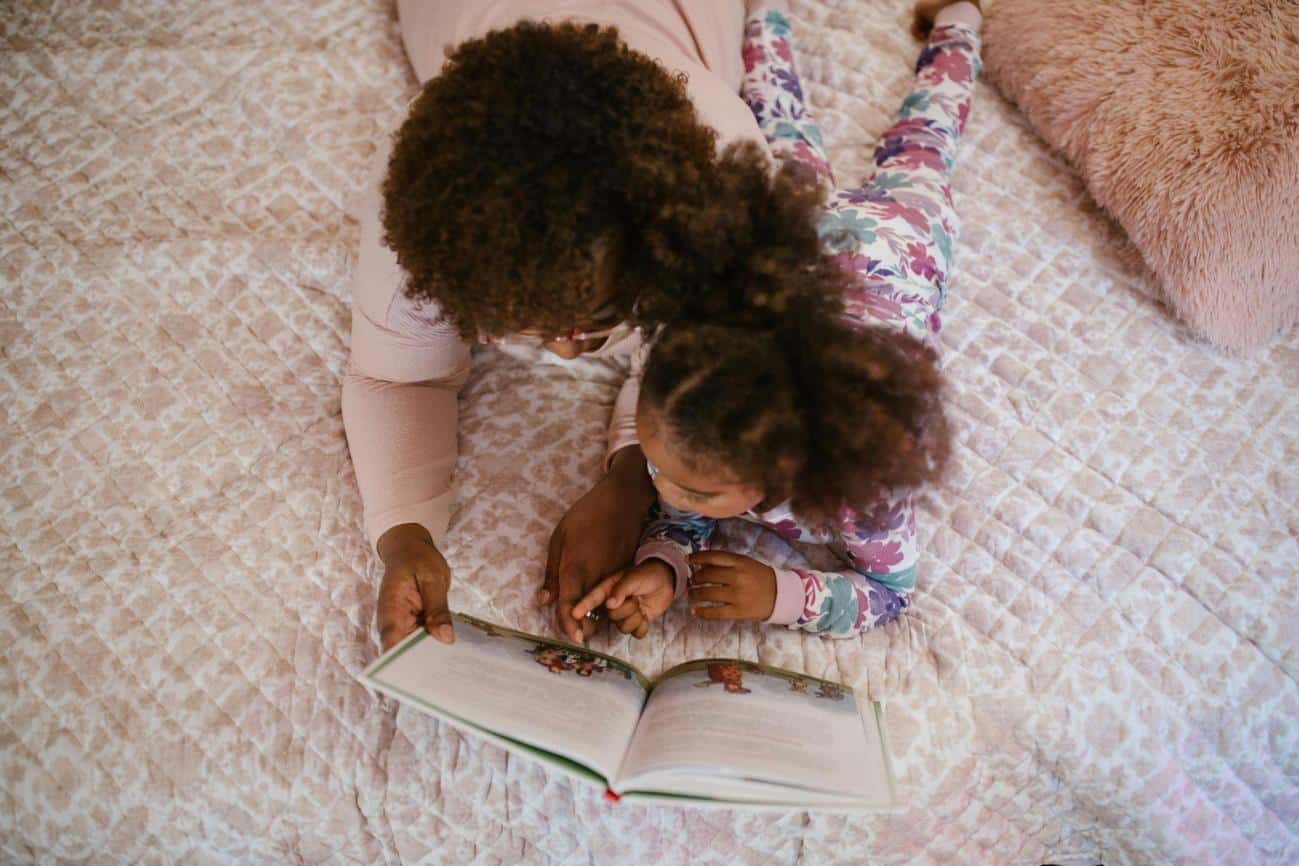
Photo from Pexels: A story shared, a mind growing.
Frequently Asked Quesitons
Parents often ask our educators, what is critical thinking for kids? We define it as the ability for children to actively and thoughtfully examine information, ask meaningful questions, and form reasoned conclusions rather than simply accepting things at face value.
Critical thinking is important for children because it empowers them to analyse situations, make informed decisions, and navigate a complex world. Without it, children may struggle with creativity, problem-solving, and become more susceptible to misinformation.
Encouraging critical thinking in children often starts with asking engaging, open-ended questions that prompt them to think deeply, such as, “What do you think will happen next and why?”, “How else could we solve this problem?”, or “What makes you say that?”
Develop critical thinking in kids by asking open-ended questions, encouraging creativity, and valuing their mistakes. Shichida Australia offers critical thinking programs, with puzzles, 3D tangrams, and logical reasoning games to cultivate a curious mind.