Benefits of Puzzles for Toddlers
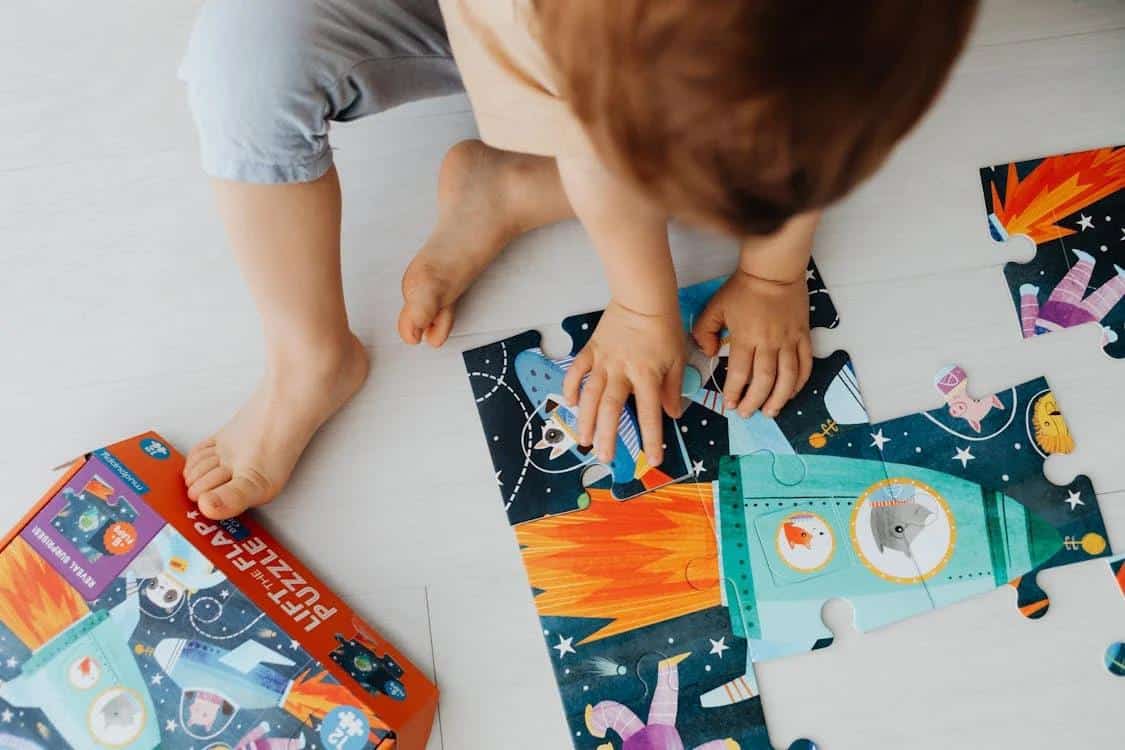
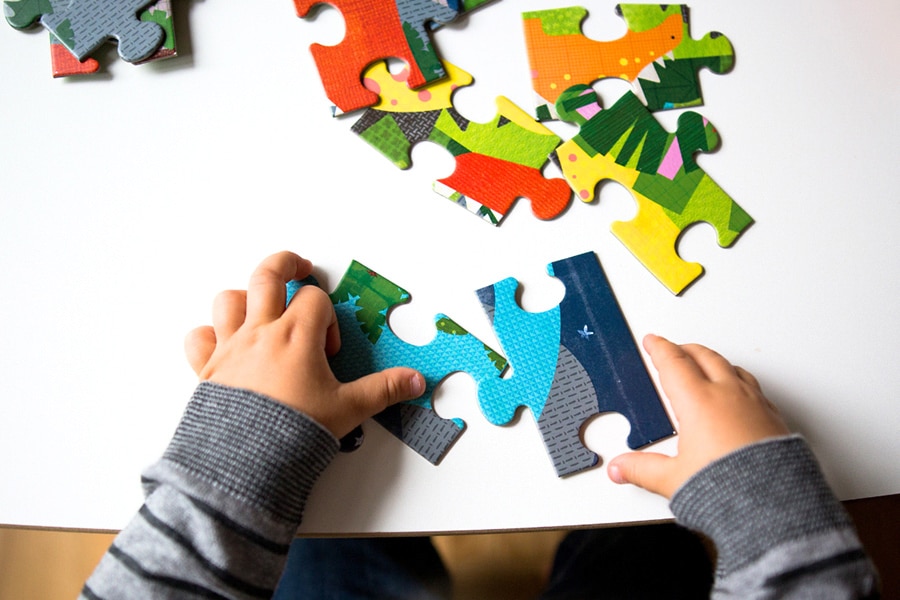
Watching a toddler carefully slotting puzzle pieces together is more than just a sweet sight – it’s a crucial part of their early development. At Shichida, we deeply understand the benefits of puzzles for toddlers, not just as a fun pastime but as tools for building lifelong skills. Below, we uncover the remarkable ways puzzles support your toddler’s growth and why incorporating puzzles into your child’s playtime routine is a powerful parenting choice.
Benefits of Puzzles for Toddlers
At Shichida, our thoughtfully selected puzzles support your child’s early years with enjoyable challenges perfectly suited to their developmental stage.
Key Developmental Benefits of Puzzle Play
1. Spatial Awareness
Research shows puzzles directly engage and enhance spatial reasoning—the ability to understand how different objects relate to each other within a given space. This skill is foundational for tasks such as mathematics, science, art, and even basic daily activities like packing a bag or navigating through rooms. Strong spatial skills in childhood are linked with later academic achievement.
2. Fine Motor Skills
Picking up, manipulating, and precisely placing puzzle pieces significantly enhances your toddler’s fine motor skills. These early motor abilities lay the groundwork for future tasks such as handwriting, buttoning clothes, and using utensils independently. Well-developed fine motor skills encourage independence and self-confidence from a young age.
3. Cognitive Development
Puzzle-solving requires sustained concentration, memory recall, and logical reasoning. These cognitive skills help children understand cause-and-effect relationships, sequences, and patterns, supporting overall brain development. Regular puzzle play is shown to build stronger attention spans and improve memory function.
4. Emotional Resilience
Working on puzzles introduces your child to productive struggle—a healthy challenge that requires patience and persistence. Children learn to manage frustration and disappointment constructively, trying multiple solutions until successful. These experiences promote emotional maturity and resilience, crucial life-long traits.
5. Language Development
Interacting with puzzles helps expand vocabulary as you naturally introduce new words such as “rotate,” “fit,” “edge,” and positional terms like “above,” “below,” and “beside.” These language interactions occur organically through puzzle play, significantly enhancing your child’s early verbal skills and understanding.
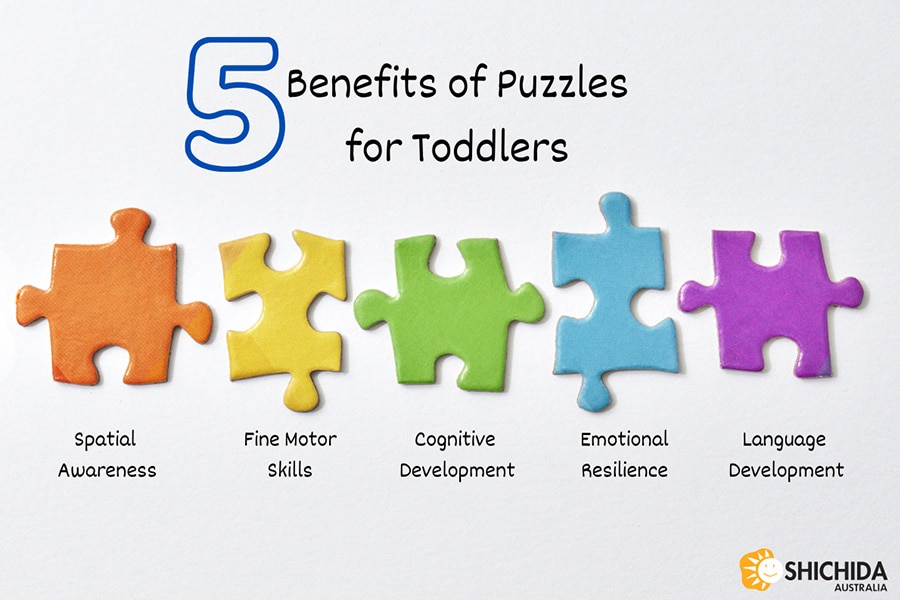
The benefits of puzzles for toddlers include improving spatial awareness, fine motor skills, cognitive development, emotional resilience and language development.
Why Are Puzzles So Effective for Toddlers?
According to research by the University of Chicago (published in Developmental Science, 2012), young children who regularly engage in puzzle play have stronger spatial reasoning abilities. Spatial awareness—the skill of visualising how objects fit together or relate to one another—is a crucial predictor of success in mathematics, science, and even everyday tasks like navigating new environments.
Additionally, puzzles build critical skills like fine motor coordination, problem-solving, patience, and confidence, essential for a child’s early development.
Puzzle Toys for Toddlers: Which is Right for Your Child?
Choosing the right puzzle ensures your toddler reaps maximum developmental benefits. Here’s a closer look at Shichida’s puzzle favourites, carefully tailored for toddlers aged 1–3 years:
1. Shichi Duck Puzzle
Toddlers adore this cheerful puzzle set, featuring friendly duck characters. With six puzzles ranging from easy 6-piece to challenging 15-piece sets, it’s the perfect puzzle collection to grow alongside your child.
Key Developmental Benefits:
- Fine Motor & Coordination: Handling pieces strengthens your child’s tiny finger muscles and enhances hand-eye coordination—a foundation for writing and other everyday tasks.
- Visual & Spatial Awareness: Toddlers intuitively learn how shapes combine to form images, significantly improving their spatial skills.
- Memory & Focus: Recalling where each piece belongs boosts visual memory and improves attention to detail, such as recognising colours and shapes.
- Confidence & Problem-Solving: Each completed puzzle provides a powerful sense of accomplishment, nurturing persistence and problem-solving confidence in young minds.
Explore the Shichi Duck Puzzle
2. Time Shock Puzzle
The Time Shock puzzle combines shape recognition with exciting gameplay. Featuring 15 differently-shaped pieces and a matching puzzle board, your toddler’s goal is to place each shape correctly—first at their own pace, then later racing against the timer as their skills develop.
Key Developmental Benefits:
- Shape Recognition & Matching: Toddlers quickly master shapes, learning to visually match and distinguish differences.
- Enhanced Concentration: The playful challenge of beating the clock encourages quick thinking and improves attention span naturally.
- Problem-Solving & Resilience: Children learn to adapt if a shape doesn’t fit immediately, building perseverance and resilience in a playful, encouraging setting.
- Brain Activation: The excitement and mild pressure activate cognitive functions, improving overall thinking skills and discernment.
3. Cho Cho Ban Tangram Set
This comprehensive puzzle kit grows with your child, featuring 161 progressive tangram challenges ranging from simple two-piece puzzles for young toddlers to intricate seven-piece puzzles for older kids. Cho Cho Ban invites creativity, encouraging children to invent their own designs beyond the suggested challenges.
Key Developmental Benefits:
- Critical Thinking: Toddlers naturally enhance problem-solving abilities as they experiment to find correct placements.
- Fine Motor & Dexterity: Soft, chunky pieces are perfect for small hands, improving fine motor control and coordination.
- Spatial Intelligence: Tangrams teach children the foundational concepts of geometry and spatial reasoning in an enjoyable format.
- Gradual Learning Curve: The incremental puzzle difficulty ensures tasks remain manageable, boosting confidence without frustration.
- Safe, Independent Play: Soft materials and thoughtful design encourage independent play, supporting creativity and self-confidence.
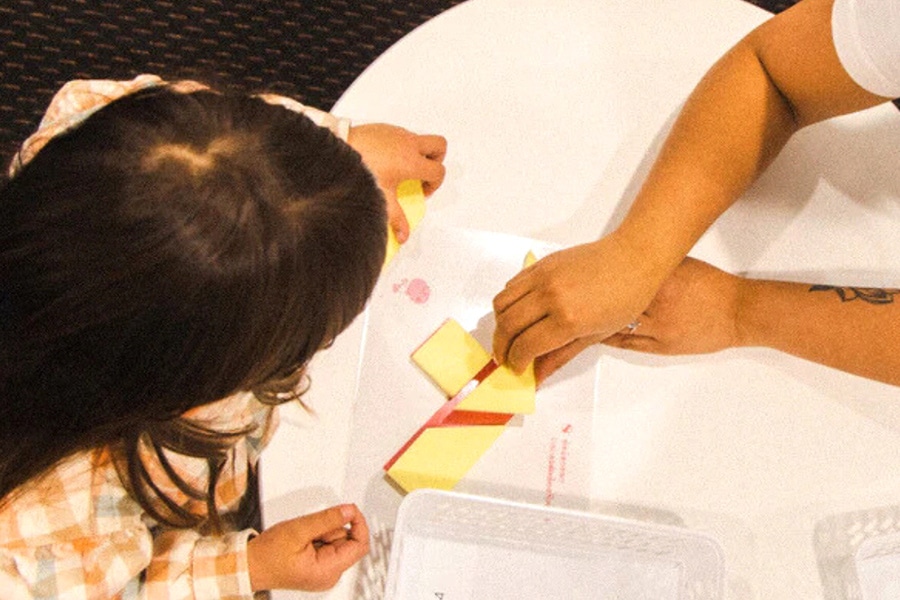
The Cho Cho Ban Tangram Set from Shichida supports the benefits of puzzles for toddlers by strengthening spatial reasoning, problem-solving, and fine motor skills through hands-on play.
4. Tutor Systems Set
The Tutor Systems Set combines puzzle-solving with interactive learning through a clever, self-correcting board and eight engaging activity textbooks covering shapes, pictures, letters, numbers, and patterns. Each solved puzzle reveals a fun, rewarding visual surprise, capturing toddlers’ imaginations and enthusiasm for learning.
Key Developmental Benefits:
- Cognitive & Logical Skills: Toddlers develop critical thinking through fun challenges, discovering patterns, sequences, and logical reasoning.
- Early Numeracy & Literacy: Activities introduce toddlers naturally to early math concepts (quantities, ordering) and literacy skills (picture and shape recognition).
- Confidence-Building: Incremental puzzles help toddlers experience consistent successes, building self-esteem and motivation to tackle progressively challenging tasks.
- Self-Correction & Autonomy: The self-checking feature encourages toddlers to independently verify answers, promoting independence and responsibility.
- Engagement & Fine Motor Development: Handling tokens and interacting with puzzle boards boosts precision, coordination, and sustained attention through playful interaction.
Discover the Tutor Systems Set
Practical Tips for Making the Most of Puzzle Playtime
Start Simple and Gradually Increase Complexity
Begin with simple, fewer-piece puzzles to build your child’s confidence. As their skills and patience grow, gradually introduce puzzles with more complexity and pieces.
Encourage Independent Play
Allow your child to attempt puzzles independently to build their problem-solving confidence. Offer gentle guidance only when needed, ensuring your toddler experiences the rewarding feeling of achieving success on their own.
Choose Age-Appropriate Puzzles
Selecting puzzles designed specifically for your child’s developmental stage ensures they’re challenged without becoming frustrated. Carefully designed puzzles, like those at Shichida, offer incremental difficulty, guiding your child smoothly through each stage of development.
Keep Puzzle Play Sessions Short and Frequent
Toddlers benefit from brief, frequent puzzle sessions rather than long, infrequent sessions. Short sessions prevent fatigue and frustration, keeping puzzles exciting and engaging.
Celebrate the Process, Not Just the Result
Praise your child’s effort and perseverance, not only their completed puzzle. Highlighting their determination reinforces positive learning attitudes and motivates continued exploration.
Common Puzzle-Related Challenges and How to Overcome Them
Your Toddler Loses Interest Quickly
Switch puzzle themes or offer a different puzzle type to renew their interest. Rotate puzzles regularly to maintain novelty and excitement.
Your Child Becomes Easily Frustrated
Step back to a simpler puzzle or gently suggest strategies without solving it for them. This encourages independence and resilience.
The Puzzle is Too Easy
When puzzles become easy, it’s time to introduce more challenging versions. Gradually moving to puzzles with increased difficulty sustains engagement and continues developmental growth.
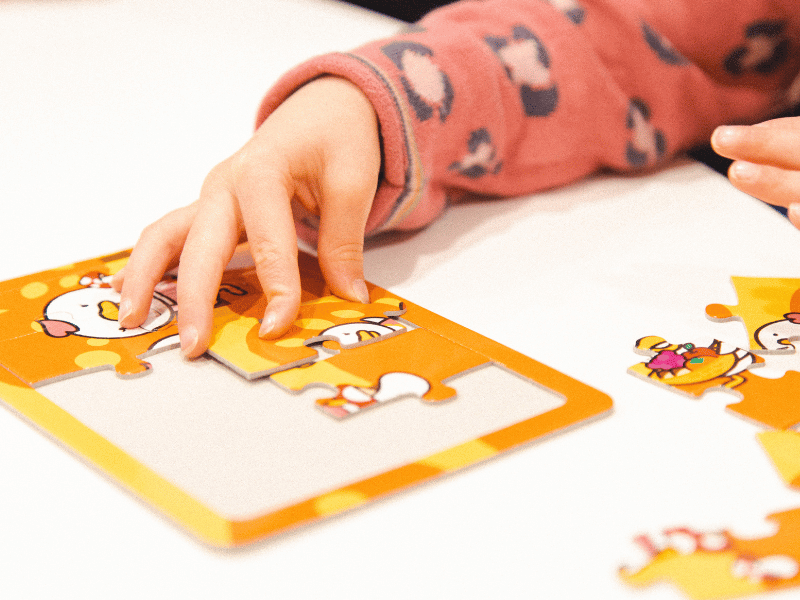
In a Shichida class, toddlers build fine motor and problem-solving skills as part of the benefits of puzzles for toddlers—though puzzles are just one small part of a broader brain-training program.
Start Your Puzzle Adventure Today!
Explore Shichida’s thoughtfully selected range of puzzles designed specifically to nurture your toddler’s cognitive, emotional, and motor development through playful interaction.
Your child’s incredible potential starts with a single puzzle piece. Unlock it today!
Shop Our Puzzle Range and Book Your Trial Class to experience the Shichida Method in action!