
Fun Auditory Sensory Activities for Early Development
If your child struggles to follow directions, becomes overwhelmed by noise, or appears to “tune out,” it may be more than just distraction – it could be linked to how their brain processes sound. The early years are a critical period for developing strong listening skills for kids, and timely support can make a lasting difference.
Early childhood auditory development refers to how young children begin to interpret, organise, and respond to sound. This impacts not only speech and language but also memory, attention, and emotional regulation. When auditory skills are strong, children are better equipped to follow instructions, engage socially, and succeed in learning environments.
Auditory sensory activities are structured sound-based experiences that help strengthen these skills. Through rhythm, music, sound identification, and games, they stimulate the brain’s ability to make sense of what it hears.
In this article, we’ll break down what auditory sensory play looks like, how to recognise potential auditory processing challenges, and how to use simple, engaging auditory sensory activities to build your child’s listening, focus and communication skills.
Understanding Auditory Sensory Processing
Auditory processing is more than just hearing – it’s how the brain receives, organises, and interprets sound. This includes:
- Locating where sounds are coming from
- Distinguishing between similar sounds
- Filtering background noise
- Understanding spoken words, especially in busy environments
This system plays a key role in language development, attention, memory, and learning. When functioning well, it helps children follow instructions, pick up new vocabulary, and participate in classroom activities with ease. If not, children may struggle with communication, concentration, or emotional regulation in sound-rich environments.
Fact: According to the American Speech-Language-Hearing Association (ASHA), auditory processing is essential for phonemic awareness, which underpins reading success later in school.
The Importance of Auditory Development in Early Childhood
Strong auditory skills support a child’s ability to speak clearly, understand language, follow directions, and eventually read and write. The early years – particularly from birth to age 5 – are a critical period when the brain is most adaptable, making it the best time to encourage auditory sensory activities that support listening and comprehension.
These skills also support:
- Social engagement: Understanding turn-taking and responding appropriately in conversations
- Emotional awareness: Recognising tone of voice and interpreting social cues
- Group participation: Following routines and instructions in early learning environments
Parent tip: Children exposed to a wide range of sounds – through music, language, nature, and conversation – tend to develop stronger auditory processing and communication skills.
Identifying Auditory Processing Challenges
Every child develops at their own pace, but ongoing difficulties with listening and sound interpretation may indicate an auditory processing issue. Watch for signs such as:
- Trouble following verbal directions, especially multi-step instructions
- High sensitivity to loud, busy, or unexpected sounds
- Delayed or unclear speech development
- Difficulty focusing in noisy settings
- Appearing not to respond when spoken to, despite normal hearing
If you notice these signs regularly, it’s a good idea to consult with a paediatrician, speech-language pathologist, or occupational therapist trained in sensory processing. Early support can make a significant difference in your child’s language, learning, and confidence.
Benefits of Auditory Sensory Activities
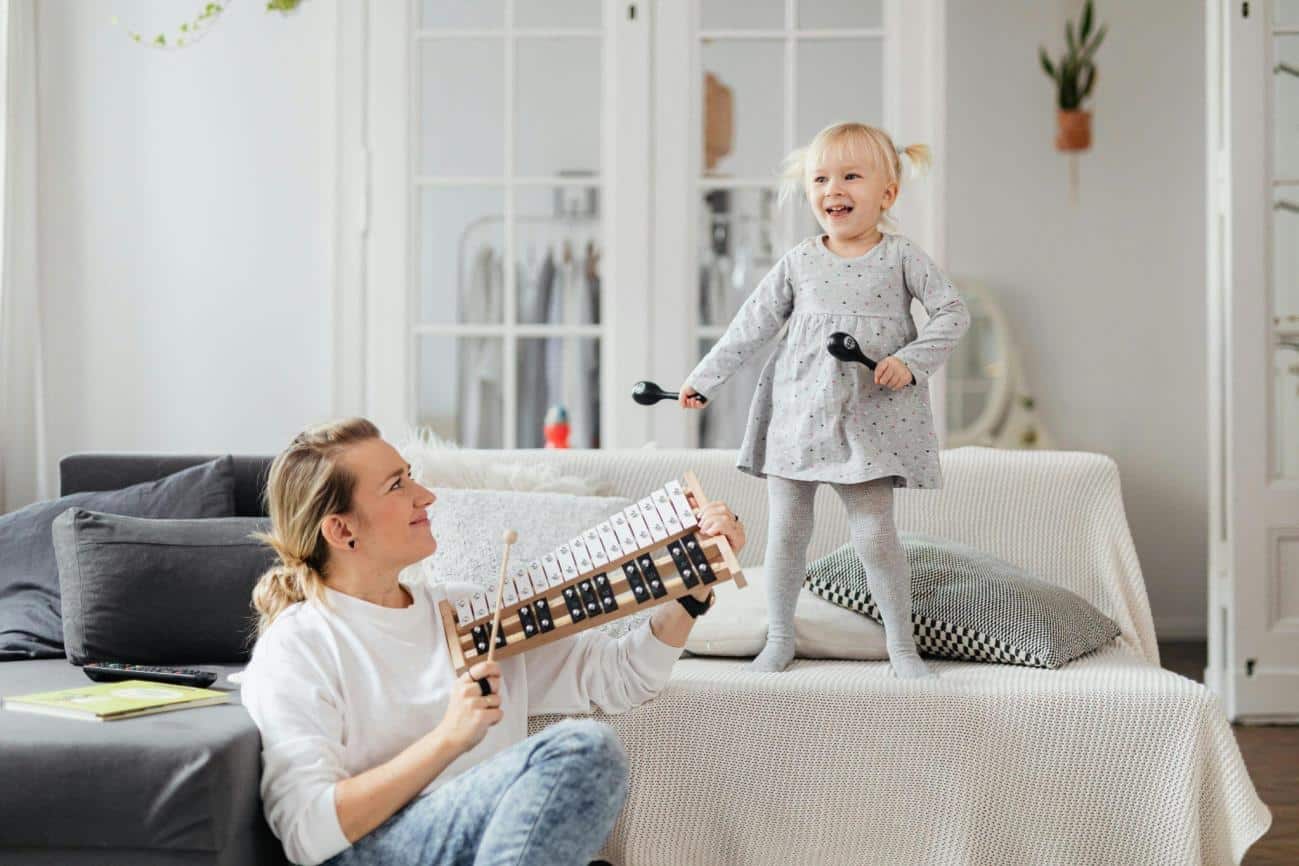
Photo from Pexels: Learning through rhythm and play
Auditory sensory activities do far more than entertain. They actively support brain development by strengthening how the brain recognises, organises, and responds to sound. These experiences help improve a child’s ability to follow directions, focus in noisy environments, and build strong communication skills – critical for early learning and social development.
Enhancing Language and Communication Skills
Children learn to speak by listening first. Through structured auditory sensory activities like sound matching, rhyming games, and storytelling, kids begin to recognise language patterns, improve pronunciation, and develop sentence structure. These repeated listening-response activities give children the tools to express themselves more clearly and confidently.
Supporting Emotional and Behavioral Regulation
Sound also plays a role in emotional control. Activities that include calming music, nature sounds, or gentle rhythmic patterns help settle the nervous system. Predictable auditory input can reduce stress, ease transitions between activities, and support self-regulation – especially helpful for toddlers and preschoolers learning to manage big feelings.
Practical Auditory Sensory Activities for Home
You don’t need specialised tools to support your child’s early auditory development. Many powerful auditory sensory activities can be done with common household items and a little creativity. These activities help improve focus, listening skills, language development, and emotional regulation – key areas of early learning.
Sound Matching Games
Use familiar items like keys, bells, rice in containers, or crinkly paper. Hide them behind a curtain or under a cloth. Play one sound and ask your child to guess what it was.
Supports: Auditory discrimination, sound memory, critical thinking and early problem-solving.
Tip: You can also introduce sound cards or use free online audio clips to mix things up.
Musical Instrument Exploration
Set up a music zone with basic instruments – tambourines, drums, shakers – or make your own from pots, rubber bands, or cardboard tubes. Let your child explore freely or follow your beat. Research shows music-based play improves language processing and brain organisation in young children.
Supports: Rhythm, motor coordination and auditory attention.
Storytime with Sound Effects
Add simple sound effects to storytime using your voice or props (like tapping for rain or swooshing for wind). Let your child take part in making the sounds too.
Supports: Listening comprehension, vocabulary building, and expressive language.
Tip: Choose books with repeating phrases or animal sounds to encourage participation.
Nature Sound Walks
Go for a short walk and ask your child to listen carefully. Can they hear a bird, a truck, footsteps, or wind? After the walk, talk about or draw the sounds they noticed.
Supports: Sensory awareness, mindfulness, and descriptive language.
Integrating Auditory Activities into Daily Routines
Making auditory sensory activities part of your child’s day is easy with a few mindful adjustments. You can incorporate meaningful listening experiences into everyday routines to support early brain development, language growth, and emotional regulation.
Mealtime Conversations
Use breakfast, lunch, or dinner as opportunities for intentional talk. Turn off the TV and other distractions. Ask open-ended questions (“What was your favourite part of the day?”), take turns speaking, and wait for your child’s response.
Supports: Turn-taking, receptive and expressive language, auditory processing, and attention span.
Tip: Research shows that regular family conversations help expand vocabulary and strengthen narrative skills in young children.
Bath Time Sound Games
Water play is a natural setting for sound exploration. Use plastic containers to pour water at different speeds and heights. Tap surfaces gently or sing echo games like “Row, row, row your boat.”
Supports: Sensory integration, auditory memory, and sound discrimination.
Idea: Use waterproof toys that squeak or rattle to introduce cause and effect through sound.
Bedtime Listening Activities
Establish calming audio routines before sleep. Play soft lullabies, nature sounds, or age-appropriate audiobooks. Avoid overstimulating content and keep the volume low.
Supports: Emotional regulation, vocabulary building and enrichment, auditory focus and transition to sleep.
Tip: Audiobooks with rhythmic language or repetition can reinforce story structure and language patterns without screen exposure.
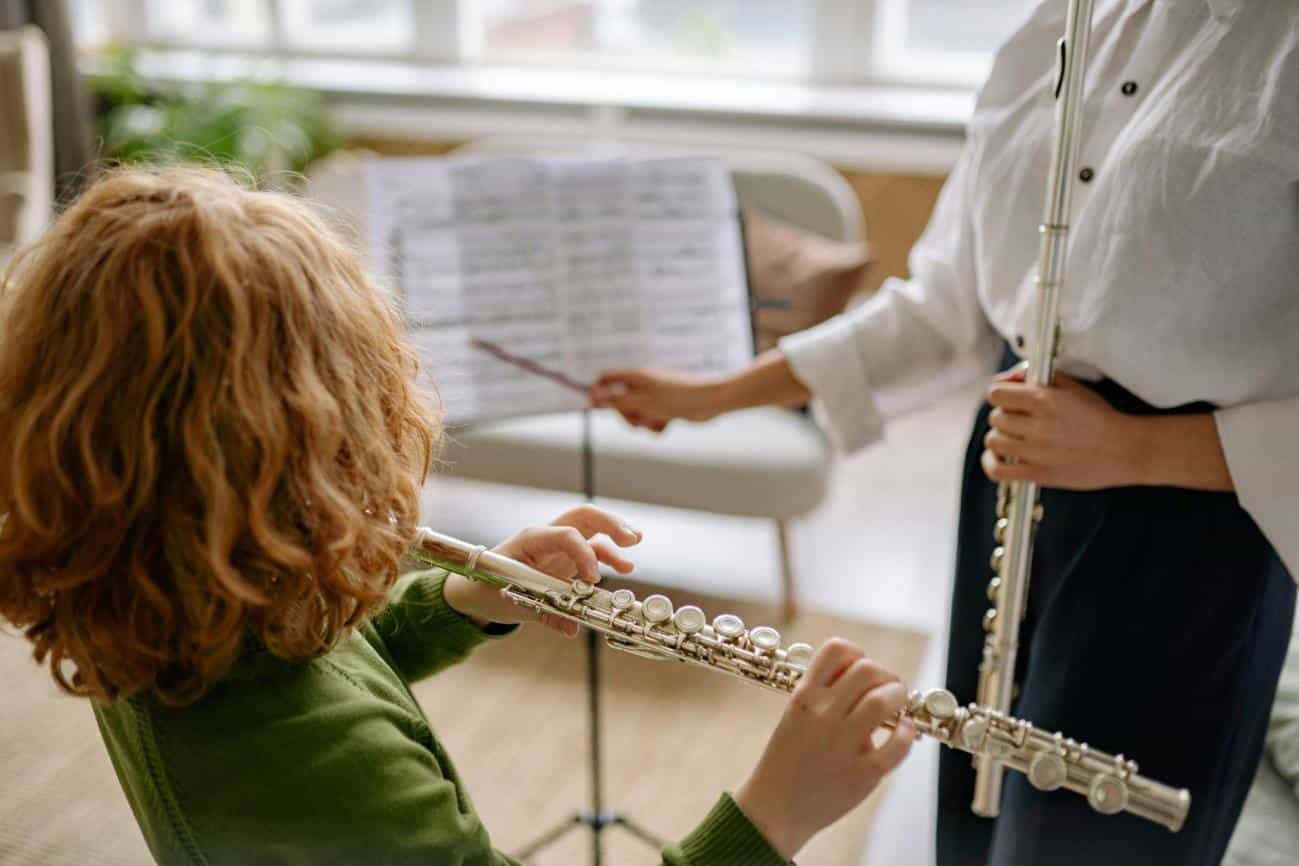
Photo from Pexels: Exploring sound at their own pace, every child learns differently.
Tailoring Activities to Individual Needs
Children respond to sound in different ways. While some actively seek out noise and rhythm, others may be more sensitive, preferring quiet and predictability. Understanding your child’s sensory profile and auditory sensitivity is key to making auditory sensory activities effective and enjoyable.
Understanding Sensory Preferences
Children who are auditory seekers may enjoy louder, rhythmic experiences such as drumming, dancing to music, or singing games. These children benefit from high-energy auditory sensory activities that allow them to explore sound in stimulating ways.
On the other hand, children with auditory sensitivity may find certain sounds overwhelming or even distressing. They may prefer soft music, low-volume storytelling, or quiet, predictable sound patterns. For these children, start with gentle, familiar sounds in calm environments and gradually build up to more varied activities at a pace that feels safe.
Being aware of these preferences is especially helpful if your child shows signs of auditory processing disorder – such as struggling to follow verbal instructions, confusion in noisy environments, or delayed speech. A personalised approach that respects their comfort level will support both emotional and cognitive development.
Collaborating with Professionals
If you’re unsure about your child’s response to sound or notice persistent challenges, consider seeking guidance from a paediatric occupational therapist or speech-language pathologist. These professionals can assess your child’s auditory processing abilities and recommend tailored auditory sensory activities that support their unique needs.
Early intervention can strengthen listening, communication, and learning outcomes, especially when activities are matched to how your child best receives and processes sound.
Resources and Tools for Parents
There’s a wealth of support available to help you integrate auditory sensory activities into your child’s daily routine. Whether you’re seeking practical ideas or expert guidance, these resources are designed to make early learning more effective and accessible.
Recommended Reading and Learning Tools
Visit the Shichida Australia blog for helpful articles on early childhood learning, sensory development, and practical strategies to support your child at home. The content reflects the principles of the Shichida Method and offers guidance for parents across different stages of development.
Visit the Shichida Australia free resources page for early learning games and activity ideas, parental videos, worksheets and more!
Online Platforms and Communities
SHICHIDA at Home gives families access to sensory and brain-boosting activities designed for early childhood learning, all from the comfort of home. With a flexible, parent-led structure, it’s ideal for introducing auditory sensory activities and other learning games that build memory, focus, and listening skills for kids.
For parents looking for face-to-face interaction and structured sessions, Shichida Australia’s learning centres offer weekly classes tailored to your child’s age and developmental stage.
Both options support early learning through play-based activities grounded in the Shichida Method.

Photo by Shichida Australia: Listening games, songs, and rhythm activities are powerful auditory sensory tools for building communication and confidence in the classroom.
You can book a trial class, join a local centre, or connect with a network of like-minded parents who value early, holistic learning. Whether your child is sound-sensitive or enjoys rhythm and music, Shichida Australia offers practical tools and activities tailored to different learning needs.
FAQ:
They are playful, structured listening experiences that help children better process, interpret, and respond to sound.
They support language development, attention, emotional regulation, and overall learning by training the brain to respond more effectively to sound.
Signs may include difficulty following instructions, high sensitivity to noise, delayed speech, or seeming not to hear when spoken to. If concerned, seek a professional assessment.
Yes. These activities support communication and listening skills and are commonly used in combination with speech therapy.
Yes. Try sound matching games, musical exploration, storytime with sound effects, and nature listening walks to engage your child’s auditory system in fun, interactive ways.
Structured programs like those at Shichida Australia incorporate auditory sensory activities into every class, helping children develop listening skills, attention, and sound processing through songs, rhythm games, memory training, and more. These activities are designed to support communication, focus, and cognitive growth from as early as six months of age.