Fun Activities for Kids: 50+ Educational Play Ideas
Childhood is one of the most important and joyful stages of life. As parents, you want your child’s early years to be happy, healthy, and filled with meaningful experiences. That doesn’t mean expensive toys or constant outings – it means offering time, attention, and opportunities to explore and grow.
One powerful way to do this is by introducing educational activities for kids that promote learning through play. Research shows that play-based learning supports brain development, language acquisition, and social skills – all while keeping kids engaged and motivated.
With a little creativity, you can set up low-cost kids activities using simple materials at home or outdoors. Here’s a practical guide to over 50 fun activities for kids that combine play with early learning.
Why Fun and Learning Should Go Hand-in-Hand in Early Childhood
As a parent, it’s natural to want the best for your child—especially during the critical early years when their brain is developing at its fastest. The good news? Fun activities for kids don’t have to be separate from learning. In fact, the most effective early learning happens during play.
Renowned child development experts like Jean Piaget and Lev Vygotsky both highlighted the role of play in foundational learning. According to their research, play is not just a break from learning—it is learning. It helps children make sense of the world around them in an engaging, age-appropriate way.
Whether your child is building a block tower, digging in the garden, or role-playing with toys, they are actively working on important developmental skills.
Here’s how different types of play support early childhood development:
- Cognitive skills: Activities like puzzles, building, and memory games support problem-solving, logic, and working memory.
- Motor skills: Running, climbing, or balancing develop gross motor strength, while crafts, cutting, and sorting objects support fine motor control.
- Social skills: Group play builds communication, cooperation, turn-taking, and empathy.
- Emotional regulation: Storytelling, role-play, and sensory activities help children practice patience, manage frustration, and express feelings appropriately.
According to the Harvard Center on the Developing Child, early experiences shape brain architecture. Play-based learning strengthens the neural connections that support future academic success.
Indoor Fun Activities That Promote Early Learning
Indoor play can be just as enriching as outdoor exploration. With the right kids indoor activities, your child can build early literacy, numeracy, motor skills, and creativity – all from the comfort of home. Below are simple, low-cost ideas grouped by developmental focus to help make learning both engaging and meaningful.
Creative Arts and Crafts
These activities support fine motor development, creativity, and emotional expression:
- Paper Crafts – Folding, cutting, and decorating paper develops hand control, fine motor skills and spatial awareness. Try making paper animals, greeting cards, or simple origami.
- Recycled Materials Art – Cardboard, bottle caps, fabric scraps, and other household items become sculptures, collages, or imaginary creatures.
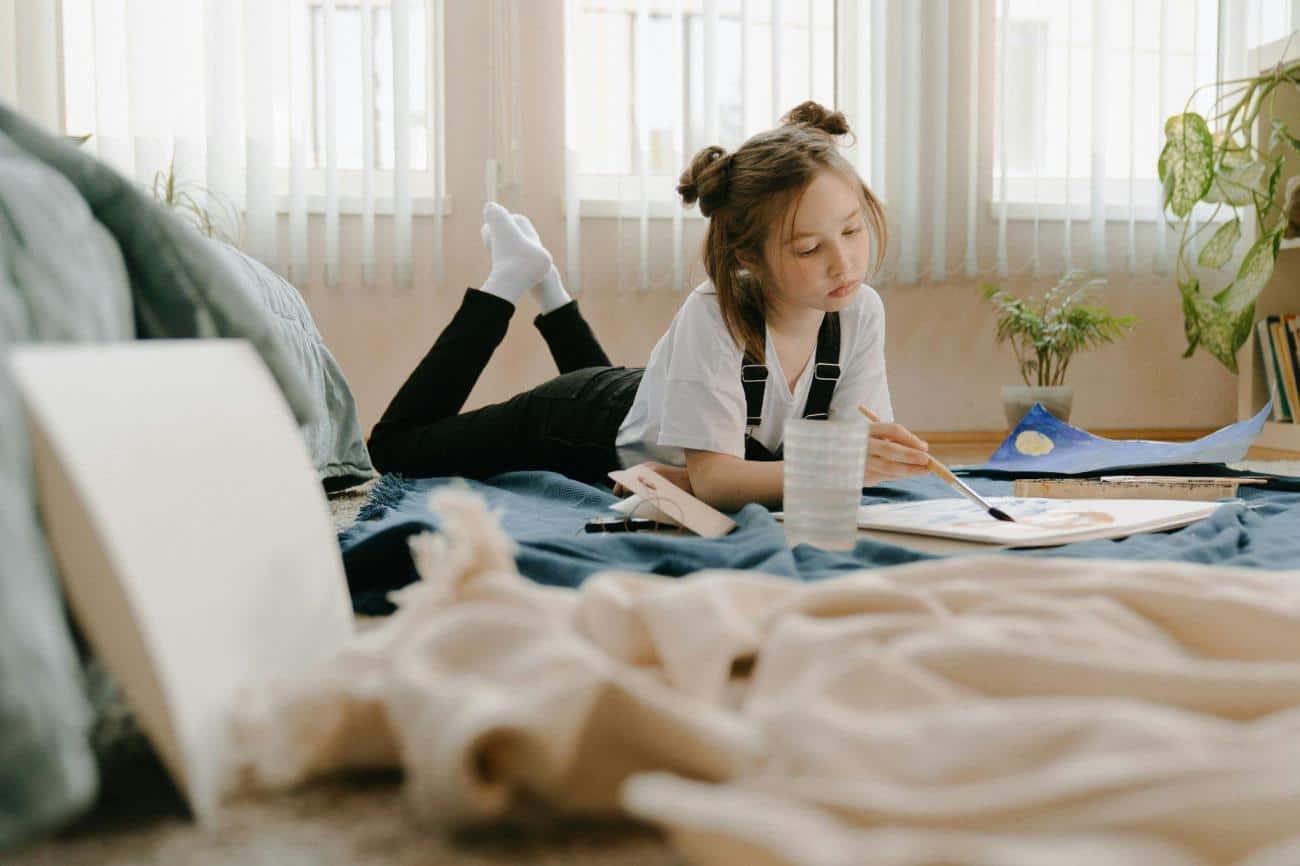
- Finger Painting – Supports sensory exploration while strengthening hand muscles and creativity.
- DIY Masks – Painting and cutting skills combine to create superhero, animal, or character masks – perfect for imaginative play and role exploration.
Parent tip: Keep a dedicated “creativity box” filled with safe materials so your child always has access to free art time.
Educational Games and Puzzles
These activities help reinforce foundational concepts in math, logic, and early reasoning:
- Memory Games – Use flash cards or homemade pairs to boost concentration, pattern recognition, and visual memory.
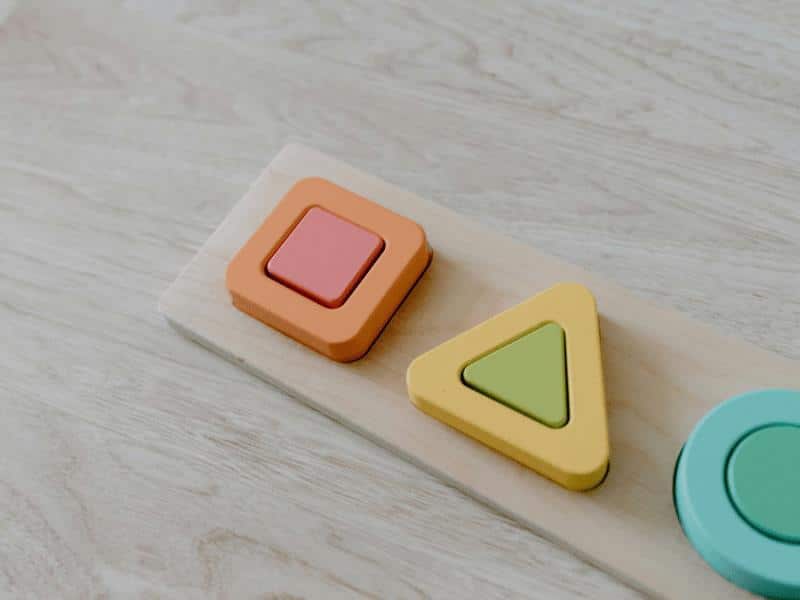
- Shape Sorters – Help toddlers and preschoolers recognise shapes, colours, and improve hand-eye coordination.
- Simple Math Games – Count small toys, dice rolls, or use board games to practice number sense and one-to-one correspondence.
- Board Games for Kids – Games like Snakes and Ladders teach turn-taking, counting, and basic strategy.
Story Time and Literacy Activities
These activities promote early reading, listening, and language development:
- Read-Aloud Sessions – Regular storytelling improves vocabulary, comprehension, early literature and focus.
- DIY Storybooks – Encourage your child to create simple stories with drawings. This builds narrative structure and expressive language.
- Phonics Games – Use letter cards, songs, or age-appropriate apps to reinforce sound-letter recognition and beginning reading.
- Puppet Storytelling – Use socks or paper bags to create characters. Retell favourite stories or invent new ones to build storytelling and sequencing skills.
Indoor Physical Movement Games
Movement boosts brain function, mood, and body awareness. These ideas keep kids active while indoors:
- Obstacle Courses – Use cushions, tunnels (or chairs), and boxes to create a safe, engaging circuit that promotes coordination and problem-solving.
- Balloon Volleyball – An easy, low-mess game that enhances gross motor skills and teamwork.
- Yoga for Kids – Simple poses support balance, body awareness, and calm focus.
- Dance Parties – Playing music and encouraging free movement is excellent for physical expression and emotional release.
Studies show physical movement improves attention span and supports better memory in early childhood learning.
DIY Science Experiments
Science activities are excellent fun activities for kids that encourage observation, curiosity, and early reasoning:
- Baking Soda Volcanoes – Learn about chemical reactions with safe, hands-on fun.
- Rainbow Jars – Teach density and layering using water, oil, and food colouring.
- Sink or Float – Test common objects in water and predict outcomes to build critical thinking.
- Growing Seeds – Use a jar, cotton wool, and beans to watch seeds sprout and learn about plant life cycles.
Let your child record their predictions and results in a simple science journal to introduce early scientific thinking.
Outdoor Play That Builds Skills and Confidence
Parents, outdoor activities for children offer far more than just fresh air or a way to pass time. Outdoor play supports emotional well-being, promoes curiosity, boosts physical health, and builds confidence through hands-on experiences. Whether you’re in your backyard, on a nature walk, or visiting the local park, even the simplest ideas can become meaningful moments of learning.
Nature Exploration and Scavenger Hunts
Exploring nature helps children build observation, patience, and sensory awareness:
- Leaf and Rock Hunt – Create a checklist of natural items like leaves, stones, twigs, and feathers. Talk about colours, textures, sizes, and patterns to develop descriptive vocabulary and categorisation skills.
- Bug Observation – Use magnifying glasses to observe ants, beetles, or butterflies. This develops curiosity and attention to detail.
- Bird Watching – Teach children how to stay still and watch birds. Discuss colours, behaviours, and sounds. It supports patience and early classification.
- Nature Journaling – Encourage your child to draw or write about what they find. This builds recall, fine motor skills, and scientific observation.
Research from the University of Colorado shows that time in nature enhances cognitive functioning and stress regulation in young children.
Gardening and Planting
Gardening introduces early science concepts, responsibility, and sensory experiences:
- Simple Planting Projects – Grow herbs, sunflowers, or beans in pots or garden beds. Kids can measure growth and observe life cycles.
- Watering Routines – Build consistency and responsibility with daily or weekly watering tasks.
- Composting Basics – Introduce ideas about sustainability and the environment through simple food-scrap composting.
- Flower Pressing- Collect blooms, press them between books, and create nature-inspired crafts.
Water Play and Messy Fun
These fun activities for kids combine movement, sensory exploration, and creativity:
- Sprinklers and Watering Cans – Let kids run through sprinklers or “water” plants. Great for sensory play and gross motor coordination.
- Sensory Bins – Fill containers with water, sand, or natural materials like leaves or pebbles. Add scoops, cups, or toy animals for tactile play.
- DIY Splash Zones – Use buckets, plastic tubs, or wading pools for simple water-based play that cools and calms.
- Mud Kitchen – Set up an outdoor play kitchen with old utensils and bowls. Children explore pretend cooking, measurement, and sensory texture.
Outdoor Learning Games
Learning and physical activity go hand-in-hand outdoors:
- Alphabet Hopscotch – Draw letters in place of numbers. Children call out each letter as they jump to reinforce literacy through movement.
- Counting Races – Run to a target while counting steps or jumps aloud. Supports number recognition and active learning.
- Colour Hunts – Find and name colours in plants, toys, or outdoor items. You can even match colours to swatches or charts.
- Shadow Tag – A twist on classic tag where children tag shadows instead of bodies. Builds spatial awareness and is perfect for sunny afternoons.
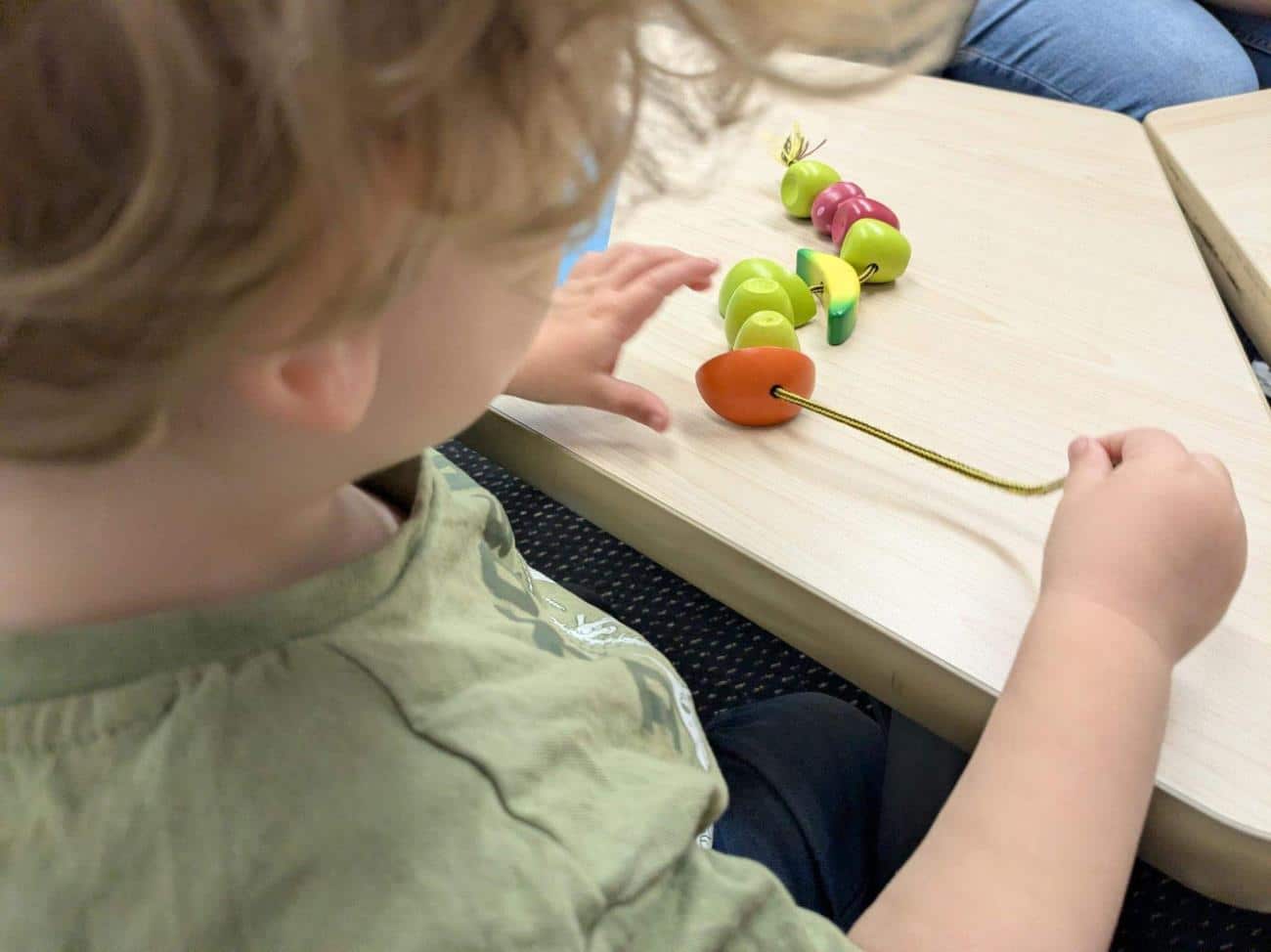
Photo by Shichida Australia: Stringing beads is one of many fun activities for kids that support fine motor development, focus, and early problem-solving through hands-on play.
Low-Cost and No-Cost Activities for Every Budget
Budget-friendly doesn’t mean less enriching. These low-cost activities make use of everyday items. With a bit of creativity, community resources can offer a wide variety of fun activities for kids that support learning, creativity, and connection – without adding to your expenses.
Recycled Craft Projects
Crafting with recycled materials helps children build fine motor skills, imagination, and environmental awareness:
- Cardboard Creations – Turn boxes into cars, houses, rocket ships, or robots. Add stickers or paint for decoration.
- Container Instruments – Fill empty bottles with dried beans, pasta, or rice to make shakers. Explore sound, rhythm, and musical play.
- Fabric Scrap Collages – Cut up old clothes or rags and glue pieces to paper for sensory-rich artwork.
- Paper Roll Crafts – Transform toilet paper tubes into binoculars, characters, or animals for pretend play.
Keep a box of clean recyclables handy for rainy-day projects or screen-free afternoons.
Homemade Toys and Games
DIY toys build creativity, storytelling, and early problem-solving skills:
- Sock Puppets – Use old socks, buttons, and yarn to create characters for puppet shows or storytelling.
- DIY Board Games – Make simple games using cardboard, dice, and hand-drawn rules. Let your child help invent the rules.
- Sensory Bottles – Fill clear plastic bottles with water, glitter, beads, or food colouring for calming visual stimulation.
- Treasure Boxes – Hide household items in a box and give your child clues to find each one. Enhances reasoning and observation.
Community Resources and Events
Many local opportunities offer fun activities for kids that also support social and cognitive development:
- Library Story Times – Most libraries offer free weekly storytelling and early literacy activities for babies, toddlers, and preschoolers.
- Museum Free Days – Many museums offer monthly or quarterly free admission – perfect for introducing children to science, art, or culture.
- Community Playgroups – Great for meeting other families, supporting early social skills, and trying new play-based activities in a group setting.
- Nature Reserves and Parks – These spaces offer natural environments to explore, observe wildlife, or simply run and play.
According to the Raising Children Network, regular access to green spaces can improve attention, reduce stress, and support healthy development in early childhood.
Tech-Free Learning Through Play
Limiting screen time doesn’t mean limiting learning. By offering engaging, screen-free activities, you give your child opportunities to explore, move, imagine, and learn in meaningful ways. These fun activities for kids encourage curiosity, problem-solving, and social-emotional growth – without relying on devices.
Imaginative Play and Role-Playing
Pretend play helps children process the world, develop empathy, and build communication skills:
- Dress-Up Boxes – Costumes and accessories let kids take on roles, encouraging storytelling, emotional expression, and character exploration.
- Toy Kitchens and Doctor Kits – Support social interaction and teach care, routines, and sequencing.
- Pretend Store or School – Children practice conversation, negotiation, early literacy, and organisational thinking.
According to the American Academy of Pediatrics, imaginative play supports brain development by building executive function and flexible thinking.
Building and Engineering Projects
Hands-on construction activities promote early STEM skills and problem-solving:
- Blocks and LEGO – Enhance spatial reasoning, design thinking, and concentration.
- Pillow Forts – Encourage planning, independence, and creative problem-solving.
- Magnetic Tiles – Offer open-ended exploration of shapes, symmetry, and simple engineering concepts.
Try setting a challenge like “Can you build a bridge that holds a toy car?” to introduce goal-based play.
Music and Movement
Music and rhythm-based activities support auditory processing, physical coordination, and emotional expression:
- Homemade Instruments – Use pots, pans, spoons, or jars with rice to explore rhythm and sound.
- Dance Sessions – Improve gross motor skills, balance, and emotional release through movement.
- Rhythm Games – Clapping or tapping repeating patterns builds focus, auditory discrimination, and timing.
Make it interactive – take turns leading the rhythm or dancing to each other’s moves.
Learning Through Daily Routines
Everyday tasks are full of learning potential. By involving your child in routine activities, you turn ordinary moments into rich opportunities for skill-building. These experiences help children develop problem-solving skills, coordination, independence, and early academic concepts – without needing structured lessons.
Cooking and Baking Together
Kitchen tasks teach early numeracy, sequencing, and life skills:
- Measuring Ingredients – Practice counting, volume, and following multi-step instructions.
- Mixing and Stirring – Observe how ingredients change when combined, reinforcing cause-and-effect thinking.
- Setting the Table – Teaches spatial awareness, organisation, and shared responsibility.
Let your child take the lead with small tasks – like pouring or spreading – to build confidence and hand control.
Cleaning Up and Sorting
Chores aren’t just about tidiness – they’re powerful tools for teaching executive function and logical thinking:
- Sorting Toys by Colour or Size – Boosts categorisation, attention to detail, and decision-making.
- Organising Shelves or Drawers – Encourages planning, spatial awareness, and ownership over their environment.
These tasks help children build foundational skills for maths, coding logic, and everyday problem-solving.
Talking and Questioning
Language-rich environments are key to early learning. Use daily routines to spark conversation and thought:
- Open-Ended Questions – Ask, “What do you think will happen if…?” or “Why do you think we do it this way?” to develop reasoning and curiosity.
- Describing Actions – Narrate what you’re doing: “I’m slicing the apple into pieces” or “You’re putting the red cup on the table.” This builds vocabulary and comprehension.
The more children hear and engage in meaningful talk, the stronger their language and thinking skills become.
Seasonal and Holiday-Specific Ideas
Themed activities based on seasons and holidays are a great way to engage your child in meaningful, creative play. These fun activities for kids promote imagination, introduce new vocabulary, and help children connect with nature, family traditions, and cultural celebrations. Seasonal play also supports rhythm and routine, helping children understand the passage of time.
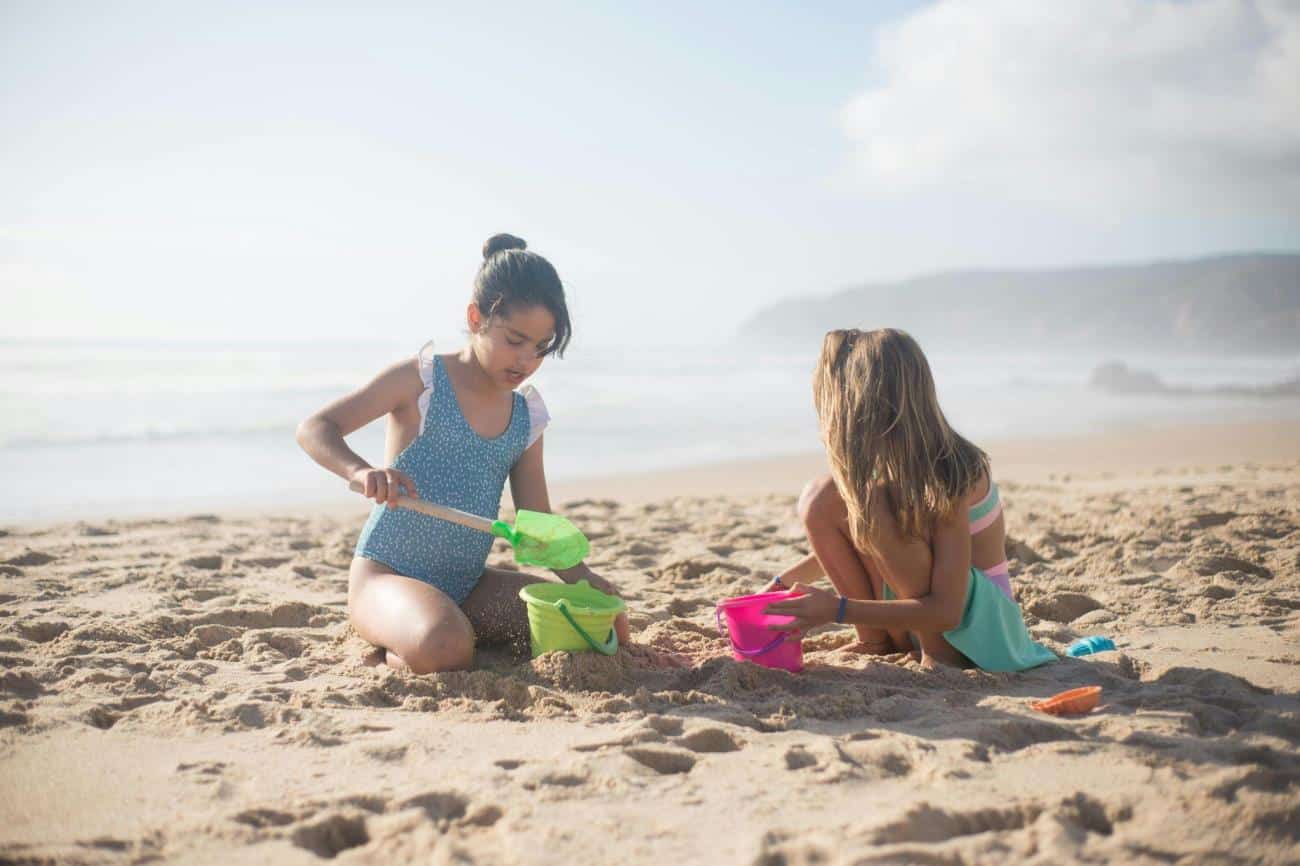
Photo from Pexels: The outdoors offers amazing opportunities for fun activities for kids – an ongoing opportunity to learn.
Spring & Summer Activities
Take advantage of warmer weather to encourage outdoor learning and movement:
- Bug Hunts – Use a checklist or magnifying glass to search for insects. Teach children about life cycles, habitats, and respectful observation of living things.
- Sidewalk Chalk Art – Supports fine motor skills, spatial awareness, and artistic expression while soaking up sunshine.
- Beach Play – Build sandcastles, collect shells, or play with water. Activities like pouring, digging, and splashing support sensory processing and gross motor development.
Bring books or flashcards about animals, seasons, or plants to extend learning during outdoor play.
Fall & Winter Activities
Cooler weather brings opportunities for creative indoor and nature-based play:
- Leaf Art – Collect colourful autumn leaves to press or use in collage. Teaches classification, colour recognition, and texture exploration.
- Snow Painting – Fill spray bottles with coloured water to decorate snow or ice. Great for sensory and visual stimulation.
- Indoor Forts – Use blankets, pillows, and lights to create cozy spaces for reading, storytelling, or imaginative play.
These sensory-rich activities help children feel grounded and calm during seasonal transitions.
Holiday-Themed Learning Crafts
Holidays offer rich opportunities to blend creativity with emotional and cultural learning:
- DIY Holiday Decorations – Make ornaments, garlands, or lanterns while learning about the history and meaning behind each celebration.
- Educational Gift-Making – Create simple homemade gifts like cards, bookmarks, or hand-painted items. Encourages generosity, planning, and artistic expression.
Include your child in conversations about your family’s holiday traditions – this builds connection, pride, and context for the activities they enjoy.
Encouraging Independent Play and Self-Led Learning
Supporting your child’s creativity and decision-making begins with encouraging independent play. When children are given the freedom to explore activities on their own, they develop essential life skills – such as making choices, solving problems, and expressing ideas – without adult direction.
Independent play builds imagination, confidence, persistence, and emotional regulation, all while allowing children to learn at their own pace.
Research from the University of Cambridge shows that self-directed learning in early childhood promotes long-term motivation, deeper engagement, and stronger executive functioning.
Setting Up Invitations to Play
Invitations to play are simple, intentional setups that invite exploration. Instead of offering a full toy box, set out a few select materials – such as building blocks, dress-up items, or nature objects – on a tray or mat.
When presented in a tidy and open-ended way, these setups encourage children to investigate, make decisions, and guide their own learning through play.
Try using themes like “build a zoo,” “kitchen pretend play,” or “create a bug world” with a few related items to get them started.
Rotating Toys and Materials
Too many choices can be overwhelming. Rotating toys and materials keeps things fresh and maintains your child’s curiosity.
- Store a portion of toys out of sight.
- Every week or two, swap a few items in and out.
- Include open-ended materials like blocks, fabric, figurines, or nature finds.
This approach encourages resourcefulness, helping children find new ways to use familiar items and deepening their imaginative and problem-solving skills.
Observation and Encouragement
During independent play, your role shifts from active participant to quiet supporter. Watch your child’s play without interrupting unless needed. This helps you learn about their interests, strengths, and areas where they may need support.
Offer encouragement with simple prompts like:
- “You’ve really thought about where to put that piece.”
- “Tell me about what’s happening here.”
- “That’s a creative way to solve that problem.”
Avoid directing or correcting unless necessary – this allows them to trust their ideas and decisions, building true independence.
Fun with Friends and Siblings
Playing with others isn’t just enjoyable – it’s a powerful way for children to develop early social and communication skills. Fun activities for kids that involve friends or siblings teach important life lessons like turn-taking, sharing, empathy, and cooperation.
Group play also helps children learn how to resolve conflicts, express themselves clearly, and build lasting friendships – all through meaningful interaction.
Cooperative Games
Team-based games provide excellent opportunities to practise social interaction in a structured way:
- Treasure Hunts – Hide clues or small objects around the house or yard and encourage children to work together to find them.
- Charades – Act out animals, jobs, or storybook characters for others to guess. This builds expressive communication and body language awareness.
- Building Challenges – Give kids a task (e.g., build the tallest tower or create a zoo) using blocks or recycled materials. Encourage collaboration, planning, and teamwork.
These games help children build patience, negotiation skills, and problem-solving – while also having fun with peers.
Use phrases like “Let’s figure it out together” or “What can you build as a team?” to model cooperative thinking.
Shared Storytelling and Puppet Shows
Collaborative storytelling sparks creativity and strengthens both emotional and language development:
- Encourage your child to make up stories with a friend or sibling, taking turns to add parts to the tale.
- Use puppets (store-bought or homemade) to act out characters and scenarios together.
- Let children perform mini puppet shows for family members or friends.
These shared activities build confidence in public speaking, narrative structure, and expressive language. They also encourage children to listen to others’ ideas and adapt their own – an important part of group communication.
Parent Tip: Filming their performance to watch later helps reinforce self-reflection and builds pride in their work.
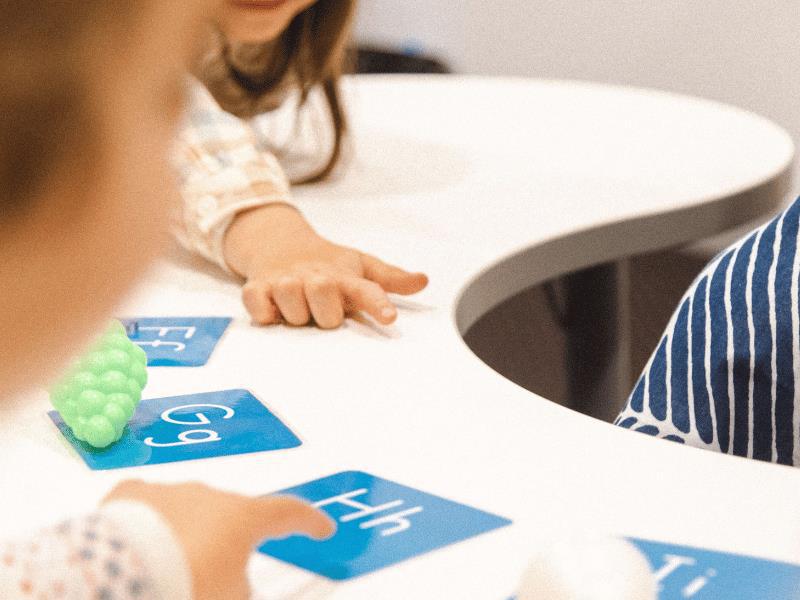
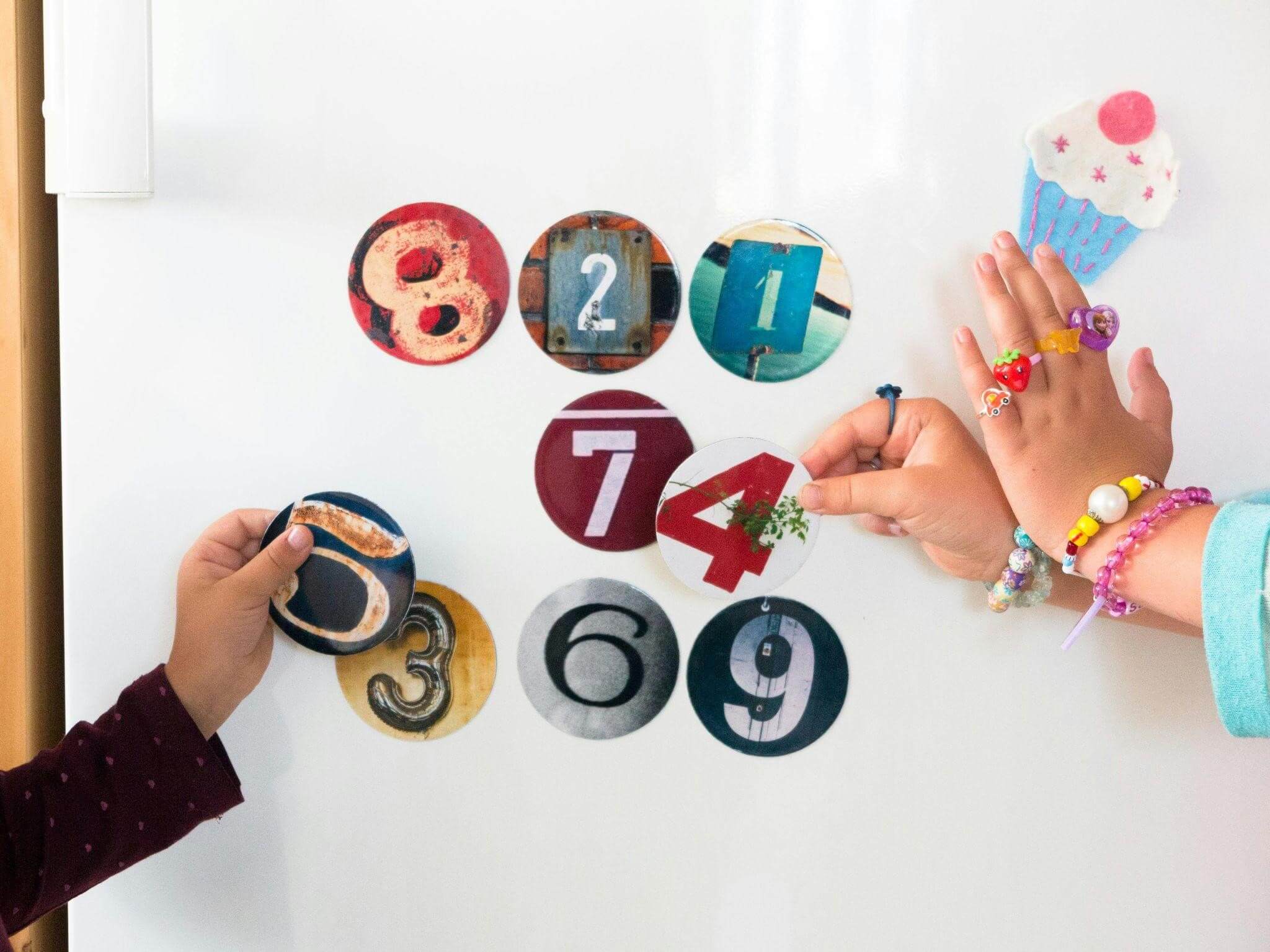
Photo by Shichida Australia: Phonics games like these are fun activities for kids that build early literacy, letter recognition, and confidence through hands-on learning.
Give your little one the gift of joyful learning with Shichida Australia’s proven early childhood education programs. Our approach nurtures creativity, critical thinking, and emotional growth through play-based learning tailored just for your child.
Book a trial class today and discover how Shichida can make learning a fun, memorable adventure for your family!
FAQ: Fun Activities for Kids
Try indoor obstacle courses, finger painting, baking soda volcanoes, or building forts. These keep kids active and engaged indoors.
Offer screen-free activities like dress-up play, building blocks, board games, or storytelling with puppets.
Memory matching, shape sorters, colour hunts, and simple counting games are excellent for building early thinking and motor skills.
Use storytime, creative crafts, rhyming songs, and interactive phonics games to support early literacy and expression through play.
Try recycled crafts, sock puppets, homemade board games, or sensory bottles. Most can be made with everyday items.
Make read-aloud sessions interactive by using voices, asking questions, and letting your child turn pages or act out parts. Create DIY storybooks to boost interest.
Nature scavenger hunts, gardening, mud kitchens, and water play help improve physical coordination, problem-solving, and observation skills.
Set up invitations to play – small, open-ended setups with toys or materials. Rotate what’s available weekly to keep things fresh and stimulating.
Yes! Easy and safe options include sink or float tests, rainbow jars, growing seeds in cotton wool, or making sensory-friendly slime.
Use group cooperative games like team treasure hunts, building challenges, or shared storytelling. These support teamwork, sharing, and creativity.