Activities to Improve Numeracy Skills in Early Childhood
Helping your child develop strong early numeracy skills sets the stage for lifelong learning and confidence with numbers.
This comprehensive guide is designed especially for parents and caregivers engaged in early childhood learning. It offers practical, easy-to-follow activities to improve numeracy skills that fit into daily life, helping your little one build important math skills through play and hands-on learning. You’ll also learn about key developmental milestones and simple ways to support your child’s growth in numeracy development.
Understanding Early Numeracy Development
As a parent, you play a powerful role in shaping how your child sees and uses numbers. From spotting patterns in everyday life to comparing the size of toys, early numeracy skills begin long before school starts. These early experiences lay the groundwork for your child’s future understanding of maths. By knowing what to look for and how to support their learning, you can help them build confidence and curiosity with numbers right from the start.
What Is Numeracy in Early Childhood?
Numeracy in early childhood means more than just learning to count. It’s about helping children develop number sense, understand patterns, compare sizes, and recognise shapes. These are the building blocks of maths and problem-solving.
While literacy focuses on letters and words, numeracy supports your child’s understanding of the world through numbers and logic. Together, these skills give your child a solid foundation for school and life.
Fun fact: Research shows that early numeracy skills are strong predictors of later academic achievement – even more so than early literacy skills in some studies.
Key Milestones in Early Math Development
Every child develops at their own pace, but here are some general milestones to look for:
- Ages 0–2: Children begin to notice differences in size, group similar items, and enjoy simple songs with numbers like “Five Little Ducks” or “Ten in the Bed.”
- Ages 2–4: They may start counting to 10, recognising numbers, comparing objects, sorting by size or colour, and identifying basic shapes.
- Ages 5–6: Most children can count up to 20 or higher, begin simple addition and subtraction, use terms like “more” and “less,” and identify repeating patterns.
If your child seems behind, that’s okay. Play-based learning and regular activities at home can help build their skills in a relaxed way. Children thrive with positive reinforcement, repetition and variety – keep it playful and pressure-free.
Everyday Numeracy Activities at Home
Good activities to improve numeracy skills don’t need worksheets or fancy tools to help your child build early math skills. In fact, some of the best learning happens during everyday routines. Whether you’re cooking dinner, folding laundry, or heading to the shops, there are simple ways to turn these moments into early numeracy activities. By weaving math into daily life, your child can develop confidence with numbers in a way that feels natural, playful and fun.
Cooking and Baking Together
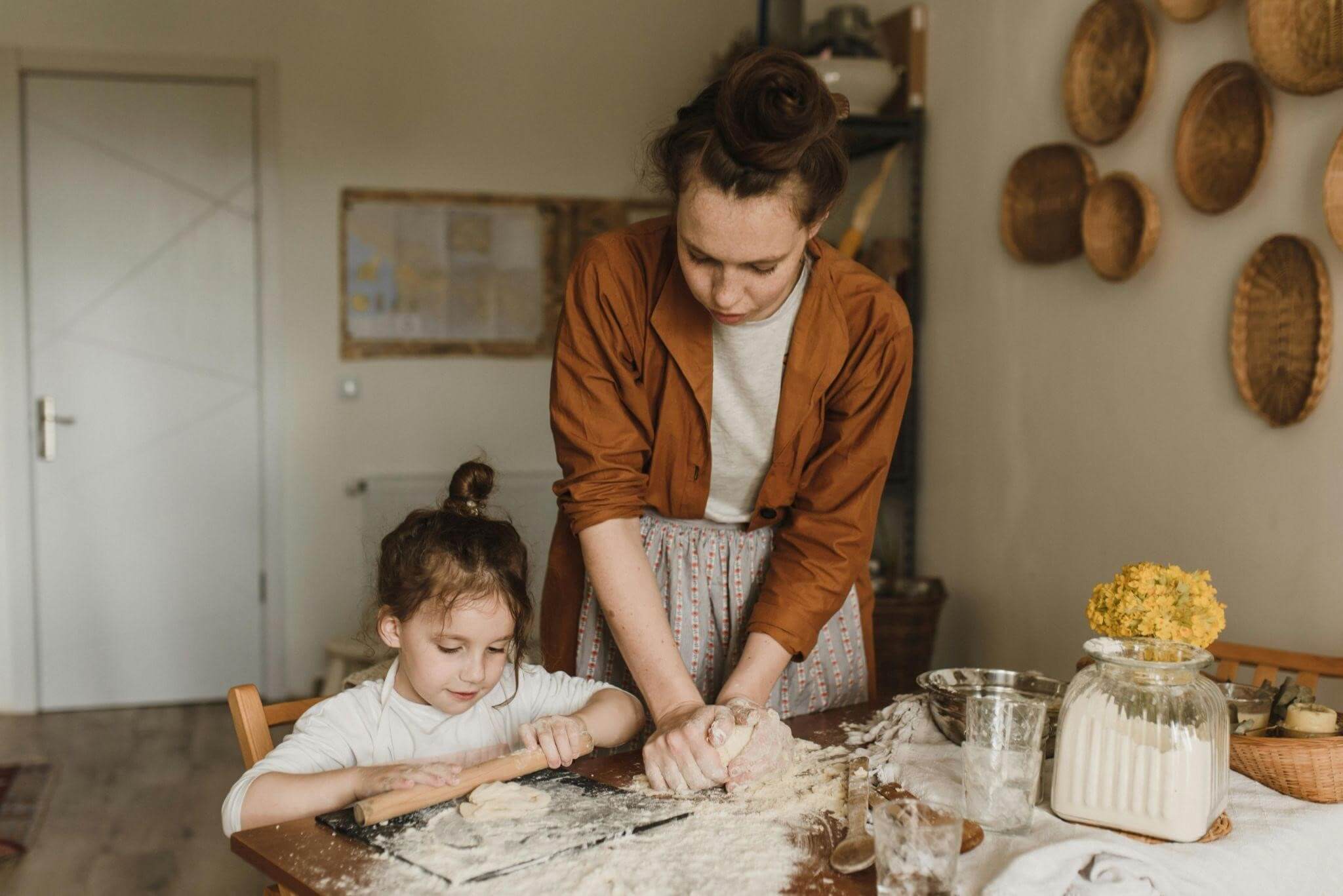
Photo from Pexels: Baking together! Baking is one of the easiest and most fun activities to improve numeracy skills – measuring, counting, and following steps all build early maths confidence in the kitchen.
Let your child help with cooking or baking. Measuring ingredients, counting spoonfuls, and following steps help children understand quantity, order, and simple fractions. Ask questions like, “Is that more or less than one cup?” or “Can you give me three spoons of sugar?” These everyday moments lay the foundation for strong numeracy skills.
Sorting Laundry or Toys
Turn folding laundry into a fun sorting game. Match socks by colour or size, sort shirts by pattern, or group toys by shape. These activities teach classification, comparison, and basic patterning – key skills that support your child’s early math development.
Shopping and Budgeting Games
Let your child help make a shopping list or use pretend coins at home to “buy” items. At the supermarket, ask them to count apples, compare prices, or estimate totals. These real-life scenarios are great for building number sense and making math meaningful.
Bath Time or Outdoor Play
Use bath time to explore volume, size, and numbers. Pour water between containers and ask which holds more. During outdoor play, draw shapes in the sand or count how many steps it takes to reach a tree. These playful experiences reinforce key math skills while keeping things fun and engaging.
Structured Math Activities and Games
When learning feels like play, children stay engaged for longer. Structured math activities for toddlers and preschoolers can be both fun and educational. Whether it’s a classic board game, a quick DIY challenge, or a carefully chosen app, these tools help build key numeracy skills for preschoolers and toddlers through hands-on interaction and repetition.
Board Games and Card Games
Math board games like Snakes and Ladders, Dominoes, and Uno help children develop number recognition, counting, turn-taking, and strategy. These games make learning feel like play while also encouraging patience and focus.
DIY Math Games
Create simple math activities at home such as:
- Number treasure hunts – Hide numbers around the house and let your child find them in order.
- Counting jars – Fill jars with different objects and ask your child to count and compare.
- Shape scavenger hunts – Search for shapes around the house or garden.
These fun challenges support early math skills and can be adjusted for your child’s age and ability.
Digital Tools and Educational Apps
There are educational apps that offer interactive ways for young children to practise counting, sorting, and recognising patterns. Choose age-appropriate options and keep screen time short and purposeful.
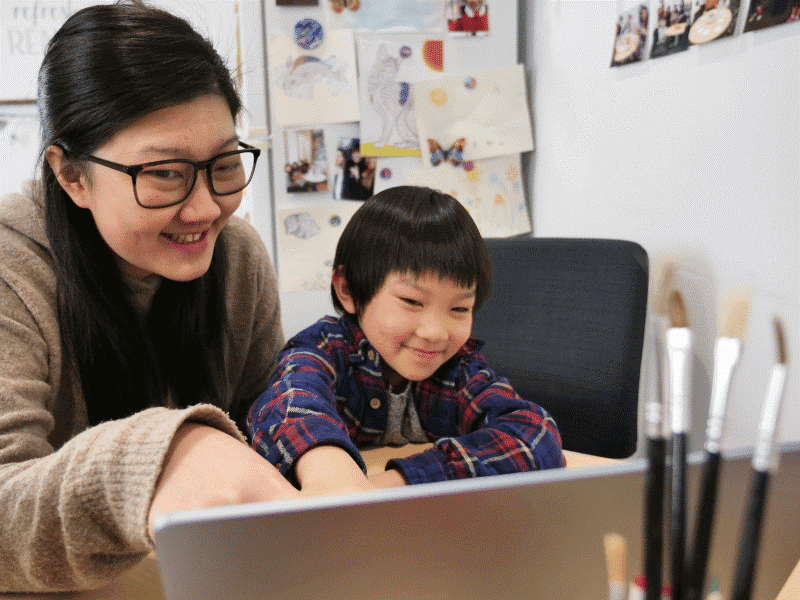
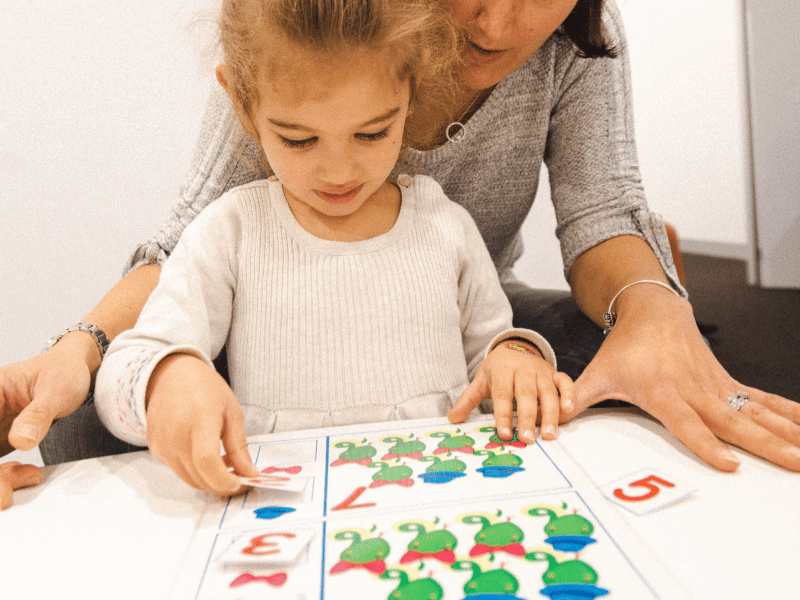
Photo by SHICHIDA at Home: Learning made fun at home! This mum and her preschool child are enjoying activities to improve numeracy skills. Maths can be engaging and meaningful at any age.
SHICHIDA at Home offers a comprehensive online program that integrates early numeracy development through interactive digital resources. While it doesn’t provide standalone math apps, the program includes engaging video lessons, printable workbooks, and educational songs designed for children aged 1 to 5+. These resources cover key math concepts such as counting, shapes, patterns, and problem-solving, all presented in a fun and interactive way.
The Role of Language in Developing Numeracy
Talking about numbers in everyday conversations helps children make sense of maths in the real world. Simple phrases, questions, and stories can turn daily routines into rich learning moments. By using math talk for kids and sharing books with number themes, you build your child’s confidence and understanding.
Math Talk at Home
Talking about maths during everyday activities helps children develop a strong number vocabulary. Use simple questions like:
- “Which piece is bigger?”
- “What comes next?”
- “How many plates do we need for dinner?”
Narrate what you’re doing and invite your child to guess, compare, and count along with you. This kind of casual conversation builds essential early math skills without the need for formal lessons.
Storybooks That Reinforce Numeracy
Books that include counting, patterns, or size comparisons can make numeracy part of story time. Some great options include:
- Ten Black Dots by Donald Crews
- Anno’s Counting Book by Mitsumasa Anno
- One Duck Stuck by Phyllis Root
These books help link numbers to objects and actions in a child-friendly way, making early numeracy development feel fun and relatable.
Encouraging a Positive Math Mindset
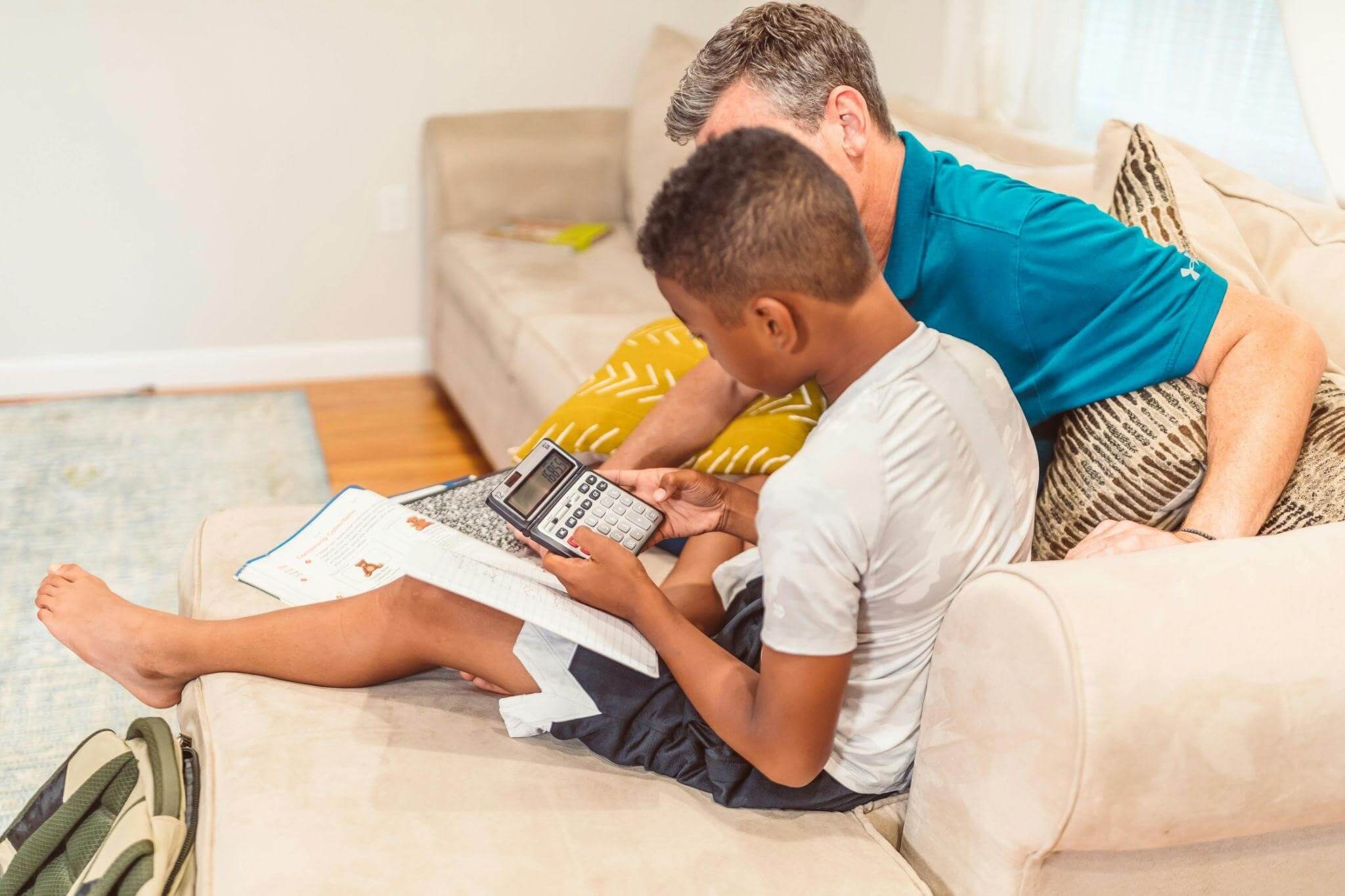
Photo from Pexels: Make math learning a positive experience. Homework time becomes quality time with simple activities to improve numeracy skills. Supporting your child through everyday maths tasks helps build confidence and real-world understanding.
How your child feels about maths matters just as much as what they learn. Building confidence early on can help reduce anxiety and boost motivation. With the right support and encouragement, children can see maths as something they can enjoy and succeed in. It starts with praise, play, and creating an environment where making mistakes is simply part of learning.
Praise the Process, Not Just Results
Focus on effort rather than perfection. Celebrate when your child keeps trying or solves a problem in a creative way. Use encouraging language like, “You worked hard to figure that out,” or “I love how you kept counting even when it got tricky.” This builds resilience and helps children develop a growth mindset.
Create a Math-Friendly Environment
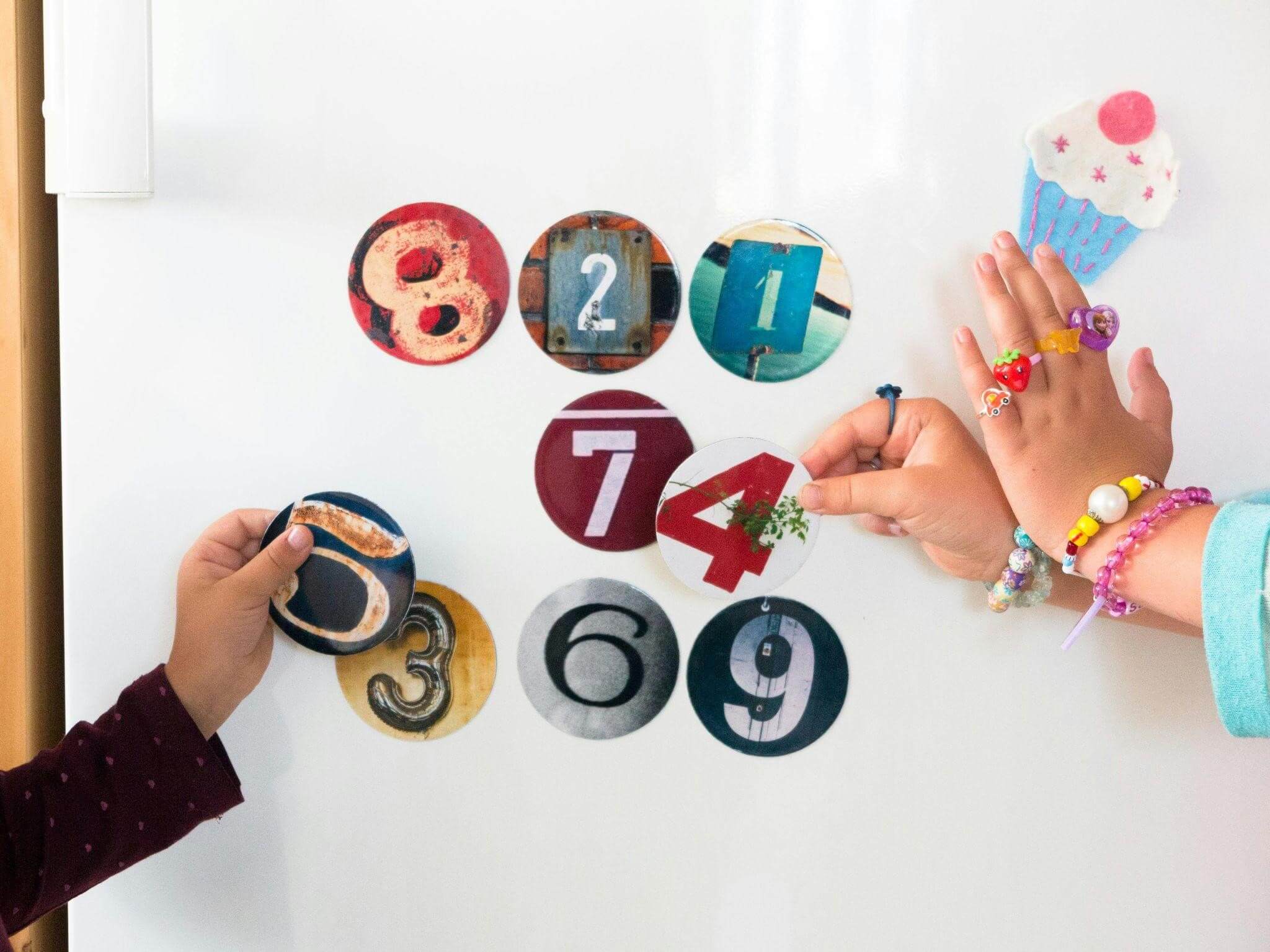
Set up a maths-friendly space at home with puzzles, blocks, number games, or magnetic numbers on the fridge. Displaying numbers, shapes, and patterns in everyday areas helps children feel comfortable with maths and shows that it’s a natural part of life.
Tips for Supporting Numeracy Through Play
Not all learning has to look like schoolwork. Unstructured, imaginative play is just as powerful when it comes to building early early numeracy skills. Through pretend games and hands-on toys, your child can explore maths in a relaxed, playful way. Balancing fun with learning helps keep their curiosity and confidence growing.
Role-Playing and Pretend Play
Play pretend shops, restaurants, or building sites. These games involve counting money, estimating sizes, measuring ingredients, and organising items – all while sparking your child’s imagination.
Blocks, Puzzles, and Construction Toys
Building towers, fitting puzzle pieces, and exploring with shape-sorters helps children understand geometry, balance, and spatial thinking. These types of toys are excellent for both structured and open-ended play.
Play and Learn Classes for Kids
Shichida Australia helps build your child’s early numeracy skills by developing problem-solving, logical thinking, and confidence from the very start. Their unique whole-brain learning approach combines fun, structured activities with creative play to inspire a love of learning.
Give your child a strong start in maths and beyond. Book a trial class with Shichida today to experience how this proven program makes early learning enjoyable and effective.
FAQ:
These include counting, recognising numbers, sorting by size or colour, understanding shapes and patterns, and comparing quantities.
Start with everyday routines. Let your child help cook, sort laundry, read number books, and play simple games. Keep it fun and interactive.
They can be helpful in moderation. Choose apps designed specifically for young children, and use them alongside hands-on play and parent interaction. A great example is SHICHIDA at Home, which offers a balanced digital learning experience through guided video lessons, printable activities, and songs. It’s designed to support early numeracy skills in a playful, structured, and age-appropriate way – without relying on screen time alone.
Simple board games, DIY counting games, puzzles, and sorting activities all support early maths. Pretend play and outdoor exploration are great too.
If your child is five and still struggles to count to 10 or doesn’t recognise basic shapes, speak with their teacher or paediatrician for guidance.
Yes! Many parents look for structured classes to support early math development. At Shichida Australia, classes are designed for children as young as six months up to nine years old, with a strong focus on numeracy skills, memory, problem-solving, and logical thinking. The program uses a proven whole-brain learning method that blends hands-on activities with fun, age-appropriate challenges – making learning both effective and enjoyable.