Neuroplasticity Exercises for Early Childhood Learning
Every parent wants to give their child the best possible start in life – and that includes supporting healthy brain development. Neuroplasticity refers to the brain’s ability to grow, adapt and rewire itself in response to experience. In the early years, this adaptability is at its peak.
With simple, intentional activities – known as neuroplasticity exercises – you can help your child build strong foundations for learning, memory, focus and emotional regulation. This guide covers what neuroplasticity is, why it matters, and the best early childhood exercises to strengthen your child’s brain development.
Understanding Neuroplasticity in Children
The early years of your child’s life are more than just developmental milestones – they’re the foundation of how they’ll think, feel, and learn for the rest of their lives. At the centre of this transformation is neuroplasticity. Understanding how it works helps you make informed choices that maximise your child’s brain development.
What Is Neuroplasticity?
Think of your child’s brain as a flexible map. Each time they practise a skill – whether it’s walking, speaking or stacking blocks – their brain builds and strengthens the pathways needed to support it. This adaptive ability is called neuroplasticity – the brain’s power to change, adapt, and form new connections based on experience.
The more often your child repeats an activity, the stronger the neural connections become. These brain changes are what help children turn actions into abilities and experiences into long-term learning.
Why Early Childhood Is a Critical Period
The first five years of life are a crucial window for brain development. During this stage, a child’s brain can form more than one million new neural connections every second, according to Harvard’s Center on the Developing Child, These years create the blueprint for lifelong learning, emotional regulation, and behavioural patterns.
Children’s brains are far more adaptable than adult brains. This means that early exposure to a variety of meaningful, repeated experiences – like movement, music, language, and social interaction – can deeply influence how they process information, solve problems and build resilience.
How Neuroplasticity Impacts Learning and Behavior
Each time your child learns or experiences something new, their brain is creating and strengthening neural pathways. These moments – solving puzzles or learning to manage emotions – are powerful examples of how neuroplasticity exercises help shape learning, memory and behaviour.
Building New Neural Pathways Through Learning
Everyday activities are essential forms of child brain training. These experiences build the brain’s wiring and strengthen skills over time. For example:
- Learning multiple languages encourages cognitive flexibility, allowing the brain to switch between tasks more efficiently.
- Solving math puzzles develops logical reasoning and improves problem-solving skills.
- Playing a musical instrument boosts memory, focus and coordination by engaging both hemispheres of the brain.
Through repetition and practice, these experiences help transform short-term learning into long-term ability.
Emotional and Behavioral Regulation
Neuroplasticity doesn’t only affect thinking – it also supports how children manage emotions and behaviours. For instance:
- Learning to calm down after a tantrum or stay focused during storytime helps rewire the brain’s stress response.
- Activities like mindfulness, deep breathing and sensory play strengthen emotional regulation.
Over time, these practices help reduce anxiety, improve attention and build resilience.
Top Neuroplasticity Exercises for Young Children
These simple, engaging neuroplasticity exercises promote learning, attention, coordination and emotional regulation – all through play. Each type targets a different area of early childhood neuroplasticity.
Movement-Based Activities
Movement stimulates brain connections, especially in the cerebellum, which plays a key role in coordination, attention and learning.
Try:
- Crawling through tunnels or cushions
- Walking along a taped line or low balance beam
- Dancing to music with different speeds or beats
These activities activate multiple brain regions and lay the groundwork for focus and self-regulation.
Sensory Play
Sensory experiences are powerful neuroplasticity exercises because they involve touch, sight, sound, and sometimes smell – all key for early brain development.
Use:
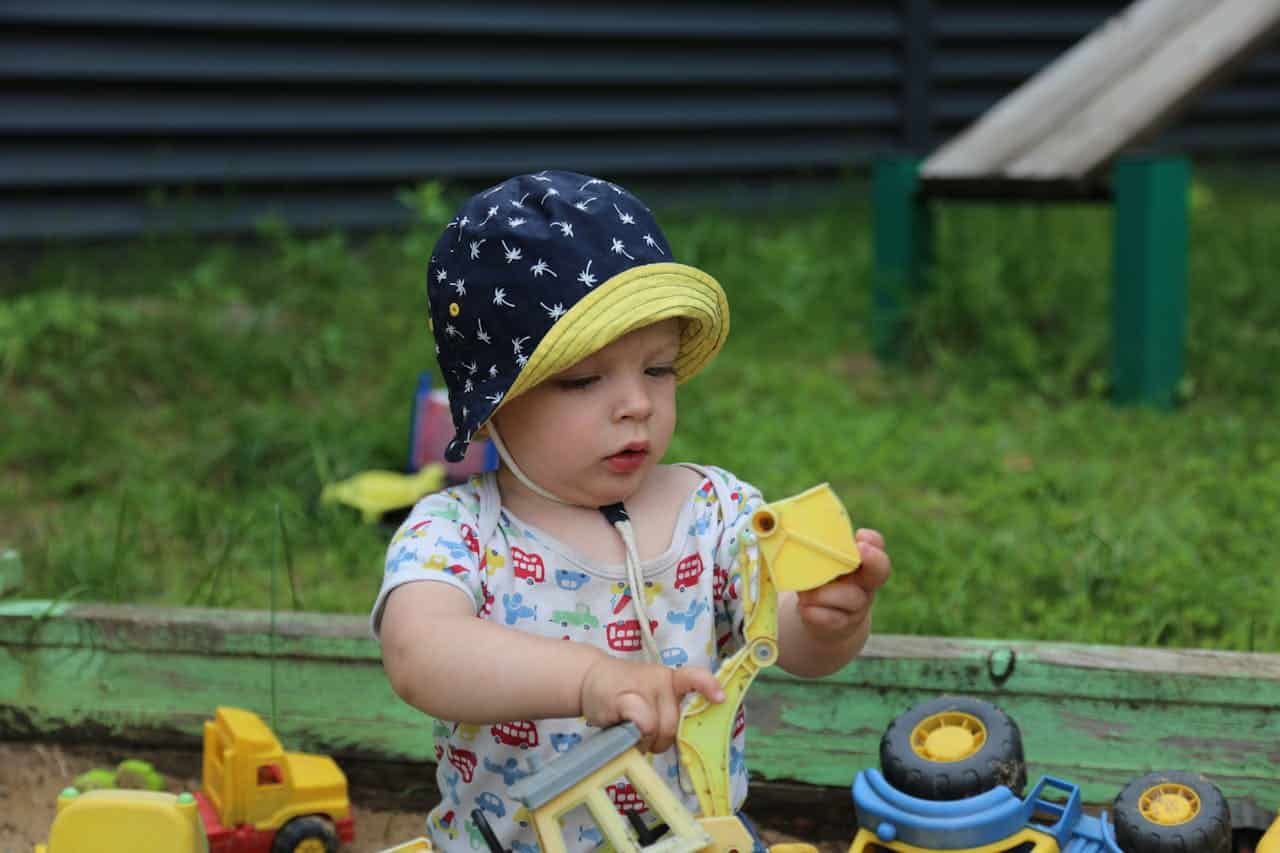
- Bins filled with rice, pasta, or sand (hide objects for discovery)
- Water tables or bathtubs with scoops and funnels
- Tactile toys, sponges, or textured fabrics
These activities improve motor planning, emotional processing and attention span.
Pattern Recognition and Puzzle Games
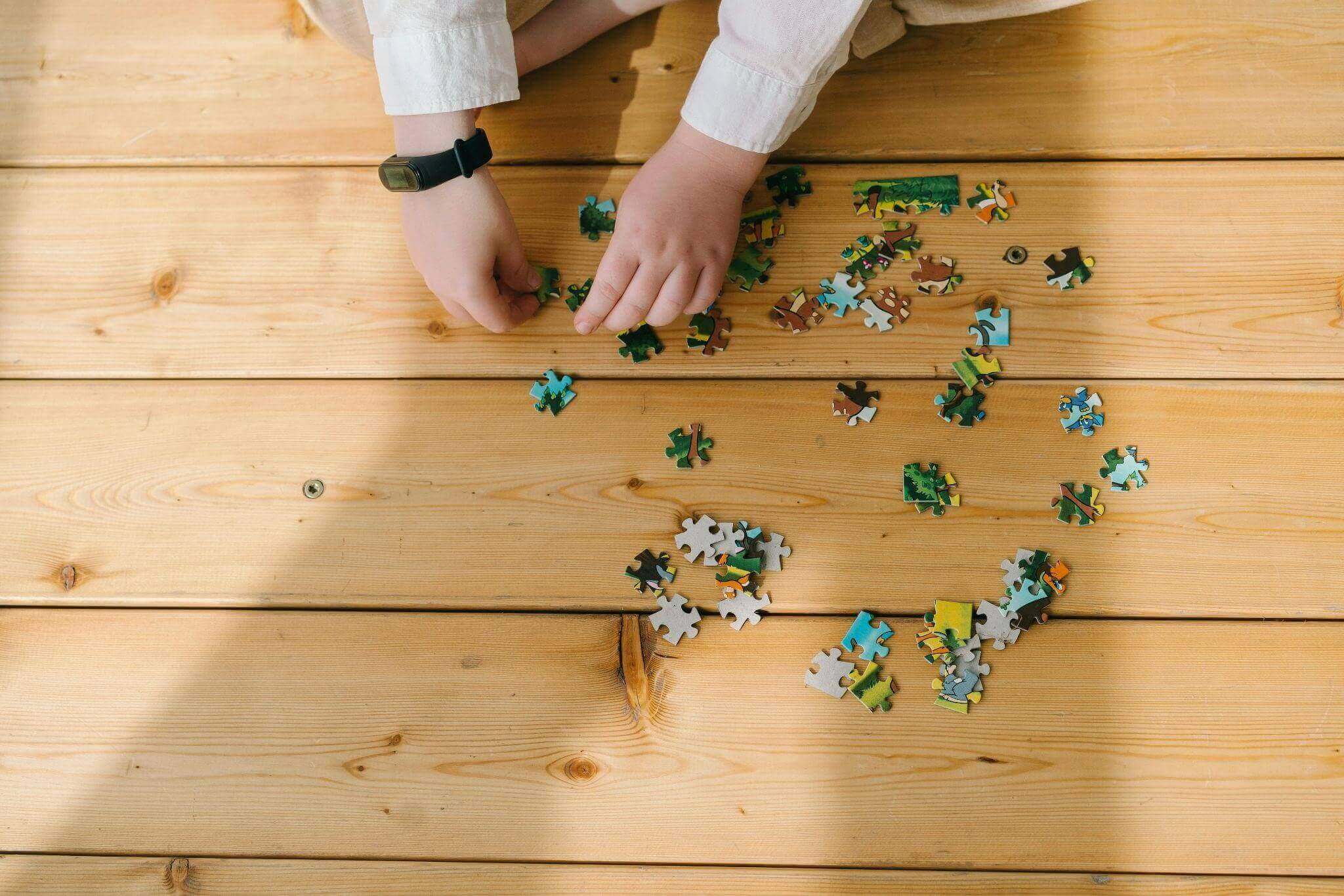
Games that involve sorting, matching, and sequencing help strengthen the brain’s ability to notice patterns and solve problems.
Examples:
- Matching pairs (cards, socks, objects)
- Colour sorting and shape puzzles
- Categorising toys by type, size or function
These brain games for kids enhance memory, cognitive flexibility and critical thinking skills.
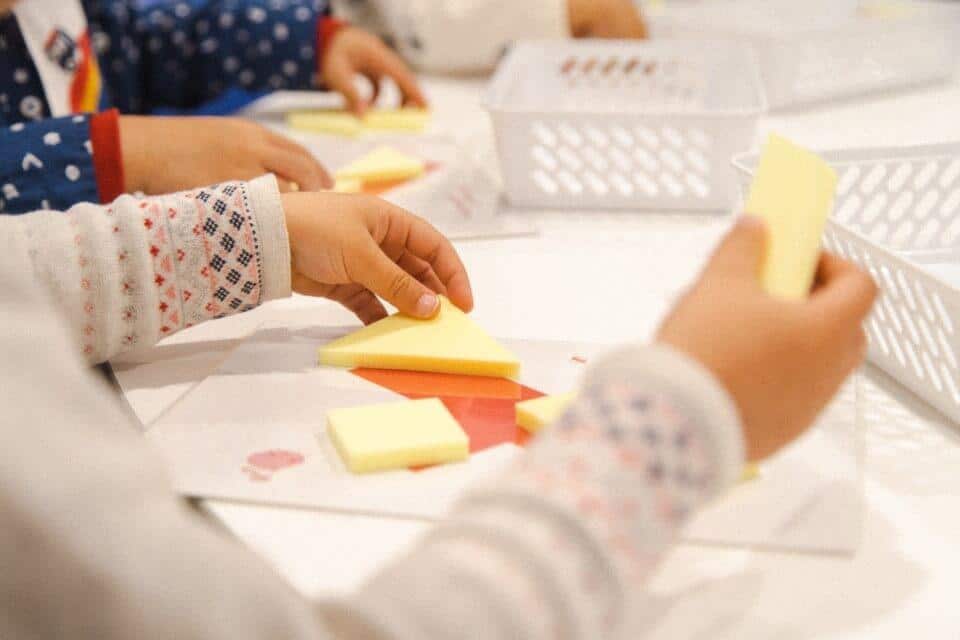
Photo by Shichida Australia: Hands-on puzzle games are powerful neuroplasticity exercises for kids, enhancing memory, problem-solving, and pattern recognition through fun, brain-building play.
Storytelling and Language Games
Language is a key part of early brain development. The more your child hears and uses words, the stronger their language pathways become.
Include:
- Reading books aloud and discussing what happens
- Playing rhyming and word games
- Making up silly or imaginative stories together
These activities support comprehension, auditory processing and verbal expression.
Music and Rhythm Activities
Music is one of the most effective neuroplasticity exercises for children. It activates both hemispheres of the brain and boosts attention and memory.
Try:
- Clapping games or simple rhythmic patterns
- Singing nursery rhymes or echo songs
- Playing with shakers, drums or xylophones
These activities improve timing, coordination and emotional regulation.
Mindfulness and Deep Breathing
Introducing calming routines helps young children develop self-awareness and emotional control.
Simple ideas:
- Breathing with a stuffed toy rising and falling on their belly
- Listening to short meditation stories or nature sounds
- Counting 3–5 deep breaths before bed
These mindfulness for kids practices can reduce stress and support long-term emotional resilience.
Designing a Daily Neuroplasticity Routine
Supporting your child’s brain development doesn’t require a packed schedule, just small, thoughtful activities throughout the day. In fact, the best neuroplasticity exercises are short, fun, and woven naturally into daily routines. With just a few minutes a day, you can help strengthen neural connections that support learning, memory, focus and emotional control.
Sample Daily Routine for Brain-Boosting Activities
A consistent routine that includes variety and repetition helps reinforce pathways in your child’s brain. Here’s a simple daily rhythm built around powerful childhood neuroplasticity tips:
- Morning: Start with 10 minutes of movement. Try a balance game, animal walk or dance session to energise and activate the brain.
- Midday: Offer a tactile experience like a sensory bin, work on a simple puzzle or string some beads into patterns. These stimulate hand-eye coordination and problem-solving.
- Afternoon: Make time for rhyming games or imaginative play. These support language development and cognitive flexibility. Support your activity with a short high-speed flashcard session which enhances vocabulary.
- Evening: Wind down with calming neuroplasticity exercises like deep belly breathing, quiet music, or a short guided meditation. End the day by reading a book together.
Tip: Repeat key activities during the week while rotating others to keep things fresh. Repetition strengthens neural pathways; novelty keeps your child engaged.
Balancing Screen Time and Play
Screens can play a role in learning, but passive viewing doesn’t support neuroplasticity as effectively as hands-on, interactive activities. Whenever possible:
- Choose high-quality, educational content.
- Co-view with your child to turn it into a social, language-rich experience.
- Prioritise screen-free brain games for kids like sorting, building or storytelling.
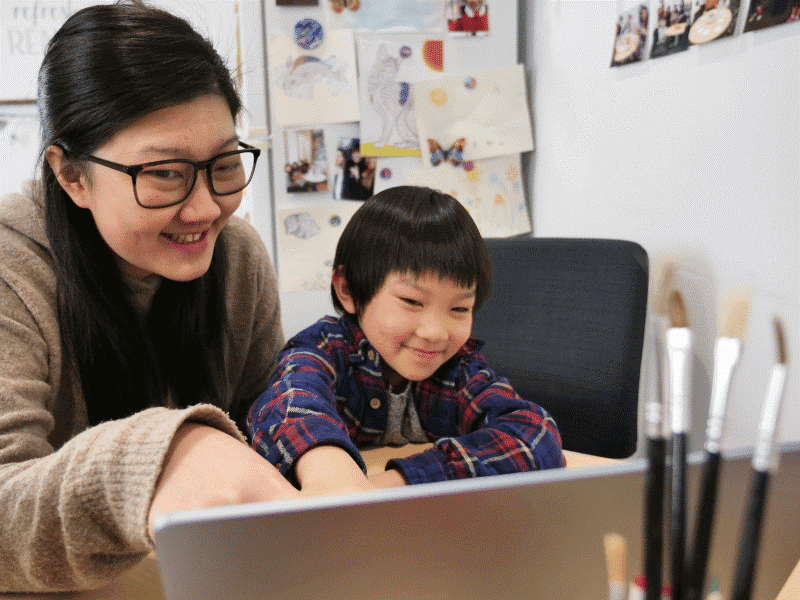
Using screen time wisely: A child and mum engage in guided Shichida at Home activities – an interactive approach to neuroplasticity exercises that balances digital learning with real-world connection.
Encouraging Consistency Without Pressure
Perfection isn’t the goal – consistency is. Children thrive on small, predictable experiences that feel fun and safe. You don’t need a rigid schedule. Just:
- Watch for natural moments of curiosity.
- Offer brain-stimulating play daily, even for a few minutes.
- Keep the tone playful and positive.
Remember: the goal of neuroplasticity exercises is to support – not rush – your child’s development. When learning feels joyful, the brain is most open to growth.
Real-Life Examples and Success Stories
Research and case studies show that neuroplasticity exercises don’t have to be complex to be effective. Small, consistent activities – like music, movement, and puzzle play – can significantly impact a child’s cognitive and emotional growth.
Case Study: Using Movement for Focus
A study published in Frontiers in Psychology found that rhythmic movement and music-based activities improved attention control in preschool children. Children who participated in music training showed enhanced neural audio discrimination and better focus in class. This supports the role of neuroplasticity exercises in strengthening brain functions through regular, structured movement and rhythm.
Case Study: Sensory Play to Reduce Anxiety
In a study at Dr. Kariadi Hospital in Semarang, Indonesia, preschoolers receiving chemotherapy participated in short puzzle play sessions before treatment. Just 10–15 minutes of hands-on puzzle activity helped reduce anxiety. Children appeared calmer and more emotionally regulated, highlighting how child brain training through play can support both emotional and neurological well-being.
These stories illustrate how thoughtful, play-based exercises – movement, music, and puzzles – can develop cognitive resilience and emotional strength, reinforcing the science behind neuroplasticity in early childhood.
Backed by Science: What Research Says
Modern neuroscience continues to highlight how simple, everyday experiences shape a child’s developing brain. From music to mindfulness, consistent neuroplasticity exercises build strong foundations for learning, memory, and emotional control – especially during the early years.
Key Studies and Findings
- Rhythmic Movement and Cognitive Development: A study published in Frontiers in Psychology found that rhythmic movement activities, including music training, significantly enhanced children’s attention control and auditory processing. These activities stimulate both hemispheres of the brain, showcasing how structured movement can boost cognitive growth.
- Language-Rich Environments and Brain Activity: Research from the University of Washington found that social interactions at just five months old predicted stronger language development later on. Talking, singing, and engaging in back-and-forth conversation early in life directly supports neural development in areas related to speech and comprehension.
- Mindfulness and Self-Regulation in Children: A review of child development studies showed that mindfulness practices can improve self-regulation in young children. Activities such as deep breathing and guided relaxation help build executive function, inhibitory control, and cognitive flexibility – core outcomes of effective neuroplasticity exercises.
Expert Opinions and Quotes
Dr. Lara Boyd on Neuroplasticity: Neuroscientist Dr. Lara Boyd explains in her TEDx Talk:
“Every time you learn something new, your brain forms new connections.”
She emphasises that neuroplasticity is not just a scientific term – it’s the very process that makes learning, growth, and behavioural change possible, especially during early childhood.
Common Myths About Brain Development and Neuroplasticity
When it comes to your child’s growing brain, outdated ideas can get in the way of meaningful support. Understanding how neuroplasticity works helps parents make better choices, without pressure or overwhelm. Here are a few common myths – debunked.
Myth 1: You’re Born Smart or You’re Not
Truth: Intelligence isn’t set in stone. Thanks to neuroplasticity, a child’s brain can build new connections every day. With encouragement, consistency, and engaging neuroplasticity exercises, children can strengthen skills and develop new ones over time.
Myth 2: Only Formal Lessons Help the Brain
Truth: Structured learning has its place – especially when it supports whole-brain development through creativity, movement, and memory-based activities. But unstructured, play-based learning is equally important. Building with blocks or exploring nature offer powerful opportunities for the brain to form new connections. The most effective approach combines both structure and play, giving children the variety and repetition their developing brains need.
How to Stay Consistent and Motivate Your Child
Supporting brain development doesn’t have to feel like extra work. With a few smart strategies, you can turn everyday moments into fun, engaging neuroplasticity exercises that your child looks forward to.
Gamifying Brain-Boosting Activities
Kids love a good challenge. Turn activities into playful games like:
- “Can you balance on one foot while counting to 10?”
- “Let’s find all the red toys together!”
- “How many blocks can you stack before they fall?”
Gamification keeps learning light and engaging, while reinforcing important brain-building skills like focus, coordination and memory.
Positive Reinforcement Strategies
Celebrate effort as much as achievement. Use simple, consistent rewards to keep motivation high:
- Sticker charts to track progress over time
- Verbal praise, e.g., “You did a great job calming your body!”
- Small rewards like choosing the next game or story
This helps reinforce a growth mindset, where children learn that trying and practising are just as important as getting it right.
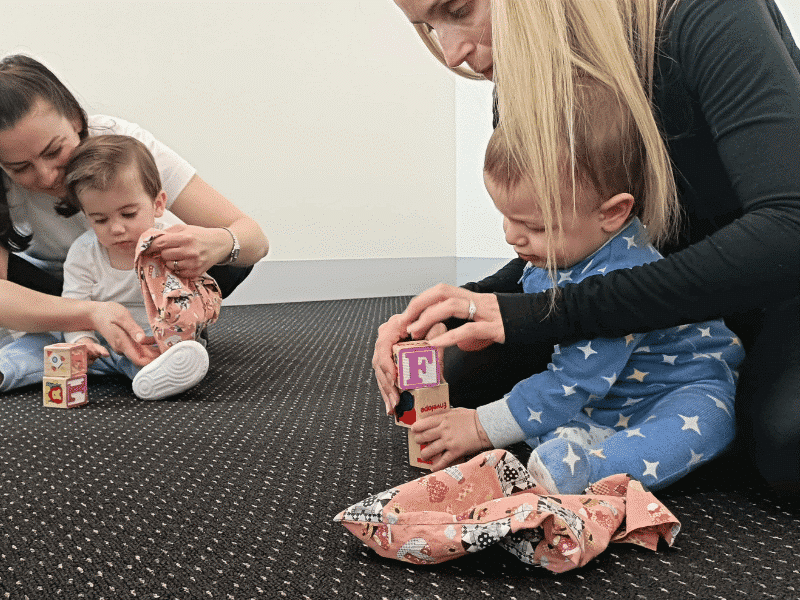
Photo by Shichida Australia: Parent-guided play is one of the most effective neuroplasticity exercises for babies and toddlers, helping strengthen fine motor skills, memory and early problem-solving through hands-on learning.
Give your child the best start with neuroplasticity-based learning at Shichida Australia. Our early childhood programs are fun, science-backed, and built around the exact kinds of brain-boosting activities – like puzzles, sensory play, music and memory games – that strengthen cognitive, emotional, and social development.
Start building powerful neural connections today. Book a trial class.
FAQ: Neuroplasticity Exercises for Kids
Neuroplasticity exercises are brain-stimulating activities like movement games, sensory play, storytelling, puzzles and mindfulness. These activities help strengthen neural connections in the brain and improve memory, learning ability, behaviour and emotional control.
In early childhood, the brain is highly adaptable. Neuroplasticity allows children to build new skills, recover from setbacks, and lay the foundation for cognitive, social, and emotional development. The earlier these brain-boosting experiences begin, the stronger the long-term impact.
Yes. Play is one of the most effective ways to support neuroplasticity in young children. Activities like building with blocks, imaginative role-play, and movement-based games enhance creativity, problem-solving, and emotional regulation.
Try short, daily neuroplasticity exercises that encourage concentration – like matching games, yoga for kids, deep breathing or clapping rhythms. Gradual repetition helps strengthen attention span over time.
Too much passive screen time can limit neuroplastic growth in young children. However, interactive, age-appropriate, and co-viewed screen use – especially when paired with real-world, hands-on learning – can still support healthy development. Programs like SHICHIDA at Home are designed with this in mind, combining digital resources with sensory play, memory games, and movement-based activities to support brain development in a balanced, meaningful way.
Yes. Many early education programs are designed to harness the power of neuroplasticity through structured play, movement, music and sensory experiences. One example is the Shichida Method, which uses a whole-brain approach to strengthen memory, focus, emotional control, and creativity from an early age. These programs help children build strong brain connections in a fun, consistent, and developmentally supportive way.