Body Parts Flashcards Guide for Early Childhood Learning
Babies begin to develop body awareness from a very young age – often starting by staring at their hands or responding to simple prompts like “Where’s your nose?” These early signs of curiosity are the ideal time to introduce body parts flashcards. Flashcards offer a straightforward and effective way to build vocabulary, support body awareness, and lay the foundation for language development through visual learning and repetition.
In this guide, you’ll discover how to use flashcards for preschoolers and toddlers, the benefits of using them, how to make your own, and where to find trusted resources online.
What Are Body Parts Flashcards?
Definition and Purpose
Body parts flashcards are learning tools that show pictures of body parts, each clearly labelled with a name such as “hand,” “knee,” or “ear.” They’re designed to help children identify, name, and understand their own bodies.
Using flashcards is common in early childhood education because they break information into small, memorable chunks. This helps your child absorb vocabulary through repetition, visual cues, and everyday conversation.
Types of Body Parts Flashcards
Different flashcards suit different ages and stages. Here are a few options to consider:
- Illustrated Flashcards – Best for toddlers. These show bright, simple drawings with clear labels.
- Photo Flashcards – Ideal for older preschoolers. Real-life images help children link flashcards to real experiences.
- DIY Flashcards – Personalised and fun to make. You can draw them or use photos of your child and family.
- Digital Flashcards – Great for short bursts of screen time. These often include voiceovers, sound effects, and interactive games.
Benefits of Using Body Parts Flashcards
Vocabulary and Language Development
Flashcards help your child connect spoken words with visual images. By saying the name of each body part while showing it on the card, you strengthen your child’s vocabulary. Over time, they’ll begin to repeat the words and use them naturally in conversation.
Body Awareness and Identification
Being able to name body parts is part of learning about oneself. Flashcards help children understand where their eyes, ears, fingers, and toes are. This awareness builds confidence and lays a foundation for self-care, physical awareness, and setting personal boundaries.
Engagement and Fun Learning
Flashcards don’t have to mean sitting still. When paired with songs, games, and movement, they become part of an active, fun-filled learning routine. This keeps your child engaged and helps them remember what they’ve learned through play and repetition.
How to Use Body Parts Flashcards Effectively
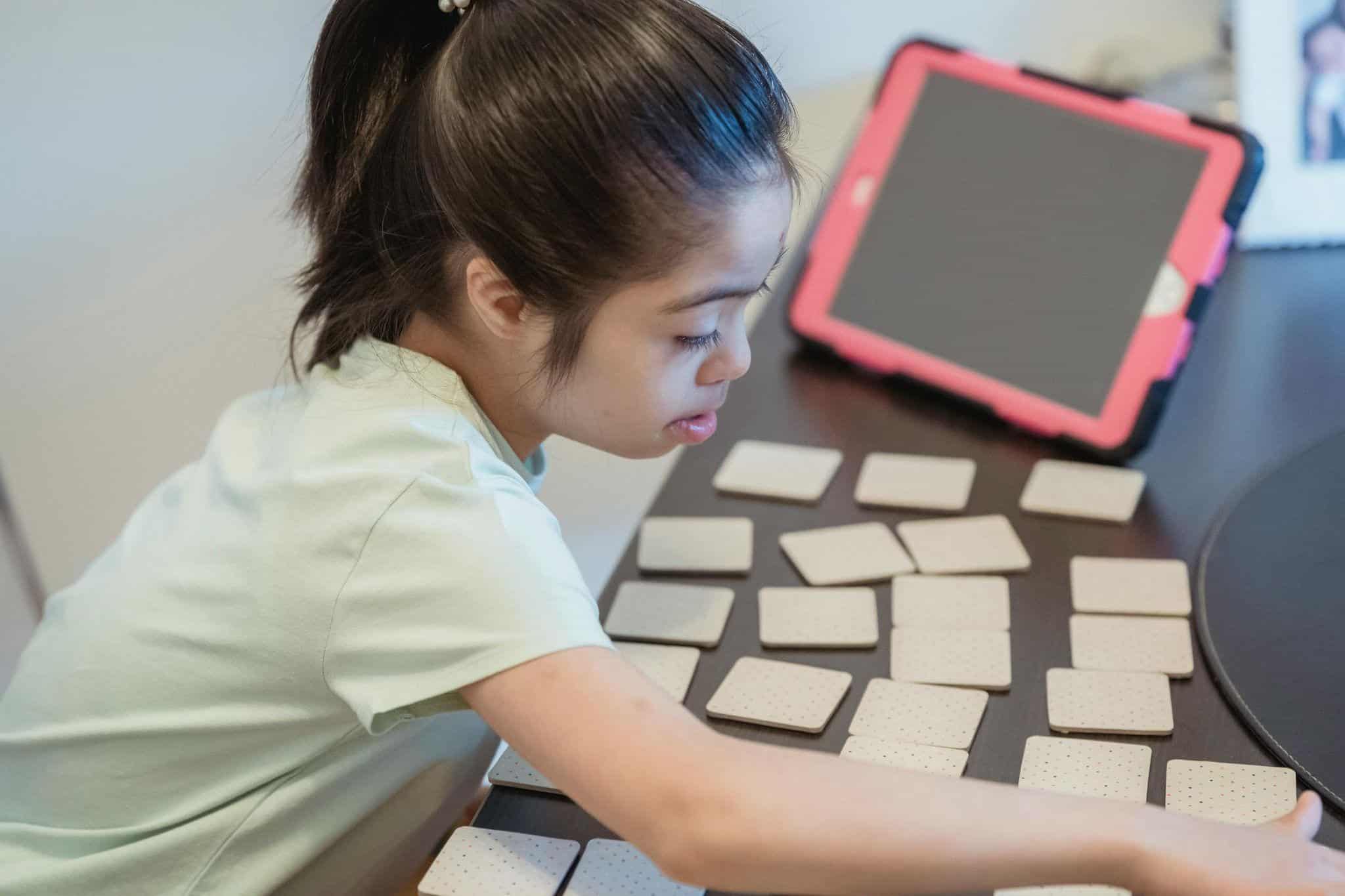
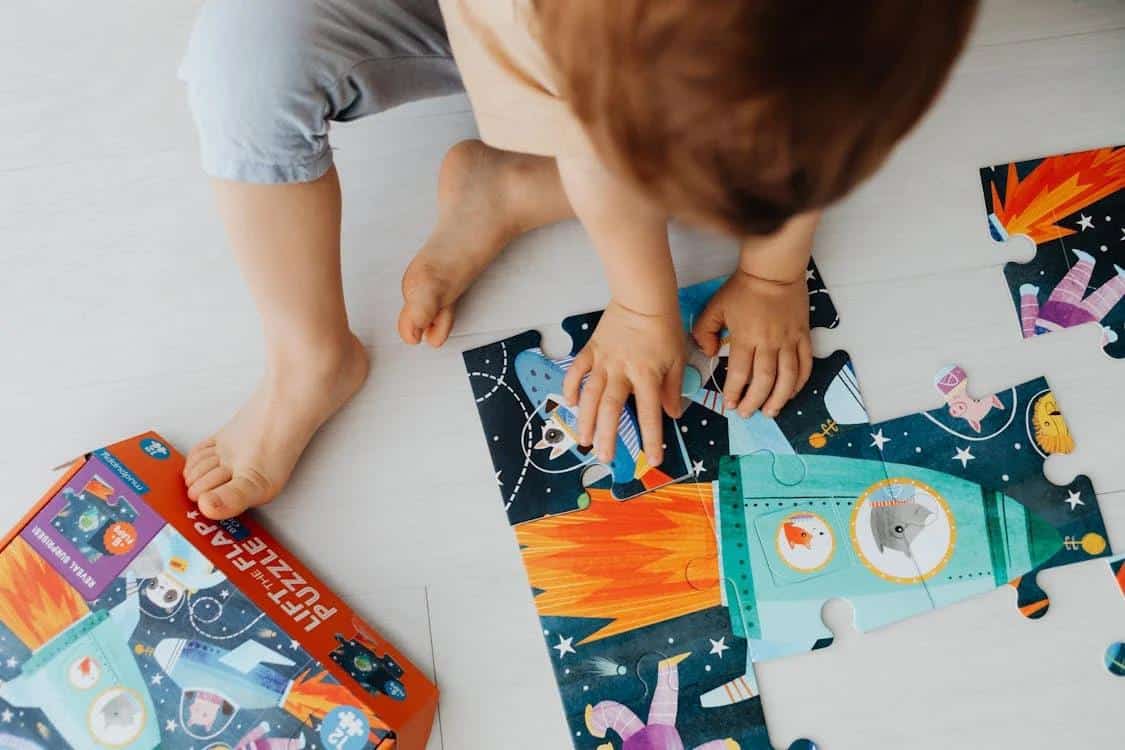
Photo from Pexels: Child playing a memory game with body parts. Memory games like this one are a fun way to reinforce learning with body parts flashcards – helping children develop focus, recall and vocabulary through play.
Body parts flashcards are most effective when used in short, engaging sessions that combine play, repetition, and movement. These strategies help reinforce vocabulary and improve recall.
Flashcard Games and Activities
- Simon Says – Use the flashcards as prompts during the game. For example, “Simon says touch your elbow.”
- Matching Game – Place flashcards on the floor and ask your child to point to that body part on themselves.
- Scavenger Hunt – Hide flashcards around the room. As your child finds each one, encourage them to name the body part and touch it on their own body.
Repetition and Reinforcement Tips
You don’t need formal lessons. Just 5 to 10 minutes a day using a small set of flashcards is enough to support learning. Frequent repetition helps young children absorb vocabulary in a relaxed, low-pressure way.
Combining Flashcards with Songs and Movement
Linking body parts flashcards to familiar songs like Head, Shoulders, Knees and Toes or One Little Finger boosts engagement. Movement-based learning supports memory retention and keeps children actively involved.
Age-Appropriate Approaches
Flashcards for Toddlers (1–3 Years)
Toddler flashcards should feature simple, colourful images with minimal text and large, clear print. Focus on basic naming and pointing activities. Use flashcards during everyday routines – such as bath time, nappy changes, or getting dressed – to reinforce learning in a natural context.
Flashcards for Preschoolers (3–5 Years)
Older children can handle more detail. Look for flashcards for preschoolers that include labels and even short sentences. At this age, your child might enjoy describing the card, sounding out words or playing memory games.
Printable vs. Digital Body Parts Flashcards
Printable Flashcards
Printable body parts flashcards are practical, flexible and easy to personalise. You can print and laminate them for durability, use them on the go, or set up quick games at home. Shichida Australia offers beautifully designed printable flashcards and other free resources that align with their proven early learning methods.
Digital Flashcards and Apps
For digital resources, SHICHIDA at Home provides interactive flashcards through their online program, and digital flashcards library, incorporating high-speed flashing techniques to enhance memory, focus, and learning speed.
These digital flashcards are designed to be engaging and effective, aligning with the Shichida Method’s emphasis on right-brain education – ideal for short, engaging sessions that can complement your child’s learning routine.
Creating Your Own Flashcards
Making your own DIY body parts flashcards is a simple, hands-on activity that adds a personal touch to learning. You can customise them with your child’s name or photos of family members to make the experience more meaningful and engaging.
Materials Needed
- Paper or card
- Scissors
- Pens or markers
- Printer (optional)
- Lamination sheets (optional for durability)
Steps to Create DIY Flashcards
- Choose five to ten body parts to start with.
- Draw each one or use printed photos.
- Write the name clearly underneath each image.
- Cut them out and laminate if desired.
- Store the flashcards in a small box or pouch for easy access.
Making flashcards together can be a valuable bonding activity – and an opportunity to reinforce vocabulary while having fun.
Where to Find Quality Body Parts Flashcards
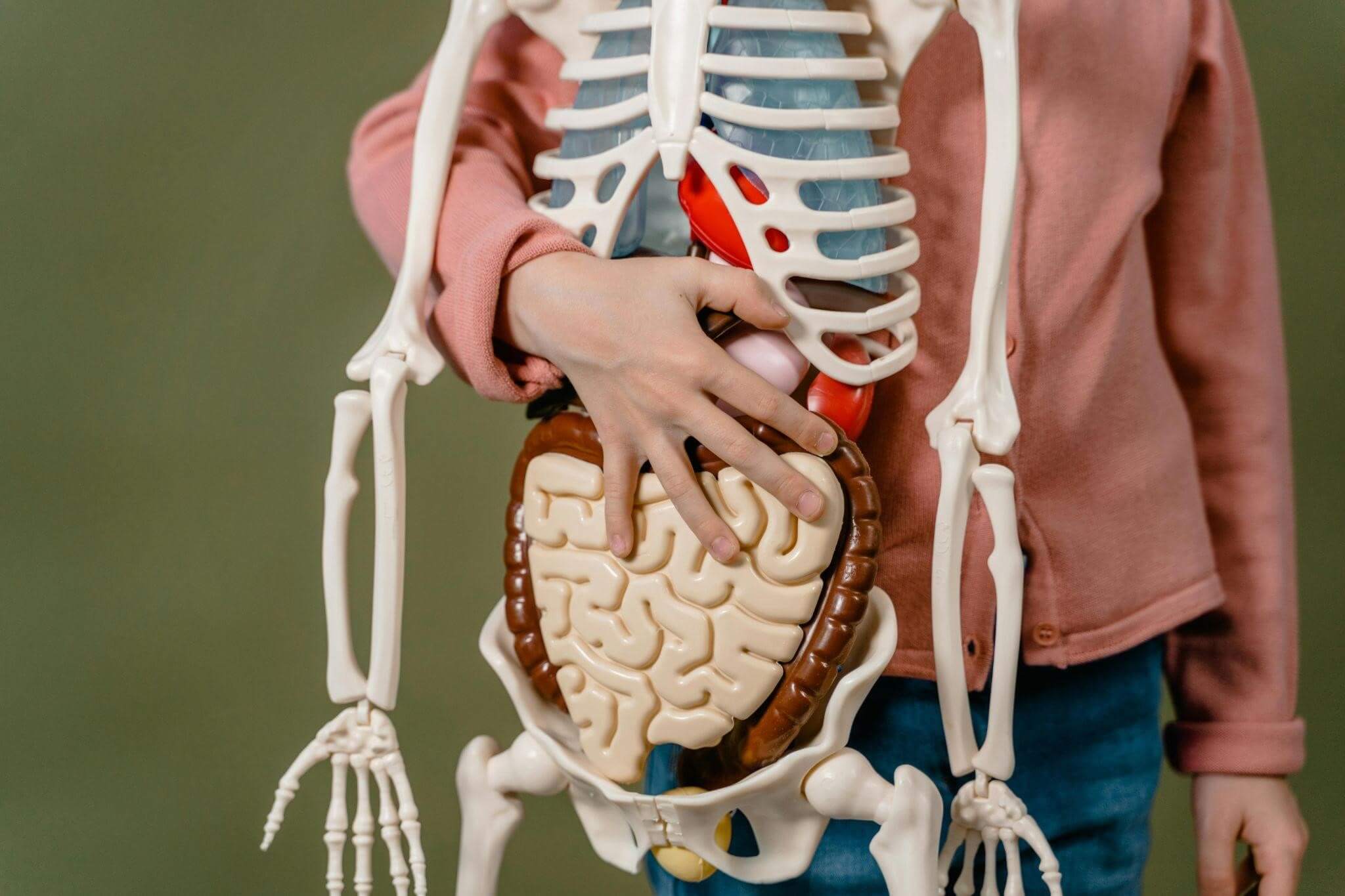
Photo from Pexels: Learning body parts can be educational and fun. Anatomy models are a great way to extend learning beyond body parts flashcards, helping children explore internal organs and build a deeper understanding of how the body works.
Finding the right body parts flashcards is simple with so many excellent resources available online. Shichida Australia offers beautifully designed printable and digital flashcards based on their proven early learning method. Their resources support brain development and are ideal for home use.
Free Printable Resources
- Shichida Australia – Offers printable flashcards aligned with their whole-brain learning method
- Twinkl – Designed by educators and easy to download
- Your Therapy Source – Great for therapists and home use
Paid Educational Platforms
- Shichida Australia Shop – Offers a variety of printed quality flashcard sets, aimed at enhancing memory and vocabulary.
- Teachers Pay Teachers – Sets made by teachers.
- Etsy – Creative and themed flashcard sets with extras.
Digital Flashcard Library
SHICHIDA at Home – offers a large digital flashcard library, and uses the famous Shichida high-speed flashcard method.
Common Mistakes and How to Avoid Them
When using body parts flashcards, it’s important to avoid common pitfalls. Introducing too many cards at once can overwhelm your child, and using a one-size-fits-all approach may not match their learning style. Keep sessions short, focused, and tailored to your child’s preferences.
Introducing Too Many Cards at Once
Start small. Using too many flashcards at once can be confusing or distracting. Begin with just five or six cards and gradually introduce more as your child becomes confident and familiar with the vocabulary.
Not Adapting to Learning Styles
Every child learns differently. Some respond best to visual cues, others to sound or movement. Mix in songs, pointing games, or hands-on activities to see what keeps your child most engaged. Follow their lead and adjust your approach accordingly.
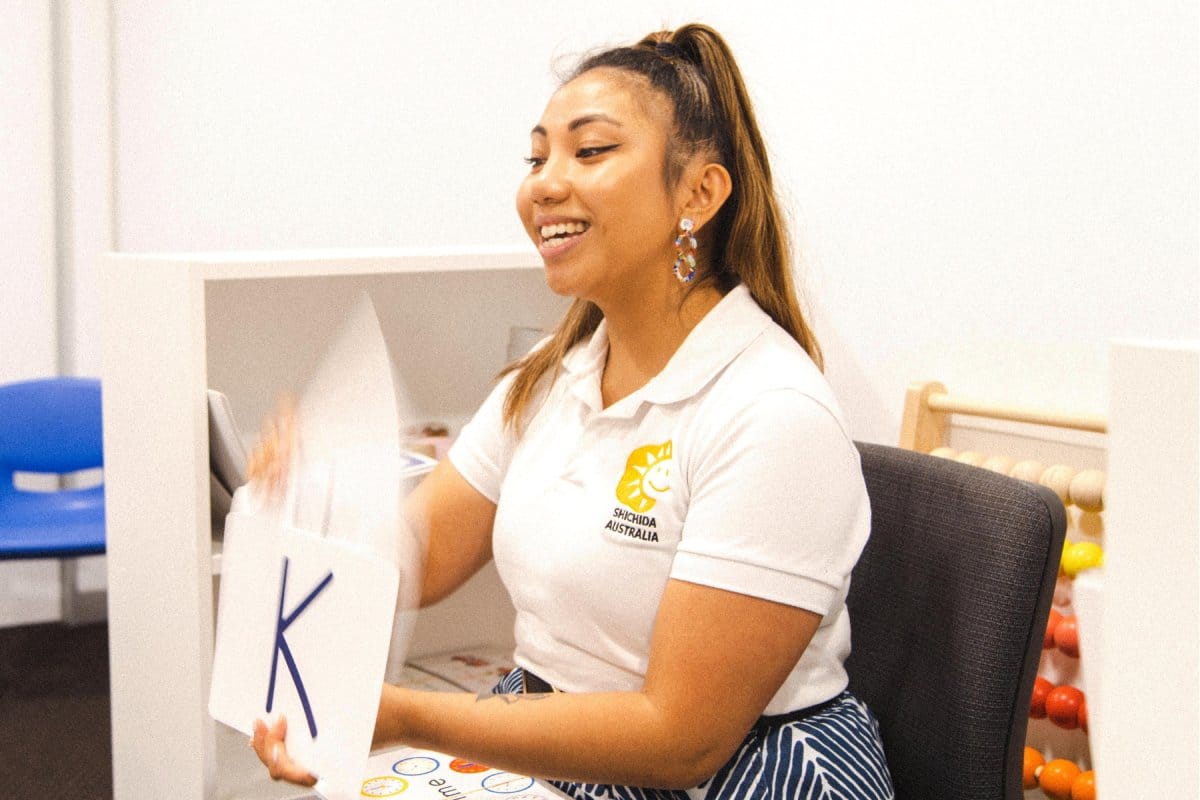
Shichida Australia uses a wide range of flashcards – including phonics, body parts flashcards, numbers, and more – to support early learning. Each class explores different themes tailored to your child’s stage, helping build vocabulary, memory and confidence in a fun and structured way.
Looking to nurture your child’s development in a balanced, brain-boosting way? Shichida Australia offers a range of early learning resources designed to build memory, language, and thinking skills through fun and gentle methods. Every class includes high-speed flashcards, games and fun educational activities.
Explore the program and discover how right-brain education can give your child a strong, confident start. Book a trial class today!
FAQ:
You can start around 12 months. Focus on naming and pointing. Keep sessions playful and short.
Both are useful. Printable flashcards are hands-on and portable. Digital cards are interactive and engaging. Try a mix to see what your child prefers.
Flashcards strengthen memory and vocabulary by linking images, words, and actions in a fun and repeatable way.
Yes. Use drawings, photos, or simple printouts. You don’t need to be crafty – it’s the time spent together that makes the biggest impact.
Five to ten minutes a day is ideal. Keep it consistent, relaxed, and enjoyable.
Shichida uses a unique high-speed flashcard method designed to stimulate both sides of the brain. Flashcards are shown quickly – about one second per card – to help children absorb large amounts of information naturally and effortlessly. This technique is backed by decades of research and is a core part of every Shichida class, alongside activities that build memory, creativity and critical thinking.