Coordination Exercises: Best Tips To Improve Motor Skills
Strong coordination is essential for your child to move confidently, play actively, and succeed in everyday tasks. Whether it’s tying their shoelaces, riding a bike, or focusing in the classroom, motor skills development is a critical part of their development as they grow up.
The right coordination exercises can support your child’s physical, cognitive, and emotional growth, all while keeping things fun and engaging.
What Is Coordination and Why It Matters in Child Development?
Coordination refers to how well children can control their body movements. It plays a key role in helping them run, jump, write, and even sit still. There are two main types of coordination involved: gross motor coordination and fine motor skills.
Strong coordination supports not only physical ability, but also academic readiness by improving posture, pencil grip and classroom focus.
Understanding Gross and Fine Motor Coordination
Gross motor coordination involves large muscle movements – think running, skipping, climbing, or jumping. You might notice it developing when your toddler learns to walk or when your preschooler starts hopping or balancing.
Fine motor skills involve the smaller muscles, especially in the hands and fingers. Activities like drawing, using utensils, or doing up buttons all require strong fine motor coordination.
Both types are essential for your child’s independence and success in both school and daily life.
How Coordination Impacts Learning and Play
Good coordination skills help children feel confident during both play and classroom activities. When coordination is strong, kids are more likely to join group games, enjoy physical activity, and develop better focus and posture. This often translates into improved academic performance and stronger self-esteem.
On the other hand, children who struggle with coordination may experience frustration, withdrawal, or behavioural challenges. Simple tasks – like copying from the board or participating in P.E. – can become stressful. That’s why regular coordination exercises for children can make such a meaningful difference.
Studies have linked motor coordination with executive function skills like working memory, attention control, and emotional regulation.
Benefits of Coordination Exercises for Children
Coordination activities for kids are about more than just movement. They help shape the way children think, feel, and interact with others.
Physical Benefits
Regular balance and agility exercises can:
- Improve posture and body awareness
- Enhance balance, speed, and reaction time
- Build stamina and muscle strength
- Reduce the risk of injuries from clumsiness or falls
These benefits also support classroom performance – children with good core strength and posture often concentrate better at their desks.
Cognitive and Emotional Benefits
Many coordination exercises challenge the brain as much as the body. Benefits include:
- Better memory and focus
- Improved mood and emotional regulation
- Boosted problem-solving and concentration
Social and Behavioural Benefits
In group settings, movement games teach valuable social skills:
- Teamwork and cooperation
- Patience and turn-taking
- Reduced frustration and improved coping strategies Activities that involve small groups give children opportunities to build emotional intelligence.
Types of Coordination Exercises for Children
You can group child coordination exercises into several types, each targeting specific movement skills. These fun activities support coordination through play and repetition.
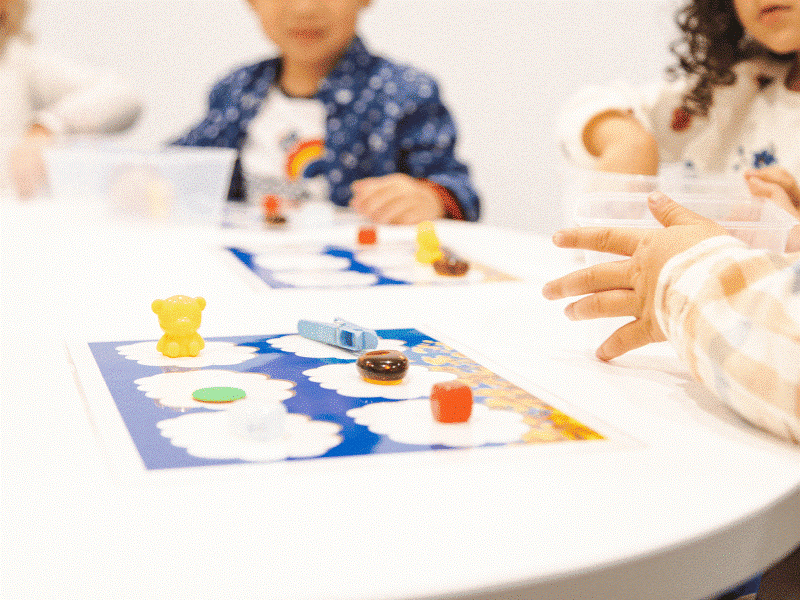
Photo by Shichida Australia: At Shichida, visual memory games double as powerful coordination exercises for kids, supporting both cognitive and motor development.
Hand-Eye Coordination Activities
Hand-eye coordination games help children track and respond to objects using visual cues. Examples:
- Ball toss with a partner
- Balloon tap to keep it floating
- Bean bag toss into baskets or targets
- Eye-tracking and quick visual response tasks (e.g. matching or memory games)
These activities support early writing and reading skills by improving eye tracking and timing of response.
Foot-Eye Coordination Activities
These activities build precision and control using the lower body:
- Soccer dribbling between cones
- Kicking targets like cardboard boxes or chalk circles
- Obstacle courses with stepping stones, tunnels, or small jumps
Bilateral Coordination Exercises
Bilateral coordination means using both sides of the body at the same time.
Examples:
- Jumping jacks to strengthen rhythm and balance
- Crawling across mats or through tunnels
- Cutting with scissors to support fine motor development
- Creative activities like paper tearing or sticker peeling
Strong bilateral coordination lays the foundation for tasks like dressing, tying shoes, and handwriting.
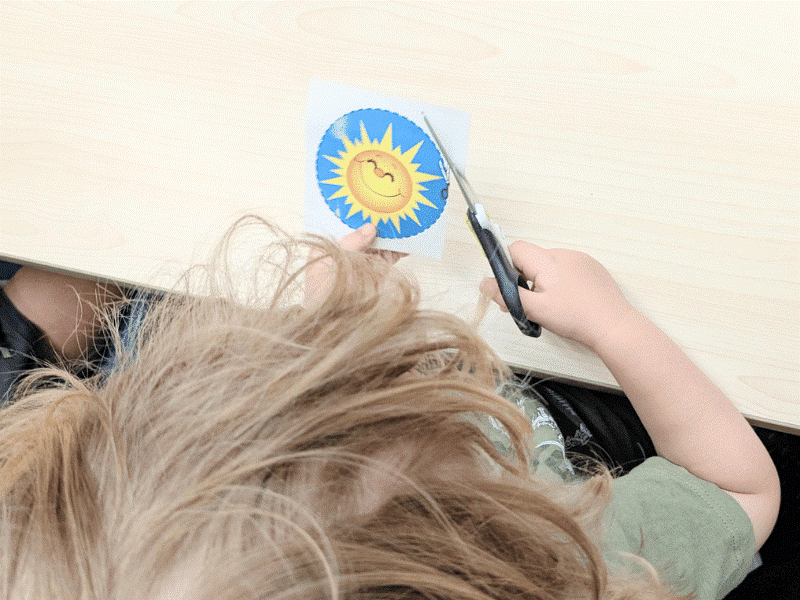
Photo by Shichida Australia: Cutting with scissors is a classic bilateral coordination exercise that strengthens fine motor skills and hand control – essential for school readiness and independence.
Rhythmic and Dance-Based Exercises
These are great for developing timing, sequencing and whole-body coordination:
- Clapping games such as pat-a-cake
- Dance routines to music
- Musical chairs or freeze dance games
Indoor vs Outdoor Coordination Activities
The environment makes a difference in how kids play. Whether space is limited or the weather doesn’t cooperate, there are creative ways to keep your child moving and building coordination.
Best Indoor Coordination Games
When staying indoors, focus on low-impact movement games for toddlers and young children:
- Simon Says to encourage controlled movement
- Yoga for kids using animal poses or storytelling
- Board games that include jumping, spinning or crawling
Indoor activities help build body awareness and control in smaller spaces, which is important for classroom readiness.
Best Outdoor Coordination Exercises
Outdoor environments offer more space and freedom for kids balance activities:
- Relay races with batons or beanbags
- Hopscotch drawn with chalk
- Climbing frames and balance beams at the playground
- Nature walks or obstacle courses are also great versatile outdoor options
Age-Appropriate Coordination Exercise Ideas
It’s important to match coordination activities for kids with their stage of development. Here are some fun and safe ideas based on age group.
Toddlers (1–3 Years Old)
- Roll soft balls back and forth
- Dance or sway to music
- Reach for toys while seated or crawling
These activities support emerging balance, body control, and the development of gross motor skills.
Preschoolers (3–5 Years Old)
- Try animal walks like crab or bear crawl
- Set up simple obstacle courses with pillows and tape
- Practice standing on one foot or walking a taped line
This stage is ideal for introducing bilateral movement and balance challenges in playful ways.
School Age (5–9 Years Old)
- Jump rope in timed intervals
- Dribble a ball around cones or chairs
- Use a hula hoop to practice rhythm and endurance
These exercises strengthen coordination while improving focus and stamina – skills essential for classroom learning and sports.
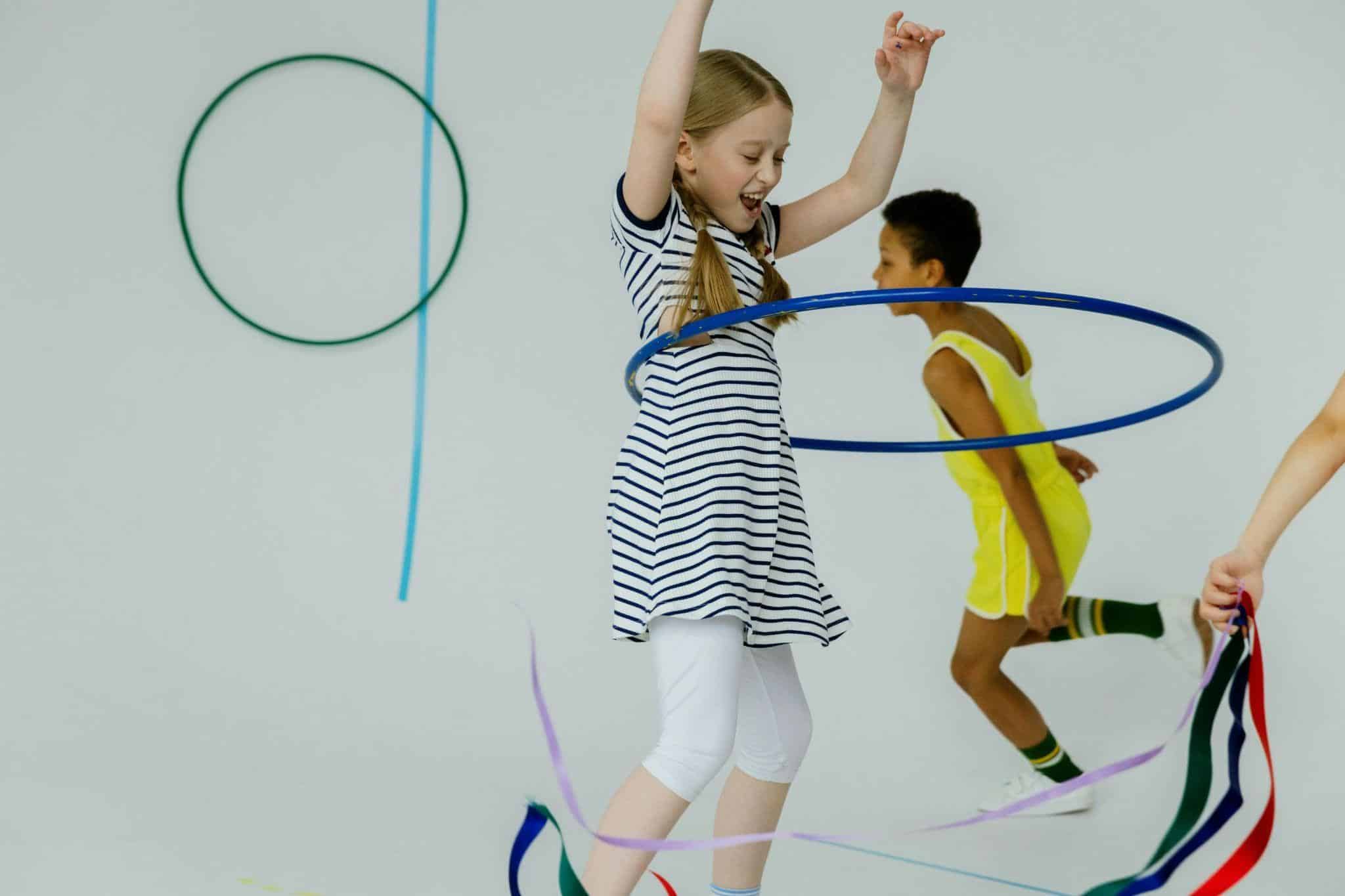
Photo from Pexels: Spinning into stronger coordination and endless fun!
How to Make Coordination Exercises Fun and Engaging
Children are more likely to stick with coordination exercises when they don’t feel like chores. Try turning movement into a game or story, adding music, or involving siblings to make it more social.
Use of Rewards and Progress Charts
Visual motivation goes a long way:
- Sticker charts for each new skill mastered
- Daily or weekly “movement goals”
- Small rewards like extra playtime or a favuorite activity
Celebrating progress helps build intrinsic motivation and confidence over time.
Incorporating Toys and Everyday Tools
Household items make great tools for motor skills development:
- Use tape to create paths, zigzags, or shapes
- Stack pillows as safe hurdles or stepping challenges
- Try plastic cones, scarves, or balls to build variety and encourage imaginative play
Using familiar materials helps children feel safe and boosts creativity in learning environments.
Signs Your Child May Need Extra Coordination Support
Not all children develop coordination at the same pace. Some may benefit from extra attention or professional support.
Physical Signs to Watch For
Pay attention to how your child moves during everyday play. If you notice frequent tripping, bumping into furniture, or difficulty catching, kicking, or throwing, these could be signs that your child needs help with motor skills development. Struggling with balance during everyday activities – like walking, climbing, or running – can also be a sign.
Spotting these issues early gives you a chance to support your child with the right coordination exercises. Early intervention can boost your child’s confidence and reduce the risk of long-term learning or physical challenges.
When to Consult a Physiotherapist or OT
If coordination challenges don’t improve with regular practice, it may be time to talk to a paediatrician. They may refer you to a physiotherapist or occupational therapist, who can assess your child’s needs and create a custom plan for improvement.
Safety Tips and Best Practices for Parents
Creating a safe play environment makes child coordination exercises more effective and worry-free.
Choosing the Right Surface and Space
Make sure your child has a safe space to move and play. For indoor activities, lay down non-slip mats to help prevent falls. Outside, check that the area is flat, clear, and free from anything that could cause your child to trip.
Avoid hard or cluttered surfaces, as they can turn a simple coordination activity into a safety hazard. A little prep goes a long way in keeping your child protected while they build important motor skills.
Warm-Up and Cool-Down Routines
Before your child jumps into any coordination activity, take a few minutes for a proper warm-up. Simple stretches for the arms, legs, and torso go a long way in preventing soreness and injury.
Once playtime winds down, help them cool off with slow movements or gentle yoga poses. Adding a few deep breathing exercises can also help your child relax and transition calmly out of active play.
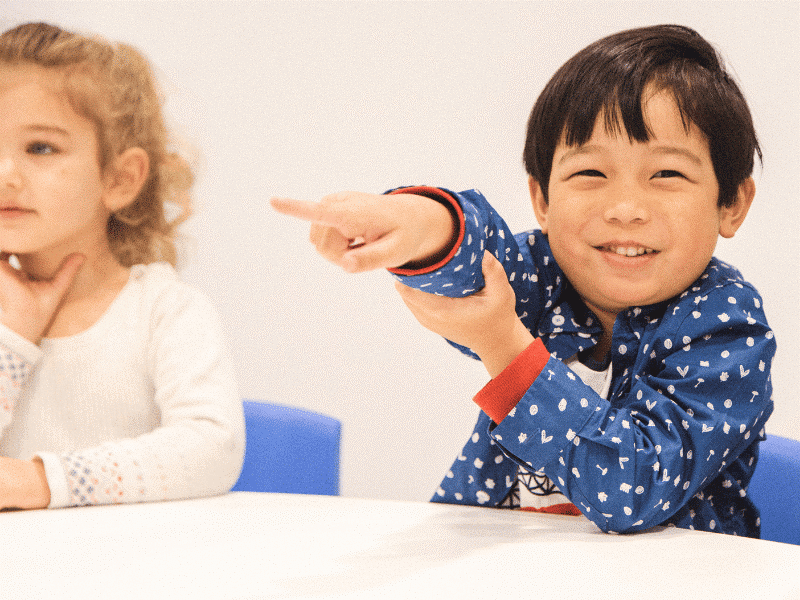
Photo by Shichida Australia: Confidence, focus and more! Discover how coordination exercises at Shichida help your child thrive.
Looking for a proven way to boost your child’s motor skills, focus, and confidence? Shichida Australia offers a holistic learning approach that nurtures physical coordination, brain development, and emotional growth- all through fun, age-appropriate activities.
Book a trial class today and see how the Shichida Method can help your child thrive – in movement, learning, and everyday life. Spots fill quickly – so don’t delay!
FAQs
Coordination exercises are physical activities that help children control and synchronise their body movements. These include ball games, dancing, jumping, obstacle courses and other playful movements that support motor development.
Watch for signs like frequent tripping, difficulty catching or kicking, poor balance, or frustration during movement-based tasks. These may indicate coordination challenges that could benefit from targeted support.
Try activities like balloon tap, Simon Says, beanbag toss, hopscotch, animal walks, or dancing to music. These are simple, engaging ways to strengthen coordination in a playful setting.
Yes. Coordination activities can improve focus, memory, and body awareness – all of which support learning. They’re especially helpful for children with attention difficulties or developmental delays.
Aim for daily movement. Ideally, children should engage in 15 – 30 minutes of coordination activities at least 3 to 5 times a week to build and maintain strong motor skills.