
Creative and Fun Alphabet Activities for Preschoolers
One of every parent’s hopes when their child starts school is that they’ll develop a love for learning. Ideally, learning should feel natural and enjoyable – not like a chore or obligation. It should be a positive challenge that supports growth, development and the shaping of a well-rounded child – not a source of stress or pressure.
When learning is creative and fun, it becomes something children genuinely enjoy. This article will guide you through a range of engaging and creative alphabet activities for preschoolers that will help your child feel excited about learning. These simple ideas aim to make the early stages of their educational journey joyful and memorable.
Keep these tips in mind and watch your child grow into a curious, confident and relaxed learner!
Why Alphabet Activities Are Important in Early Childhood Education
Understanding letter recognition and phonemic awareness is a key part of early literacy. These essential pre-reading skills lay the foundation for confident reading later on.
Alphabet activities for preschoolers are designed not only to support literacy but also to strengthen cognitive development, fine motor skills, and vocabulary – giving your child the tools they need to succeed in school and beyond.
Benefits of Alphabet Play-Based Learning
Learning through play not only makes the process more enjoyable but also improves retention. Play-based alphabet activities for preschoolers help children develop emotionally, cognitively, and physically – all while having fun.
By incorporating games and hands-on experiences, your child becomes more engaged and excited to explore letters and sounds, building both confidence and a genuine love for learning.
Developmental Milestones and Age Appropriateness
Children typically begin recognising letters around age 3, but every child develops at their own pace. It’s helpful to tailor alphabet activities based on your child’s stage – whether they’re a baby just starting to explore textures or a toddler gaining interest in letters and sounds.
For babies and younger toddlers, sensory-based activities – like finger-tracing letters in sand or squishing playdough into letter shapes – can be both fun and beneficial. As your toddler grows, you can gradually introduce more structured tasks like matching letters to objects or even recognising simple words.
Alphabet Sensory Activities for Hands-On Learning
Sensory-rich experiences help your child learn about letters through touch and movement. Engaging their senses builds neural connections and reinforces their understanding. By using textures, nature, and everyday materials, you can make letter recognition feel like an exciting adventure for your preschooler!
Alphabet Tracing in Sand or Salt
Tracing letters in sand or salt is a fun, tactile way to reinforce letter shapes through sensory play. Simply set up a shallow tray with sand or salt, and encourage your child to trace letters or shapes using their finger or a small stick.
This hands-on activity not only strengthens fine motor skills but also improves memory retention by engaging their sense of touch. It’s especially ideal for toddlers and preschoolers aged 3 to 5.
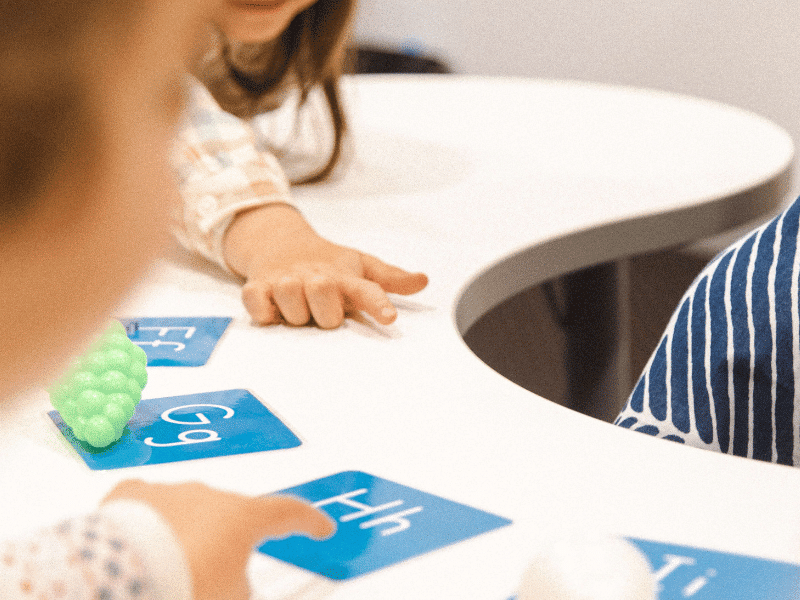
Photo by Shichida Australia: Shichida classes are well known for their fun alphabet activities for preschoolers – here preschoolers are playing an alphabet matching game.
Play Dough Letter Mats
Forming letters with play dough is a fantastic way to boost muscle memory and hand-eye coordination. Lay out alphabet mats and guide your child as they roll and shape the dough to match each letter.
This hands-on activity reinforces letter recognition while strengthening fine motor skills, making it both playful and educational – perfect for toddlers and preschoolers who learn best through touch and movement.
Water Bead or Rice Letter Hunts
Create a sensory letter hunt by hiding plastic or foam letters in a bin filled with water beads or rice. Let your child dig through the textures to find and name each letter they uncover.
This tactile exploration strengthens letter recognition while offering a fun, hands-on experience. It’s a great way to combine play and learning – just be sure to supervise closely, especially with small items like beads.
Fun Alphabet Crafts and DIY Ideas
Alphabet crafts are a great way to make learning letters both creative and educational. These fun, hands-on projects help reinforce letter shapes and sounds while giving your child a chance to express their imagination.
Actively encourage your child to explore their creativity. Along the way, they’ll strengthen early literacy skills and gain confidence with letters in a relaxed, playful way.
Letter Collage Crafts
Make a letter collage by cutting out pictures from magazines or using themed stickers. Choose a specific letter (like “B”) and have your child glue on images or objects that start with that letter – ball, banana, butterfly, and so on.
This hands-on craft reinforces letter sounds and recognition, encourages creativity and vocabulary building. Defnitely a popular fun and effective early literacy activity!
Alphabet Painting with Q-tips or Sponges
Turn painting into a learning opportunity by using Q-tips or sponges to paint letters. Dip them in washable paint and let your child stamp or trace letters on paper.
This letter recognition activity combines tactile and visual learning, helping your child engage with letter shapes in a fun, hands-on way. It’s a creative and educational experience that supports fine motor skills and early literacy.
DIY Alphabet Books
Make a personal ABC book by drawing pictures or adding photos that represent each letter. Let your child help by choosing or creating images that start with the corresponding letter – like apple for A or zebra for Z.
This hands-on project supports letter recognition, expands vocabulary, and encourages storytelling. It also gives your child a special book they can be proud of and revisit often.
Active and Movement-Based Alphabet Games
For kinesthetic learners, combining physical activity with alphabet learning is a great way to build both gross motor skills and early literacy. These energetic games turn letter recognition into a fun, full-body experience.
Let your child jump, run, and play their way through the alphabet – while reinforcing what they’ve learned in a way that sticks.
Alphabet Hopscotch or Floor Maze
Set up a hopscotch path or floor maze using letters instead of numbers. As your child jumps or steps from one letter to the next, have them say each letter out loud.
This engaging preschool learning game promotes physical activity while reinforcing letter recognition in a fun, dynamic, and hands-on way.
Letter Scavenger Hunts
A letter scavenger hunt is a great way to get your child moving while learning. Hide letter cards around the house and challenge your child to find and identify them as they go.
You can adjust the difficulty by adding clues, focusing on specific letters, or asking them to find an item that starts with each letter – making it a more interactive and engaging learning experience.
Musical Alphabet Game
A fun twist on musical chairs, this game combines music, movement, and letter learning. Play music while your child moves around the room. When the music stops, call out a letter, and they must find it and stand on it.
This movement-based alphabet game makes learning memorable – while reinforcing letter recognition in a fun way.
Printable and Digital Alphabet Activities
Alongside hands-on games and alphabet activities for preschoolers, printable worksheets and digital tools can offer extra support for your child’s letter learning. Just remember to balance screen time with traditional play to create a well-rounded and engaging alphabet experience.
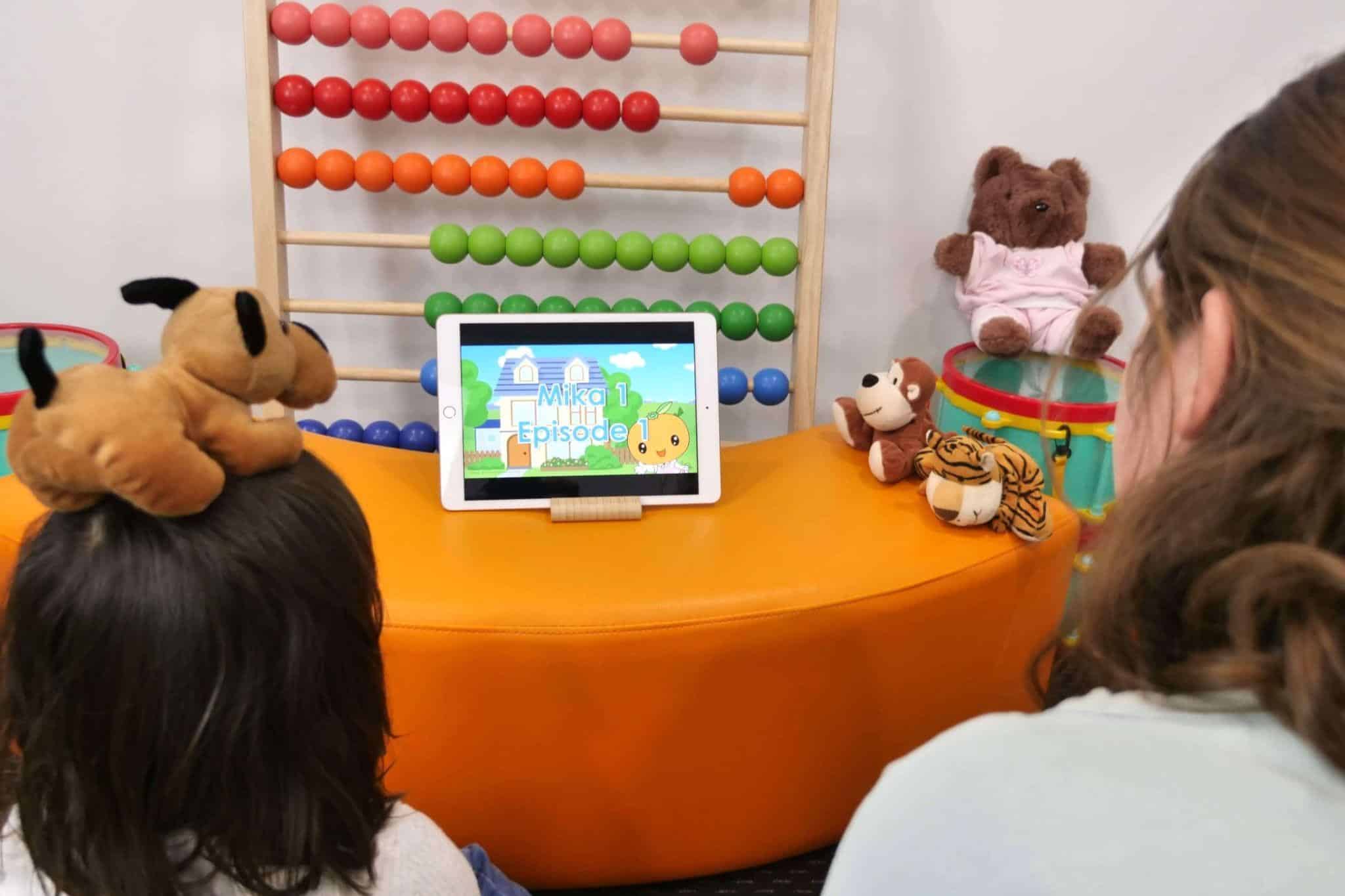
Photo by SHICHIDA at Home: Parents and children spend quality time with purpose, using the SHICHIDA at Home learning content that is child safe, engaging, and fully ad free. The program includes alphabet activities for preschoolers designed to build early literacy in fun and meaningful ways.
Alphabet Worksheets and Flashcards
Printable alphabet worksheets for kids and flashcards are great for reinforcing letter recognition at home. You can find free resources and worksheets that focus on writing, tracing, and identifying letters, helping your child develop both cognitive and fine motor skills while keeping them engaged in fun, structured learning.
You can learn more about flashcards here.
Educational Apps and Interactive Games
Consider both free and paid apps that offer interactive alphabet games for preschoolers. These digital learning tools can be a great supplement to traditional learning, with features that reinforce letter recognition, phonics, and early spelling.
Just remember to keep screen time balanced – digital learning works best when paired with hands-on, real-world experiences.
You can try a free 30-day trial of the SHICHIDA at Home learning content.
Integrating Alphabet Learning into Daily Routines
Incorporating alphabet activities for preschoolers into everyday routines helps make literacy feel natural and effortless. By using simple, everyday moments to reinforce letter recognition, you can support your child’s learning without relying on formal lessons – just everyday fun with purpose.

Photo from Pexels: Incorporate learning during bedtime with calm, simple alphabet activities for preschoolers – like letter songs or bedtime stories – to support early literacy in a relaxed setting.
Alphabet in Storytime and Songs
Songs and books are a wonderful way to reinforce alphabet learning. Sing familiar tunes like the ABC song or read alphabet-themed books that highlight letters and their sounds. Children often remember letters more easily when they’re paired with rhythm, repetition and storytelling.
Cooking with Letters
Use alphabet-shaped cookie cutters to make fun letter cookies, pancakes or even sandwiches. This kitchen activity creates an opportunity to recognise and explore letters. It’s a tasty way to reinforce alphabet learning while spending quality time together.
Labeling Household Items
Label everyday items around your home – like the fridge, door, table, or toy box – with their corresponding names. You can even label your child’s bedroom door with their name to build early name recognition and spelling awareness. This creates print awareness and helps your child connect letters and words with the world around them.
Tips for Supporting Your Preschooler’s Alphabet Journey
Creating a supportive learning environment at home is key to nurturing your child’s literacy development. Be patient and flexible – every child learns at their own pace.
Encouragement Without Pressure
Encourage your child’s progress without applying pressure. Offer praise and celebrate small wins, helping them build confidence and a love for learning. Avoid comparing your child’s progress to others, as each child develops at their own unique pace, especially when it comes to early literacy skills.
Combining Letters with Sounds
As you teach the alphabet, introduce sounds along with letter names. Early phonics activities for preschoolers help bridge the gap between recognising letters and understanding how they sound. This sets the stage for reading, allowing your child to transition smoothly from letter recognition to word formation and decoding.
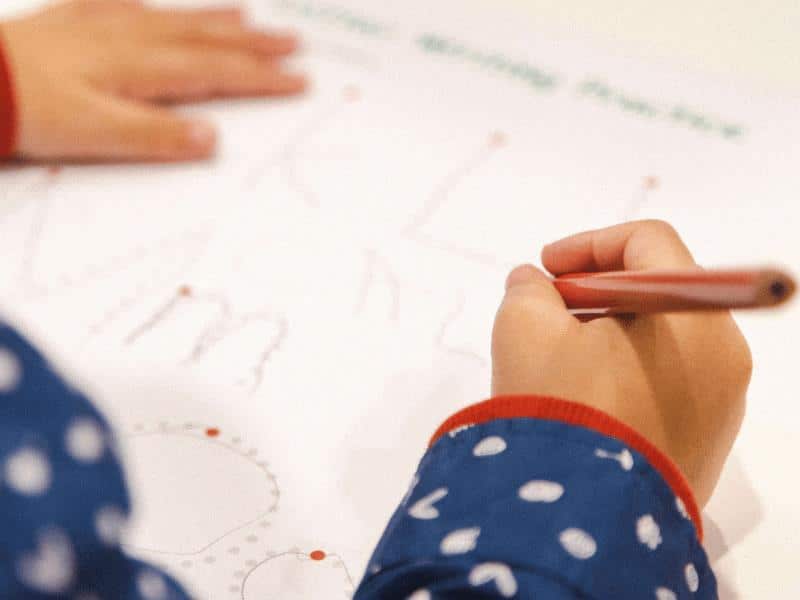
Photo by Shichida Australia: Preschool kids complete a variety of fun phonics awareness games and activities in every Shichida class, including letter tracing with guidance on correct stroke order and pencil grip. These hands-on alphabet activities for preschoolers help build early literacy skills with confidence.
Help your child develop a love for learning through fun, hands-on alphabet activities for preschoolers that develop curiosity and confidence. At Shichida Australia, we believe in nurturing early literacy with creative, sensory-rich methods that make learning exciting.
Give your child the best start to their educational journey. Book a trial class today and experience the Shichida difference!
FAQs
Most children begin recognising letters around age 3. However, every child is different. The key is to introduce alphabet activities in a fun, low-pressure way that matches your child’s pace and interest.
Games like alphabet hopscotch, letter scavenger hunts, and musical alphabet games are great for 3-year-olds. These playful activities combine movement with learning, making letter recognition both fun and interactive.
Use play-based learning methods like sensory letter tracing, DIY alphabet crafts, and singing letter-themed songs. These interactive activities are hands-on, enjoyable, and often more effective than traditional worksheets for early learners.
Both sensory activities and flashcards have an important place in early learning. Sensory activities can make learning more engaging by involving touch and movement, helping children connect with letters in playful ways. Flashcards on the other hand, build quick recognition and memory. A balanced mix of both can support strong letter learning.