Pre writing Skills: The Foundation for Early Writing
Ever watched your toddler doodling shapes or squiggles on paper? Those aren’t just abstract scribbles – they’re early signs of writing readiness.
Pre writing skills are crucial as they lay the foundation for your child to write letters and words neatly. These skills help your child strengthen their hands, improve coordination, and develop the control they’ll need for forming letters and words.
By focusing on these foundations now, you’ll give your child a head start in writing – and help them feel more confident when it’s time to pick up a pencil.
This article explores how pre writing skills pave the way for writing success. You’ll learn how to support your child’s writing readiness through fun, hands-on prewriting activities that promote fine motor skills, hand-eye coordination, and visual-motor integration.
You’ll also learn how to recognise when your child might need a little extra help along the way.
Understanding Pre Writing Skills
Before learning to write, children need strong pre writing skills. These skills build the physical and mental foundation for writing, boosting confidence and coordination. It’s more than a good pencil grip; it’s about helping the brain and body work together. Mastering these skills shows school readiness and supports long-term academic success.
What Are Pre Writing Skills?
Pre writing skills are the fundamental motor and cognitive abilities children need in order to learn how to write. These skills help your child grip a pencil, draw, copy shapes, and colour with control. The core components of pre-writing include fine motor skills, gross motor skills, visual motor integration, hand-eye coordination and bilateral coordination.
When nurtured through play-based learning and daily routines, these abilities help children become more confident and capable writers. Pre-writing activities don’t just support pencil control – they also develop focus, planning, and a sense of accomplishment, all of which are important for future academic success.
Why Pre Writing Skills Matter
Pre writing skills lay the groundwork for children to take on more complex tasks. Without these foundational skills, children may become easily frustrated, resist writing, and lose confidence or interest in learning.
When pre writing is taught and supported, children are more likely to:
- Develop a correct and comfortable pencil grip.
- Write letters with better accuracy and control.
- Use appropriate spacing and alignment.
- Practice writing for longer periods without fatigue.
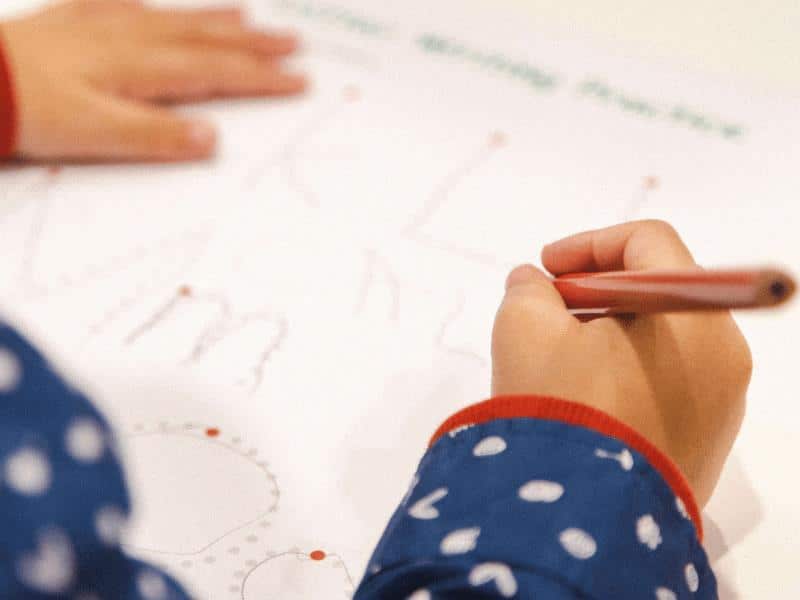
Photo by Shichida Australia: A preschooler with a comfortable pencil grip tracing letters in a Shichida class.
Key Components of Pre Writing Skills
Pre writing skills are a combination of developmental abilities that work together to prepare young children for writing. They include both perceptual and motor development skills, and each one plays a specific role in getting your child ready to write. Recognising these abilities allows you to support your child in meaningful and enjoyable ways.
Fine Motor Skills
Fine motor skills involve the small muscles of the hands and fingers used for holding writing tools and grasping objects. Strengthening these muscles helps children hold a pencil correctly, apply appropriate pressure, and move their hands with control.
Fine motor activities include:
- Playing with playdough to strengthen finger muscles
- Using tweezers to pick up small objects
- Beading or lacing cards
- Peeling stickers or tearing paper
These exercises help children comfortably wrap their fingers around a pencil and begin forming letters as they learn to write.
Gross Motor Skills
Although writing primarily uses the hands, it also depends on larger muscle groups in the arms, shoulders, and back. Strong gross motor skills support posture and sitting tolerance – essential for extended writing tasks.
Exercises to build gross motor skills include:
- Climbing playground equipment
- Crawling through tunnels
- Throwing and catching balls
- Wheelbarrow walking or animal walks
Strengthening these muscles helps children maintain better posture and control when writing, which reduces fatigue. In fact, tired hand muscles are one of the most common reasons young children avoid writing or say they don’t enjoy it!
Visual-Motor Integration
Visual-motor integration is the ability to process visual information and guide hand movements accordingly. This skill is essential for copying letters, words, and shapes accurately.
Activities that support visual-motor integration:
- Tracing lines, shapes, and letters
- Solving mazes or connecting the dots
- Drawing simple pictures by copying models
- Repeating patterns with blocks or beads
Good visual-motor integration helps children keep writing on a line, form letters correctly, and space them evenly on a page.
Hand-Eye Coordination
Hand-eye coordination is the ability to use visual input to guide hand movements. It helps children write within lines, stay between margins, and use their pencils accurately.
Activities to develop hand-eye coordination:
- Catching or bouncing a ball
- Stacking blocks or cups
- Threading beads on a string
- Hammering pegs or using play tools
As children develop this skill, they gain confidence in tasks that require precision, such as writing and drawing.
Bilateral Coordination
Bilateral coordination is the ability to use both sides of the body together in a coordinated way. Writing involves one hand stabilising the paper while the other writes, so this skill is essential for fluent writing.
Activities that build bilateral coordination include:
- Cutting with scissors
- Hand rhymes or clapping games
- Tearing paper with two hands
When children can smoothly coordinate both hands, writing becomes more natural and efficient – paving the way for stronger fine motor skills and greater writing success.
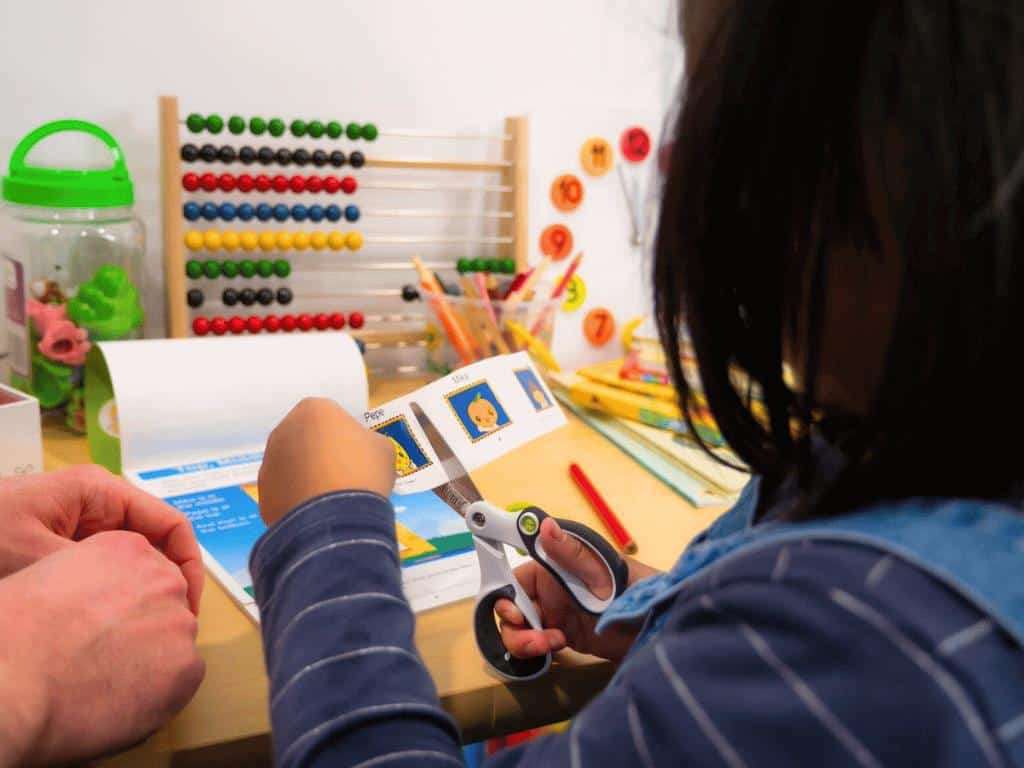
Photo by SHICHIDA at Home: Cutting is a great way to strengthen hand muscles for writing activities.
Developmental Milestones in Pre-Writing
Pre writing development is a gradual process that begins with early scribbles and progresses toward more controlled writing strokes. Each stage is an important step that helps prepare children for formal writing. Understanding these pre writing milestones and forming realistic pre writing expectations – allows parents to support their child’s skill development with age-appropriate strategies and realistic goals.
Age 2–3 Years
At this stage, children begin exploring early writing through spontaneous and imitative scribbling. While their marks may seem random, they are crucial for developing motor control and hand-eye coordination.
Expected milestones:
Random scribbling with crayons or pens
- Spontaneous strokes in vertical, horizontal, or circular motions
- Imitating basic lines and circles
Age 3–4 Years
As fine motor skills continue to improve, children begin to show more intentionality in their markings. They can copy basic shapes and lines, demonstrating the ability to visually process and recreate forms.
Expected milestones:
- Copying horizontal and vertical lines
- Copying circles
- Imitating plus signs (+), diagonal lines (/ and \ ), and squares
Age 4–5 Years
By this age, many children have stronger motor coordination and visual-motor integration.They start creating complex forms and attempting actual letters, indicating readiness for early writing instruction.
Expected milestones:
- Copying plus signs, squares, and diagonal lines
- Tracing straight lines
- Imitating X and triangle (Δ) shapes Holding a pencil using a functional writing grasp
Engaging Activities to Enhance Pre Writing Skills
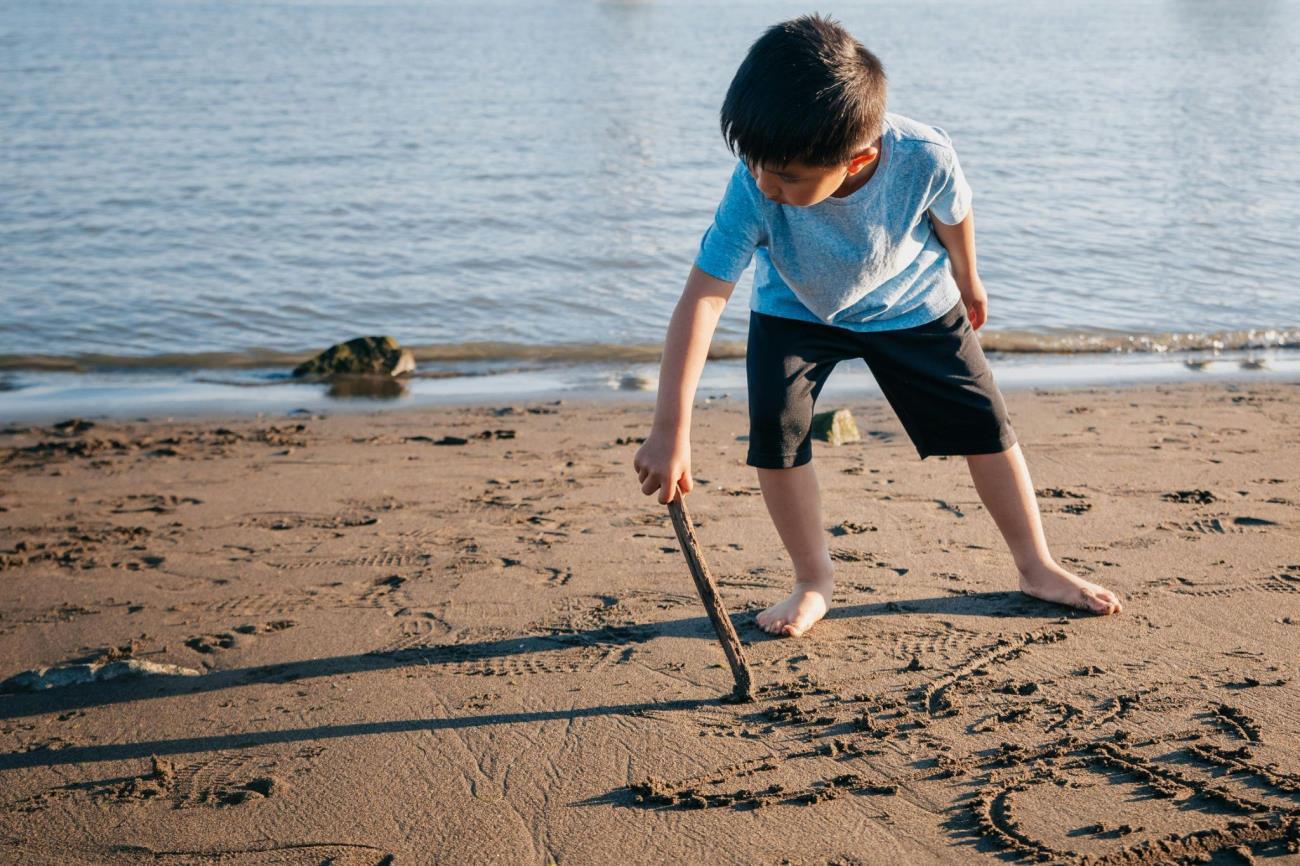
Photo from Pexels: Make learning fun and creative. Anywhere you go is a chance to learn.
Worried your child might fall behind? Don’t be – there are plenty of fun, effective activities you can do at home to strengthen their pre writing skills. You don’t need expensive tools or fancy programs. These simple, hands-on exercises are proven to build the foundational skills your child needs to become a confident writer. Here are some creative and engaging ways to support their development through everyday play.
Sensory Play
Sensory activities help children develop tactile awareness and fine motor control, laying the groundwork for writing.
Activities:
- Sand or Rice Writing Trays: Fill a shallow tray with sand or rice, and have children use their fingers or small tools to draw shapes, lines, or letters. This activity enhances finger strength and coordination.
- Finger Painting: Let children paint with their fingers to develop hand strength and fine motor control, both essential for writing.
Art Projects
Artistic activities encourage creativity while strengthening the muscles needed for writing.
Activities:
- Crayon Drawing: Encourage children to draw using crayons instead of markers. Crayons require more pressure, helping build stronger hand muscles.
- Cotton Ball Painting: Have children dip cotton balls into paint and dab them onto paper. This activity helps practice grip strength and control.
Manipulative Games
Manipulative play enhances hand-eye coordination and problem-solving skills, crucial for writing development.
Activities:
- Puzzles: Solving puzzles helps improve fine motor skills for kids and cognitive abilities.
- Building Blocks: Playing with blocks strengthens hand muscles and improves coordination.
Outdoor Play
Outdoor activities combine gross motor skills with creativity, supporting overall writing readiness.
Activities:
- Chalk Drawing: Drawing large shapes or letters with sidewalk chalk encourages big arm movements and supports muscle development.
- Water Painting: Give your child a brush and a bucket of water to paint outdoor surfaces. It’s a fun, low-pressure way to practice writing strokes and coordination.
Creating a Supportive Environment at Home
As a parent, you play a big role in making learning both fun and purposeful. Whether it’s through providing materials, enrolling in classes, or offering encouragement, your support shapes their journey. A dedicated study space, even a small corner, helps kids focus. Consistent routines make learning feel easier and more predictable. Most importantly, your praise and guidance help build their confidence and a genuine love for learning.
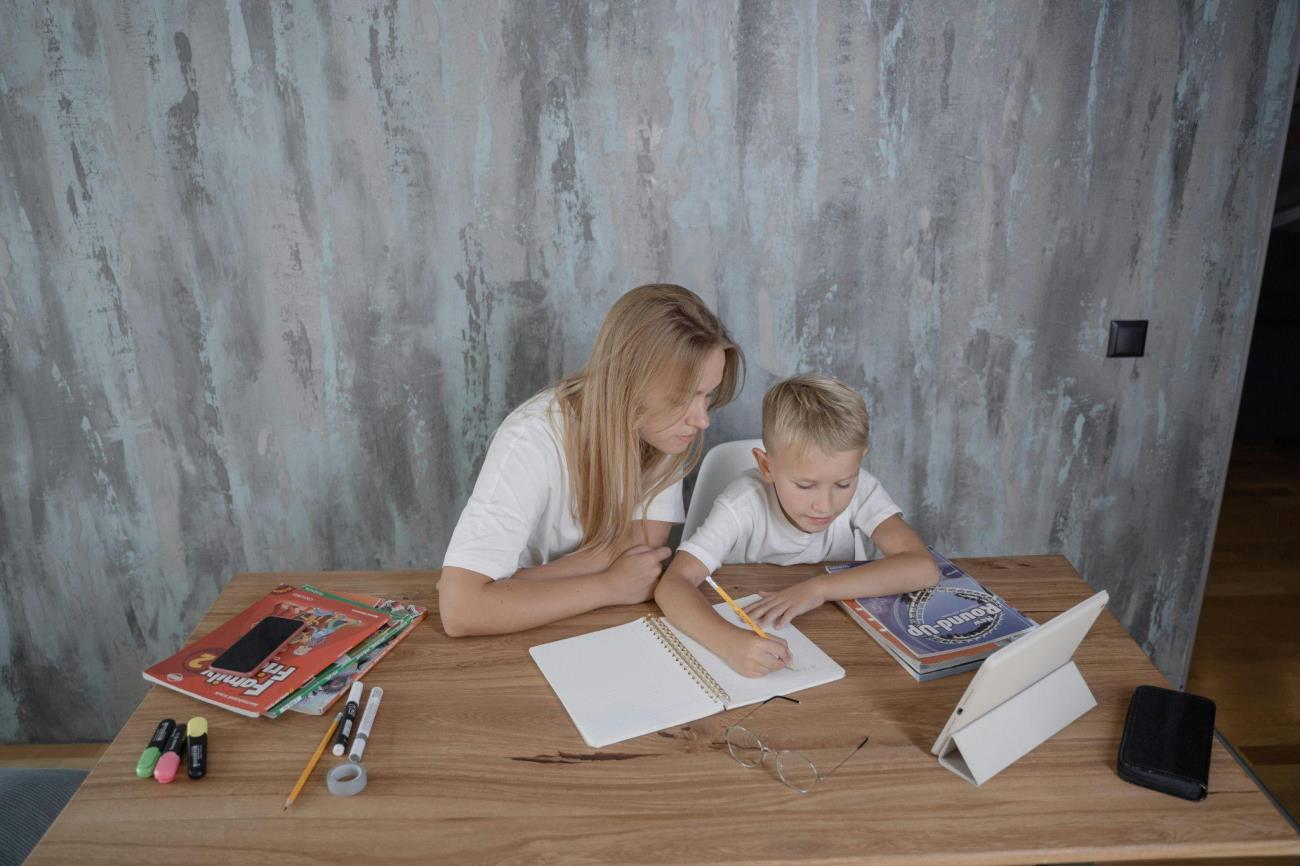
Photo from Pexels: Be intentional in supporting your child’s learning.
Designated Writing Area
Creating a special space just for writing can motivate children to engage in writing activities regularly. The area should be comfortable, well-lit, and stocked with plenty of materials to inspire creativity.
Suggestions:
- Comfortable Workspace: Set up a child-sized table and chair to support good posture and comfort during writing sessions.
- Variety of Writing Tools: Provide a mix of pencils, crayons, markers, erasers, and different types of paper to keep things fun and interesting.
- Fun Elements: Add stickers or stamps to the writing materials so your child can decorate their written pieces, making the activity even more enjoyable.
- Inspiring Decor: Decorate with educational posters, your child’s own artwork, and a few motivational quotes to make the space inviting.
- Accessibility: Keep all materials within easy reach to encourage your child to use them independently.
A well-equipped writing corner gives your child a special place to practice and build their writing skills.
If your child is more interested in drawing than writing at first, that’s perfectly fine too! Drawing strengthens hand control and pencil grip. You can encourage them to label their pictures, title their drawings, or even write a short note or postcard to a family member. Creativity is your friend when building early writing habits.
Incorporating Writing into Daily Routines
Bringing writing into everyday activities helps children see how useful and fun writing can be – and it reinforces their skills naturally.
Ideas to try:
- Grocery Lists: Let your child help write down items as you plan your shopping trip together.
- Thank-You Notes: Encourage your child to write simple thank-you notes for gifts or kind gestures.
- Daily Journals: Set aside a few minutes each day for your child to draw or write about their day.
- Labels and Signs: Invite your child to make labels for household items or fun signs for their room.
Adding small writing activities into daily life makes writing feel natural – and something to look forward to.
Recognising and Addressing Challenges
Supporting your child’s pre writing development means not only encouraging their progress but also noticing when they might need extra help. Some children may show early signs of difficulty that, if addressed promptly, can be managed successfully. Understanding these challenges helps parents act early, offering support or seeking professional guidance when needed.
Common Signs of Difficulty
Some children may resist writing activities or struggle with tasks that their peers manage more easily. These signs may suggest a delay or difficulty in pre writing skill development. Common indicators include:
- Avoiding drawing or colouring activities
- Holding a pencil awkwardly or with too much pressure
- Difficulty tracing or copying shapes
- Fatigue or frustration during fine motor tasks
- Poor control over the pencil, resulting in overly large or shaky lines
Early intervention is key. Identifying these challenges early allows for strategies to be put in place before writing tasks become frustrating or discouraging.
Seeking Professional Support
If you notice ongoing challenges with pre writing skills, it’s a good idea to consult with a professional – and that’s perfectly okay. Educators and paediatric specialists can offer general advice, but an occupational therapist can provide a detailed assessment and targeted strategies. These professionals can evaluate fine motor skills, visual-motor integration, and other developmental areas involved in writing.
Professional support might include:
- Tailored fine motor exercises
- Hand-strengthening activities
- Visual perception training
- Recommendations for adaptive tools or classroom strategies
Seeking help early shows your commitment to your child’s success and gives them the best chance to build strong writing foundations.
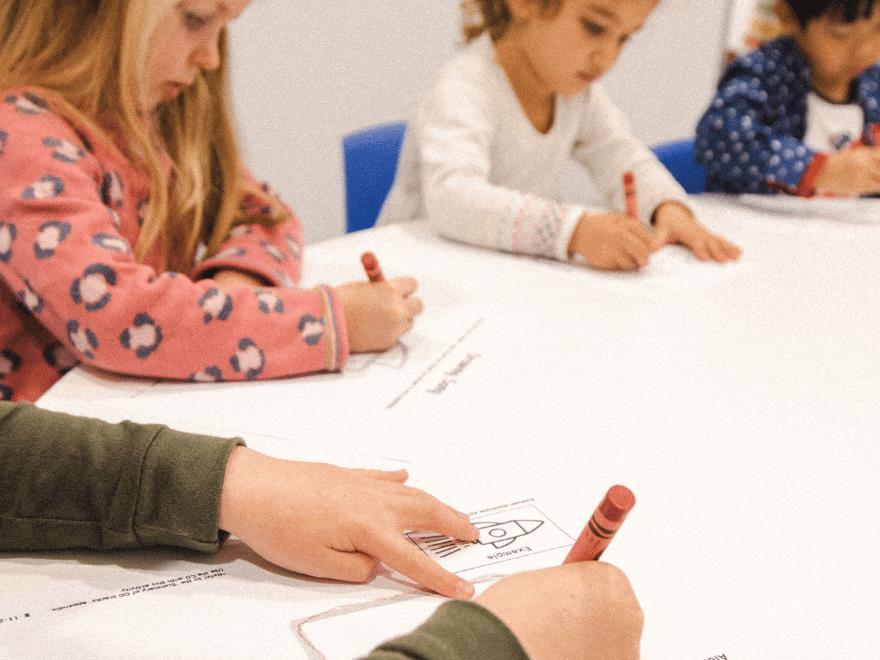
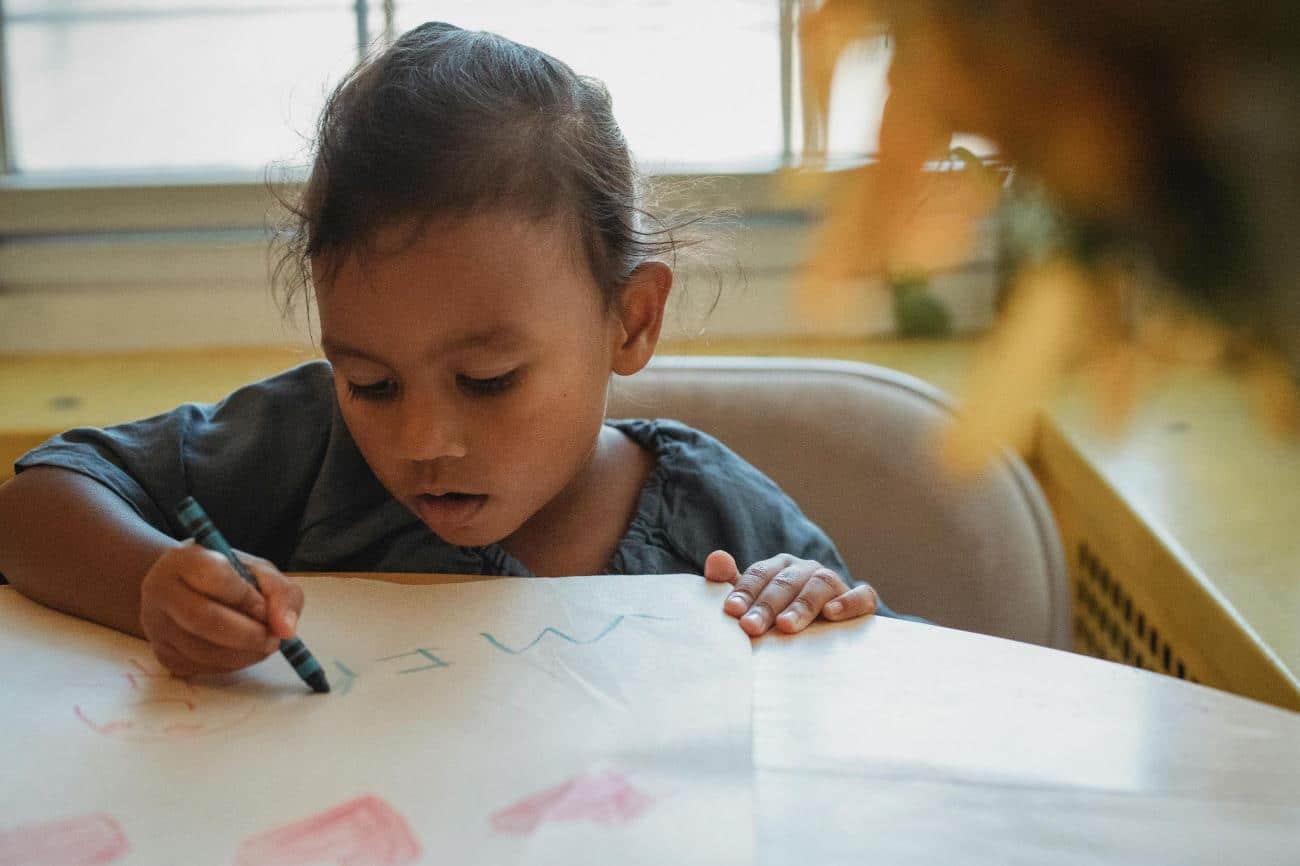
Photo by Shichida Australia: Pre writing skills are strengthened through drawing activities with crayons. In this Shichida class, children are drawing a rocket while being guided by a song.
Help your child build a strong writing foundation with Shichida Australia’s early learning programs. Shichida offers classes and fun activities where children develop essential pre writing skills through hands-on play, movement, and guided learning.
Book a trial class today and start your child’s journey to confident writing!
FAQs
Children usually start around 1 to 2 years old, beginning with simple scribbling and play-based activities.
Make it fun! Try drawing, tracing, and hands-on play like sensory bins or painting. Always praise their efforts to keep their confidence growing.
Chunky crayons, washable markers, playdough, tweezers, and lacing toys are great choices for building hand strength and coordination.
Around 10–15 minutes a day is usually enough for most young children. Keep it light, playful, and stress-free.
If your child avoids writing, struggles to hold writing tools properly, or becomes frustrated easily, it’s a good idea to seek professional advice early.