Imaginative Play for Toddlers: Benefits and Ideas
Please excuse the mess – the children are making memories.
If you’re a parent, you probably know exactly what that means. When there’s a toddler in the house, messes become part of everyday life. Toys on the floor, costumes everywhere, and pretend tea parties in the living room are all signs of a busy, curious child.
One of the best reasons behind all that clutter? Imaginative play for toddlers. While it may just look like fun, pretend play for toddlers is doing a lot of important work behind the scenes. It builds crucial key skills that support early childhood development.
In this article, we’ll explore the benefits of imaginative play, share simple and fun toddler pretend play ideas, and highlight how creative play supports learning, social skills, and emotional growth.
What is Imaginative Play in Toddlers?
Imaginative play – also known as pretend play, dramatic play, or make-believe – is when toddlers use their creativity to act out stories, take on roles, or re-create everyday scenarios. This type of play typically begins between 12 and 18 months and becomes more complex as children grow. It can be as simple as pretending to feed a doll, or as detailed as running a pretend supermarket using leaves as money, empty grocery sachets, and stuffed toys as customers.
For toddlers aged 1 to 4, imaginative play might look like serving invisible tea, turning an empty cardboard box into a car, or pretending to be a doctor treating a teddy bear. These activities allow toddlers to explore the world, express their feelings, understand themselves and others, and experiment with new ideas and problem-solving strategies.
At the heart of imaginative play is symbolic thinking which is the ability to let one thing represent another. A stick becomes a magic wand; a badminton racket, a guitar. This early skill supports language development, emotional intelligence, and cognitive flexibility, and it’s one of the first signs that a child’s brain is making complex connections.
Key Characteristics of Imaginative Play
Imaginative play has a few clear signs that show your toddler is exploring the world with creativity and purpose:
- Role-play: You’ll see your child pretending to be someone else – a doctor, police officer, superhero, or animal. They might copy how these roles dress, speak, or behave. Role-play is all about your child stepping into someone else’s shoes and acting out that character.
- Make-believe scenarios: Your child might pretend to run a grocery store, act like a flight attendant, or go on an overseas trip – using simple props, household items as costumes, and a whole lot of imagination.
- Using objects symbolically: Toddlers are naturally inventive. You’ll notice everyday items take on new roles in their pretend worlds – a remote becomes a mobile phone, a fork becomes a comb, and a soft broom turns into a paddle for their make-believe boat.
- Simple storytelling: Your child may start acting out little stories with a beginning, middle, and end. They might imagine themselves as a Disney princess or a brave knight on a mission. This kind of play helps build early storytelling, sequencing and narrative skills.
Why Toddlers Engage in Pretend Play
To your toddler, pretend play is more than just a fun activity. When toddlers engage in symbolic or open-ended play, they’re tapping into something meaningful. Here are a few key reasons why:
- Curiosity and creativity: Toddlers are naturally curious and eager to explore the world around them. Pretend play gives them a safe way to experiment with ideas, test out how things work, and express new emotions creatively.
- Imitating adults: Children love copying what adults do – from dressing up and pretending to cook dinner to caring for a baby doll or cleaning the house. Pretend play helps them mirror everyday routines in a fun, relatable way.
- Cognitive milestones: Around age two, toddlers experience a burst in language development. As their vocabulary and communication skills grow, pretend play becomes more detailed. They start to understand other people’s thoughts and feelings, laying the groundwork for empathy and perspective-taking.
- Social development: Whether playing with siblings, friends, or even stuffed animals, toddlers begin to show signs of empathy and learn how relationships work. Pretend scenarios give them a way to practise turn-taking, problem-solving, and sharing – all important social skills.
Benefits of Imaginative Play for Toddlers
Imaginative play supports your toddler’s development across many areas – cognitive, emotional, social and physical. From learning new words to understanding feelings and building relationships, pretend play is a natural and important part of early childhood development. Through this kind of play, your toddler explores ideas, practises skills, and makes sense of the world around them. It’s a simple activity with powerful impact.
Language and Communication Skills
When you watch your toddler engage in pretend play, you’ll be amazed by how they create their own conversations. You might hear them say words you’ve never taught them, repeat things adults say, or make up their own little stories. One day they might pretend to be a teacher, the next a chef, and another day a doctor or bus driver. Whoever they admire, they bring that role to life- and you can see their speech becoming clearer and more confident.
Imaginative play supports language growth and early literacy by encouraging children to use words in different contexts. Over time, this strengthens communication skills and prepares them for conversations at school and engagement with the broader community.
Emotional Development and Self-Regulation
Through pretend play, toddlers begin to express and make sense of emotions they may not yet fully understand. They might act out being scared, excited, sad, or proud through characters and imaginary situations – giving them a safe and playful way to explore big feelings.
Role-play also builds emotional regulation and empathy. When a child pretends to care for a sick toy or comforts a sad stuffed animal, they’re practising how to respond to emotions – both their own and others’. These moments lay the groundwork for developing both IQ and EQ, shaping how children think, feel, and relate to the people around them.
Problem-Solving and Critical Thinking
Imaginative play is filled with mini-challenges. A child might figure out how to build a fort using couch cushions or decide what their character should do next. These scenarios help toddlers practise decision-making, planning, and thinking ahead.
Pretend play also helps them understand cause and effect. As they explore different outcomes and ideas, their problem-solving and critical-thinking skills grow stronger.
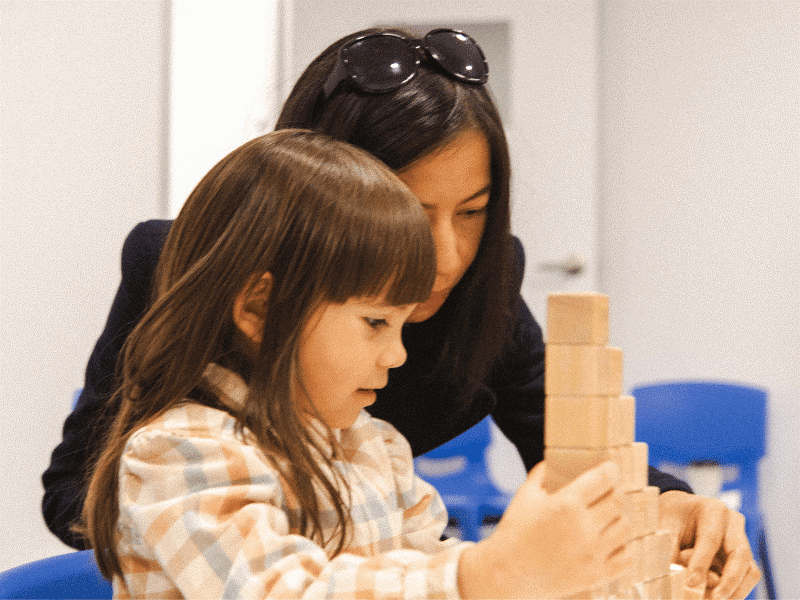
Photo by Shichida Australia: A child and parent build a block tower during class at Shichida Australia – practising grip strength, hand-eye coordination and early counting skills in one fun activity. Block play is a wonderful form of imaginative play for toddlers, encouraging creativity and problem-solving.
Social Skills and Empathy
When toddlers play with others, they learn to share ideas, take turns, and listen. Playing “family,” “doctor,” or “supermarket” usually involves more than one child, and these activities naturally teach cooperation and communication.
Imaginative play also supports empathy. Taking on roles like a parent, pet, or patient helps toddlers see the world from someone else’s perspective, developing kindness and social understanding.
Fine and Gross Motor Skills
Imaginative play also involves movement. Dressing up, pretending to pour tea, organising pretend groceries, or running around as a superhero all help build coordination.
These activities support both fine motor skills (like finger and hand control) and gross motor skills (like balance and strength). Physical play also builds body awareness, which is essential for everyday tasks like climbing stairs, holding a pencil or tying shoelaces.
20+ Imaginative Play Ideas for Toddlers at Home
Toddlers have a remarkable ability to find fun in everyday things. With just a bit of encouragement, a box becomes a vehicle, a blanket turns into a hiding spot, and a wooden spoon takes on a whole new purpose. Imaginative play gives toddlers the chance to explore, communicate, and practise problem-solving skills in their own creative way.
If you’re looking for fresh ways to support your child’s imagination, here’s a list of more than 20 easy ideas using common household items. Whether it’s pretend cooking or building a simple fort, these activities offer engaging, screen-free fun that helps support your toddler’s learning and development.
Role Play Ideas
Pretend roles allow toddlers to practise communication, explore emotions, and build confidence in a fun, low-pressure way.
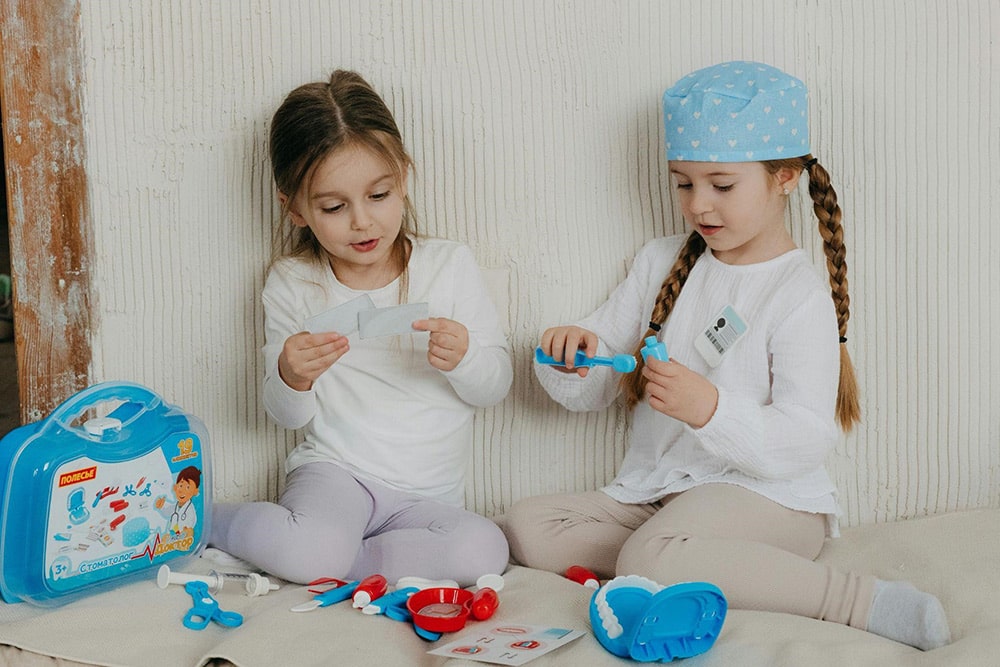
- Doctor: Use a chair as the exam table and safe kitchen tools as medical instruments. Teddy bears and dolls make great patients.
- Shopkeeper: Set up a mini shop using pantry items. Toddlers can “sell” using pretend money made from paper or leaves.
- Parent or Caregiver: Create a little baby care area with dolls, blankets, and bottles. Toddlers can feed, dress, and comfort their “babies.”
- Teacher: Make a simple classroom using paper and crayons. Your child can “teach” their toys – or you.
- Chef: Use felt, play-dough, or safe kitchen tools to make pretend meals. Turn a table into a restaurant or kitchen counter.
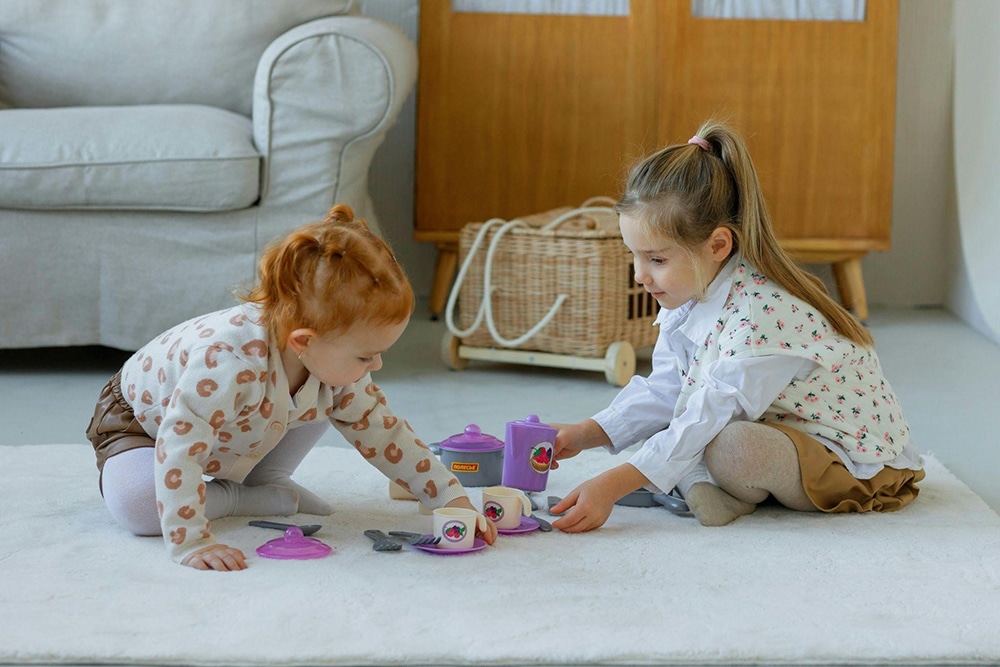
Photo from Pexels: A pretend tea party is more than just fun – it’s imaginative play for toddlers that builds social skills, language, and creativity as children pour, serve, and chat with their playmates.
Imaginative Play with Toys
Toy play can fuel creativity and encourage storytelling.
- Dollhouse Adventures: Have dolls or action figures act out daily routines or made-up stories.
- Farm Animals: Build enclosures using blocks or boxes. Pretend to feed the animals and mimic their sounds.
- Animal Hospital: Set up a clinic for stuffed toys. Bandage them and care for their “injuries.”
- Superhero Missions: Dress up as superheroes and go on rescue missions around the house.
- Pirate Adventures: Turn a cardboard box into a pirate ship and follow a treasure map around the house or garden.
Nature and Outdoor-Inspired Pretend Play
The outdoors offers endless imaginative opportunities.
- Garden Tea Party: Host a tea party using real or pretend cups and snacks. Invite stuffed animals or dolls.
- Fairy Hunt: Hide small sparkly toys around the yard for a magical scavenger hunt.
- Mud Kitchen: Use old pots, pans, and tools to “cook” with mud, leaves, and water.
- Animal Exploration: Pretend to be different animals – crawl like a cat, hop like a frog, or roar like a lion.
- Camping Trip: Pitch a tent or make a blanket fort outside. Pretend to cook, explore, or tell stories by flashlight.
Crafting and DIY Imaginative Play Props
Simple crafts can turn into hours of play.
- Cardboard Phones: Make phones from cardboard, colour in buttons, and pretend to take calls.
- DIY Hats: Make hats for different roles – chef, firefighter, explorer – using paper, stickers, or fabric scraps.
- Puppets: Create puppets from socks or paper bags and put on a puppet show.
- Story Stones: Paint small rocks with different images (animals, weather, objects) and use them to create simple stories.
- Tape Town: Use masking tape to make roads and buildings on the floor for toy cars and people.
- Cardboard Box Creations: Turn boxes into anything – cars, houses, spaceships – for immersive play.
- DIY Instruments: Use containers filled with rice or pasta to make shakers, or bang pots and pans like drums for musical pretend play.
Encouraging Imaginative Play: Tips for Parents
Imaginative play thrives when it’s led by your child. You don’t have to micromanage or overcomplicate things – just create the right environment and let their imagination take the lead.
Let your Child Lead the Play
Toddlers thrive when they’re free to explore play on their own terms. Instead of directing what to play or how to do it, follow their lead. You might see them talking to their toys or wearing a towel as a princess’ cape, just go with it. These spontaneous moments are where real learning happens.
Free play gives children space to make choices, express emotions, and experiment. Try not to interrupt or redirect unless absolutely needed. Even if the play seems repetitive, it’s often your child’s way of mastering new skills or working through thoughts and feelings.
Create an Inviting Play Environment
You don’t need an expensive professionally decorated play area, just a safe, comfortable area where your toddler feels free to explore is more than enough. Clear a corner in the living room, set down a soft mat or rug, and offer a few play items within easy reach.
Too many toys at once can overwhelm children. Rotating toys every few weeks keeps the environment fresh and encourages deeper engagement with what’s available. Consider storing some toys in bins or on low shelves to let your child choose what to play with.
It’s okay if the play space gets a bit messy at times, imaginative play often involves creating scenes or setups that change over time. Don’t worry, this is just for a season.
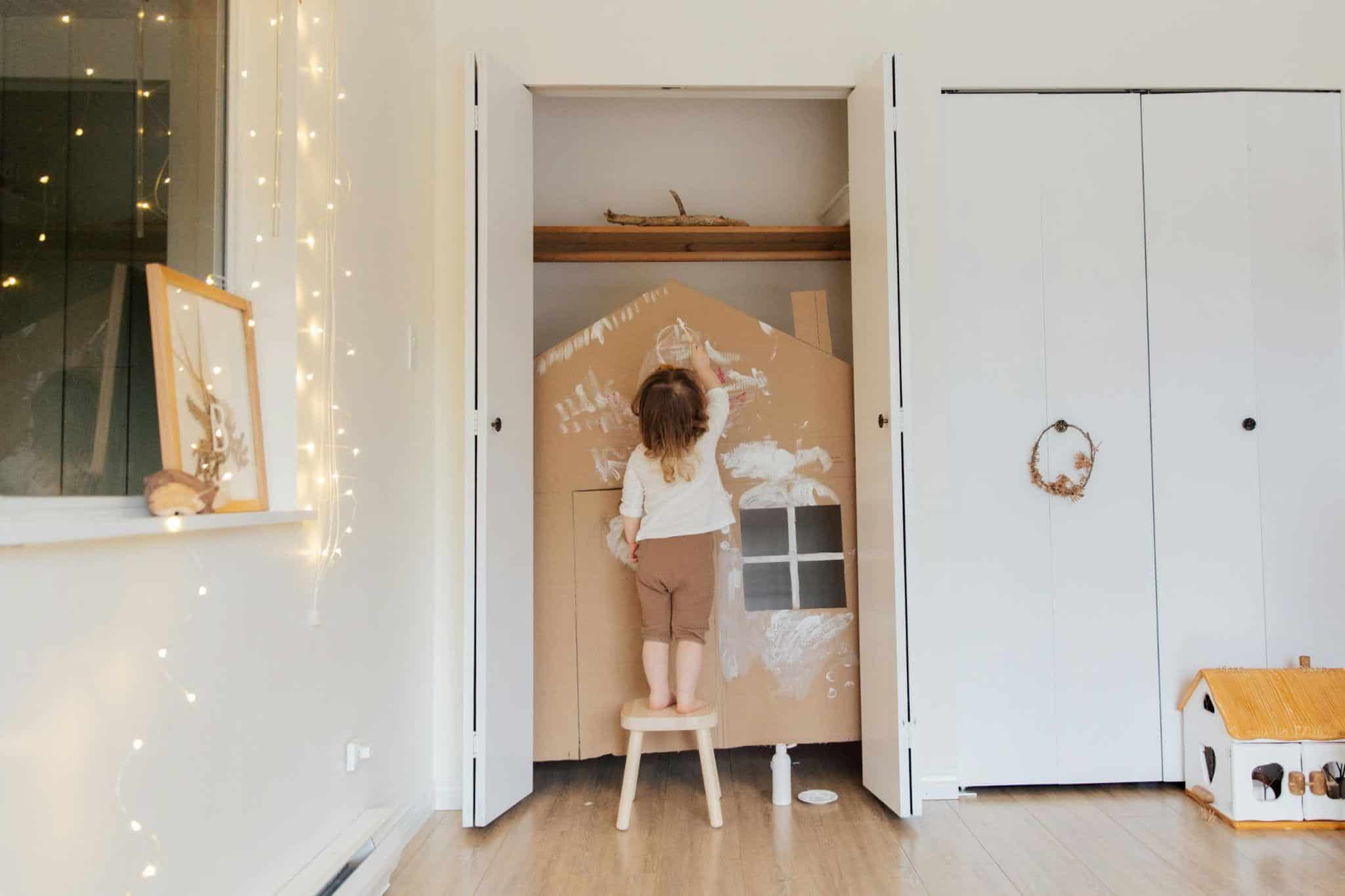
Photo from Pexels: Imaginative play for toddlers brings out creativity, supports fine motor skills and a sense of independence.
Use Open-Ended Toys
Open-ended toys are items that can be used in many different ways. They don’t do the playing for your child instead, they invite imagination. Great examples include:
- Wooden blocks or simple building sets.
- Pieces of cloth, scarves, or towels.
- Toy animals, dolls, or action figures without sound or batteries.
- Empty boxes, cardboard tubes, bottle caps.
- Dress-up clothes or everyday items like hats, bags, and kitchen tools.
These toys can become whatever your child imagines – a rocket ship, a vet clinic, or a princess castle. Because they have no single purpose. They promote storytelling, role-playing, and creative thinking.
When Should Parents Be Concerned About Lack of Imaginative Play?
Imaginative play for toddlers is an important part of early childhood development, helping children build language, social, and problem-solving skills. While most toddlers begin pretend play around age 2, every child is different and a slower start doesn’t always mean something’s wrong.
Rather than worry about isolated behaviors, look for consistent patterns. If your child shows little interest in pretend play or struggles to engage with others during playtime, it may be worth gently observing. If concerns persist, reaching out to a professional can offer clarity and support.
Early Warning Signs of Limited Pretend Play in Toddlers
Your child doesn’t need to put on full performances to show imagination. Even pretending to feed a doll or making animal sounds are healthy signs. Still, here are a few indicators that might signal a delay:
- Rarely engages in pretend scenarios like using a block as a phone or pretending to cook.
- Doesn’t imitate daily routines, such as cleaning, eating, or talking on the phone.
- Shows little interest in other children or struggles to play alongside or with them.
- Repeats the same play actions with little variety or spontaneity.
- Has difficulty with communication, including gestures or basic social cues.
- Avoids storytelling or role-playing games like playing doctor or pretending to be animals.
These signs aren’t always cause for concern. However, if several of them are present consistently – especially beyond age 3 – it might be helpful to explore further support.
When to Seek Expert Advice
Start by speaking with your child’s pediatrician. They can assess developmental progress and determine if further evaluation is necessary. Based on your concerns, you may be referred to:
- Speech-language pathologists – to support communication skills that impact pretend play.
- Occupational therapists – to help develop motor planning, coordination, and sensory processing needed for imaginative play.
- Play therapists – who use guided pretend play to support emotional growth and social development.
- Developmental pediatricians – who assess broader concerns, including social delays or signs of neurodivergence.
Seeking help is not a sign of failure – it’s an active step in supporting your child’s development. Many children benefit from early support and go on to thrive socially, emotionally, and creatively.
Imaginative Play for Toddlers in Childcare and Early Learning Settings
In quality daycare and preschool settings, imaginative play is a central part of the daily routine. Educators create play-rich environments where children are encouraged to explore, pretend, and role-play whether it’s pretending like doctors and firefighters, caring for dolls, or building make-believe worlds from blocks and props.
This type of play highlights the importance of play-based learning for developing communication, social skills, and emotional understanding. Through group play, children learn to share ideas, take turns, negotiate roles, and solve problems together- all essential for building strong social foundations.
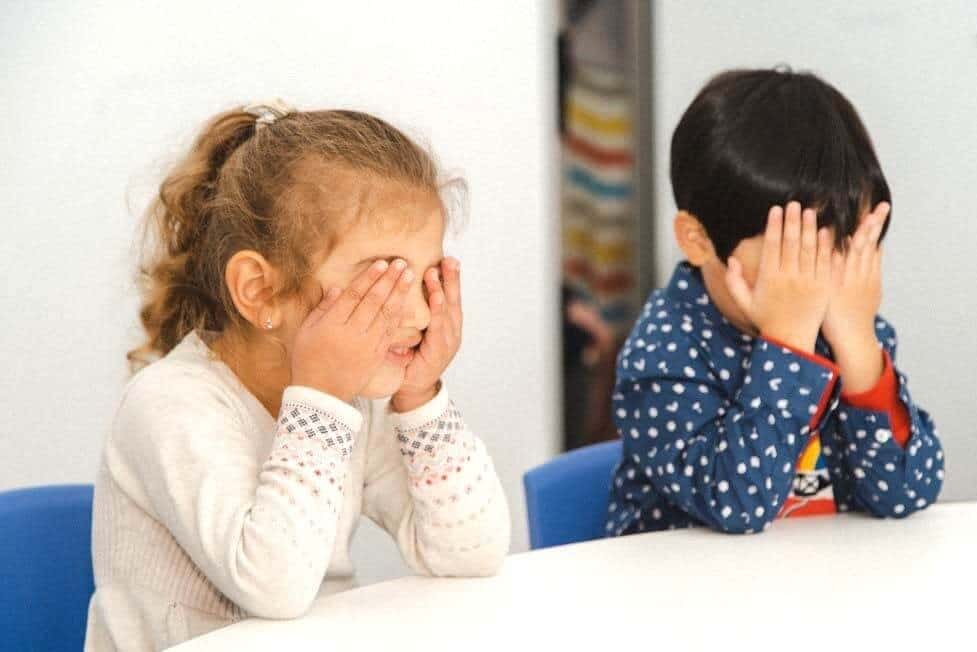
Photo by Shichida Australia: Much like imaginative play, which encourages children to build worlds in their minds, Shichida’s image training activities nurture the ability to create vivid mental pictures (visualisation) – an essential skill for memory, creativity and right-brain development.
The Science Behind Imaginative Play for Toddlers
Imaginative play for toddlers might look like simple fun, but it actually activates powerful learning processes in a child’s brain. Developmental psychologists like Jean Piaget and Lev Vygotsky have long highlighted the importance of pretend play in early childhood development.
Piaget saw imaginative play as a sign that a child is entering the preoperational stage (around ages 2 to 7). During this stage, children begin to use language and symbols to make sense of the world. When your child pretends a banana is a phone or creates an imaginary friend, they’re showing early symbolic thinking – a critical building block for abstract thinking, problem-solving, and early literacy.
Vygotsky focused on the social side of learning. He believed that play is where children develop critical cognitive and emotional skills, especially when guided by adults or older children. According to his theory of the Zone of Proximal Development (ZPD), children learn best when doing activities that are just a little beyond their current level – with the right support. Imaginative play creates this perfect learning environment. It allows toddlers to test ideas, follow social rules, and explore problem-solving – all while having fun.
In short, imaginative play isn’t just about entertainment – it’s how toddlers develop the thinking, social, and emotional skills they’ll need throughout life.
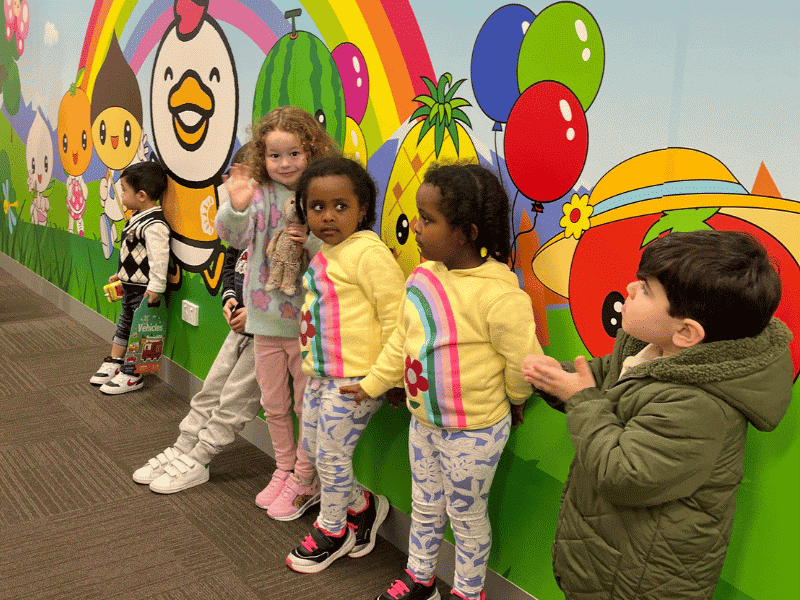
Photo by Shichida Australia: Kids waiting excitedly for their weekly class to start. Classes include structured activities such as memory training, early numeracy, and imaginative play for toddlers to support cognitive and social development.
Looking for a playful, heart-centered way to support your toddler’s growth? Shichida Australia’s early learning programs are designed to nurture creativity, build focus and strengthen your bond, all while having fun together.
Take the first step in your child’s lifelong love of learning – book a trial class today!
FAQs
Imaginative play, also known as pretend play or make-believe, is when children act out stories, roles, or everyday situations using their creativity. They may pretend to be someone else or use objects as stand-ins for something else (e.g., a block as a phone).
Imaginative play helps toddlers develop important skills like language, emotional regulation, creativity, and social understanding. It also supports problem-solving, early communication and flexible thinking.
Toddlers usually begin showing signs of pretend play between 18 and 24 months. This often starts with simple role imitation and gradually becomes more complex and creative by the time they reach age 3.
You can encourage imaginative play by offering your child open-ended toys, creating a safe space for free play, limiting screen time, and joining their games without directing them. Letting them lead the story helps boost creativity and confidence.
The best toys for pretend play are open-ended and versatile. Good examples include dolls, toy animals, dress-up clothes, play kitchens, doctor kits, building blocks, and even everyday items like cardboard boxes, scarves and blankets.