7 Benefits of Reading for Kids
Reading plays a powerful role in a child’s development long before school begins. From the first picture books to bedtime stories, early experiences with reading for kids lay the foundation for language, learning, and emotional connection.
More than just recognising letters or sounding out words, reading for kids opens a world of ideas, emotions, and imagination. When books become part of daily life, children grow into curious, confident learners – ready to explore, express, and understand the world around them.
Here are seven powerful benefits of reading for kids – and how Shichida’s unique approach, including high-speed reading techniques, helps make reading exciting and impactful from the very start.
7 Benefits of Reading for Kids
Reading with your child isn’t just about entertainment – it lays the foundation for emotional, cognitive, and language development in ways that shape their future. Whether you’re reading a picture book before bed or exploring a favourite story again and again, each moment spent with a book has a lasting impact.
A landmark Australian study published in SAGE Open found that the age at which a child is first read to is closely linked to their later vocabulary, early literacy skills, and even general cognitive development. Children who were read to from infancy (before six months old) showed significantly stronger outcomes in language and thinking skills by school entry. In short, the earlier reading begins, the more meaningful and lasting the benefits.
Here are seven of the most important benefits of reading for kids:
1. Builds Early Language Skills
Books expose children to a wide variety of words, sentence structures, and sounds that go far beyond everyday conversation. Over time, this helps build a rich vocabulary, clearer communication, and a deeper understanding of how language works.
Even in the first year of life, babies begin to absorb sounds, rhythms, and tones of language. By reading aloud consistently, you’re feeding their growing language brain – before they can even speak a word.
2. Supports Brain Development
Reading activates multiple parts of the brain simultaneously, encouraging connections between language, memory, and emotion. When children engage with stories, they begin to make sense of cause and effect, sequence, and relationships between characters and events—all of which contribute to higher-order thinking.
This kind of neural activity is especially powerful in the first five years of life, when the brain is developing more rapidly than at any other time.
3. Strengthens the Parent–Child Bond
Reading together builds more than literacy – it builds connection. Cuddling up with a book creates a shared moment of closeness, calm, and attention. Over time, this ritual of reading becomes a source of security and emotional comfort, strengthening your child’s attachment and trust in you.
It’s not just about the book – it’s about the time spent together.
4. Encourages Focus and Listening
For young children, sitting and engaging with a story – even for a few minutes – builds concentration and listening skills. As their attention span grows, they begin to absorb more detail, follow longer storylines, and stay focused for extended periods.
This practice is excellent preparation for classroom learning, where children are expected to follow directions, listen actively, and participate in group activities.
5. Fuels Imagination and Creativity
Stories transport children into new worlds, encouraging them to picture characters, scenes, and situations beyond their everyday life. Reading invites them to “see” through words, imagine different perspectives, and create vivid mental images.
This kind of imaginative thinking supports creativity, problem-solving, and flexible thinking – skills that are important across all areas of development.
6. Boosts Emotional Understanding
Books are a gentle way to explore emotions, challenges, and social situations. Whether it’s a character feeling afraid, excited, or jealous, reading gives children a way to understand and name their own feelings – and see how others might feel, too.
These insights support empathy, emotional regulation, and the ability to connect with others meaningfully.
7. Sets the Foundation for Academic Success
The benefits of reading reach far into your child’s school years. Children who begin reading early tend to perform better academically, not just in language arts, but across subjects.
As the study highlights, children who were read to regularly from an early age developed stronger vocabulary, memory, and foundational skills that contributed to smoother school transitions and long-term academic confidence.
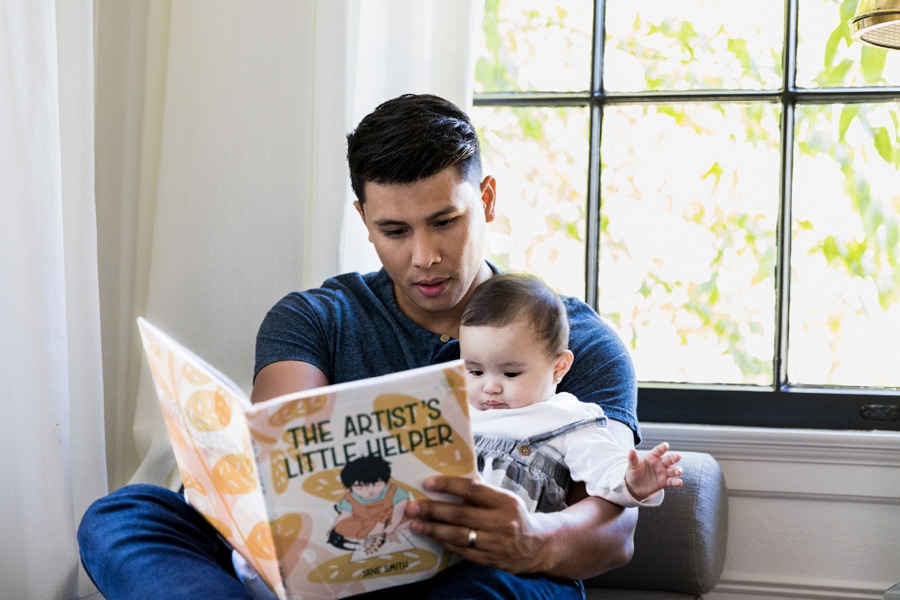
Image: Reading to your child from an early age can help language development
Why Speed Reading Helps Children Enjoy Reading
At Shichida, reading for kids takes on a unique, brain-boosting form through speed reading. But this isn’t about rushing through books—it’s about helping children process and absorb language efficiently and joyfully.
What Is Speed Reading in Early Childhood?
Speed reading in the Shichida Method involves exposing children to large amounts of vocabulary and visual language cues through high-speed flashcards and rapid reading sessions. This technique activates both the left and right sides of the brain, enhancing memory, attention, and language recognition.
How It Helps
Builds Word Recognition Fast
Children see words so frequently they begin to recognise them by sight—critical for fluency and comprehension.
Increases Concentration
The rapid pace keeps children engaged, which naturally improves their ability to focus.
Boosts Processing Speed
Children learn to process language more quickly, giving them a head start in understanding new content across different subjects.
Improves Confidence
As children begin to read more fluidly, they become more confident readers—willing to take on new books without hesitation.
The key to speed reading is not just repetition—it’s making it fun, dynamic, and visual. At Shichida, this is paired with songs, sight word games, and story-based learning to make sure the experience remains playful and age-appropriate.
Common Reading Challenges (and How to Gently Navigate Them)
Even the most enthusiastic little reader can hit a few bumps along the way. Here are three common challenges when it comes to reading for kids—and simple ways to work through them:
1. Short Attention Spans
Young children often lose focus mid-story, especially if they’re tired or overstimulated.
Try this: Choose short, engaging books with bright pictures or flaps. If they tune out, pause and say, “Shall we finish this tomorrow?”—honouring their pace while keeping the habit going.
2. Hesitance to Read Independently
The leap from being read to, to reading alone, can feel daunting.
Try this: Read together—take turns reading lines or pages. Encourage effort over perfection. Games with sight words or letting a favourite toy “read” with them can ease the pressure.
3. Low Interest in Books
Sometimes, it’s not about disliking reading—it’s about not finding the right kind of book.
Try this: Let them choose. Whether it’s the same book every night, a comic, or a fact book about dinosaurs—interest builds engagement, and engagement builds readers.
Supporting a Love of Reading at Home
You don’t need fancy tools to support your child’s reading journey. Here are a few ways to make reading for kids part of everyday life:
Make Storytime a Ritual
Choose a consistent time, like after dinner or before bed, and make it feel cosy and special.
Choose the Right Books
Books with bold illustrations, predictable text, and relatable themes work best for younger readers.
Ask Questions and Predict
Pause and ask, “What do you think will happen next?” or “How do you think that character feels?” to build comprehension and emotional engagement.
Use Flashcards for Speed and Sight Words
Introduce sight words through flashcards—start slow, then build up speed. Let your child “show off” how quickly they can name the words.
Celebrate Progress
Mark milestones: finishing a book, learning a new word, or reading aloud. Let your child feel proud of their reading journey.

Image: Supporting reading at home
Reading for Kids at Shichida
At Shichida Australia, reading is more than just decoding letters—it’s an immersive, engaging, and joyful part of every lesson. Our program combines:
- High-speed flashcards to increase word familiarity
- Storytelling and songs to build emotional and cognitive connections
- Parental guidance so reading continues beyond the classroom
Whether your child is just beginning their reading journey or ready to accelerate their skills, Shichida supports them in becoming a confident, enthusiastic reader—ready to learn with curiosity and heart.
Ready to see your child thrive with reading? Book your trial class today and see how our unique method supports reading for kids from the very start.
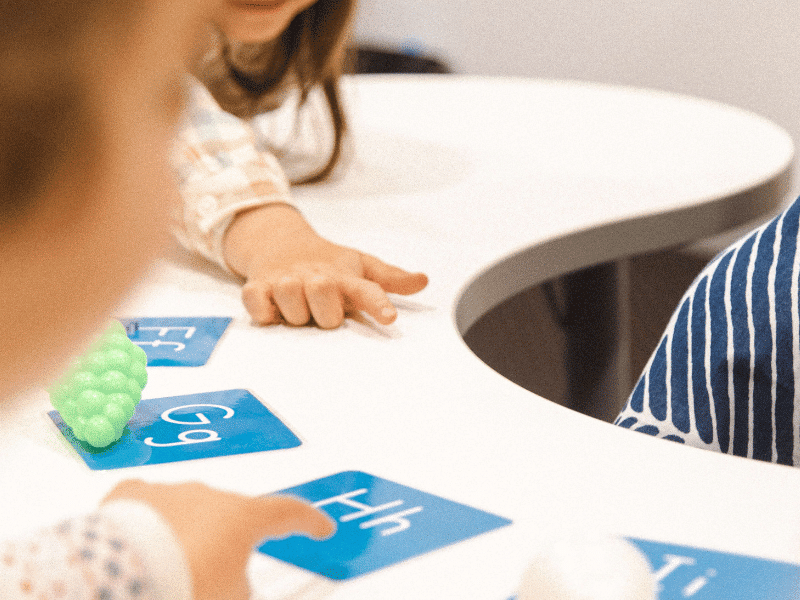
Image by Shichida Australia: Phonics games support reading for kids by helping them recognise letter sounds, blend them into words and build decoding skills essential for early literacy.
At Shichida, our caring educators partner with you to unlock your child’s full potential. We understand the importance of building strong foundations early, helping you become the best parent you can be, and raising children who are kind-hearted, talented, and confident.
Book Your Class Today
Take the next step in your child’s learning journey. Book a class today and discover how Shichida’s proven method can deliver amazing results and an enjoyable educational experience for both you and your child.