Emotional Regulation Activities to Try With Your Child
Meltdowns, tears, and frustration are a normal part of growing up. But within these big emotional moments lie valuable opportunities. Emotional regulation is a skill – just like walking or talking – and with the right support, children can learn to calm their bodies, understand their feelings, and respond with increasing confidence.
In early childhood, emotions are often big and overwhelming. Children might cry over the “wrong” cup or scream because it’s bedtime. These responses aren’t signs of poor behaviour – they’re signs of developing brains learning how to manage intense feelings.
By introducing calming, age-appropriate emotional regulation activities for kids at home, parents can help children move from emotional outbursts to emotional awareness, and from chaos to calm.
Simply stated: emotional regulation activities for kids help them identify their feelings, understand emotional triggers, and practise appropriate responses in a supportive environment.
Why Emotional Regulation Matters
Emotional regulation is the ability to recognise, understand, and manage feelings in a healthy way. It’s not about avoiding emotions, but learning how to express them calmly and constructively.
Children aren’t born with this skill – it’s something they develop over time with guidance and support. When children learn to regulate their emotions, they build resilience, communicate more clearly, and navigate challenges with greater confidence. These skills lay the foundation for better focus, stronger friendships, and lifelong emotional wellbeing.
16 Emotional Regulation Activities for Kids to Try at Home
Aim to play 3 to 5 emotional regulation activities for kids each week. Repetition helps build self-awareness, and regular practice makes it easier for children to apply these skills in everyday situations.
1. “Name It to Tame It” (Label Emotions Out Loud)
Age: 2+
Help your child identify and name their emotions, even if they’re yelling or crying. Use a calm voice and short phrases:
- “You’re feeling really mad right now.”
- “It’s hard when things don’t go your way.”
Why it works: Naming emotions reduces activity in the amygdala (the fear/anger center) and helps children re-engage the prefrontal cortex (thinking brain).
2. Regulation Through Rhythm
Age: 1+
Use rhythm-based activities to help calm the nervous system:
- Rocking in a chair together
- Gentle drumming on their back
- Walking and counting steps in rhythm
Why it works: Predictable, patterned, repetitive input (PPRI) is soothing to dysregulated children. It mimics the rhythmic safety of the womb.
3. “Turtle Technique”
Age: 3–7
(Developed by Schneider & Robin, 1990)
Teach your child to:
- Stop and think when they feel overwhelmed
- Imagine pulling into a turtle shell (a quiet, safe place)
- Take a few deep breaths
- Come out of their shell ready to solve the problem
This is taught when the child is calm and practiced regularly, not just during meltdowns.
4. Safe Space or Calming Corner
Age: 2+
Create a non-punitive “calm down corner” at home with soft pillows, fidget tools, calming visuals, books about feelings, and a feelings chart.
The message: “This is a space to feel safe and come back to calm. You are not in trouble.”
5. “Body Check” Game
Age: 4+
Help your child learn to identify physical clues of dysregulation:
- “Is your heart beating fast?”
- “Are your hands clenched?”
- “Does your face feel hot?”
Then pair those clues with calming strategies like breathing or getting a drink of water.
6. Deep Pressure + Heavy Work
Age: 2+
For sensory-sensitive or high-energy kids, calming the body helps calm the mind. Use:
- Big hugs or a weighted lap pad
- Wall pushes (hands on wall, pushing with strength)
- Carrying a laundry basket with soft toys across the room
- Crawling through tunnels or under blankets
This is known as proprioceptive input — it grounds the child and supports regulation.
7. Co-Regulation Through Breathing
Age: 2+
Don’t just tell your child to “take a breath.” Do it with them:
- Hold hands, breathe in sync
- Use bubbles, pinwheels, or feather blowing games
- Pretend to blow out birthday candles
Keep your own breath slow and visible – children mirror adult regulation more than they follow instructions.
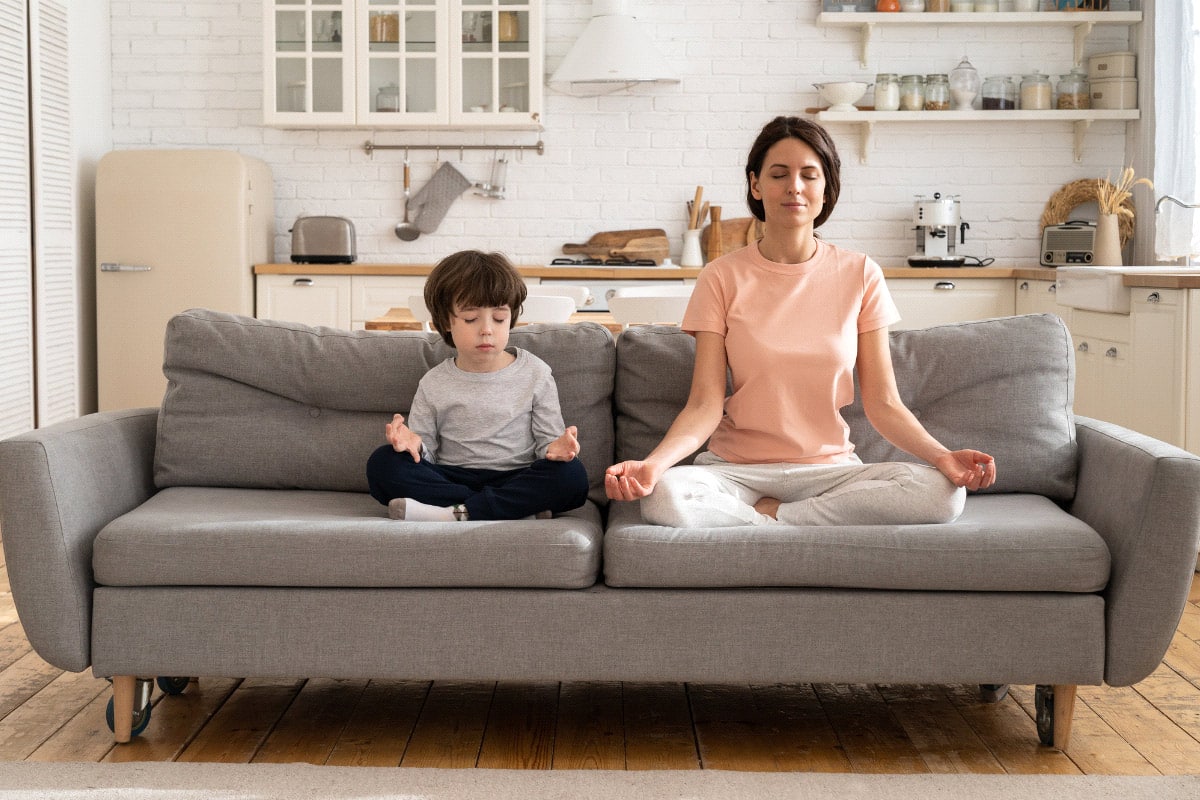
Emotional regulation activities for kids often begin with co-regulation – when adults model calm behaviour and guide children through big feelings step by step.
8. Post-Tantrum Repair & Storytelling
Age: 3+
After a tantrum, once your child is calm, gently revisit what happened. Use story-based language:
- “You were feeling really mad because we had to leave the park. Then you screamed and hit. But then you calmed down and we cuddled.”
- Let them fill in parts of the story.
This builds emotional literacy and reinforces the idea that emotions come and go — and that you are their safe base.
9. Visual Schedules + Transitions
Age: 2–6
Many tantrums stem from lack of predictability. Use:
- Visual routines (pictures showing what comes next)
- 5-minute countdown warnings
- Transition songs (e.g. “It’s time to tidy up, tidy up…”)
These tools reduce anxiety and improve cooperation, especially for neurodivergent children.
10. Emotion Coaching – Not Dismissing
Age: All ages
Even if a child’s reason for the tantrum seems small to you, their feelings are big and real. Say things like:
- “It’s okay to feel angry. I’m here to help you.”
- “You’re not bad. You’re just having a hard time.”
Long-term, this builds trust and resilience.
11. Emotion Thermometer
Age: 3+
Create a visual “feelings thermometer” (0 = calm, 10 = furious). Teach your child to “check their temperature” during the day:
- “Are you feeling like a 3 (frustrated) or a 7 (really mad)?”
- Over time, link each level with a strategy: “If you’re a 5, you can do belly breaths. If you’re a 9, you might need space.”
This encourages emotional awareness and supports self-regulation before a meltdown hits full force.
12. “Five-Finger Breathing”
Age: 3+
Guide your child through this tactile breathing method:
- Hold out one hand like a star.
- Use the pointer finger of the other hand to trace each finger up and down while breathing in (up) and out (down).
- Repeat until calm.
This technique combines breathing, touch, and visual focus, which is very grounding for anxious or overwhelmed kids.
13. Progressive Muscle Relaxation (PMR)
Age: 4+
Teach your child to tighten and then relax different muscle groups:
- “Squeeze your hands into fists… and let them go like spaghetti.”
- “Scrunch your shoulders… and drop them.”
PMR calms the nervous system, especially when paired with a soothing voice or story.
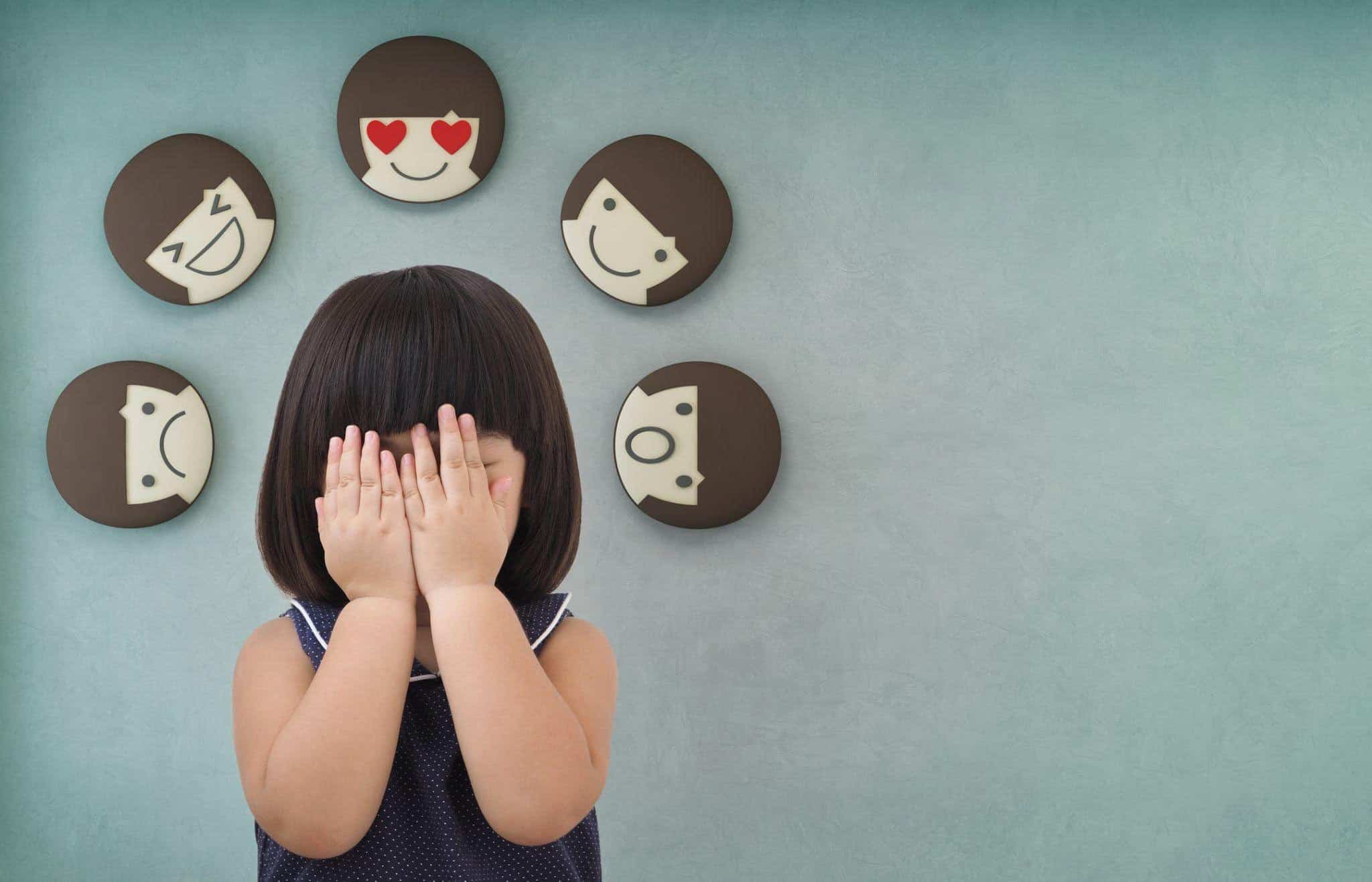
14. Emotion Sorting with Toys or Cards
Age: 2–6
Use toy faces, stuffed animals, or emotion flashcards to sort feelings:
- “Let’s put all the happy animals here, and the grumpy ones there.”
- Ask, “Which one feels like you today?”
It builds emotional vocabulary and makes feelings more manageable through play.
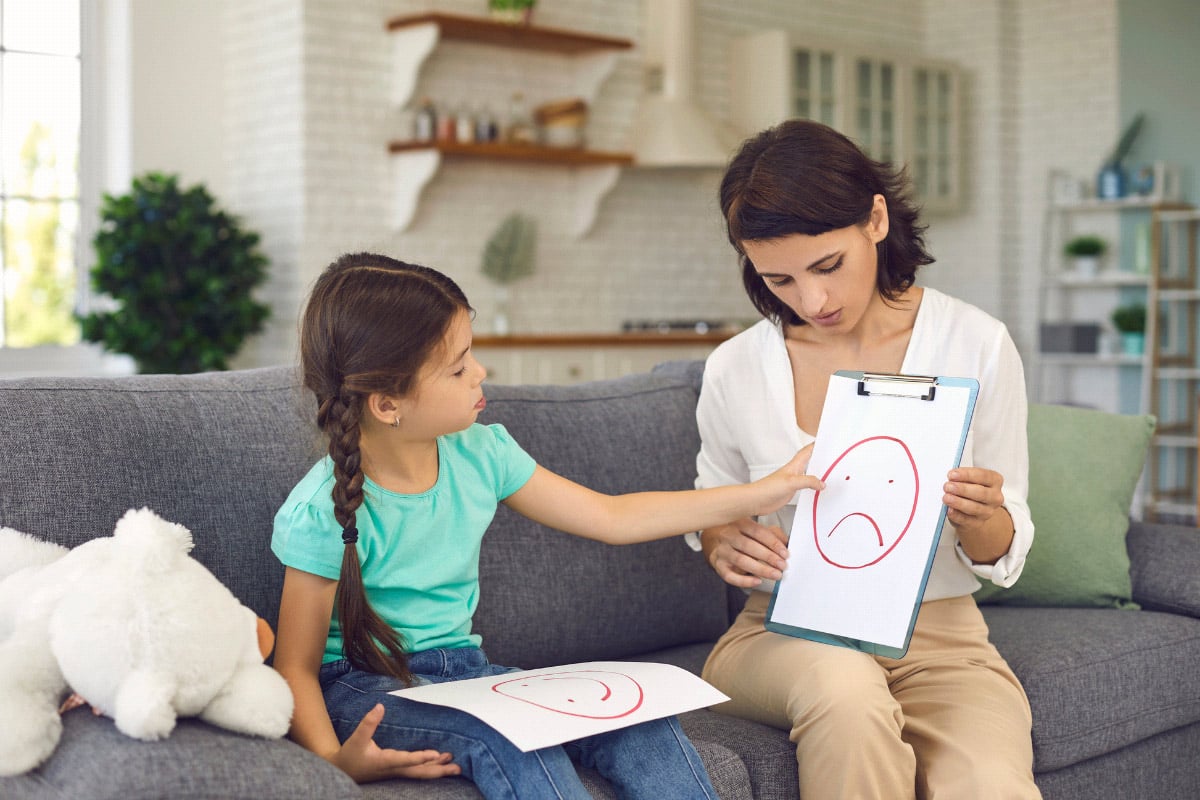
Through games, role play, and movement, emotional regulation activities for kids teach them how to recognise emotions and respond in healthy ways.
15. Calm-Down “Toolbox”
Age: 3+
Build a physical box with your child that includes:
- A fidget toy or stress ball
- A photo of something they love
- Headphones with soft music
- A calming scent (like lavender or vanilla)
- Visuals of breathing exercises
Let them use the toolbox when they feel overwhelmed. It gives a sense of control and ownership over their own calming strategies.
16. “Glitter Jar” or “Calm Bottle”
Age: 2+
Make a sensory bottle filled with glitter, warm water, and glue. Shake it up during intense moments and say:
“Your thoughts and feelings are like this jar — all stirred up. Let’s watch it settle.”
Watching the glitter fall visually mimics the process of calming down. It’s a gentle, soothing way to pause and reset.
How the Shichida Method Supports Emotional Regulation
At Shichida Australia, emotional intelligence is integral to our holistic educational approach. Our program incorporates engaging activities that naturally build emotional regulation skills:
Mindfulness Exercises: Regularly incorporated into class, mindfulness and breathing exercises help children focus, self-regulate, and respond calmly to emotional triggers.
Interactive Activities: Collaborative tasks like problem-solving activities, encourage empathy, cooperation, and emotional awareness.
Parent-Child Collaboration: We actively involve parents, equipping you with strategies you can seamlessly incorporate at home, reinforcing emotional learning beyond the classroom.
Looking for effective emotional regulation activities for kids? Ready to experience how Shichida can make a difference in your child’s life? Get expert strategies you can start using at home today!
Book a trial class today and explore our holistic approach to raising emotionally intelligent children.
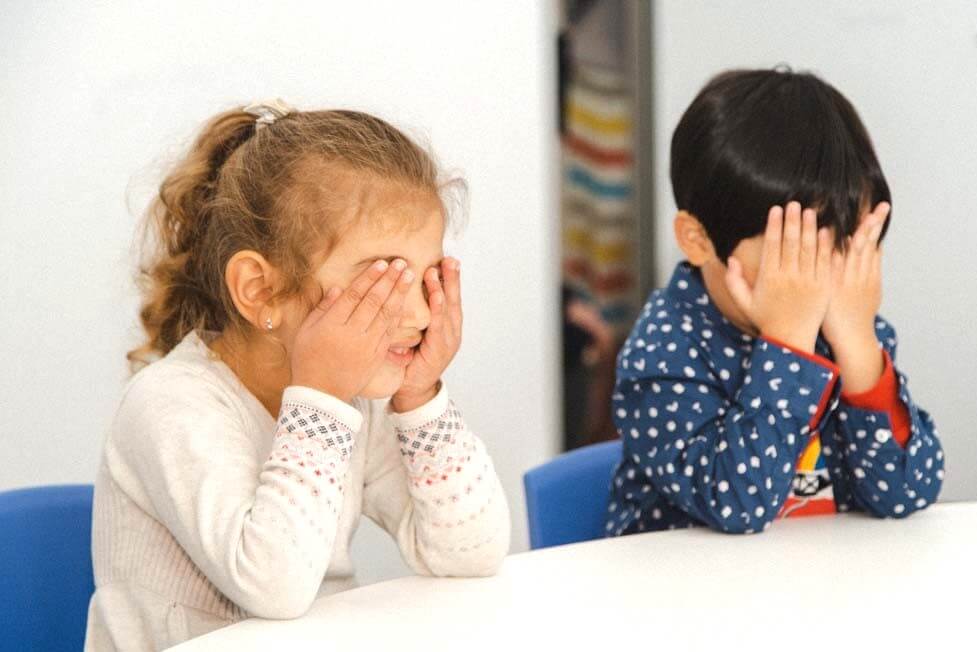
Emotional regulation activities for kids help develop self-awareness, impulse control and coping strategies essential for daily life and learning.
At Shichida, our caring educators partner with you to unlock your child’s full potential. We understand the importance of building strong foundations early, helping you become the best parent you can be, and raising children who are kind-hearted, talented, and confident.
Book Your Class Today
Take the next step in your child’s learning journey. Book a class today and discover how Shichida’s proven method can deliver amazing results and an enjoyable educational experience for both you and your child.