Stages of Child Development Guide: Birth to Adolescence
Being a parent can feel overwhelming at times – especially when you’re navigating your child’s growth and development. Each new phase they enter offers an opportunity to help them reach their full potential. And with every milestone they achieve, it feels like a small but meaningful victory.
But what does healthy child development really look like? What stages should you expect?
The early stages of child development lay the foundation for learning, behaviour, and health.
This complete guide explores the key stages of child development, from birth to adolescence. It’s designed to help you become more aware of what’s typical, what’s possible and how to support your child – while reminding you that every child develops at their own pace, and that’s okay.
Understanding Child Development
Child development is the process of physical, cognitive, emotional, social, and language growth from birth through adolescence. It’s not just changes in height or the ability to speak – it’s about how a child thinks, feels, moves and interacts with the world around them.
Tracking developmental milestones can help identify any delays early on. Growth is influenced by many factors, including genetics, environment and the quality of a child’s relationships with caregivers – all of which shape their progress.
What Is Child Development?
Child development can be broken down into five key areas:
● Physical development – Gross and fine motor skills, such as crawling, walking, holding a spoon or writing.
● Cognitive development – How a child learns, solves problems, remembers things (memory) and processes information.
● Social development – Interacting with others, building friendships, sharing and recognising social cues
● Emotional development – Identifying and managing emotions, developing self-confidence, and coping with new situations (this includes EQ).
● Language and communication – Using verbal language and non-verbal skills to express thoughts, needs and feelings.
All of these areas grow alongside one another and often overlap, forming the foundation of a child’s overall development.
Why Understanding Development Matters
As a parent, understanding the stages of your child’s development helps you provide support with confidence. It empowers you to:
● Spot early signs of delay and seek timely professional guidance.
● Support school readiness through age-appropriate learning and social skill-building.
● Promote mental and emotional wellbeing by meeting your child’s needs in ways that match their developmental stage.
This awareness promotes a nurturing, responsive environment – the foundation for healthy growth and lifelong learning.
Factors That Influence Development
Each child’s development is shaped by a mix of internal and external factors:
● Internal factors: Genetics, temperament, and physical health.
● External factors: Parenting style, caregiver involvement, socioeconomic status, access to healthcare and early education, nutrition, sleep and cultural expectations.
Recognising these influences helps you better understand your child’s unique journey and tailor your support to suit their needs.
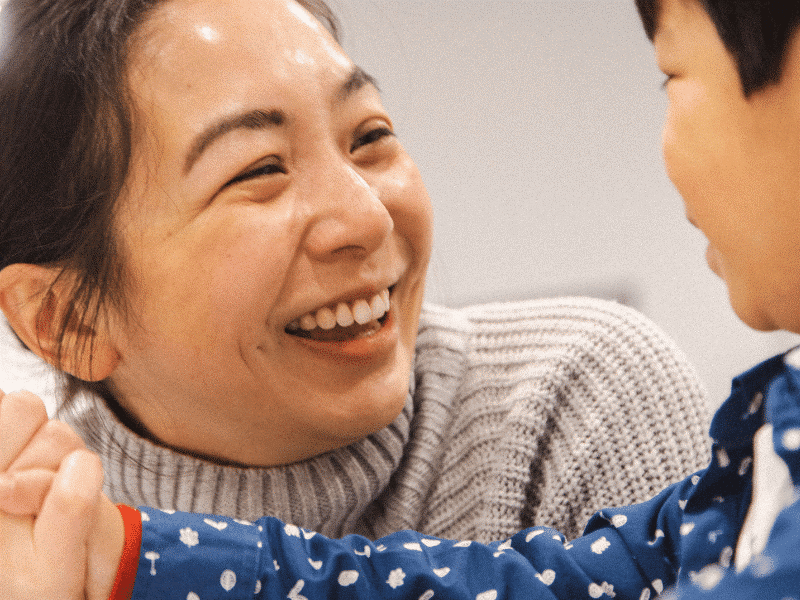
Photo by Shichida Australia: Shichida classes offer a fun, shared experience for parents and children – encouraging parent-child bonding while supporting cognitive and emotional growth through the crucial stages of child development.
Developmental Milestones by Age Group
Each stage of child development brings new abilities and challenges. While every child grows at their own pace, understanding typical child development stages and milestones can help you know what to expect – and when to offer extra support.
Birth to 12 Months – Infancy
In your baby’s first year, you’ll witness incredible growth. They’ll go from lifting their head to rolling, sitting, crawling and maybe even standing. You’ll notice them recognising faces, smiling and responding to your voice. This is the beginning of bonding and communication, with those first baby babbles hinting that language is on the way.
1 to 3 Years – Toddlerhood
Toddlers are on the move – walking, running and exploring everything. Their first words quickly turn into phrases, and yes, emotional outbursts are part of learning to express themselves. You’ll see growing curiosity, early social play and rapid development in speech and motor skills.
3 to 5 Years – Early Childhood
This preschool period is when your child gains more control and creativity. They may draw shapes, dress themselves and use scissors. Language skills expand and imagination shows through storytelling and pretend play. It’s also a key time for social learning – sharing, turn-taking and understanding rules.
6 to 11 Years – Middle Childhood
You’ll notice more independence and self-direction. Kids in this stage take on homework, help with chores and form stronger friendships. Emotionally, they learn to manage feelings and show empathy. School becomes central, with literacy, numeracy and critical thinking skills developing rapidly. It’s a great time to nurture hobbies and confidence.
12 to 18 Years – Adolescence
Adolescence brings big changes – puberty, identity exploration and growing independence. Teens may question more, form deeper peer connections and think critically about the world. Your support is more important than ever. Offer a safe space, encourage open conversations and help them explore who they are and what their passions are.
Types of Development to Track
Understanding the different types of development helps you support your child in every area of their growth. Each domain is important and works hand-in-hand with the others throughout the stages of child development.
Physical Development
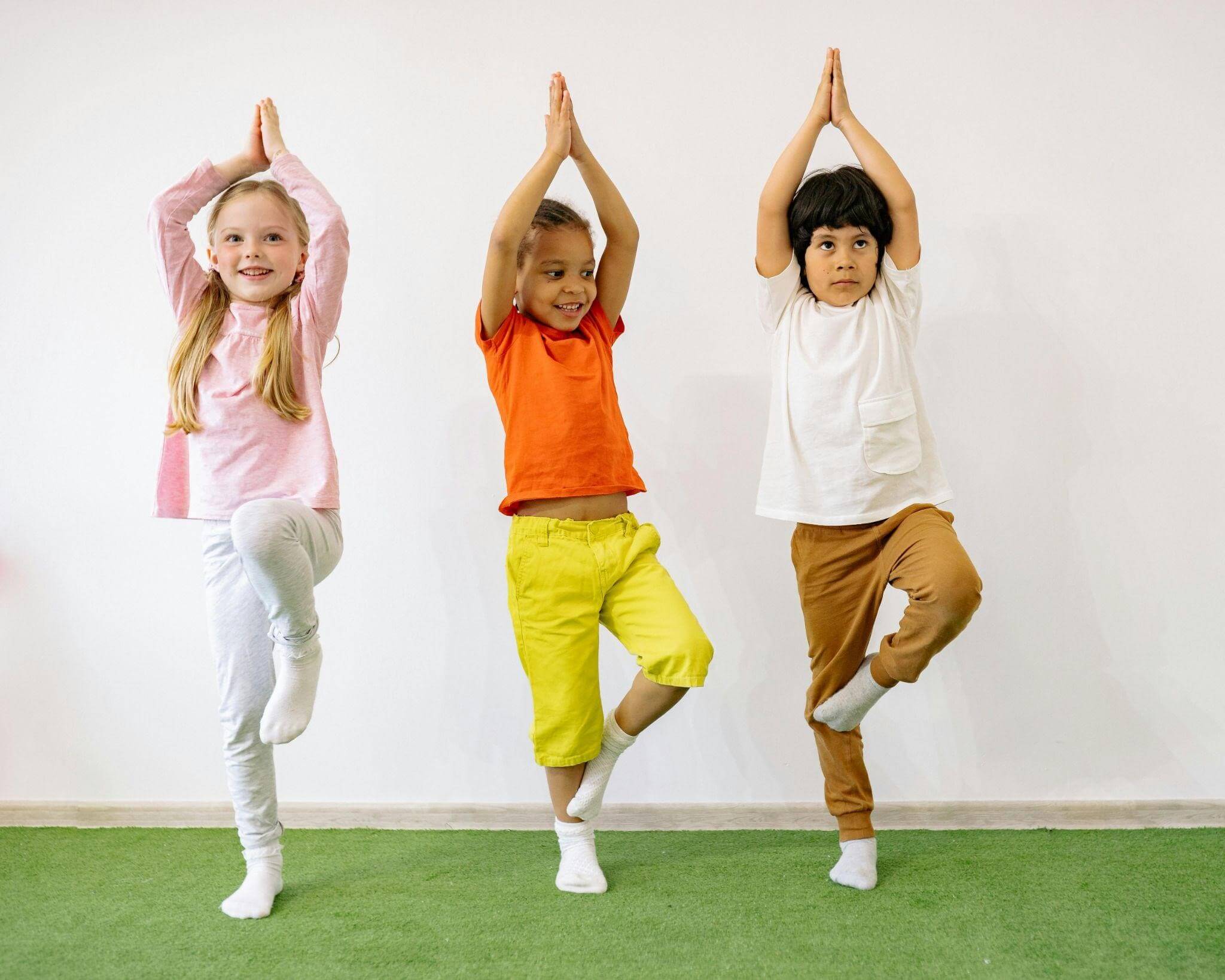
Physical development is one of the most visible stages of child development, involving everything from crawling and walking to balance, coordination, and fine motor skills. These motor skills develop steadily over time.
In adolescence, puberty brings major physical changes – and your child will need your patience, honesty and support more than ever. This is a time for open conversations and reassurance as they adjust to their growing bodies.
Cognitive Development
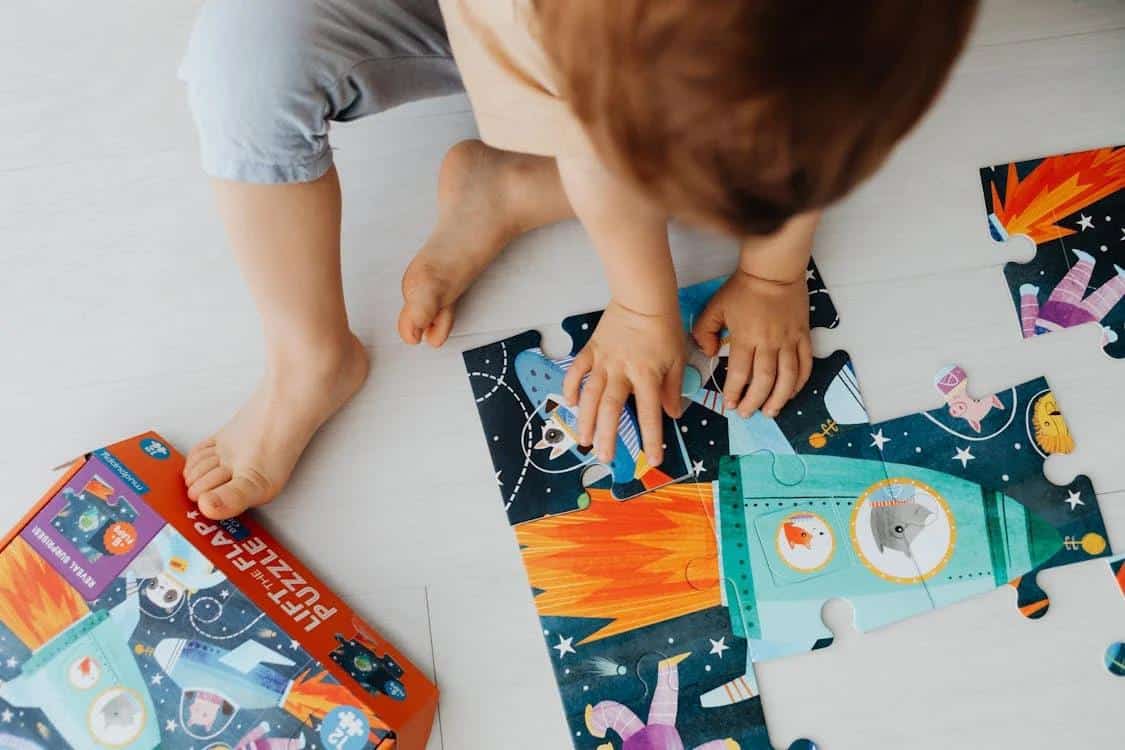
Cognitive development in early childhood is essential for memory, problem-solving, and understanding cause and effect – core functions that progress through the stages of child development. From a toddler’s first puzzle to a teen reasoning through tough choices, cognitive development covers how children think, learn, solve problems and remember.
Every child learns differently – some love stories, others prefer quiet problem-solving. Encourage curiosity, answer their questions and offer age-appropriate challenges to help stretch their thinking skills.
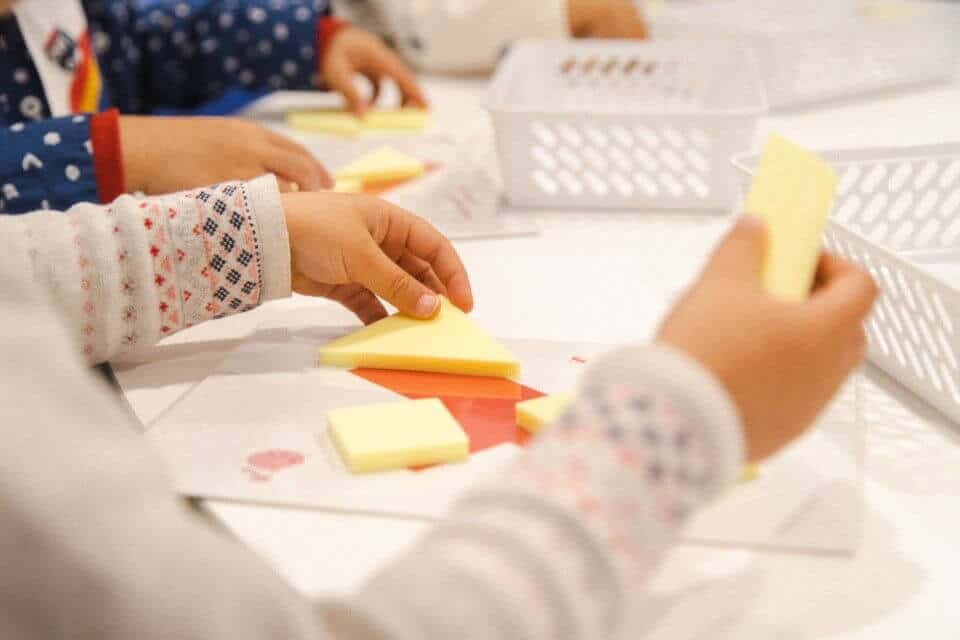
Photo by Shichida Australia: Preschool children solving tangram puzzles – hands-on activities designed to support key stages of child development during a Shichida class.
Emotional Development
This is where children learn to recognise and manage emotions. One minute your toddler might throw a tantrum, the next they’re hugging you – and it’s all part of growing up.
As they mature, they’ll gain better self-control and confidence. Your calm, consistent support teaches them to label their emotions, express themselves safely and build resilience. Set the example – they learn so much by watching you. Emotional development in early childhood is just as crucial as cognitive or physical growth.
Social Development
From sharing toys in preschool to navigating friendships in high school, social growth is essential. Social development plays a key role in the stages of child development, helping children build healthy relationships with others. It’s about learning empathy, cooperation, and respect.
Model kind conflict resolution at home and guide them in understanding others’ feelings. These early lessons will shape the way they relate to peers, teachers and the wider world as they grow.
Language and Communication
Language development is a vital part of the stages of child development, supporting communication, self-expression, and the ability to understand and use words meaningfully. Your child goes from babbling and pointing to storytelling and asking endless “why” questions. Language skills develop with every conversation, story and interaction.
Encourage them to speak, listen and express themselves clearly. Whether it’s through words, tone or gestures – strong communication helps children connect, learn and understand the world around them better.
How to Support Your Child at Every Stage
Supporting your child’s development doesn’t require perfection – just presence, patience and the right tools at the right time. With a better understanding of each stage, you can offer encouragement, age-appropriate activities and emotional support that meets them where they are.
These small, consistent efforts add up and can make a big difference in helping your child thrive.
Infancy
Your baby’s first year is all about building strong bonds and laying the foundation for healthy development.
Make plenty of eye contact, talk and sing to your baby throughout the day, and enjoy lots of cuddles and playful moments. These interactions help with emotional security and early language development.
Tummy time is especially important – it helps build the muscles needed for rolling, crawling, and other motor milestones.
More than anything, your love, presence and attention are what your baby needs most during this special time.
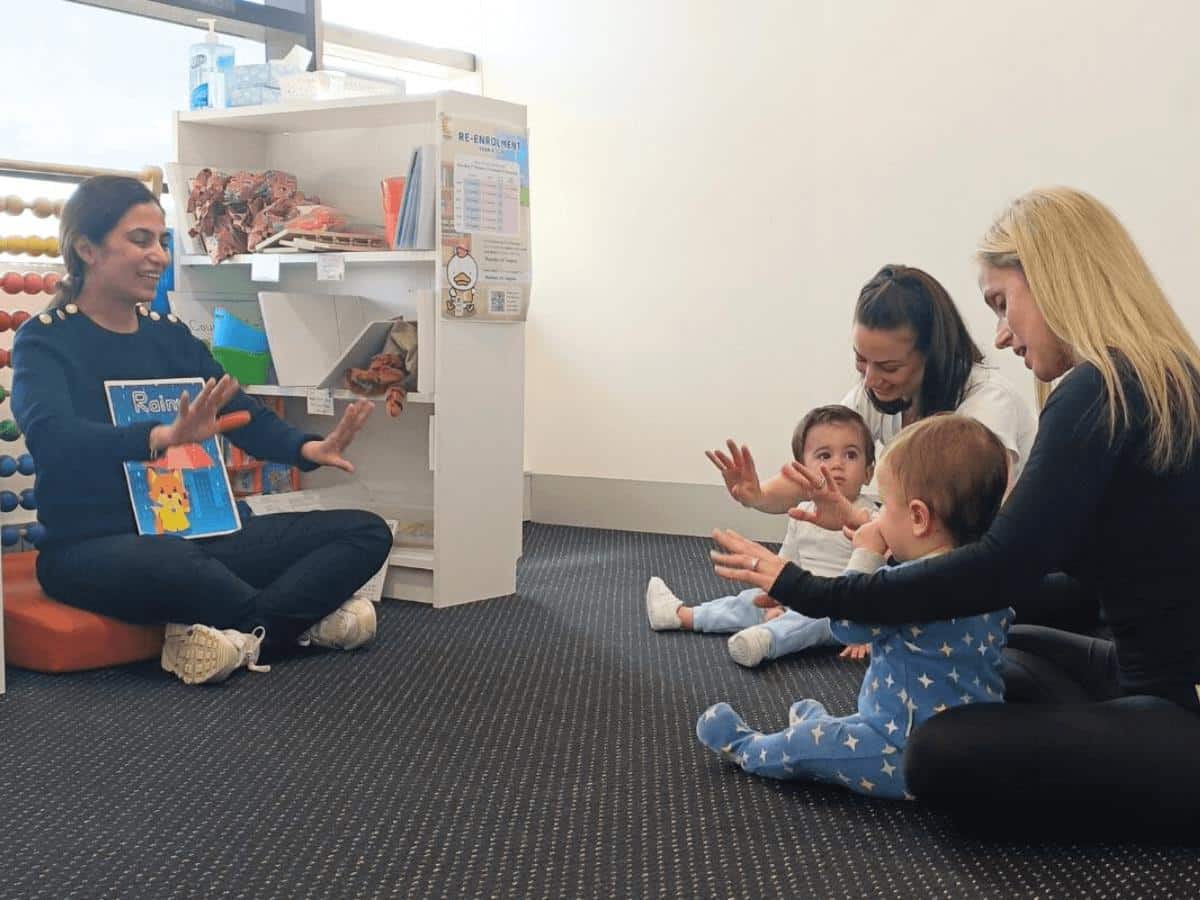
Photo by Shichida Australia: Parents and babies enjoying a flashcard song activity in a Shichida class – one of many engaging experiences designed to support the early stages of child development.
Toddlerhood
During toddlerhood, your child’s curiosity is in full swing. They’re eager to move, explore and understand the world around them.
Create a safe space for them to walk, run, climb and investigate. Talk to them throughout the day, name objects and emotions and enjoy reading books together. These daily conversations help build language and comprehension skills.
Encourage emotional expression by naming their feelings and responding with empathy. This stage is key for developing language, social confidence and a growing sense of independence.
Early Childhood
In early childhood, your child will begin to assert their independence and take pride in doing things on their own. Encourage this by letting them dress themselves, pour their own cereal or help with simple chores.
Imaginative play flourishes at this stage – support it by providing dress-ups, props and storytelling time. Start more meaningful conversations to grow their language skills and ask open-ended questions to spark curiosity.
It’s also the perfect time to teach about emotions, empathy and social interaction. Guide them through sharing, turn-taking and resolving little conflicts with kindness.
Middle Childhood
In this stage, your child will begin to seek greater independence, especially in schoolwork, friendships and personal responsibilities. Support their growing academic interests by encouraging problem-solving, curiosity and time management.
Help them learn self-regulation techniques, like recognising emotions and finding calming strategies when they feel overwhelmed.
This is also a crucial time for building friendships, empathy and learning how to collaborate and communicate with others. Encourage group play, team activities and hobbies that align with their interests.
Your guidance now helps shape their confidence, emotional resilience and social awareness.
Adolescence
Adolescence is a time of rapid growth and transformation. Your child will go through puberty, begin thinking more deeply and abstractly and seek greater independence.
Stay connected by providing open, non-judgmental communication. Be a steady guide as they navigate peer relationships, identity exploration and the emotional highs and lows that often come with this stage.
Let them know you trust and support their independence, while still offering a safety net of love, consistency and understanding.
Identifying Developmental Delays
Every child develops at their own pace – but early awareness of potential delays gives your child the best chance for support and success.
Common Signs of Delay
If your child isn’t making eye contact, responding to sounds, speaking clearly, developing motor skills or forming relationships in expected ways, these may be early signs of a delay.
Other signs include difficulty following simple directions, limited verbal expression, or struggling with basic tasks compared to peers. If something feels off, trust your instincts – they matter.
When to Consult a Specialist
You may want to seek professional advice if:
● Your child isn’t walking by 18 months.
● They aren’t using clear words by age 2.
● They struggle significantly with reading by age 7.
● You notice persistent mood changes or social withdrawal in adolescence.
Early consultation with a pediatrician, speech therapist or child psychologist can lead to timely interventions and a stronger developmental path forward.
Developmental Screening and Assessment
Regular checkups play a key role in tracking your child’s development and identifying any concerns early.
What Pediatricians Assess
During well-child visits, pediatricians assess your child’s growth, milestones and overall development. They may use developmental checklists and tools to track progress in areas like speech, motor skills and social interaction.
They also monitor growth charts – including height, weight, and head circumference – to ensure your child is growing at a healthy rate.
Hearing and vision checks are another important part of the assessment, as difficulties in these areas can impact learning, communication and behaviour.
Early Intervention Services
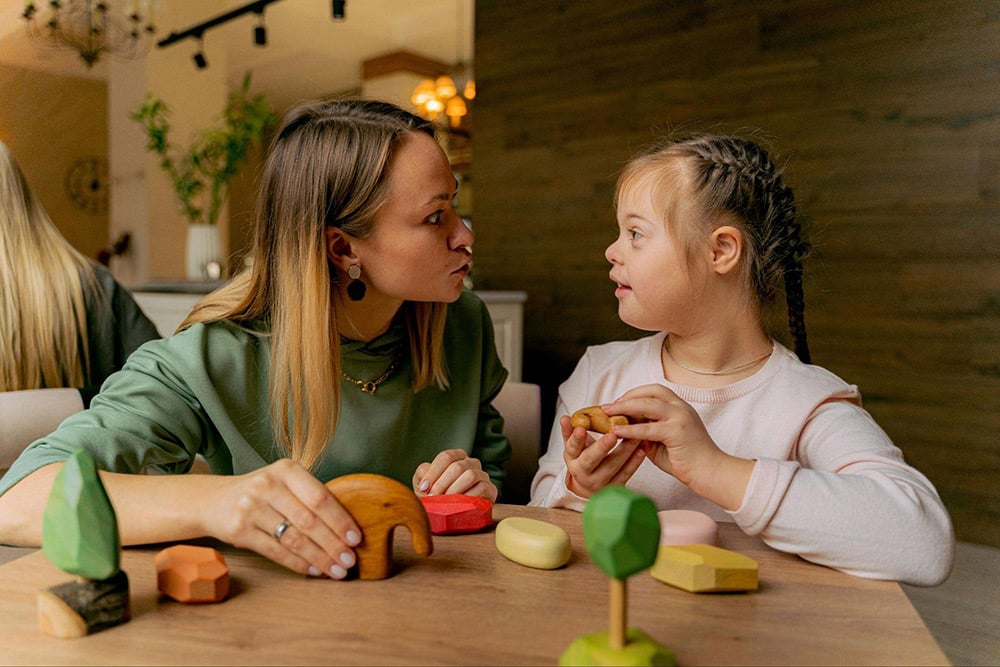
Photo from Pexels: Early intervention plays a vital role in supporting children through the early stages of child development.
If a developmental delay is identified, your pediatrician may recommend support such as speech therapy, occupational therapy, physical therapy or specialised early education programs.
These services are designed to target specific developmental gaps early, giving your child the best possible chance to build the skills they need to thrive – socially, emotionally, physically and academically.
Developmental Differences and Neurodivergence
Some children follow a different developmental path due to neurodivergent conditions such as ADHD, autism spectrum disorder (ASD) or learning disabilities. These differences are not delays – they reflect diverse ways of thinking, learning and interacting with the world.
Understanding Neurodivergence
Neurodivergence refers to natural variations in brain function. Conditions like ASD or ADHD aren’t flaws – they’re simply different ways of experiencing and processing the world. Recognising and respecting these differences allows us to better support each child’s individual needs.
Supporting Neurodivergent Children
With the right support systems in place, neurodivergent children can thrive and flourish. Here are some helpful strategies:
● Use visual schedules and consistent, predictable routines.
● Communicate clearly and offer positive reinforcement.
● Advocate for individualised education plans (IEPs) or relevant therapies.
● Provide safe spaces and opportunities for sensory regulation.
Above all, create an environment where your child feels seen, heard and celebrated for who they are.
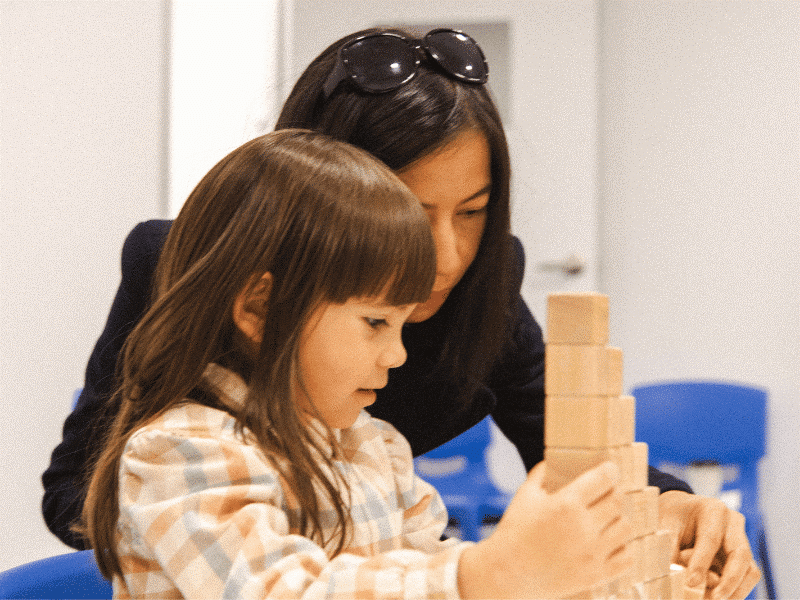
Photo by Shichida Australia: In Shichida classes, parents and children solve fun challenges together – teaching valuable skills and supporting families through the important stages of child development, both in class and at home.
Parenting is a journey, and understanding your child’s developmental milestones is key to supporting their growth. From infancy to adolescence, the stages of child development each bring new opportunities to nurture their physical, cognitive, emotional and social skills.
At Shichida Australia, our tailored programs are designed to support your child’s growth through fun games and activities. Book a trial class and see how we can help your child thrive and reach their fullest potential!
FAQs
The five main stages are infancy (birth to 12 months), toddlerhood (1–3 years), early childhood (3–5 years), middle childhood (6–11 years) and adolescence (12–18 years). Each stage includes key developmental milestones in physical growth, cognitive abilities, emotional maturity, social development and language skills. Understanding these stages helps parents support and celebrate progress at every step.
Babies typically begin walking between 9 and 18 months, and talking around 12 months with their first words. As they grow into toddlerhood, they begin forming simple phrases. Every child develops at their own pace, so try to focus on progress rather than comparison – and enjoy the journey!
Some signs to watch for include difficulty sitting up, walking or speaking by the expected age. For example, if your child isn’t using basic words by age 2 or struggles with eye contact and social interaction, it could be a red flag. Speak to your pediatrician if you’re concerned – early support makes a big difference.
Be responsive and nurturing. Use simple language to help your toddler name their feelings, provide comfort during tough moments and create a safe, predictable environment. Encouraging empathy, self-regulation and healthy social interactions builds confidence and emotional resilience.
If your child isn’t speaking by age 2, or isn’t using gestures, responding to their name or understanding simple instructions, it’s a good idea to speak to a pediatrician or speech therapist. Early intervention is key and can help your child build communication skills with the right support.