50 Fun and Effective Fine Motor Activities for Kids
Every parent wants their child to enjoy a happy, fun, and healthy childhood. That means finding the right balance between play and development. Children thrive when they can explore, create and grow in an environment that nurtures both the untamed joy of childhood and learning essential skills.
That’s where fine motor activities come in. They play a key role in early childhood development. This article shares fun and effective fine motor activities for kids that help build hand-eye coordination, dexterity, and grip strength through hands-on, play-based experiences.
Understanding Fine Motor Skills
Fine motor skills involve the coordination of the small muscles in the fingers and hands. These skills are essential for everyday tasks such as writing with a good pencil grip, cutting food and handling utensils. Strengthening fine motor skills not only supports independence but also contributes to academic readiness and overall early childhood development.
What Are Fine Motor Skills?
Fine motor skills are the small, precise movements your child makes with their fingers and hands such as holding a spoon, buttoning a shirt or peeling an apple. They’re a key part of daily independence and school readiness. The good news? You can build them through enjoyable, hands-on activities in your everyday routine!
Developmental Milestones by Age
Fine motor skills develop gradually over time, with each stage enhancing your child’s hand coordination and precision. These skills are essential for everyday tasks, and understanding what to expect at different milestones helps you better support their progress.
By offering age-appropriate activities, you can reinforce and strengthen their fine motor development at each phase of development.
Activities for Infants (0-12 months)
At this stage, babies begin to grasp and explore objects using their hands. These early interactions lay the foundation for fine motor development.
- Grasping Toys:Offer soft rattles or textured toys that are easy to hold.
- Transferring Objects:Use finger puppets or baby-safe fabric books to encourage your baby to move objects from one hand to the other.
- Tummy Time Reaching:Place small toys in front of them during tummy time to motivate reaching and grabbing.
- Crinkle Paper Play:Let your baby explore baby-safe crinkle paper. The sound and texture stimulate their senses and encourage finger movement.
- High-Contrast Card Swipes: Gently guide your baby’s hand to swipe at high-contrast cards or images. This builds early hand control and visual focus.
Activities for Toddlers (1-3 years)
Toddlers strengthen their hand muscles and coordination through simple, playful tasks that encourage grasping, movement and control.
- Stacking Small Blocks:Build and knock down towers to develop grip strength, hand control and visual-motor coordination.
- Turning Knobs:Encourage safe exploration by letting them try turning doorknobs, twist lids or toy gears.
- Turning Book Pages:Make reading part of your daily routine and let them turn one page at a time – great for finger precision.
- Pulling Stickers:Use large, easy-peel stickers to let them practice grasping and pulling – excellent for finger dexterity.
- Scooping and Pouring:Provide scoops, cups, or small containers to transfer rice, pasta or water – ideal for wrist rotation and hand-eye coordination.
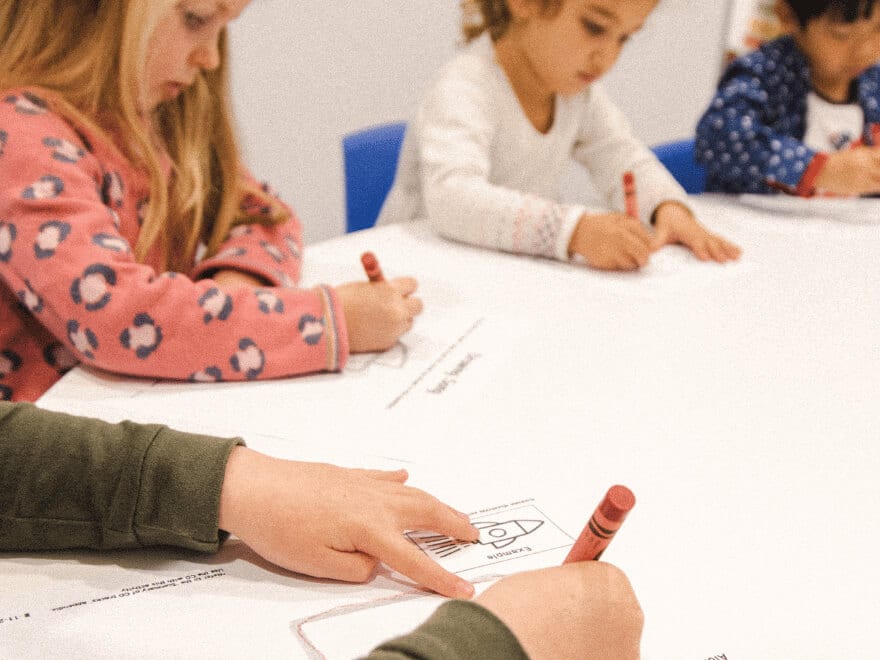
Photo by Shichida Australia: Preschoolers refining their fine motor control through one of many fine motor activities in a Shichida class – drawing a rocket with basic shapes while following a song that guides the drawing sequence.
Activities for Preschoolers (3-5 years)
At this preschool age, children are developing more precise hand movements that support self-care and early learning skills.
- Cutting Along a Line:Use child-safe scissors to cut along straight, curved or zigzag lines – great for control and focus.
- Threading Beads:String large beads onto pipe cleaners or shoelaces to boost hand-eye coordination and finger strength.
- Dressing and Undressing:Practice using zippers, buttons and snaps – either with real clothing or a dressing board.
- Playdough Tool Use:Provide scissors, rollers, and stamps to use with playdough – this encourages creative fine motor control.
- Tracing Shapes:Let them trace simple shapes using crayons or markers. This builds pencil grip and pre-writing skills.
Activities for School-Aged Children (5+ years)
At this school-ready stage, children are refining detailed motor skills needed for writing, self-care, and more complex tasks.
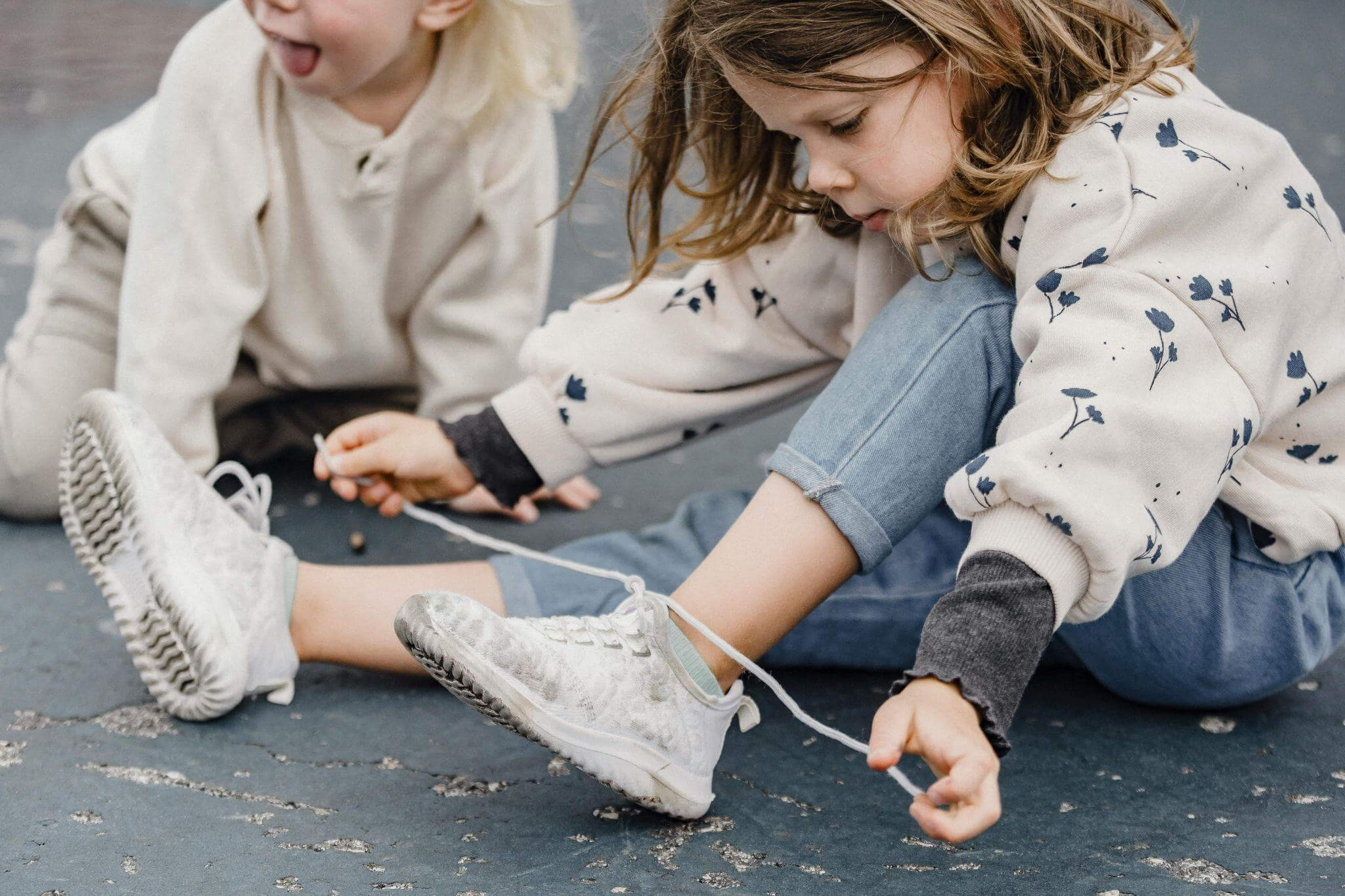
- Tying Shoelaces:Encourage them to tie their own shoelaces – great for finger coordination and independence.
- Writing on Lines:Practise writing letters and numbers neatly within lines to improve pencil control and focus.
- Building with LEGO:Snapping together small pieces helps strengthen finger muscles and fine precision.
- Cutting Complex Shapes:Provide paper with stars, animals, or zigzag shapes for cutting – great for accuracy and scissor confidence.
- Origami or Paper Folding: Introduce simple folding projects like paper planes or origami animals to develop coordination and patience.
Benefits of Fine Motor Activities

Photo from Pexels: Dressing up and pretend play are playful fine motor activities that help children build coordination and independence.
Engaging in fine motor activities helps strengthen hand muscles, improve dexterity and enhance hand-eye coordination. These skills are essential for academic readiness, cognitive development and everyday tasks like dressing, feeding, and writing. With consistent practice, children build a strong foundation for overall physical development and are better prepared for more advanced motor skills as they grow.
Cognitive and Academic Advantages
Fine motor skills are closely connected to learning and academic success. Strong hand muscles and coordination help children write, draw and use classroom tools like scissors and glue more effectively. Developing these skills early encourages letter formation, creativity, and problem-solving, developing both confidence and school readiness.
Fine motor skills in early years are significant predictors of later academic performance. A study by Grissmer et al. (2010) found that fine motor abilities at kindergarten entry were associated with math and reading outcomes in later years.
Physical and Daily Life Benefits
Fine motor development plays a key role in building independence in daily routines. Tasks like buttoning clothes, using utensils and brushing teeth become easier as children gain control over small muscle movements. As hand and finger coordination improves, it also enhances their ability to engage in sensory play, further supporting self-care skills and overall early childhood development.
Fine Motor Activities Using Everyday Household Items
You don’t need expensive toys to support fine motor development. Everyday objects can be turned into fun, hands-on activities that strengthen small muscle control. These simple tasks help children build the skills they need for daily routines while supporting overall early childhood development.
Activities Using Kitchen Tools
- Tweezer Sorting: Use tweezers or chopsticks to pick up small items like beans or cereal and sort them by colour or size.
- Spoon Transfer: Scoop and transfer rice or pasta from one bowl to another using a spoon – great for wrist rotation and control.
- Tongs Pick-Up: Use tongs to move cotton balls, pom-poms, or marshmallows into a container to strengthen grip and coordination.
- Jar Lid Matching: Match different-sized lids to their jars, encouraging hand strength and twisting motions.
- Measuring Cup Scoops: Let your child scoop and pour using measuring cups during play or while helping in the kitchen – this develops coordination and hand control.
Activities Using Office Supplies
- Paper Clip Chain: Link paper clips together to strengthen finger dexterity and hand coordination.
- Rubber Band Stretching: Stretch rubber bands around a can, water bottle or across fingers to build grip strength.
- Sticker Play: Peel and place stickers on paper or a flat surface – great for improving pincer grasp and finger control.
- Hole Punch Art: Use a single-hole punch to create designs in paper, helping develop hand strength and precision.
- Tracing with Highlighters: Trace letters or shapes using a highlighter to refine pencil grip and improve control.
Creative Craft-Based Fine Motor Activities
Craft activities are a fun and engaging way to strengthen fine motor skills while encouraging creativity and imagination. Tasks like cutting, folding, painting and drawing help children build control, coordination and confidence.
Paper and Scissors Activities
- Simple Shape Cutting: Draw basic shapes on paper and let children cut along the lines using safety scissors.
- Paper Snowflakes: Fold paper and cut small shapes along the edges to reveal a unique snowflake design.
- Origami Creations: Follow simple folding instructions to create animals or flowers – great for focus and precision.
- Tear-and-Paste Collages: Tear coloured paper into pieces and glue them onto a background to create textured art.
- Lacing Paper Shapes: Punch holes in paper cutouts and have children thread yarn through the holes to develop hand-eye coordination.
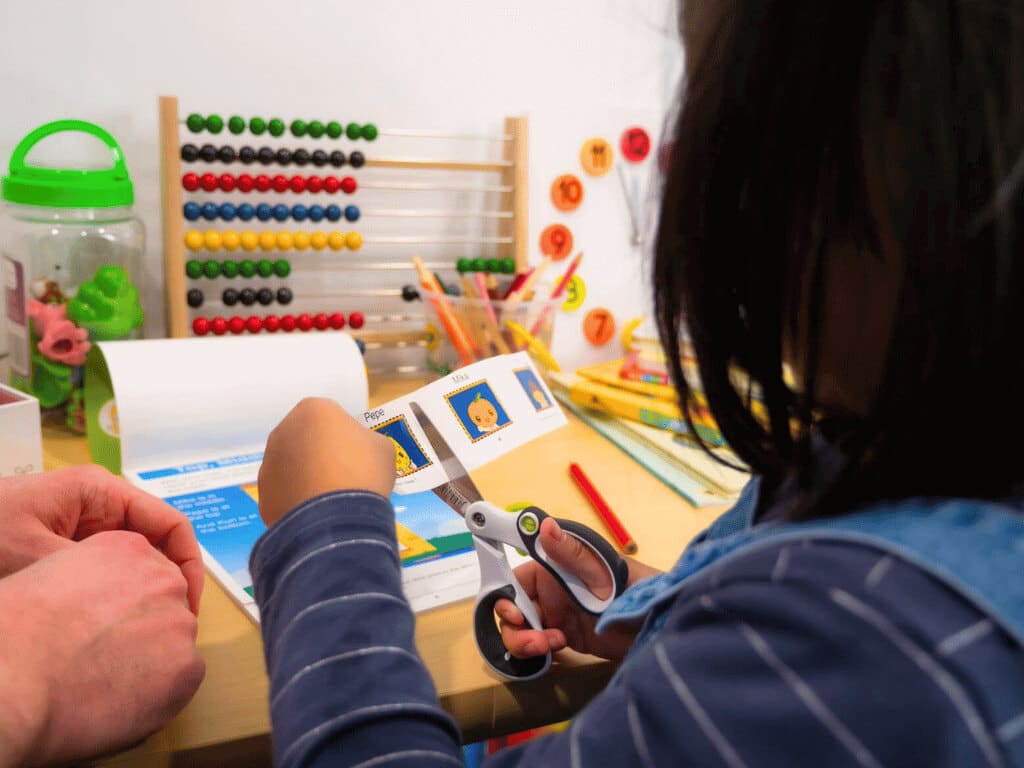
Photo by SHICHIDA at Home: A preschooler works through a fun at-home workbook – one of many fine motor activities designed to build critical thinking and fine motor control.
Painting and Drawing Activities
- Finger Painting: Let children use their fingers to create colourful designs – great for strengthening hand muscles and exploring sensory input.
- Q-Tip Dot Painting: Dip cotton swabs in paint to make patterns or pictures. This encourages control and precision in small hand movements.
- Tracing Shadows: Place objects in the sun or under a light and trace their shadows to practise accurate pencil or crayon control.
- Resist Art with Tape: Place strips of tape on paper, paint over the entire page and peel off the tape to reveal clean lines and shapes.
- Chalkboard Drawing: Drawing with chalk helps improve grip strength and provides resistance for developing control.
Play-Based Fine Motor Activities
Play is one of the most natural and enjoyable ways for children to develop fine motor skills. These interactive activities keep kids engaged and entertained while building hand strength, coordination, and control.
Sensory Play Ideas
- Rice or Bean Scooping: Use spoons, cups or scoops to transfer rice or dried beans between containers – great for hand stability and wrist rotation.
- Water Bead Sorting: Sort colourful water beads using fingers, tweezers or small tongs to encourage pincer grip and focus.
- Sand Tray Drawing: Use fingers or small tools to draw shapes and letters in a tray filled with sand – supports early writing skills and hand control.
- Slime and Playdough Play: Squeeze, roll and shape slime or playdough to build hand strength and tactile awareness.
- Hidden Treasure Hunt: Hide small objects in a sensory bin (filled with sand, rice, or beans) and have kids dig them out using their fingers or fine motor tools.
Construction and Manipulative Play
- Building with LEGO or Blocks: Stack and connect LEGO bricks or wooden blocks to improve grip, precision and coordination.
- Pegboard Patterns: Insert small pegs into a pegboard to strengthen finger control and support hand-eye coordination.
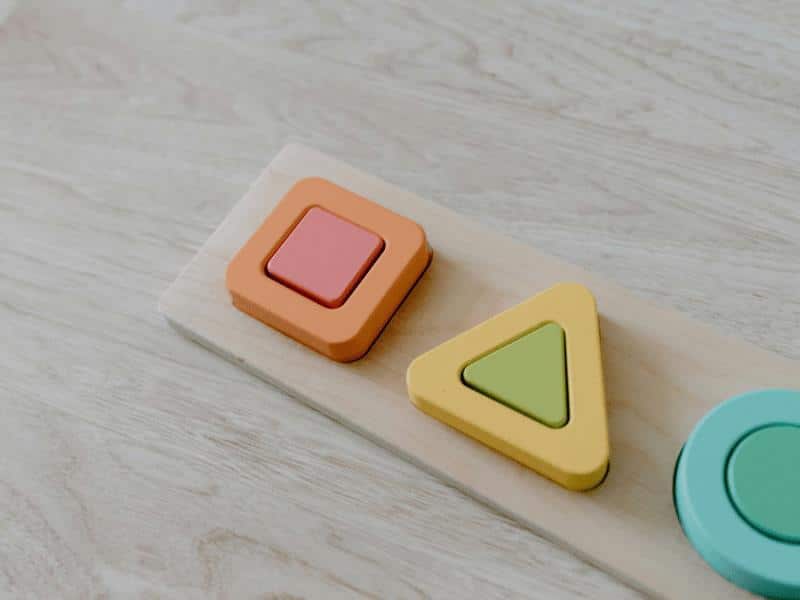
- Puzzle Play: Match and fit puzzle pieces together to refine fine motor precision and critical thinking.
- Bead Stringing: Thread beads onto a string or pipe cleaner to enhance dexterity and concentration.
- Magnet Tile Creations: Build structures using magnetic tiles to support spatial awareness and fine motor control.
Tips for Effective Implementation
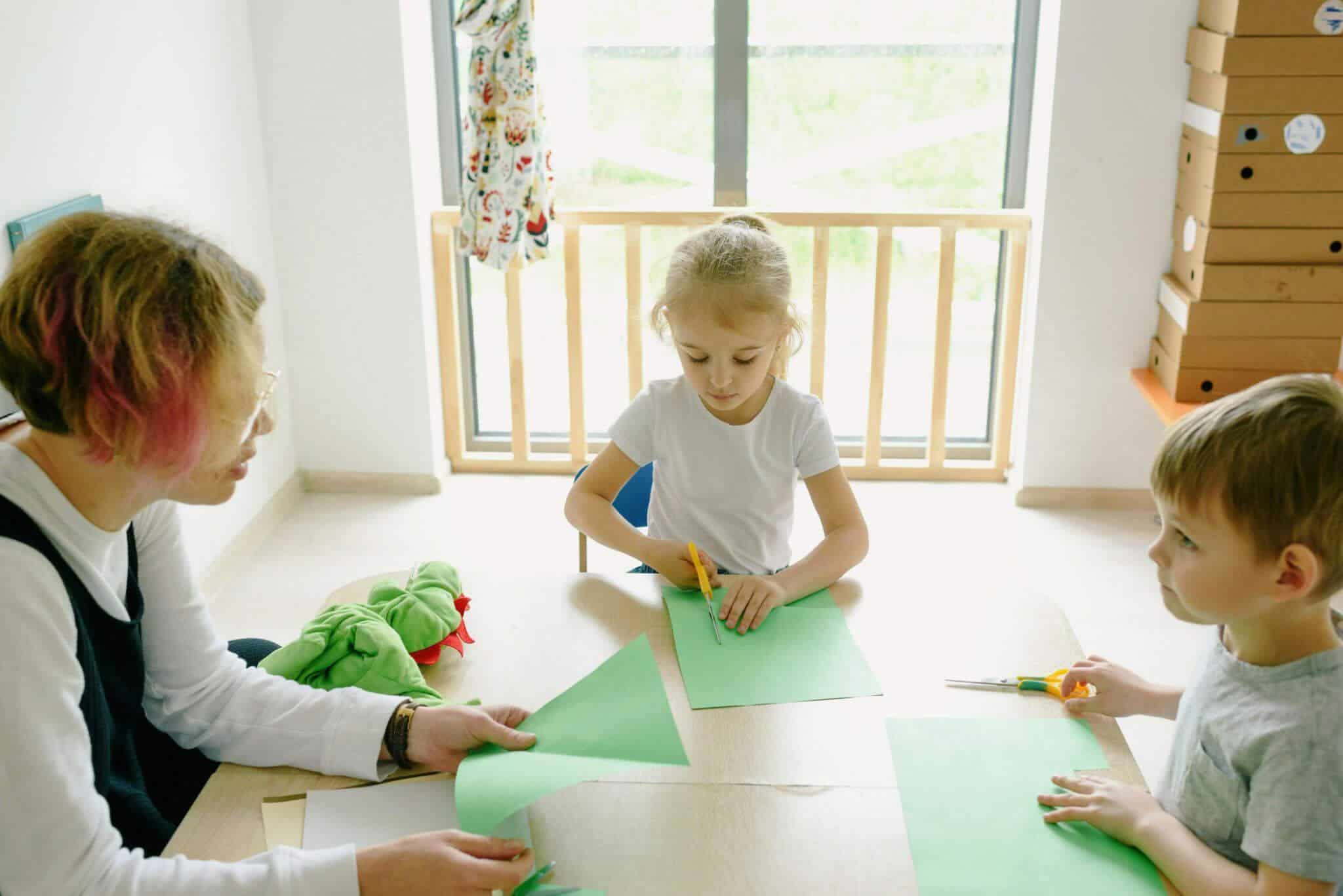
Photo from Pexels: Create a space that encourages children to learn, explore, and engage in fine motor activities that support hands-on development.
Integrating fine motor activities into your child’s daily routine is a natural and effective way to build essential skills. With the right approach, these activities can be both enjoyable and developmentally beneficial.
Setting Up an Engaging Environment
- Create an Accessible Space: Set up a dedicated area with age-appropriate tools and materials within easy reach.
- Use a Variety of Materials: Include different textures and tools – like playdough, beads, scissors and tweezers – to encourage hands-on exploration.
- Keep It Organised: Store supplies in clearly labelled bins (use pictures if they cannot read yet on the labels) so children can independently find what they need.
- Encourage Independent Play: Design the setup in such a way that children can engage with activities on their own, developing their confidence and self-direction.
- Minimise Distractions: Choose a quiet, clutter-free area to help kids focus and stay engaged with their fine motor tasks.
Balancing Fun and Skill Development
- Follow Your Child’s Interests: Use favourite toys, characters or themes to build engagement and excitement.
- Use Playful Challenges: Turn tasks into games – like racing to pick up objects with tweezers – to make learning fun.
- Keep Activities Short: Offer short, focused sessions to maintain attention and prevent frustration.
- Encourage Progress, Not Perfection: Acknowledge effort and improvement rather than expecting a perfect outcome.
- Rotate Activities Regularly: Introduce fresh challenges to keep things interesting and support ongoing development.
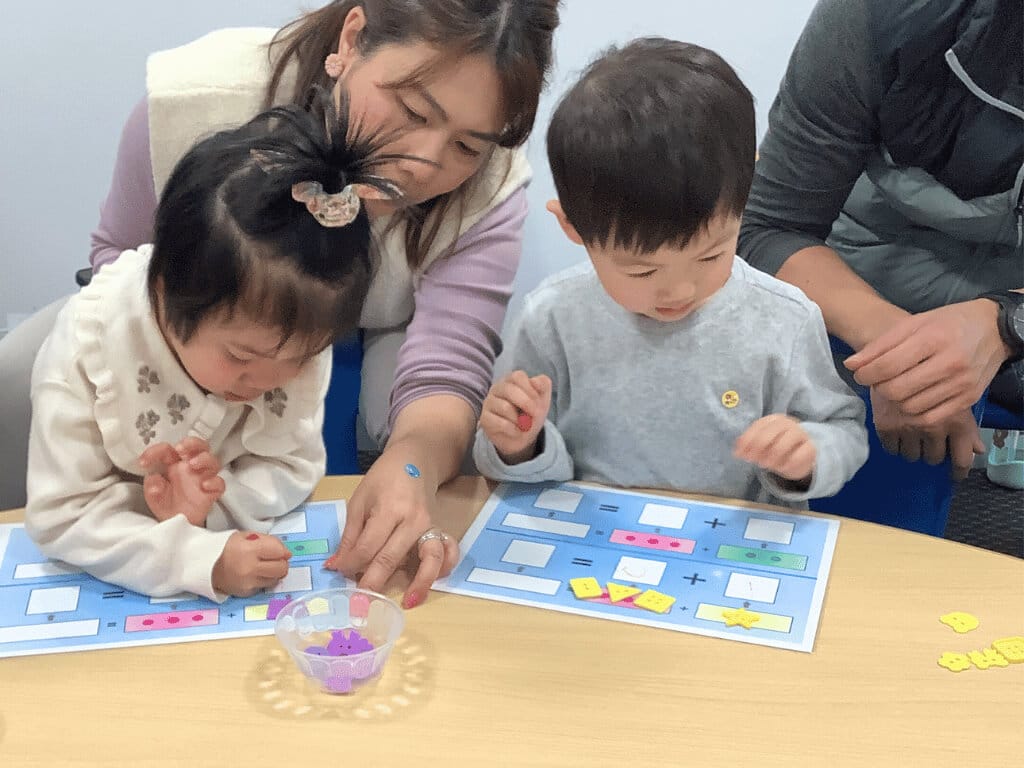
Photo by Shichida Australia: Toddlers refining their fine motor skills through playful fine motor activities like this hands-on math game in a Shichida class.
Help your child build strong fine motor skills with Shichida Australia’s hands-on, fun brain-boosting activities! Our gentle approach supports coordination, confidence, early maths, reading, writing and more!
Book a trial class today and watch those little hands (and minds) in action!
FAQs
Examples of fine motor skills include writing, buttoning clothes, using utensils, cutting with scissors, and threading beads. These tasks require coordination of the small muscles in the hands and fingers.
Fine motor skills begin developing in infancy and continue improving throughout early childhood. By preschool age, most children start refining more complex skills like cutting, drawing, and writing.
Yes! Fine motor activities help strengthen grip, hand coordination, and pencil control – all essential skills for neat and confident handwriting.
Aim for at least 15–30 minutes a day, naturally integrated into playtime and everyday tasks like dressing, eating or crafting.
Absolutely. Fine motor skills support writing, focus, problem-solving and independent learning, all of which are key to early academic achievement.