Alphabet Flashcards: The Ultimate Guide for Learning Letters
What a joy it is to see and hear your child reading at a young age! Every parent wants their child to learn and master this skill to better understand the world around them. But reading can’t happen without first learning the letters.
Many parents – especially mums – take an active role in guiding their children through the world of the English alphabet, hoping they will recognise each letter one by one and eventually learn to read them aloud.
Alphabet flashcards have become a go-to tool for this learning process. This guide explores the value of using alphabet flashcards, their benefits, how to use them properly, and how you can choose the best ones to effectively support your child’s learning.
What Are Alphabet Flashcards?
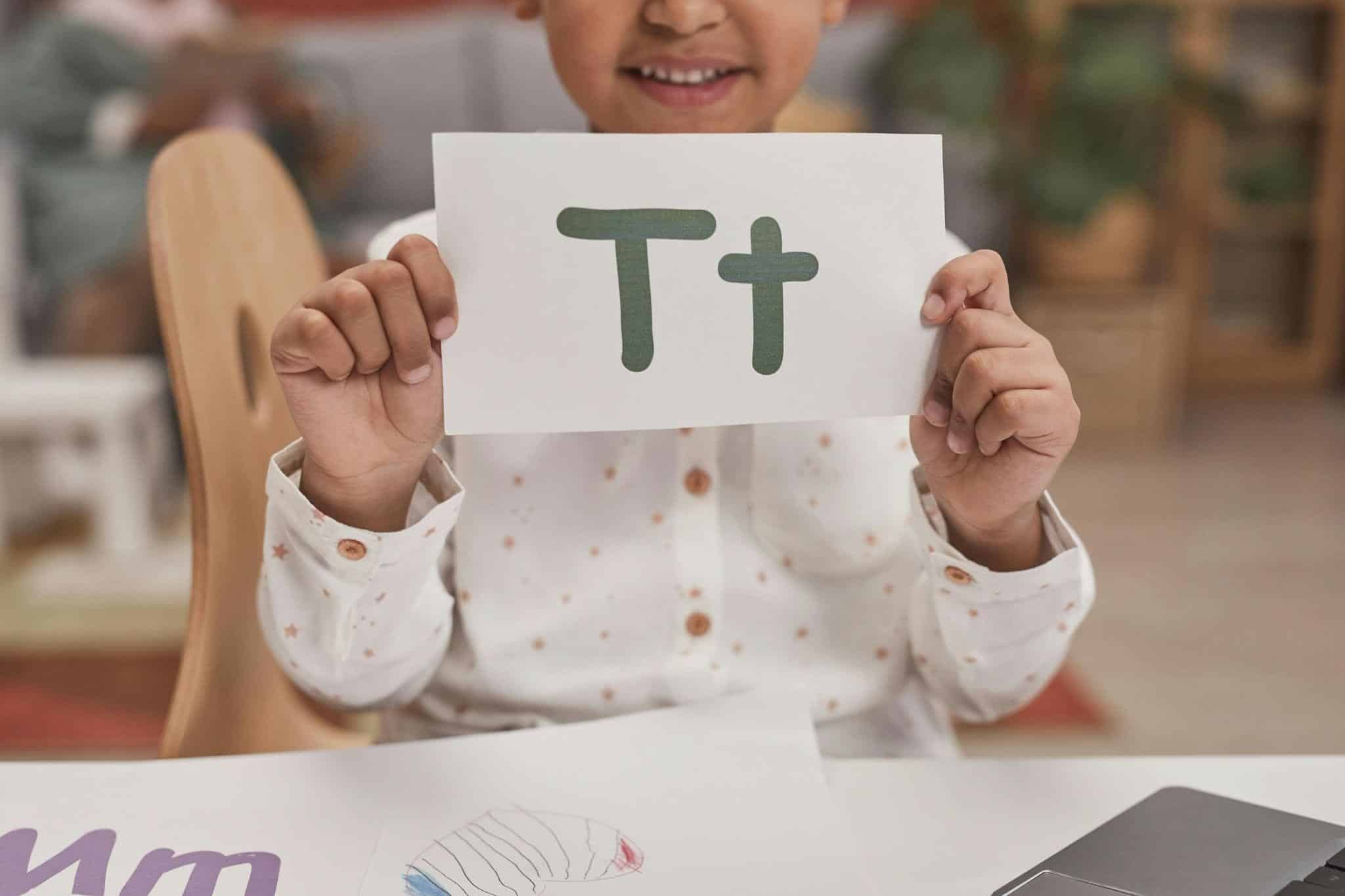
Alphabet flashcards are simple yet highly effective tools in children’s learning, helping them to recognise letters. Flash cards typically feature a bold letter with either an image or a word that corresponds to that letter.
Used for generations, they have proven to be a foundational method in teaching literacy, helping children learn to read through repetition and visual association.
Flash cards have long been a familiar sight in both schools and homes. Educators have long known that children are best taught through exposure and repetition, so the use of alphabet flashcards became a simple yet effective means of teaching letter identification.
Today, flashcards go beyond the classic paper formats. Thanks to technology, interactive and digital flashcards are now available, expanding their reach and enhancing learning efficiency.
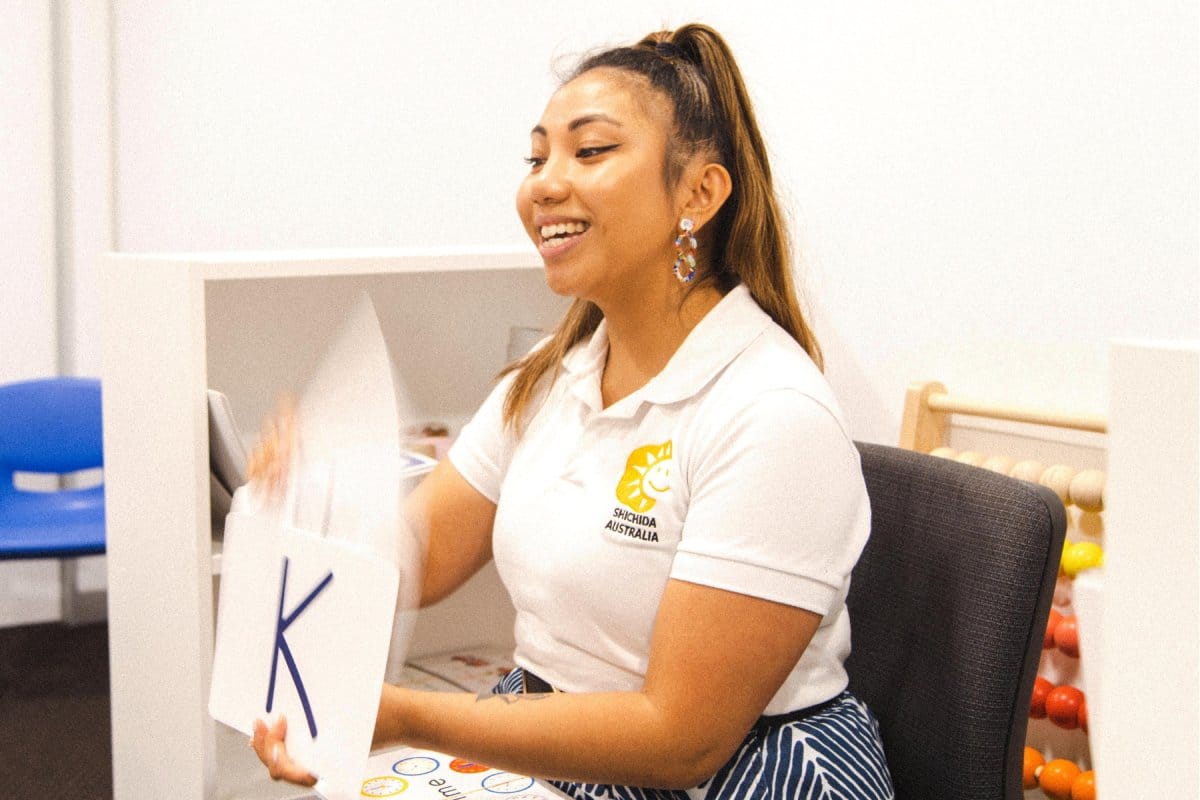
Photo from Shichida Australia: A Shichida teacher introduces the alphabet using flashcards and the alphabet song to support letter recognition and auditory learning in young children.
Benefits of Using Alphabet Flashcards
Alphabet flashcards provide numerous cognitive and educational benefits to young children. Here are some of the most important benefits:
Improved Letter Recognition: Flash cards introduce children to the letter shapes and sounds, helping them become more familiar with the alphabet and better prepared to read.
Phonics Development: Most phonics flashcards contain sound and word connections, enabling children to better understand the letter-sound relationships essential for reading.
Memory Retention: Flash card repetition builds up memory so that children can recall letters and words more over time.
Fun and Interactive Learning: Flash cards make learning interactive and fun, particularly when accompanied by games and hands-on activities.
Types of Alphabet Flashcards
There are many types of alphabet flashcards available, and picking the perfect ones can make learning letters fun and stimulating for your child.. Below are some popular flash card options to help you decide what might work best:
Traditional Paper Flashcards
Traditional paper flashcards are a favourite among many parents and educators because they’re easy, inexpensive, and efficient. Many preschool flashcards feature vibrant, bold letters and playful pictures that capture a child’s interest. They’re light, easy to throw in a bag, and ideal for learning anywhere- be it at home, in the car, or waiting in line at the shops.
Interactive and Digital Flashcards
If your child enjoys screen time, digital flashcards can be an excellent option. Many apps and learning platforms, like SHICHIDA at Home, offer toddler learning cards with features like animations or sound effects. These tools are especially helpful for reinforcing letter sounds and recognition in a playful, game-like format.
DIY and Custom Flashcards
To give it a personal touch, make your own alphabet flashcards. Take some index cards, markers, and stickers, and design flash cards around your child’s interests. Draw or glue their favourite animals, foods, or toys alongside each letter. Learning becomes more interactive and enjoyable, and it is an excellent way to engage your child in the process.
How to Use Alphabet Flashcards Effectively
Using flash cards effectively demands more than merely flashing them in front of your child. These are some methods to use them to their best advantage:
Flashcard Games and Activities
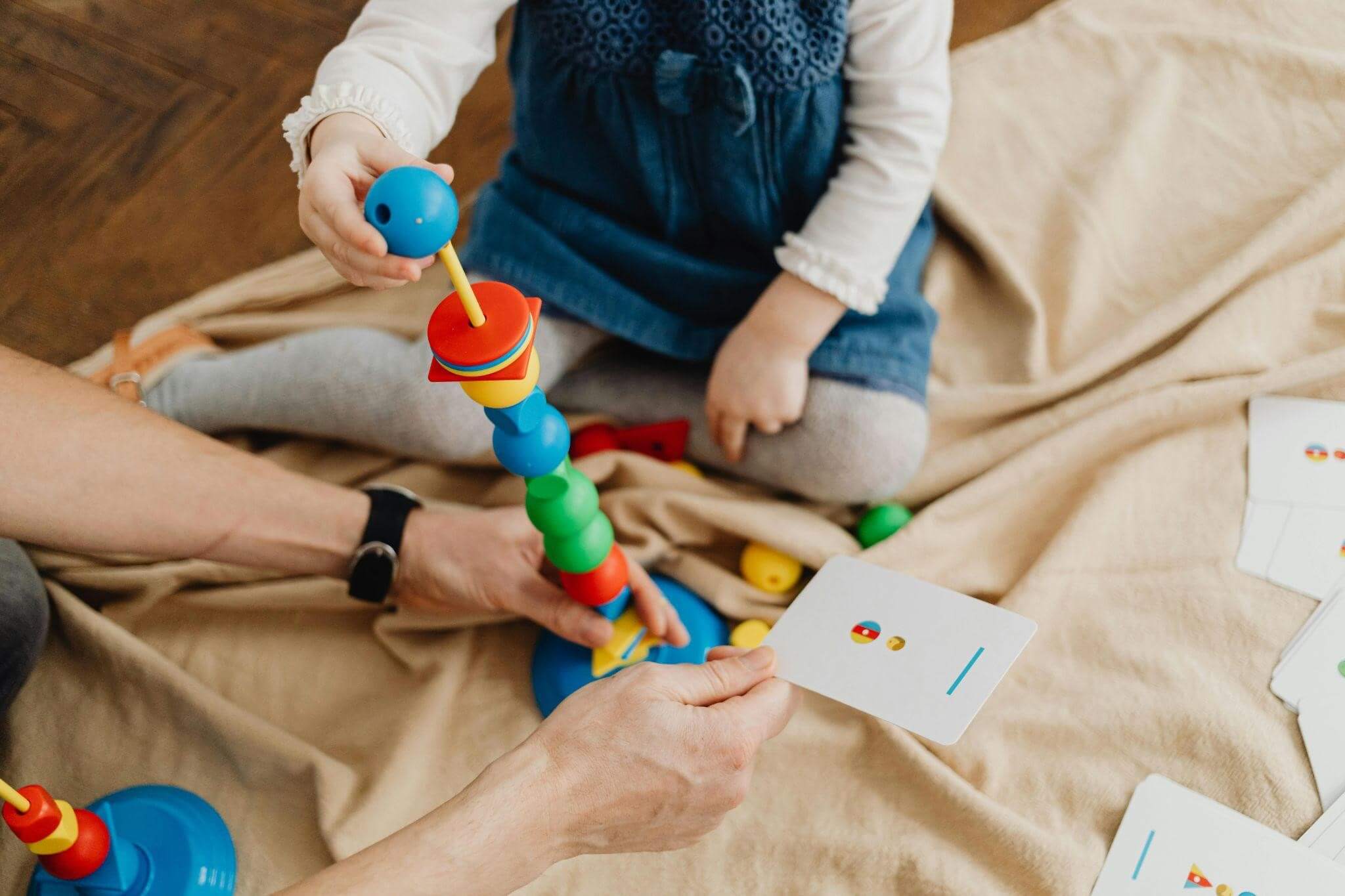
Early learning with alphabet flashcards can be fun. Here are flash card games and activities you could try with your kids.
Matching Game: Lay out a handful of ABC flashcards and ask your child to match the uppercase and lowercase letters.
Scavenger Hunt: Hide flash cards in and around the home and ask your child to search and find them.
Sound Association: Say a letter sound aloud and ask your child to find the flash card that matches the sound.
Memory Game: Place cards face down and take turns flipping them over to find matching letter pairs.
Best Practices for Reinforcing Learning
Learning is a wonderful journey, but if not approached thoughtfully, it may limit its full potential. As you support your child’s growth, here are some effective strategies to make the most of their alphabet flashcard experience:
Repetition is the Key: Use flash cards on a daily basis for short periods of time in order to reinforce learning.
Make It Fun: You could add songs, dance, or narration with the flashcards.
Use Multi-Sensory Methods: Use tracing of letters with fingers while making their sounds.
Be Encouraging and Patient: Acknowledge and celebrate small successes in order to increase confidence and motivation.
Choosing the Best Alphabet Flashcards
To select the best flash cards for your toddler, consider the following:
Durability: Choose flash cards that are thick and laminated to withstand wear and tear especially if you are going to use them daily.
Engaging Illustrations: Make sure to buy preschool flashcards that are bright in colours, with fun images to easily capture your child’s attention.
Phonics Integration: Choose flash cards that include letter sounds to support early reading development.
Interactive Elements: Tactile or digital features enhance engagement.
Top Recommended Alphabet Flashcards
Shichida Learning Centre Australia offers free printable flashcards. Visit the Learning Hub to download free flashcards and worksheets. You can also explore the online store for a variety of expertly designed, high-quality educational flash cards that help reinforce your child’s learning.
Where to Buy Alphabet Flashcards
Many flashcard learning materials are available on the market, but not all are thoughtfully designed to support your child’s learning. For high-quality educational flashcards, explore Shichida Australia’s collection here.
DIY Alphabet Flashcards: A Step-by-Step Guide
Creating your own ABC flashcards can be a fun and rewarding experience. It’s not just a budget-friendly option; it also helps your child learn more effectively. Plus, it gives you a special opportunity to bond, making learning more enjoyable and motivating for them. Here’s a simple guide to making your own DIY alphabet flashcards:
Materials Needed:
- Index cards or cardstock
- Markers or coloured pencils
- Stickers or printed images
- Laminating sheets (optional for durability)
Steps:
- Write uppercase and lowercase letters on separate cards.
- Add a corresponding image or word for each letter.
- Laminate for long-lasting use.
- Use them in games and daily learning activities.
These easy steps make learning fun and achievable for both you and your child. Enjoy the process, and together, create not just toddler learning flashcards but lasting memories!
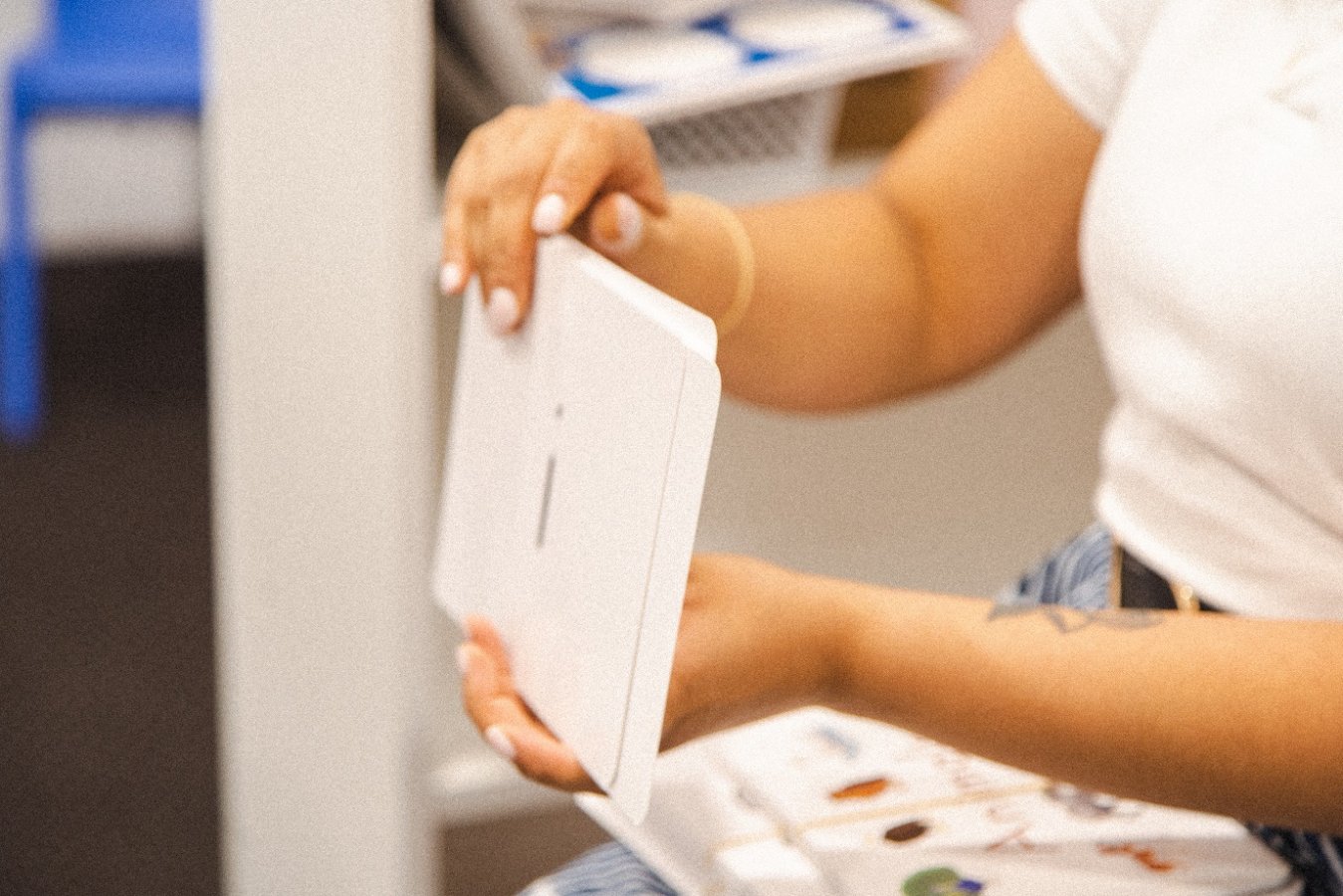
Learning can be fun and exciting. Make it even more engaging – book a trial class for an interactive learning experience that helps maximise your child’s potential. Experience Shichia’s famous high-speed flashcards today
FAQs
Children can begin exploring flashcards as early as 6 months to 2 years old, with structured learning around age 3.
Short, daily sessions (5-10 minutes) are ideal for maintaining engagement without overwhelming your child.
Yes! Flashcards encourage verbalisation, helping children practice letter sounds and words.
Both can be effective, but physical flashcards offer hands-on engagement, while digital versions provide interactive features.
Incorporate games, songs, and multi-sensory activities to keep learning fun and interactive.