Gross Motor Skills Examples and Developmental Milestones
Healthy, active, and strong – most parents just want to ensure their children stay physically fit. By investing in the right tools and encouraging physical activities, parents set a great example, encouraging their kids to mirror those habits. However, developing gross motor skills is key to supporting physical activities for kids and promoting overall motor skills improvement.
Through age-appropriate exercises, children can improve their balance and coordination while working on muscle development.
In this guide, we’ll highlight examples of gross motor skills for various stages and suggest activities that support your child’s physical development, ensuring a strong foundation for growth.
Understanding Gross Motor Skills
As parents, you see your child growing and developing every day. From taking their first unsteady steps to running freely around the playground, these movements are all part of gross motor development. Gross motor skills involve the use of the body’s large muscles and are crucial for daily functions such as walking, jumping, climbing, and even sitting up. These skills establish balance and coordination, strength, and confidence, which provide the foundation for fine motor skills such as writing or buttoning a shirt.
Some students may need individual adjustments to support the development of their fine and gross motor skills. According to the NSW Department of Education’s Inclusive Practice Hub, tailoring support can make a meaningful difference in helping children learn and refine new motor skills effectively.
Developmental Milestones by Age
All children grow and develop at their own pace, but understanding gross motor development can prepare you for what to expect. Here’s a helpful guide to common milestones at different ages:
Infants (0-12 Months)
During the first year, your baby is busily establishing strength and mastery over their body. You’ll notice a consistent series of infant movement milestones, but keep in mind that all babies develop at their own pace. Some might bypass crawling and proceed directly to walking, while others progress steadily through each stage.
0-3 months: Lifting their head during tummy time, kicking their legs and moving their arms more freely.
4-6 months: Rolling over, pushing up using arms, sitting with support
6-9 months: Sitting on their own, rocking back and forth on their hands and knees, crawling (some babies may scoot or roll instead!)
9-12 months: Pulling themselves up to stand, cruising around furniture, taking those wonderful first steps
Floor Time for Babies
At this age, floor time is essential. Allowing your baby to explore freely without spending too much time in swings or seats builds muscle development in kids and prepares them for their next big moves.
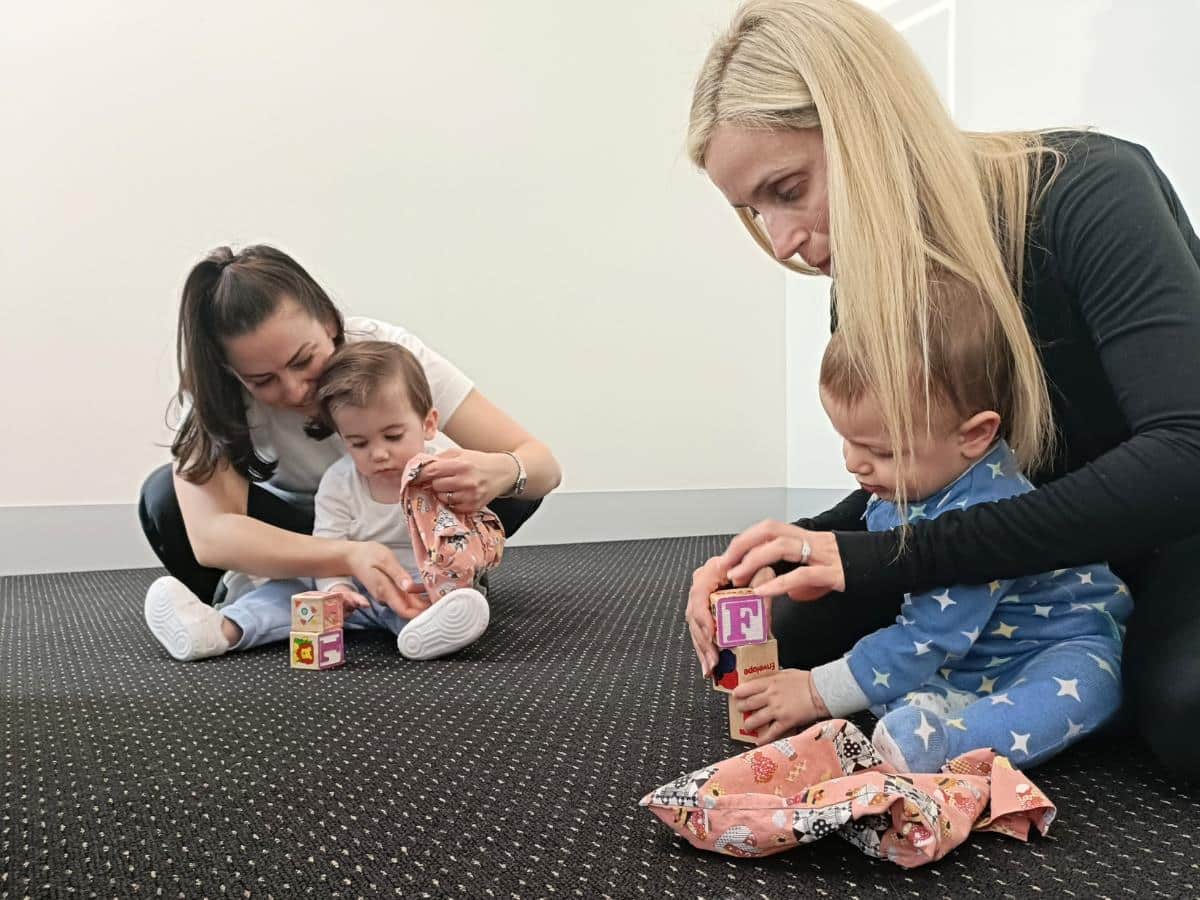
Photo by Shichida Australia: Babies enjoy floor time during a Shichida class – a vital part of developing gross motor skills like crawling and reaching. Movement builds muscle strength, coordination, and brain-body connection from the very beginning.
Toddlers (1-3 Years)
The moment your child starts taking steps, they are a whirlwind of energy! This phase is all about honing toddler gross motor skills and independence of movement.
12-18 months: Independent walking, climbing furniture, squatting to retrieve toys
18-24 months: Running (though a bit unstable), kicking a ball, climbing stairs with help
2-3 years: Jumping with two feet, climbing stairs independently, starting to balance on one foot, beginning to throw and catch.
At this stage, your toddler is developing more motor coordination to explore their world. You may see a few stumbles as they experiment with boundaries, but that’s part of the deal! Easy physical activities for children such as running after bubbles, dancing, or climbing at the park are wonderful to assist them in gaining confidence in their movements.
Preschoolers (3-5 Years)
By preschool age, kids are refining their preschool motor skills and learning to move with greater control. Their gross motor skills become more complex, allowing them to take on new challenges.
3-4 years: Hopping on one foot, climbing playground equipment with confidence, riding a tricycle
4-5 years: Skipping, balancing on one foot for a few seconds, catching a ball with both hands, independent swinging on a swing
At this age, children enjoy doing things that test their increasing strength and development of motor skills. Whether they are scootering, climbing the jungle gym, or mastering jump rope, all these activities prepare them for sports, outside play, and even school-type activities such as sitting quietly and holding posture.
Examples of Gross Motor Skills
Gross motor skills involve the body’s large muscles, enabling children to move, play, and navigate their environment with confidence. Gross motor skills are crucial for balance, coordination, strength, and overall physical growth. The most effective way to facilitate your child’s gross motor development is by providing them with plenty of opportunities to move in various ways. Let’s break down some key gross motor skills by activity type and explore why each is important.
Locomotor Skills
Walking
Seeing your baby take their first step is both heartwarming and exciting. Early on, you’ll notice them holding onto furniture like cabinets or chairs or reaching for your hands for support. Over time, they gain balance, strength and the confidence to walk on their own. Walking is not just going from one place to another, it helps in coordination, leg strength and the building of independence. Allow your kids to explore and witness them be independent early on.
Running
Running strengthens your child’s heart and builds strong leg muscles. It strengthens the glutes, quads, and calves while improving endurance and coordination. Short sprints help develop power, while longer runs build stamina. Another benefit is engagement of your child’s core muscles, helping them learn balance and prevent injuries. Run together or keep it fun with races or obstacle courses.
Jumping
Jumping is another powerful exercise that helps develop muscles, coordination, and endurance. Activities such as jump rope, trampoline, and jumping jacks are good jumping exercises that help improve balance, and overall agility.
Object Control Skills
Throwing
When your child tosses a ball, they’re not merely playing, they’re developing hand-eye coordination by targeting an object and adjusting their movements for accuracy. Throwing also builds shoulder, arm, and core strength, which are needed for daily activities such as carrying a backpack or opening doors.
Catching
Catching is also a lesson in timing and coordination, as children have to follow a moving target and respond rapidly. It enhances concentration and reflexes, allowing them to adjust their hand placement and grip. Mastering catching builds confidence and prepares your child for team games and sports.
Kicking
Kicking is not only about strength, it teaches your child balance, leg strength and coordination. Whether kicking a soccer ball or playing hopscotch, these actions teach your child how to shift their weight, guide their movements, and enhance spatial awareness.
Stability Skills
Balancing
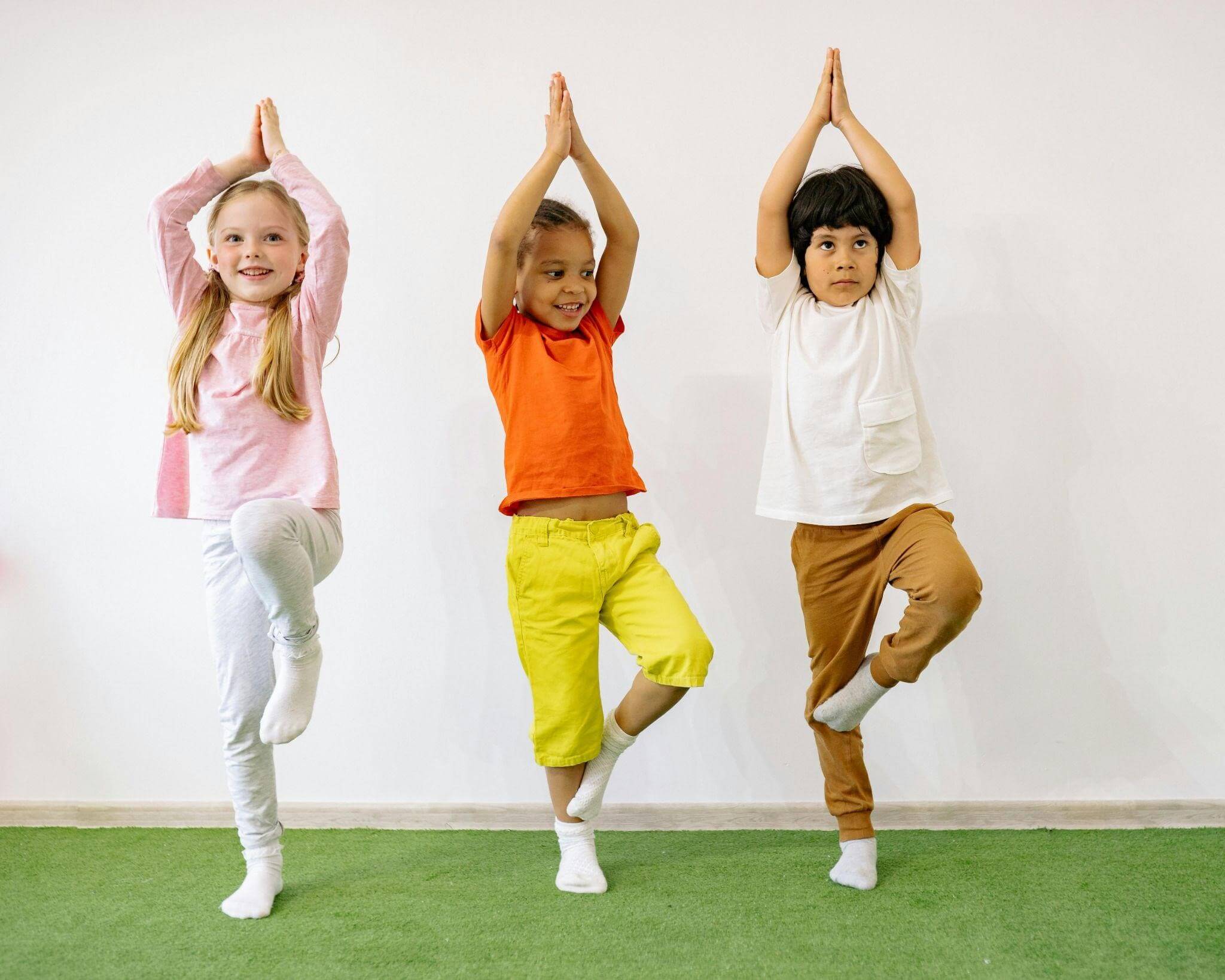
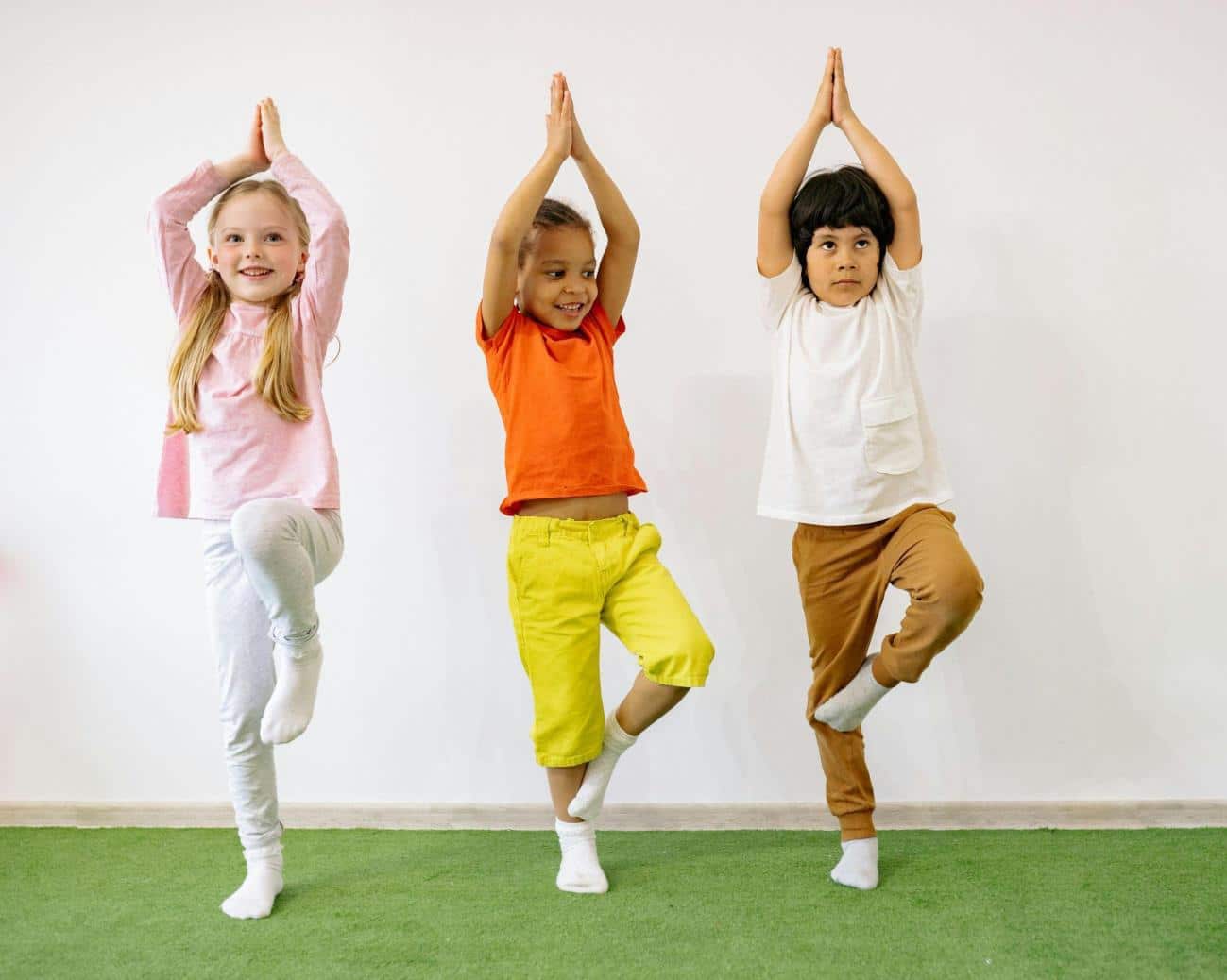
Balancing activities like balancing on one foot assist preschool children in developing their core strength and coordination. Simply walking along a line or hopping from spot to spot enhances their stability and body control.
Climbing
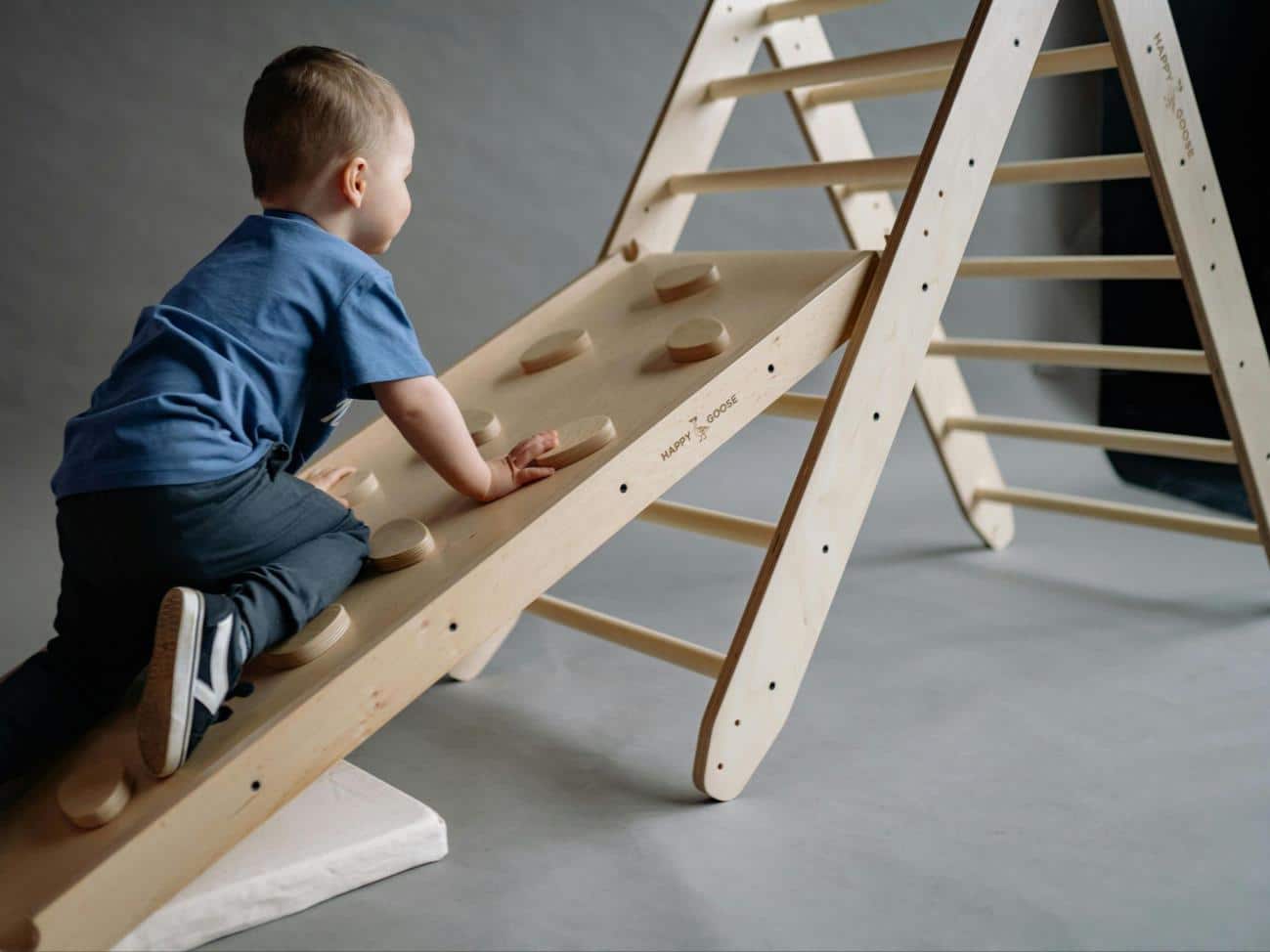
Climbing on play equipment or indoor climbing walls, develops strength, confidence, and problem-solving abilities by navigating various grips and movements.
Factors Influencing Gross Motor Development
Your child’s gross motor development is shaped by a combination of biological, environmental, and social/cultural factors. Each plays a role in how they develop strength, balance, and coordination. By understanding these influences, you can better support your child’s physical growth.
Biological Factors
Your child’s muscle tone, general health, and even genetics all contribute significantly to motor development. Some kids are naturally born with stronger muscles, while others may require additional assistance. Low muscle tone conditions can make it more difficult for kids to move, but therapy and early intervention can strengthen muscles and improve coordination.
Environmental Factors
A child’s environment greatly influences their ability to develop movement skills. Access to safe play spaces, such as parks or playgrounds, helps children build strength and coordination. Promoting active play at home – like climbing, running, or dancing – also supports balance, agility, and confidence in their movements.
Social and Cultural Factors
Your child’s level of activity is influenced by your family’s lifestyle and cultural traditions. Some cultures encourage children to explore freely, whereas others emphasise structured play. Too much screen time, busy schedules, and safety concerns can reduce activity, so it’s important to prioritise active play whenever possible.
Activities to Enhance Gross Motor Skills
Encourage your child to participate in activities such as obstacle courses, dancing, or ball games to enhance gross motor development. These activities enhance balance, coordination, and muscle growth while exercising becomes fun and engaging.
Indoor Activities
Obstacle Courses: Set up simple indoor obstacle courses with pillows, chairs, and blankets to promote activities such as crawling, jumping, and balancing. These activities enhance your child’s strength, coordination, and problem-solving skills.
Dance Parties: Put on some music and hold a dance party! Dancing enhances rhythm, coordination, and balance, as well as leg muscle strength and increases your child’s confidence.
Outdoor Activities
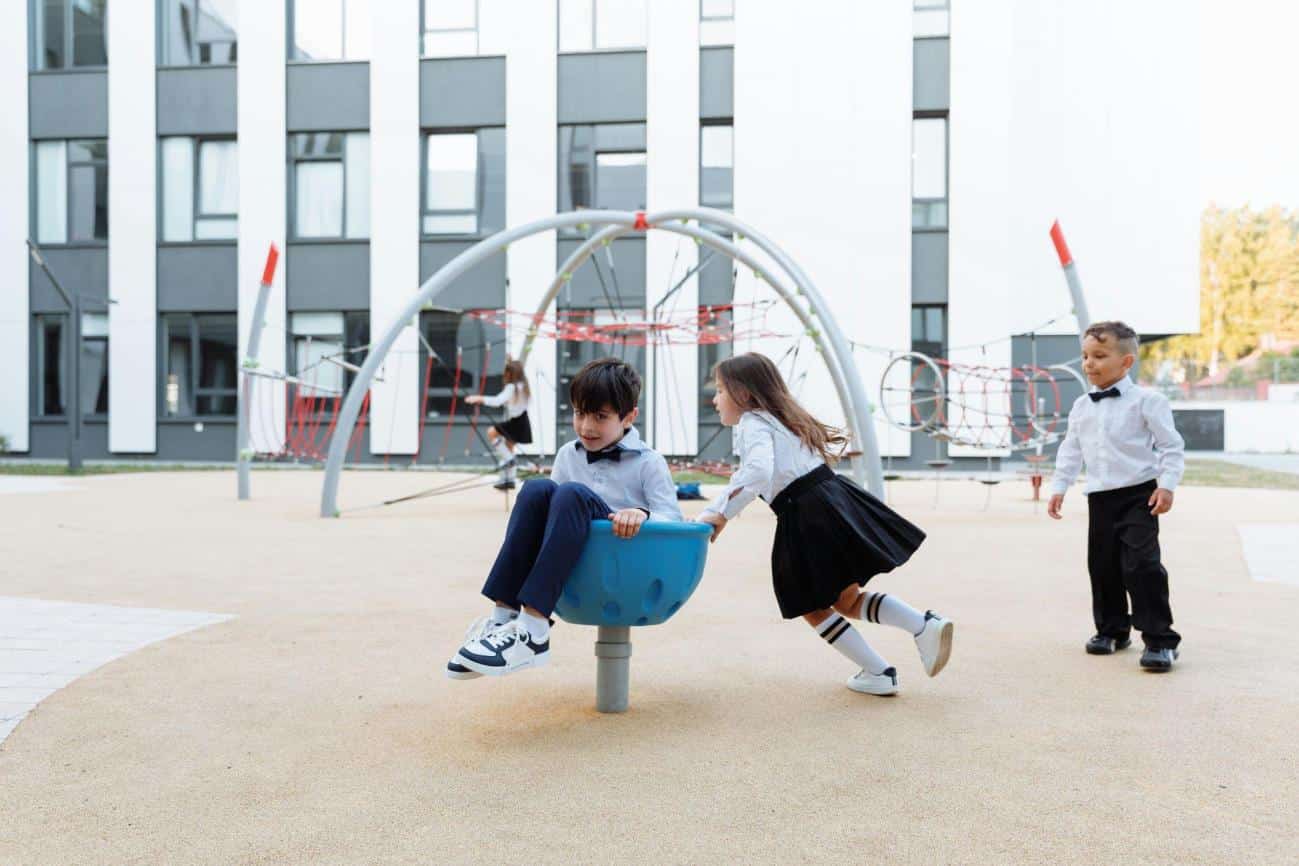
Playground Visits: Climbing, swinging, and sliding are great activities for developing muscle strength, balance, and coordination. They also enhance social skills as kids interact with other children.
Ball Games: Games such as soccer or catch improve hand-eye coordination, agility, and teamwork. Kicking and throwing also develop leg and arm strength, complementing your child’s overall physical development.
Recognising and Addressing Delays
As a parent, it’s necessary to notice when your child could have delays in gross motor development. Getting proactive can greatly benefit them to catch up and prosper.
Signs of Potential Delays
If your child is having a difficult time reaching typical motor age milestones, for example, failing to crawl at 10 months or walking without assistance at 18 months, this could indicate developmental delay. Difficulty running, hopping, or performing age-appropriate movements may also be cause for concern. Early detection allows you to seek support and interventions that can help your child progress in their motor skills.
When to Seek Professional Help
If you have concerns about your child, consult a healthcare provider or pediatric specialist as soon as possible. They can assess your child’s muscle development, coordination, and general physical development to eliminate any underlying problems. Expect physical checks and milestone evaluations as part of the process. It’s always better to seek help early rather than regret waiting too long.
Supporting Your Child at Home
To support your child at home, encourage active play and the use of toys that help with balance and coordination. Climb, dance, or throw a ball – these simple activities enhance toddler gross motor skills and preschool motor skills. Be encouraging and patient, as repeated reinforcement develops confidence and physical skills.
The Role of Play in Developing Gross Motor Skills
Play is a critical part of gross motor development because it affords children the ability to participate in physical activities that promote balance, coordination, and strength in general. Both structured and unstructured play assist children in achieving their motor milestones as well as developing physical confidence.
Structured Play
Structured activities such as sports, dancing classes or learn-through-play classes, provide structured environments where kids learn skills such as coordination, balance, and agility. Organised activities help kids acquire discipline, learn to follow instructions, and enhance muscle power. It also ensures a healthy environment for social and team-building skills.
Unstructured Play
Unstructured play, like free play in a park or at home, enables children to use their imagination and move around freely. It helps to develop natural improvement of motor skills as children play and run around freely. Free play is essential for developing your child’s muscles and building motor coordination without the limitation of structured activities. Promoting free play allows children to develop strength and balance in their own time, and this is key to overall growth.
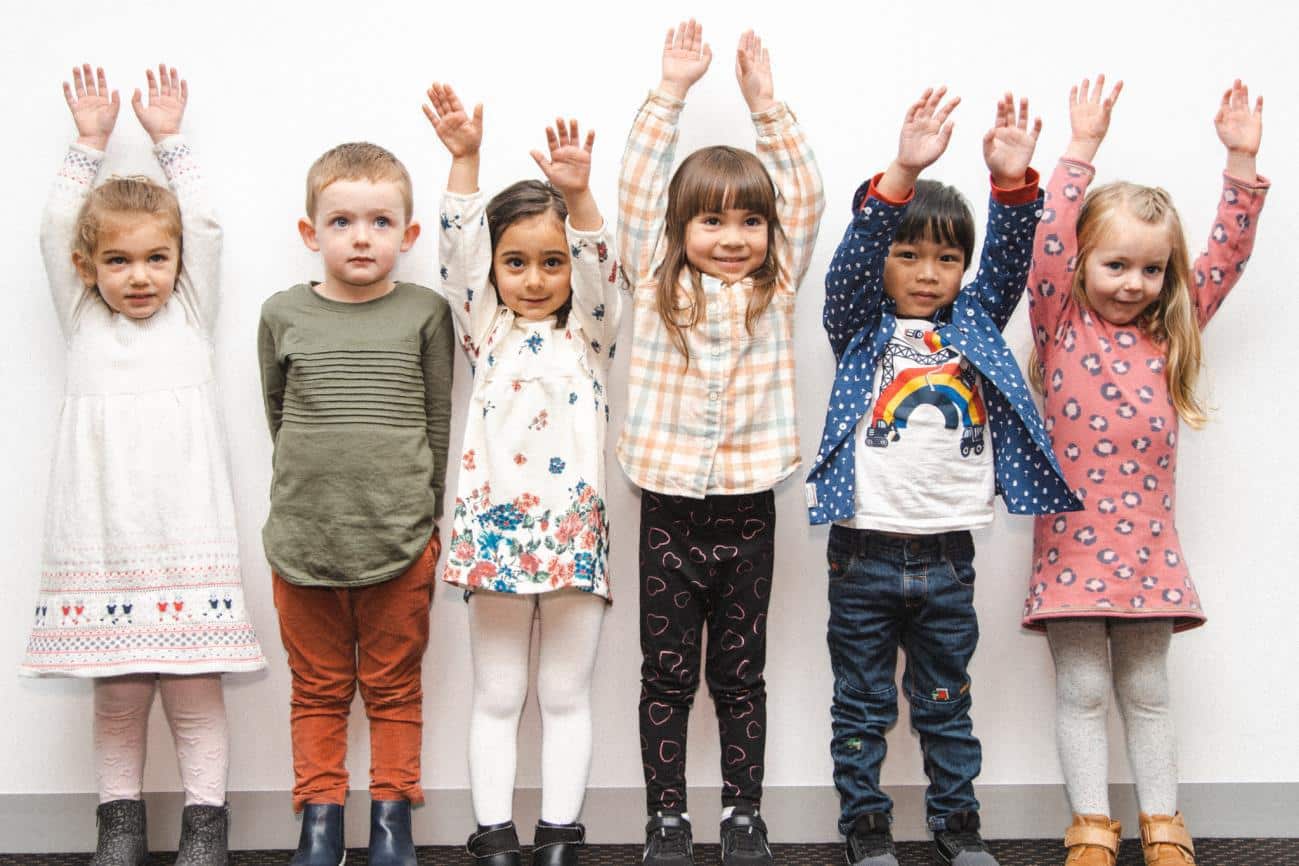
Photo by Shichida Australia: At Shichida, playful, movement-based activities are used to make learning fun, naturally enhancing children’s gross motor skills through songs and hands-on games – while guiding them to focus on developing fine motor skills, too.
Learn-Through-Play Classes
At Shichida Australia, we blend fun with learning to enhance motor skills. Our dynamic, hands-on activities and songs encourage movement and coordination, helping your child develop physically while enjoying every moment. Book a trial class today and give your child the perfect start for growth and learning!
FAQs
Gross motor skills are movements that involve large muscle groups, such as walking, running, jumping, and climbing. These skills are essential for balance, coordination, and overall physical development.
Most children start walking between 9-18 months, but each child develops at their own pace. Some may start walking earlier or later depending on their unique growth patterns.
Encourage physical play like crawling, climbing, running, or playing with a ball. Activities like dancing, obstacle courses, or playing on playground equipment also help strengthen muscles and improve coordination.
If you suspect a delay, consult with your pediatrician or a specialist. Early intervention can help address any issues and support your child’s physical growth.
Toys like push toys, balls, ride-on toys, and climbing structures can promote muscle development, balance, and coordination. Look for toys that encourage active movement and exploration.