Engaging Numeracy Activities for Preschoolers
Numbers are something parents never want their kids to struggle with in school. Since math can be challenging even for adults, parents should engage their children in early numeracy activities for preschoolers as early as possible.
If you’re a parent looking to make preschool math activities fun and engaging, you’ll find helpful tips here to nurture your child’s early math skills. By incorporating counting games for preschoolers and other fun math activities, you will help your child develop a love for numbers through play-based learning.
With exciting preschool number games and hands-on experiences, kids won’t see math learning as difficult. Instead, they’ll enjoy an interactive journey of math learning for toddlers that builds early math skills, setting a strong foundation for preschool numeracy development.
Importance of Early Numeracy Development
Helping your child develop early math skills lays the foundation for a lifetime of success. Preschool math activities reinforce problem-solving and critical thinking while making math fun. When children play counting games for preschoolers and enjoy simple home math activities, they become more confident working with numbers. As a parent, your role is critical in making math an enjoyable experience.
Cognitive Benefits of Early Math Skills
Early math learning for toddlers enhances intellectual abilities such as problem-solving, pattern recognition, and logical thinking. Simple activities like preschool number games and basic addition and subtraction enhance memory, concentration, and spatial awareness. Introducing hands-on math activities for preschoolers encourages curiosity and builds confidence, helping your child grasp more complex ideas in the future.
Preparing for Formal Education
Establishing strong preschool numeracy development at home gently transitions your child into a structured formal preschool math curriculum. Teaching numbers through activities at home familiarises them with counting, sequencing, shapes and patterns. When interactive math games and hands-on learning experiences are introduced, children gain the confidence to learn formal math in school.
Counting and Number Recognition Activities
Learning to count and identify numbers does not have to be difficult. Simple, interactive activities make learning fun and effective. By incorporating preschool math activities into everyday routines, you are establishing early numeracy skills in a natural and engaging way. Counting games for preschoolers and interactive math games provide the foundation for a deeper understanding of mathematical concepts.
Counting with Everyday Objects
You can turn everyday moments into math learning opportunities by doing home math activities, such as counting items like fruit, toys, and utensils. These counting games for preschoolers help develop number sense by connecting numbers to real-world experiences.
Number Matching Games
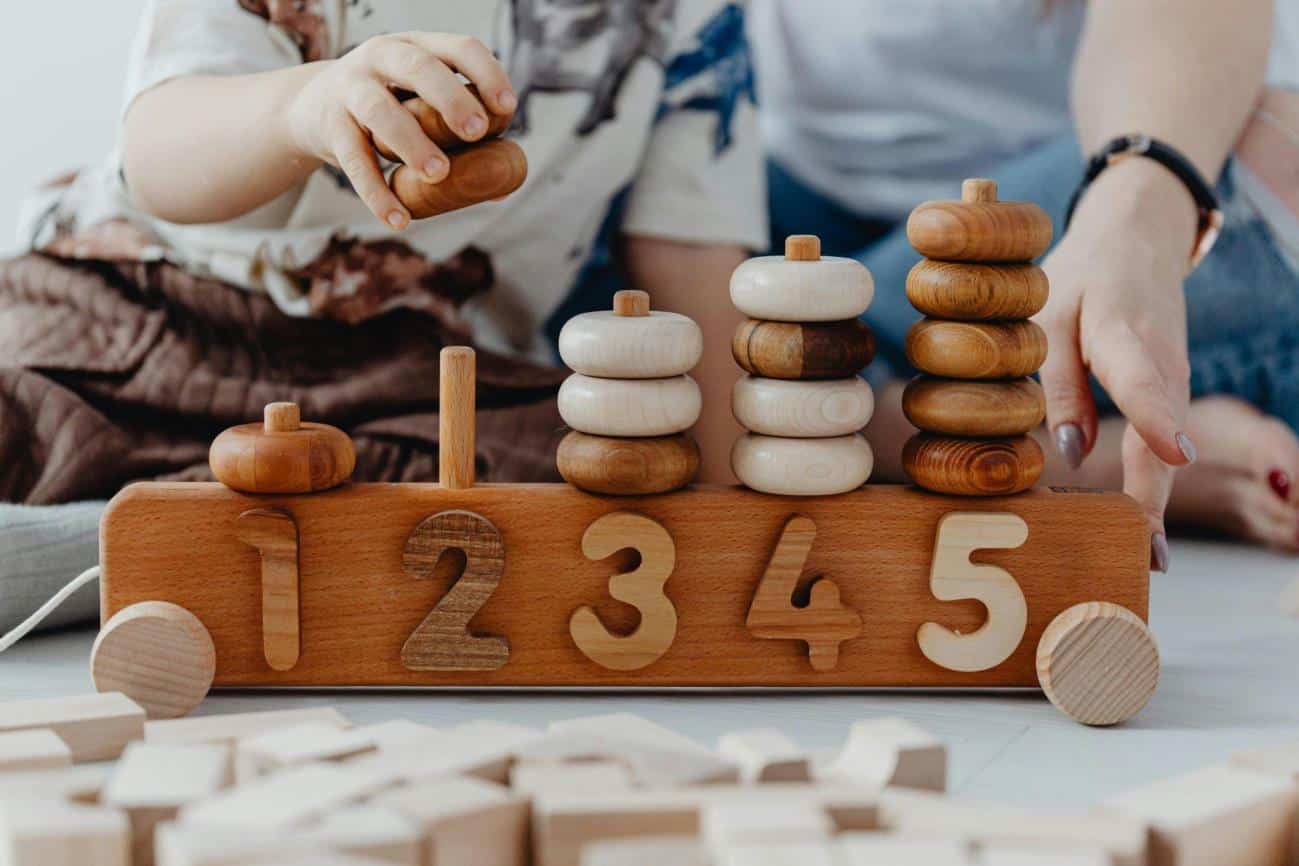
Basic number-matching games help your child identify numbers and relate them to quantities. Use flashcards with numbers and match them to sets of small items like coins, pasta, or beans. Interactive math games like these reinforce number recognition, counting, and problem-solving skills. Playing preschool number games at home is a fun and effective way to support preschool numeracy development.
Understanding Patterns and Sequences
Identifying patterns and recognising sequences are critical early math concepts that help kids develop logical reasoning and problem-solving skills. Simple activities using everyday objects and routines make these concepts easy to grasp. With hands-on preschool math activities, you can assist your child in developing a solid foundation for more advanced mathematical concepts.
Creating Patterns with Beads
Threading beads in specific colour orders is an easy and engaging way to teach pattern recognition. Have your child create simple sequences, like red-blue-red-blue, and slowly add more complex sequences. Hands-on math activities for preschoolers help build fine motor skills while introducing the concepts of repetition and predictability in numbers and shapes.
Learning Patterns with an Abacus
The abacus is a powerful visual and tactile tool for introducing number patterns and sequences. By sliding the beads in groups or colour patterns, children can begin to understand one-to-one correspondence, counting, and early addition or subtraction. This hands-on approach also strengthens fine motor skills and helps make abstract math concepts feel concrete and fun.
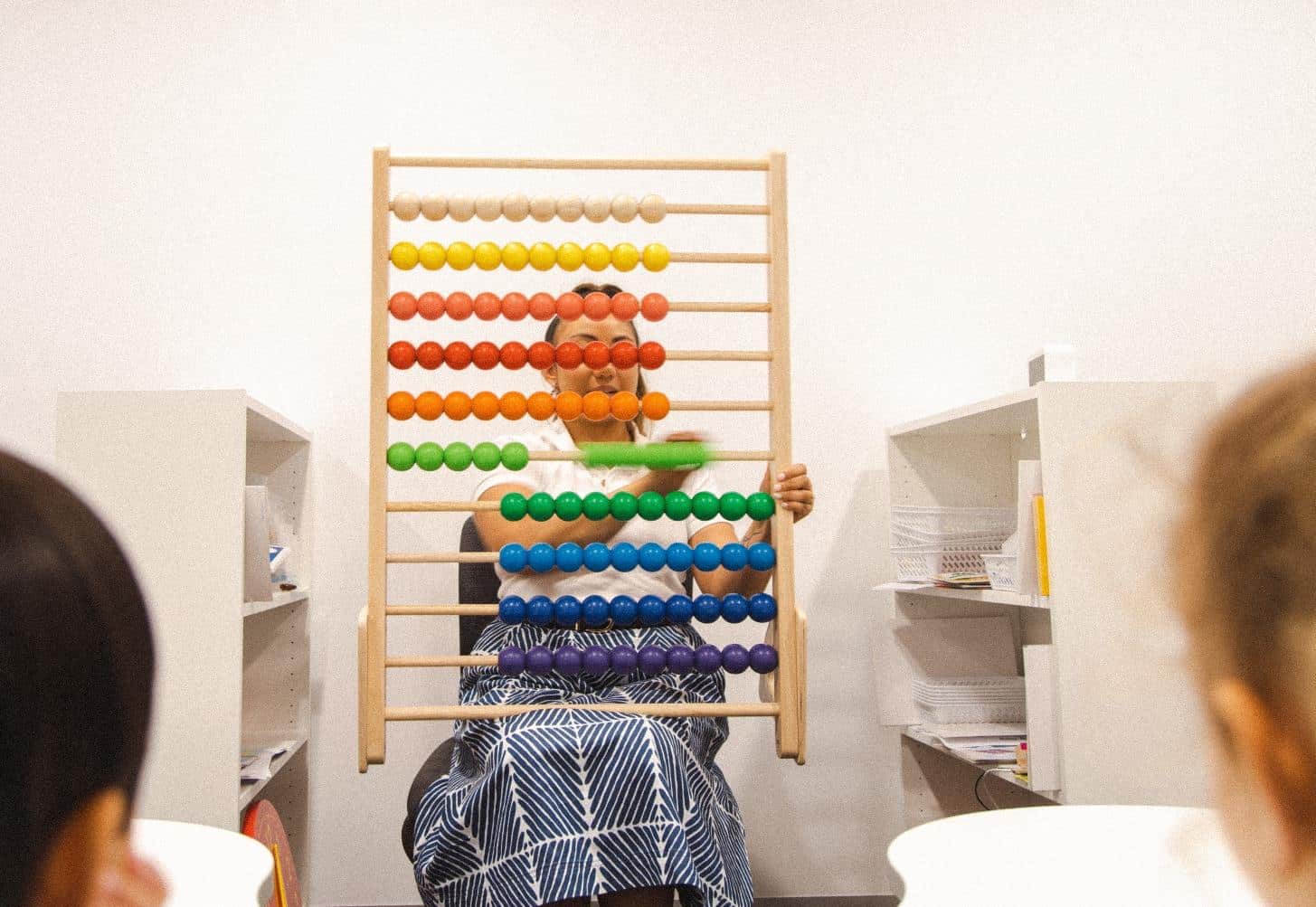
Photo by Shichida Australia: Teaching number sense starts early – Shichida educators use engaging tools like the abacus to make numeracy fun and hands-on. Here, the teacher demonstrates step counting by fives.
Daily Routine Sequencing
Everyday routines are a great way to teach sequencing. Have your child list and order the steps in their morning routine, including brushing their teeth, dressing, and having breakfast. Describing the actions that go along with familiar processes helps reinforce critical thinking and supports early numeracy. Sequencing activities make learning both practical and enjoyable.
Introduction to Basic Addition and Subtraction
Parents are often excited to introduce math – especially addition and subtraction. Engaging your child in addition and subtraction activities helps them grasp fundamental math concepts in a fun and exciting way. Use relatable items or everyday objects that they are familiar with to make math learning feel more natural.
Story-Based Problems
Math learning can be as enjoyable as storytelling when paired with visual and interactive elements. Create simple stories and use objects to bring them to life. For example, use pegs or small toys to represent characters and stones or counters to represent objects like apples.
Try this: Tell your child, “There was a palace in a faraway land with a Queen, a King, and their two sweet princesses.” Place four pegs to represent the family. Then say, “There are five apples (use five small stones). If the two princesses each take one apple, how many are left for the Queen and King?”
Encourage your child to physically hand out the apples to each character and count how many remain. Using stories with visual aids like pegs and stones makes math interactive, encourages problem-solving, and expands imagination.
Using Toys for Simple Math
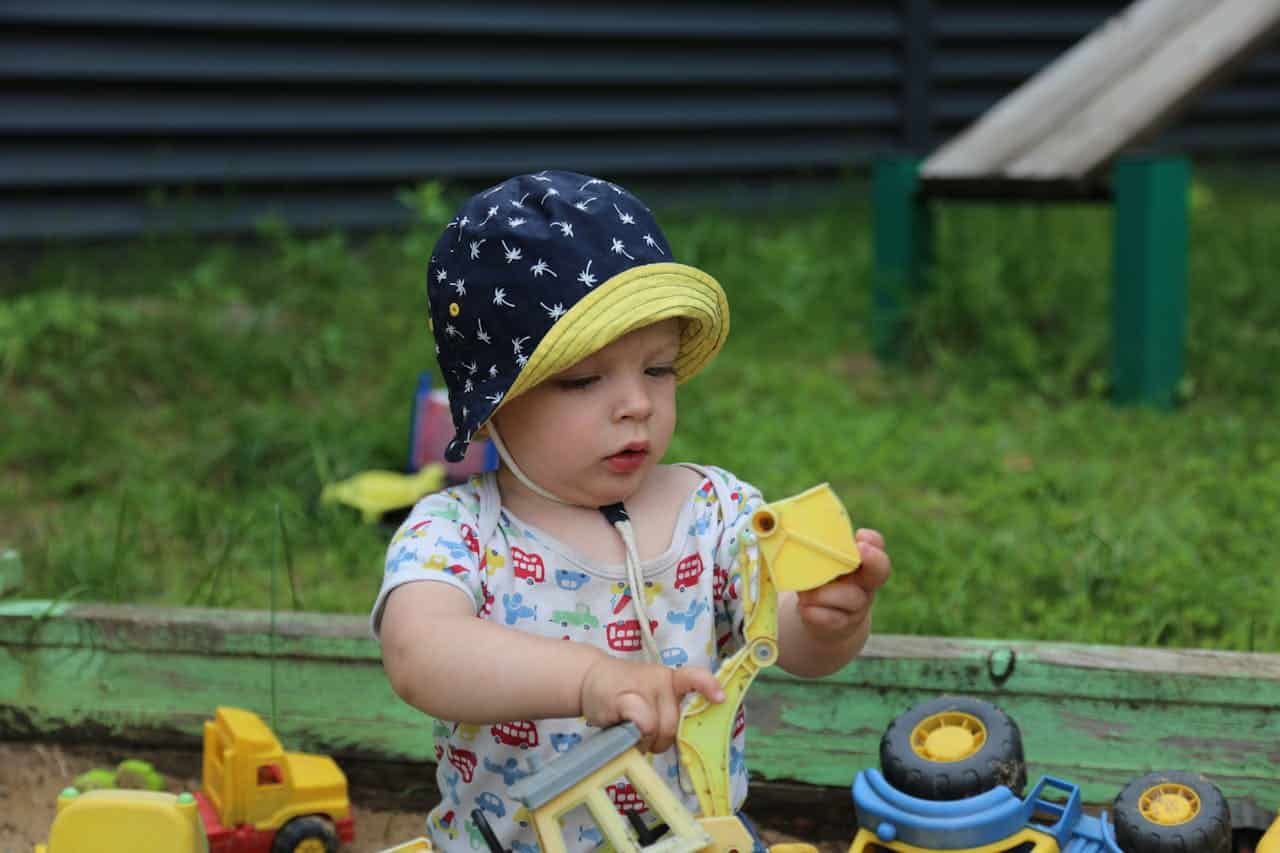
Blocks, Legos, and toy cars are great tools for teaching math. You can group the toys, add or remove some, and turn it into a counting activity. This hands-on math activity for preschoolers enhances their understanding of adding to or taking away from a group, providing a strong foundation for future math skills.
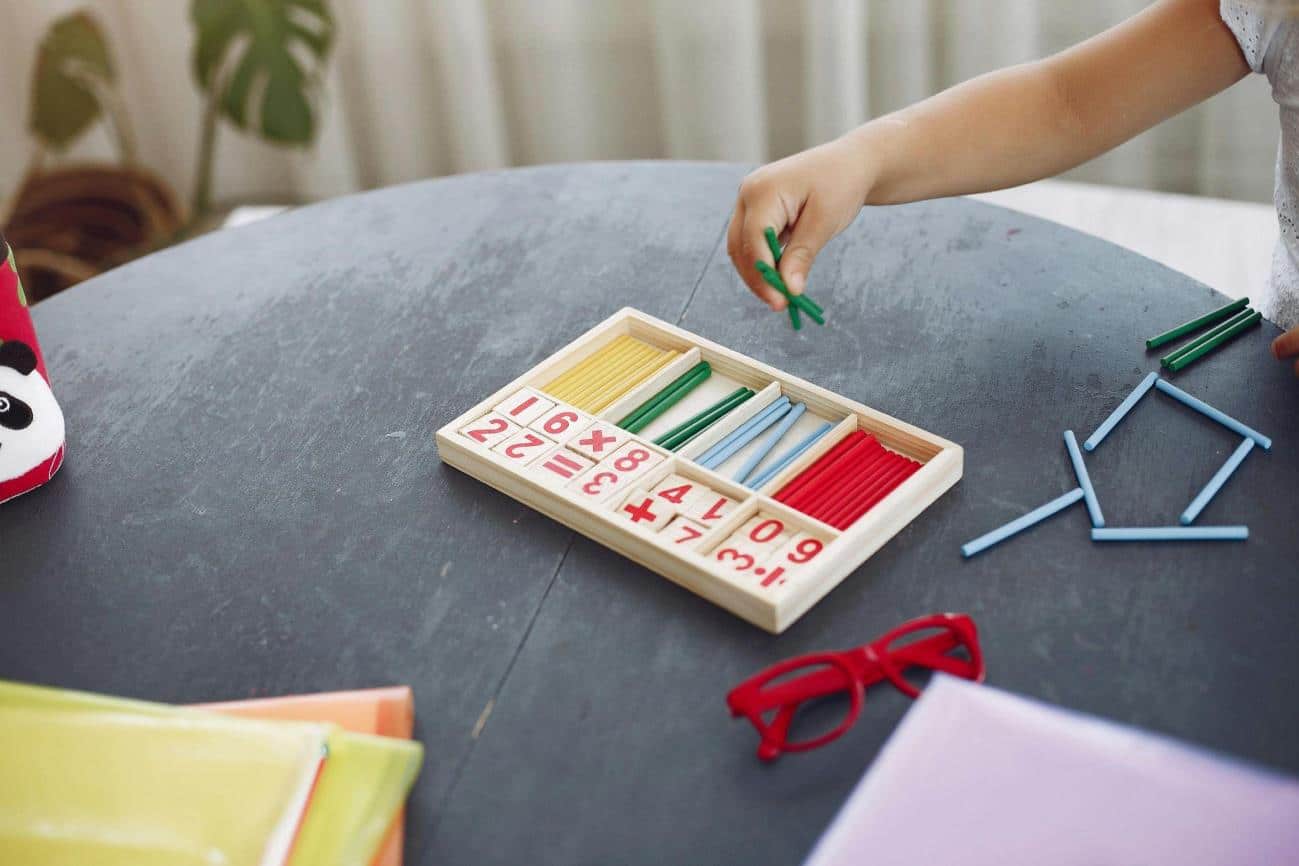
Numeracy activities for preschoolers is more effective when using toys and fun hands-on activities.
Spatial Awareness and Geometry
Helping your child to develop spatial awareness and basic geometry concepts lays a solid foundation for early math concepts. Hands-on activities such as block building, jigsaw puzzle pieces, and pattern creation using shape cutouts enable children to experiment with how things fit together. This promotes thinking and problem-solving as well as making math engaging and interactive.
Shape Sorting Games
Sorting objects by shape is a great way to introduce geometry to young learners. Give your child a set of everyday items to encourage them to group similar shapes or do DIY activities such as the following to engage them in shape-sorting games.
- Floating Shape Sort – Cut out foam shapes and put them in a bin filled with water. Let your child scoop up the shapes with a small net or tongs and sort them onto corresponding trays.
- Outdoor Shape Collection – Take a nature walk and gather leaves, rocks, or sticks. Assist your child in putting them into various shape groups, like round, oval, rectangular or heart-shaped.
- Shape Treasure Hunt – Place various shaped items (triangular hangers, round lids, square sponges) around the home and challenge your child to locate and group them in pairs.
These interactive math games help children recognise shapes, compare differences, and strengthen early numeracy skills. Learning is more effective when numeracy activities for preschoolers is kept fun!
Building with Blocks
Playing with blocks helps children understand spatial relationships, symmetry, and balance. Have your child stack and arrange blocks in various ways, talking about the shapes used in their constructions. Such activities promote problem-solving and learning concepts such as size, position, and patterns. Hands-on math for preschoolers, including block building, promotes creativity while reinforcing basics in geometry.
Measurement and Comparison
Teaching children about measurement and comparison helps them understand size, length, and volume in everyday life. Simple, hands-on preschool math activities encourage curiosity and problem-solving while making these concepts easy to grasp. Engaging in interactive math games at home helps your child develop early numeracy skills in a fun and meaningful way.
Comparing Object Sizes
Encourage your child to compare everyday objects by size, using terms like bigger, smaller, taller, and shorter. Ask them to line up their toys from shortest to tallest or sort household items by size. Activities like this build spatial awareness and lay the groundwork for early numeracy development.
Simple Measuring Tasks
Introduce the idea of measurement using rulers, measuring tapes, or even non-standard measures like blocks or hand spans. Encourage your child to measure furniture, books, or their height, helping them develop a sense of length and comparison. These hands-on math activities for preschoolers help children understand the basics of measurement in a fun and concrete way.
Incorporating Technology and Educational Tools
Technology is an excellent way to support your child’s numeracy skills while keeping learning natural and engaging. Technology is an integral part of our future. Used thoughtfully and in moderation, it becomes a powerful tool to support learning. Educational apps and online resources offer interactive lessons that help develop early math concepts through play. When combined with hands-on math for preschoolers, digital learning tools can further encourage number recognition, counting, and problem-solving, making learning even more interactive and enjoyable.
Educational Math Apps
There are many age-appropriate math apps available online. Look for apps that help introduce counting, shapes, patterns, and even simple addition and subtraction to your child. Many of these math apps can help learning be more effective through colourful visuals and easy-to-comprehend challenges. Opt for ad-free apps and never leave your child unsupervised when they are using online products to ensure a safe and focused learning experience.
You can also check Shichida Australia’s learning hub for free math learning activities or visit their online store for effective math materials suitable for different ages.
Online Counting Games
Online counting games offer an entertaining and interactive way to reinforce number identification and counting skills. Many websites provide engaging activities in which children can match numbers, fill in number sequences, or count items by going through animated challenges. These preschool math games reinforce early math skills while making learning enjoyable at home.
If you’re looking for structured and effective online math activities, SHICHIDA at Home offers an online program that blends play-based learning with proven techniques. To learn more about their online counting games, you can arrange a free 30-day trial and see how their interactive approach to mathematics makes learning both fun and impactful. This program is also ad-free, and 100% child safe!
Integrating Numeracy into Daily Life
Teaching math doesn’t have to be limited to worksheets or structured lessons. Daily routines provide countless opportunities to naturally develop early numeracy skills through simple numeracy activities for preschoolers. Introducing preschool math activities as part of everyday tasks helps your child see how math applies to real-world situations while keeping learning fun and engaging.
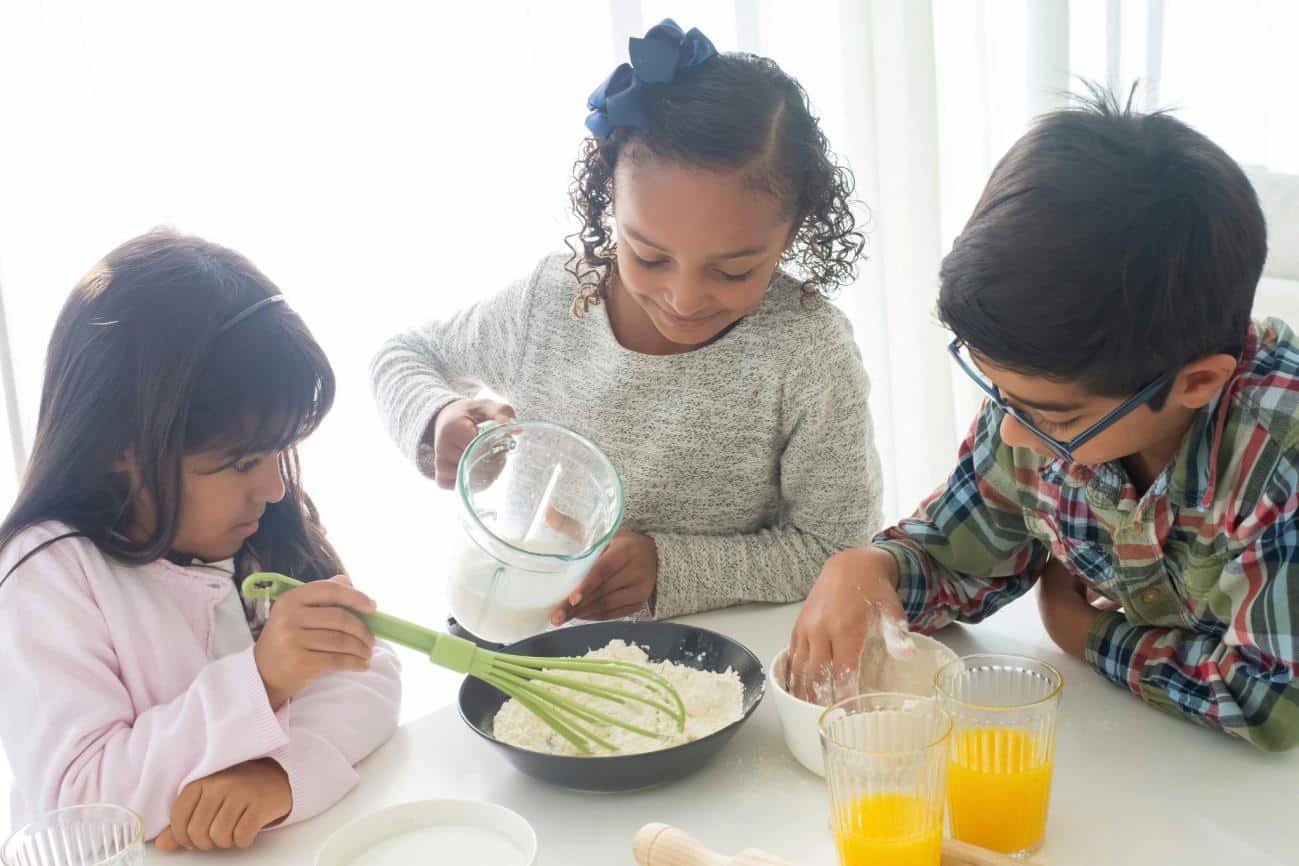
Numeracy activities for preschoolers can be simple and effective – kids love to learn through play!
Cooking and Baking
Cooking is a fun way to teach math, including counting, measuring, and sequencing. Let your child be part of your cooking or baking by allowing them to follow the step-by-step process, measure the ingredients themselves, and answer questions like, “How many eggs do we need?” These everyday math activities can turn a regular household chore into a learning experience. Not only do they help children develop math skills, but they also create stronger bonds between you and your child.
Shopping as Numeracy Activities for Preschoolers
A simple trip to the store can become a math learning opportunity. Allow your child to place items in the cart and ask them to count, read numbers on price labels, or help pay at checkout. This helps them become familiar with money and build confidence in handling transactions independently. You can also practice basic addition while shopping, such as saying, “If I have one banana and I add two more, how many do we have?” Turn everyday errands into fun and practical math activities.
Encouraging a Positive Attitude Towards Math
Encouraging a positive attitude toward math in your child lays the foundation for lifelong learning confidence. When math is enjoyable and rewarding, children are more likely to stay interested and motivated. By integrating preschool math play into daily life, you can show your child that math is something to enjoy, not something to fear.
Celebrating Achievements
Recognise and celebrate your child’s efforts in learning math. Use these moments to build their confidence and show them they are capable of learning and progressing. Appreciate small wins and praise them when they solve puzzles or count to ten. Let them see and feel that you are proud of what they are learning. Keep math enjoyable and positive – not something they want to avoid due to stress. Encourage them to understand that there is always room for improvement, learning, and growth.
Making Math Fun
Math doesn’t have to feel like a chore that needs to be done daily. It can be exciting and engaging, like a scavenger hunt, singing songs, or using building blocks to practice addition. Play board games that involve counting, use cups to measure objects, or match number cards to real-life items. Combining math and fun makes every learning experience meaningful and productive.
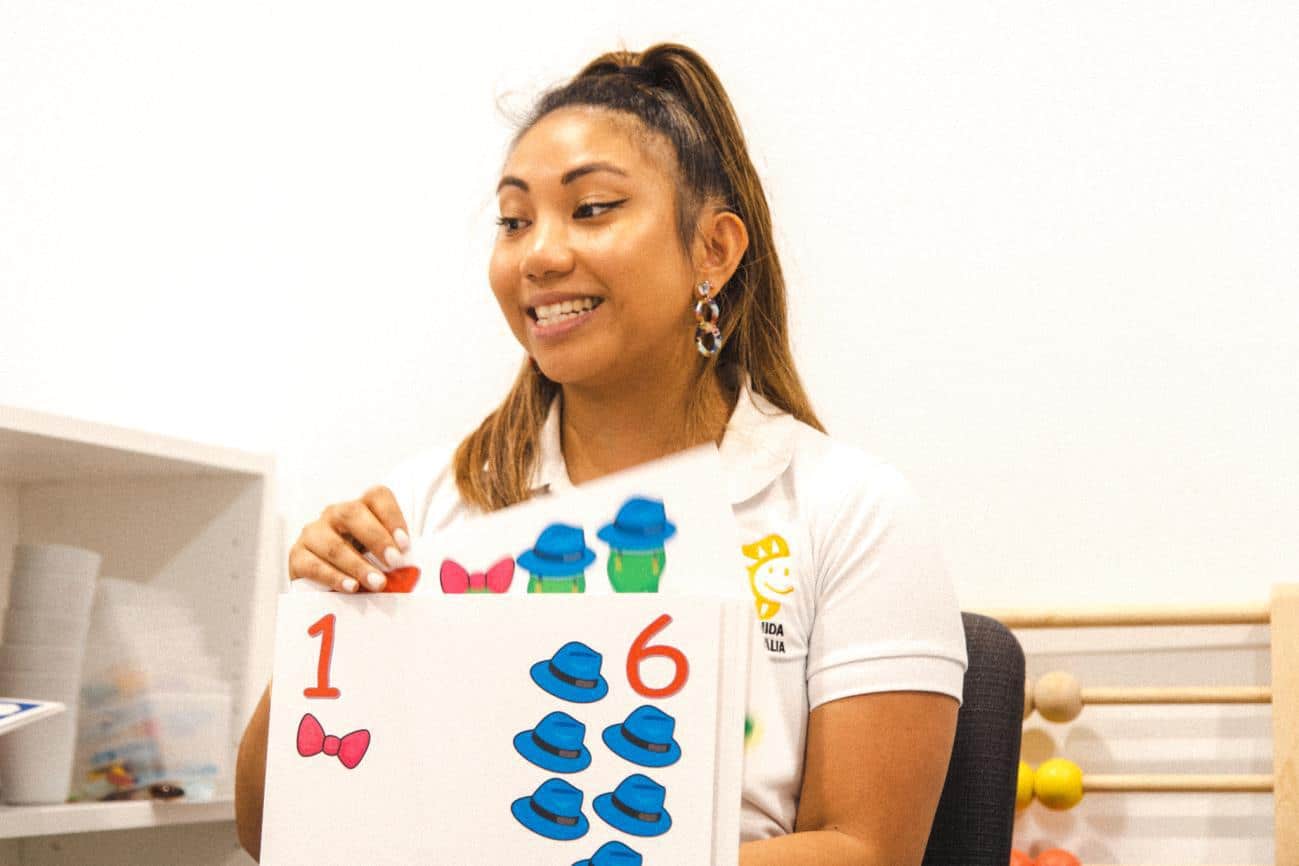
Photo by Shichida Australia: Flash cards and numeracy songs are incorporated into every Shichida class, keeping kids engaged.
Shichida Australia has always been on a mission to make learning math fun. We have materials that make each hands-on math activity engaging and productive. You can check our online store for math products we use in class or directly book a trial class to give your child a worthwhile math learning experience!
FAQs
Children can start developing numeracy skills as early as toddlerhood. Simple activities like counting objects, sorting.
Use games, songs, and hands-on activities like counting toys, playing board games, or baking together. Making math playful and part of daily life keeps your child engaged and excited to learn.
Be patient and use visual aids like fingers, blocks, or everyday objects. Turn counting into a fun game, repeat activities often, and praise their efforts to build confidence.
Yes, age-appropriate math apps or online programs make learning interactive and enjoyable. They reinforce number recognition, counting, and problem-solving through engaging visuals and fun challenges.
Short, frequent sessions work best. Aim for 10–15 minutes of focused math play, but also integrate counting, patterns, and number games into daily routines.