Gross Motor Skill Activities for Children: A Comprehensive Guide
Parents don’t just want happy children; they want healthy ones. They want kids who feel strong, capable, and confident in their physical abilities – whether that means playing sports, enjoying outdoor activities, or engaging in movement in ways that suit them.
While children are naturally energetic, some may need extra support in developing their gross motor skills. These skills involve large muscle movements essential for running, jumping, climbing, and playing. If your child struggles in this area, your guidance and encouragement can make a significant difference in their physical development.
Gross motor skill activities are essential for helping children develop strength, coordination, balance, and body awareness. Incorporating gross motor skill activities into playtime supports physical development while also boosting confidence and focus.
This article offers a comprehensive guide for parents like you, on how to support and enhance your child’s gross motor milestones.
Understanding Gross Motor Skills
As a parent, you play a crucial role in your child’s physical development. Gross motor skills are essential for everyday movements like running, jumping, and climbing. These skills help your child gain confidence in their body, enhance coordination, and develop the strength required for more advanced physical activities for kids.
Definition and Importance
Gross motor skills involve whole-body movement and require the use of large muscle groups to perform actions that depend on balance, coordination, and strength. It also involves eye-hand coordination skills like throwing, catching, and kicking a ball.
These are essential skills for your child’s daily activities, such as playing outside, engaging in sports, and even sitting in a chair upright. Strong gross motor skills contribute to improved posture, endurance, and overall physical health, allowing children to explore and interact with the world around them.
Gross vs. Fine Motor Skills
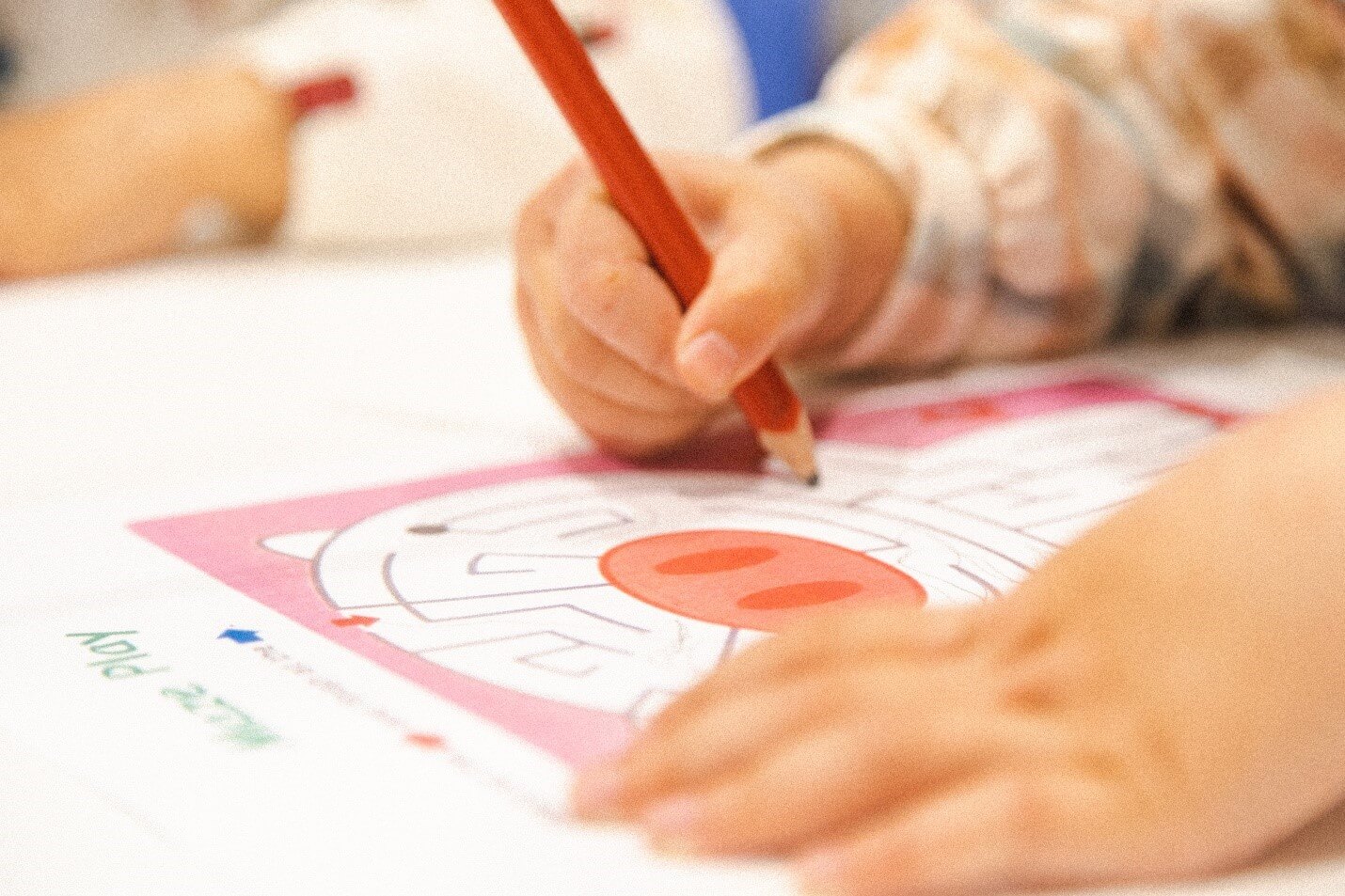
It’s important to understand the difference between gross and fine motor skills. Gross motor skills involve the whole body and large muscle movements, such as hopping, skipping, and balancing. On the other hand, fine motor skills require smaller, more precise movements, like writing with a pencil, buttoning a shirt, or tying your shoes. Both types of skills are essential for a child’s physical development, and they work together to support your child’s ability to perform everyday tasks effectively.
Encouraging activities that promote both gross and fine motor skills helps your child build the physical foundation needed for learning, playing, and independence.
Developmental Milestones in Gross Motor Skills
Every child develops at their own pace, so don’t worry if your little one reaches gross motor milestones at a different rate. Encouraging movement and engaging them in play-based learning will help them build strength, coordination, and confidence as they grow.
Infancy (0-12 months)
During the first year, your baby is developing essential strength and coordination. They will start developing motor skills such as lifting their head, rolling over, sitting up, and crawling. By the end of this stage, babies often take their first steps, a major gross motor milestone. Providing plenty of tummy time, and creating safe spaces for exploration, supports their motor skill development while helping their muscles grow.
Toddlerhood (1-3 years)
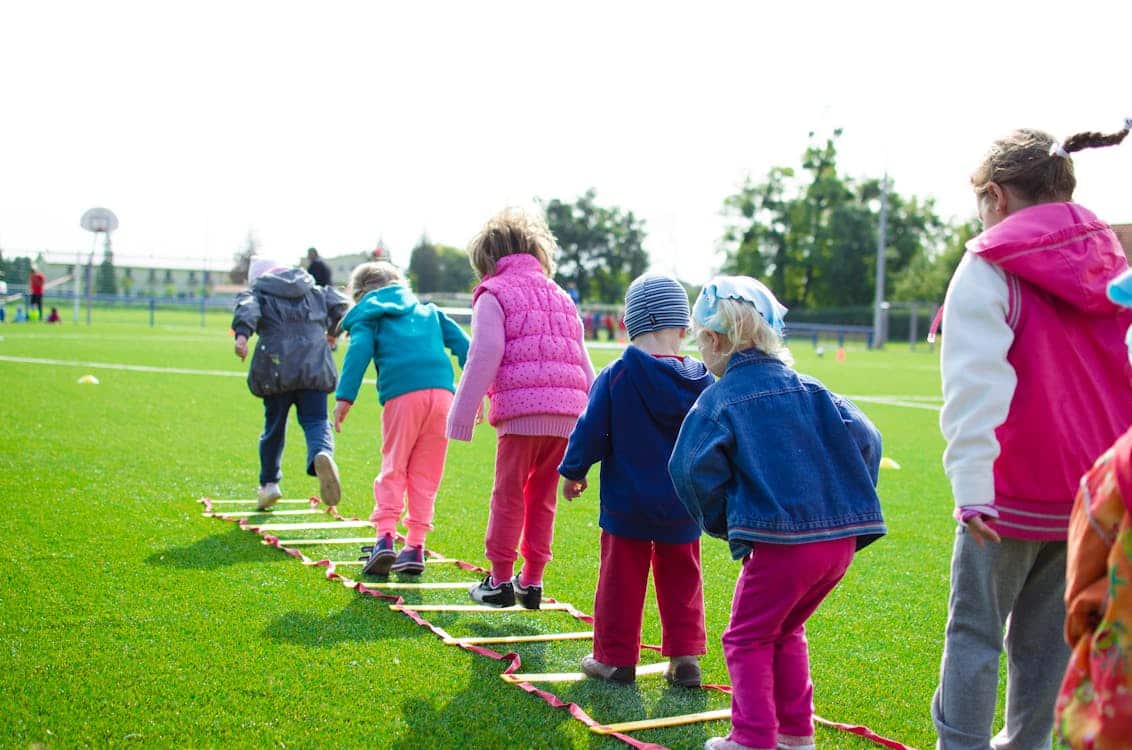
Toddlers are full of energy and always on the move. Some toddlers’ motor skills are climbing stairs, running back and forth and jumping tirelessly. Their balance and coordination improve with practice. Encourage movement skills for your toddler through kids’ outdoor activities, dancing, and simple obstacle courses to help them strengthen their muscles and gain confidence in their movements.
Early Childhood (3-5 years)
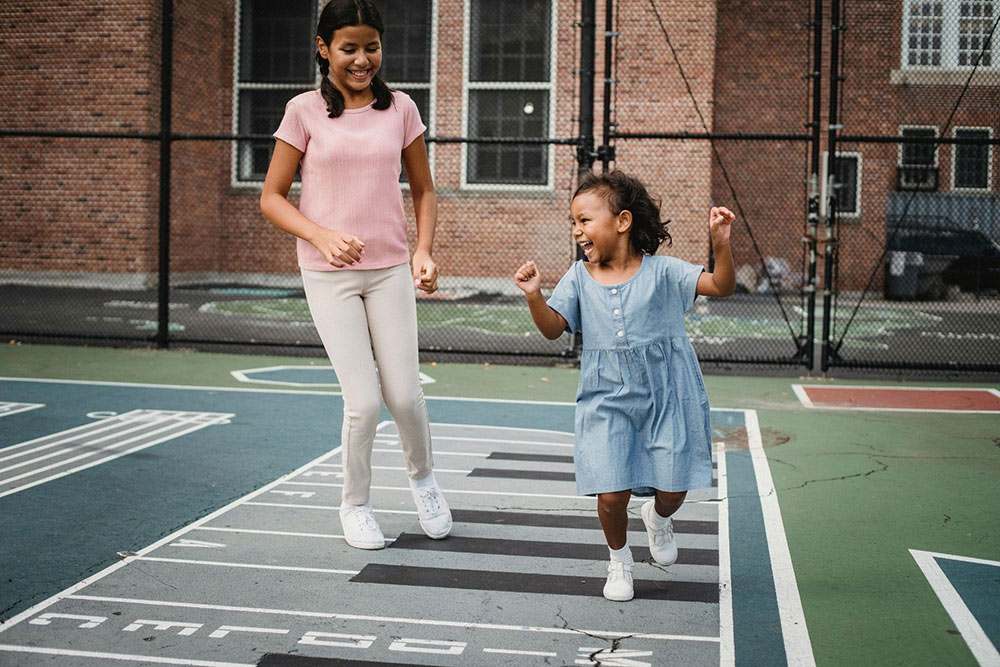
Preschoolers become more coordinated and agile. They begin to hop, skip, and develop skills such as throwing, catching, and balancing. These skills serve as a foundation for sports and school activities. Encourage playground time, games such as hopscotch, and active play activities to keep them engaged and enhance their early childhood motor skills.
Factors Influencing Gross Motor Development
Every child’s gross motor development is unique and influenced by various factors. As a parent, recognising what contributes to your child’s physical development can assist you in setting up the best environment for them to develop and thrive.
Genetic and Biological Factors
Some kids pick up motor skills quicker than others due to genetics. Muscle tone, coordination, and neurological growth are all contributing factors. Don’t worry if your child shows delays – every child is different. Provide plenty of opportunities for physical activity, and if you have concerns about their development, consult your pediatrician.
Environmental Factors
Your child’s surroundings play a big role in motor skill development. Children who have access to outdoor spaces, playgrounds, and active playtime tend to develop stronger coordination and balance. Your involvement as a parent is key. Engaging them in movement-based games and child coordination exercises, encouraging outdoor exploration, and limiting screen time all contribute to healthy motor development.
Importance of Physical Activity
Regular movement is essential to boost your child’s physical development. If your child is active daily, they could develop gross motor skills more efficiently and are less likely to experience delays. Encourage them to run, jump, climb and be involved in interactive games to keep them engaged while developing at a healthy pace. Even simple activities can make a big difference.
Engaging Gross Motor Skills Activities
Keeping your child active is one of the best ways to support their motor skills development. There are simple yet fun gross motor skill activities that could help build strength, balance, and coordination while encouraging confidence in their movements. Here are some easy ways to get your child moving at every stage.
Activities for Infants
Your baby begins developing strength and coordination from birth. Tummy time with supervision builds neck and core muscles. Encourage reaching and grasping by placing toys just out of reach. Gentle assisted movements, such as rolling over or sitting up with support, also help strengthen their muscles and prepare them for crawling and walking.
Activities for Toddlers
Toddlers love to move, so turn their playtime into learning time. Set up a simple obstacle course with pillows and tunnels for crawling and climbing. Let them dance to music to improve balance and coordination. Rolling, throwing, or kicking a ball helps build strength and coordination. Safe climbing on playground equipment builds their confidence and motor skills.
Activities for Preschoolers
Preschoolers require exercise to develop coordination and strength. Playing hopscotch enhances jumping ability and balance. Bike riding and swimming help develop their muscle strength and improve control. Basic sports such as playing catch or kicking a soccer ball enhance coordination and cooperation. Encourage outdoor play and group gross motor skill activities to keep them active while developing social skills and enhancing their motor skills.
Monitoring and Supporting Your Child’s Progress
Regularly engaging in gross motor skill activities allows parents to monitor their child’s physical progress and provide timely support in developing coordination and strength. As a parent, you play a crucial role in your child’s gross motor development. Seeing them progress and offering encouragement will give them more confidence in themselves. Each child learns at their own pace, but understanding typical milestones can help you recognise when additional help may be required.

Spending quality time on gross motor skill activities supports your child’s physical development and strengthens your connection through shared movement and play.
Observing Developmental Progress
Watch how your child moves around and interacts with the world around them. Praise milestones such as rolling over, first steps, jumping, and balancing on one foot. Encourage progress by creating a fun and active environment full of opportunities to move around. Acknowledge their efforts, no matter how small, to develop their confidence and motivation to try again.
When to Seek Professional Advice
Although children grow at different rates, there are some delays that may require additional attention. If your child is having trouble with simple movements such as sitting up, walking, or coordinating their steps past the typical time frame, it can be beneficial to speak with a pediatrician. Early intervention can be a game-changer, so listen to your gut and get advice if you have concerns.
Incorporating Gross Motor Activities into Daily Life
It doesn’t take a schedule or structured workouts to help your child build strong gross motor skills. Incorporating simple, fun movements into daily activities can get them active and engaged while building up their muscles and coordination. Here are some simple ways to bring movement into everyday life.
Indoor Activities
Your child can stay active even on rainy days. Turn up the music and have a dance party to enhance coordination and rhythm. Practice kid-friendly yoga poses to increase balance and flexibility. Making movement fun keeps kids active and excited to play.
Outdoor Activities
Kids’ outdoor activities offer limitless opportunities for the development of their motor skills. Visit the playground, and let them climb, swing, and run – each activity helps build muscle strength. Nature walks promote balance and coordination as they walk on varying surfaces. Kicking a soccer ball, riding a bike, or playing tag encourages active movement and enhances social and physical confidence.
Safety Considerations for Physical Activities
Safety is a key part of planning gross motor skill activities. Keeping your child active is important, but safety should always come first. Providing a secure play space and teaching basic safety skills can help prevent accidents and enable your child to play and develop their gross motor skills confidently.
Safe Play Environments
Ensure that your child’s play space is safe and appropriate for their age and capabilities. Provide a soft landing surface such as grass or shock-absorbing mats for jumping or climbing activities. Inspect playground equipment for stability and accompany young children to keep them from falling. Keep indoor spaces free of clutter to allow for open movement. A safe environment encourages active play while reducing the risk of injury.
Teaching Safety Skills
Educate your child on simple safety guidelines to protect them while they engage in physical gross motor skill activities. Train them to be observant of obstacles, play in turns, and observe what is around them. Teach them the need for warming up prior to playtime and resting if they are tired. Promoting safe practices early in life reinforces their confidence and ensures injury-free play.
Give your child the best start in life by learning through sensory play! Discover our proven Shichida method of teaching or book a trial class at Shichida Early Learning Centre today.
FAQs
Gross motor skills involve large muscle movements like running, jumping, and balancing. They support motor skill development, coordination, and overall child physical development.
Most babies reach this gross motor milestone between 9 and 15 months. If your toddler is not walking by 18 months, consult your pediatrician.
Supervised tummy time, reaching games, and assisted sitting help strengthen early childhood motor skills and prepare for crawling and walking.
If your child struggles with gross motor coordination, such as sitting, crawling, or walking, talk to a pediatrician. Early support can aid motor skill development.
No, but regular gross motor skill activities like running, climbing, and jumping help preschooler activities support healthy movement and coordination.