Maximising Toddler Development with Flash Cards: Benefits, Tips, and Best Practices
The growth and development of children have always been a top priority for parents. In their search for effective ways to help their children learn quickly and well, parents often dive into a sea of resources. However, there are toddler learning tools that tend to be overlooked despite their powerful impact on a child’s development: flash cards.
Flash cards for toddlers may seem simple, but they can be a game-changer in boosting cognitive skills, language acquisition, and memory. In this article, we’ll explore how flash cards can play a key role in your child’s early learning journey. Let’s uncover the hidden benefits and best practices for using this essential tool with your toddler.
Introduction to Flash cards for Toddlers
The toddler years are demanding, especially for moms, and most would agree with that. However, that challenging period can turn into something more rewarding by introducing flash cards for toddlers. Flash cards, being a highly effective learning tool, present a great way to spend time with your child while supporting their growth. These flash cards can introduce simple things such as language, colors, shapes, and so much more, all while having quality time together. Flash cards for toddlers not only teach them but also bring about moments for connection and development.
Benefits of Using Flash cards
Including flash cards in your and your child’s daily routine is beneficial in the long run. It has a significant impact on toddler cognitive development, memory retention, and language learning.
Research shows that using flash cards with your toddlers can help improve their communication skills including speech production and verbal language development. As to memory, it enhances memory retention through repetition developing photographic memory. In addition, research has established that flash cards enhance the cognitive skills of children, such as recognition, differentiation, and categorisation skills.
By incorporating flash cards in your toddler’s learning activities, you are giving them a multisensory experience that enhances their overall development.
Cognitive Development
Flipping flash cards as a daily routine with your toddler has proven effective in advancing their cognitive skills, particularly their recognition, differentiation, and categorisation. Flash cards are proven to be an amazing tool that can help your toddler recognise colors easily.
According to a study, toddlers who maximise the use of flash cards improved significantly in color recognition. Flash cards are an effective learning tool for toddlers, as their colorful presentation captures attention and encourages continued engagement.
Memory Enhancement
Repetition plays a powerful role in your toddler’s learning journey. By showing educational flash cards repeatedly, you are strengthening their memory. Every time they see the same word or picture, it becomes embedded in their brain, helping them retain it long-term.
Consistency in using toddler learning flash cards boosts their memory retention and helps them to remember information, words, or concepts – which reinforces learning. You’ll be amazed at how quickly your toddler can learn and how their developing brain can store vast amounts of learning, all thanks to the power of repetition with flash cards.
Language Acquisition
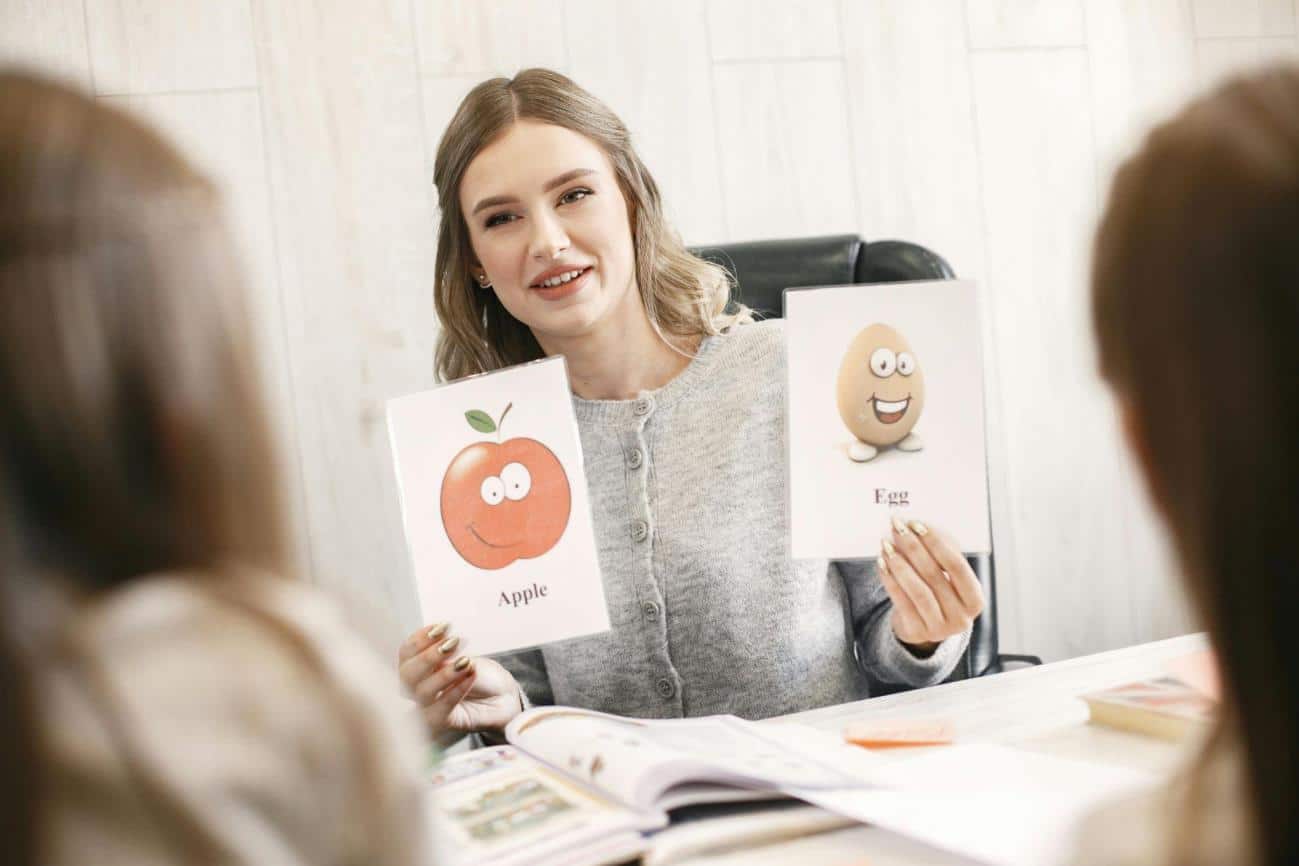
Many parents have turned to flash cards to introduce new words to their children and it’s making a difference in their children’s vocabularies and language development. This is done by showing your child a flash card with an image, saying the word aloud, and encouraging them to repeat after you. It helps create a connection between the image and the word. Over time, this strengthens their understanding.
Flash cards can also be used creatively. You can ask your child to match the image on the card to anything they see around them by pointing to it, or simply use the words in a sentence. This interactive practice will keep them engaged, and excited to learn, expand their vocabulary, and improve their communication abilities.
Potential Drawbacks and Considerations
Flash cards are commonly regarded as the perfect learning tool, but parents must keep in mind that they have limitations. Similar to presenting food at the appropriate time for infants, flash cards must be used at the proper phase of your child’s development. They must be suitable for the age and correspond with your toddler’s capabilities.
For instance, if your child is still pre-verbal, flash cards are a great tool, but it’s also important to show them real objects to help build recognition before relying solely on flash cards. Early childhood education is important but without context, children may struggle to recognise the pictures. Flash cards can never replace hands-on activities and face-to-face interaction because these are important for language and communication development.
If your toddler has mastered the flash cards activity and it starts to feel routine, they may lose interest. To keep it engaging, vary it with different flashcard topics and other exercises, have fun while learning, and keep it interactive. This will help maintain their interest and support their toddler development.
Overemphasis on Rote Memorisation
Flash cards for toddlers are helpful, but if your child only uses them for learning, they might start memorising words without really understanding them. For example, let’s say you’re teaching the word “umbrella” with a flashcard. Your child might recognise the image, but they won’t understand when or why to use an umbrella if they haven’t experienced it.
To explain it to them, the next time it rains, pick up an umbrella, teach them how to open it, and say, “This is an umbrella! We open it when it rains so we don’t get wet!” By linking the word to a current situation, such as a rainy day, you’re providing them context and teaching them to truly know the word, not simply memorise it.
Lack of Engagement
Traditional flash card methods can sometimes feel repetitive, and your child might think, ‘Boooring!’ – leading to a loss of interest. If the activity becomes too predictable, their attention will fade. To keep them engaged, try turning flash card time into a fun matching game, using toys or props, or adding movement to the activity.
Best Practices for Using Flash Cards for Toddlers
To get the most out of flash cards for toddlers, here are simple tips you can consider as a parent.
- Alternate the activities by playing matching games and adding physical activity, making it more interactive.
- Make sure to make the flashcard session brief and fun.
- Incorporate real-world experience to bridge the cards to reality for your child.
- Make sure you are flashing the cards at the right speed to ensure whole-brain engagement. High-speed flashcards offer many benefits.
Balance is everything: flash cards are a supplement, not a replacement, for hands-on activity and interaction.
Interactive Learning
The use of educational flash cards can become dull to toddlers if they are too repetitive, or too slow. Incorporating games will help keep the excitement and a love for learning intact. Try these fun flashcard activities for toddlers, incorporating creative ways to make flash cards learning more engaging;
- Turn flash cards into a memory game;
- Create a scavenger hunt based on the images shown on the flash cards;
- Let your child trace the flash cards and color them afterward.
- Match flash card images to real-life objects.
These simple tweaks to your flashcard routine will bring fresh energy to your child’s learning experience.
Short and Frequent Sessions
Flashcard exercises can be enjoyable for parents, but long sessions can quickly lose a toddler’s attention. Since a toddler’s attention span is typically only 4-6 minutes, keep flashcard practice short and engaging – around 5-10 minutes – either in the morning, afternoon, or both.
Consistent, short practice sessions will keep them eager to learn, while prolonged ones may lead to fatigue and reduced interest over time.
Combining with Real-Life Objects
One fun activity you can try with flash cards is matching the images on the cards to real-life objects. For example, if you’re showing a flashcard of a cat, bring out a stuffed animal or point to a real cat. This allows your child to see, touch, and explore the actual object, making the learning experience more interactive.
By bringing flashcard images to life, this activity takes their learning to the next level.
Selecting the Right Flash Cards for Toddlers
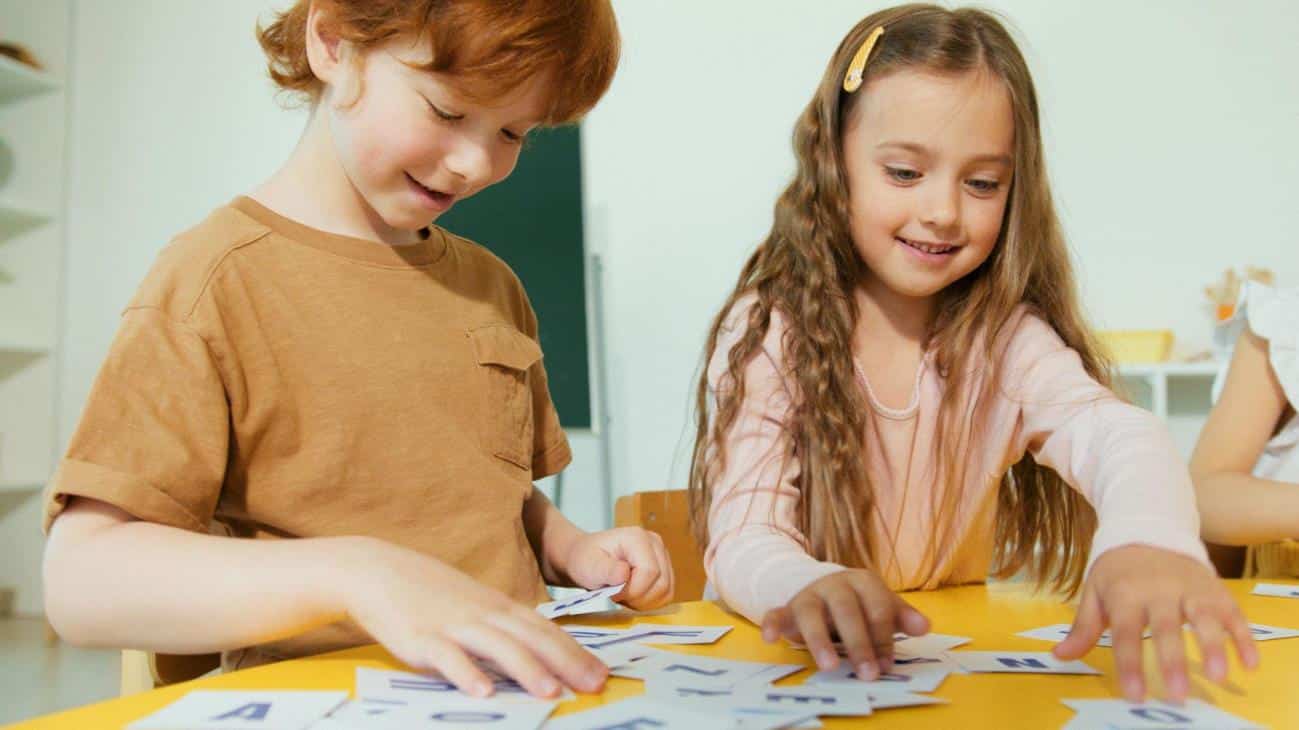
When choosing flash cards for your toddler, make sure the content matches their developmental stage to keep it engaging and suitable for their skills. Choose durable, easy-to-handle cards that are safe and choke-free, especially if your child is in the mouthing stage. Opt for colourful designs to keep them interested and enhance their learning experience.
Age-Appropriate Content
To select appropriate flash cards for your toddler, think about their age and interests. For children under two years, select cards that have simple, uncluttered pictures, bold colors, and easy-to-understand vocabulary. For younger toddlers, stick to basic concepts and familiar objects, while for older toddlers, introduce more complex ideas and challenging vocabulary to keep them engaged.
Quality and Durability
The material used in educational flashcards is important as it relates to the safety and learning experience of your toddler. Use cards with non-toxic and long-lasting materials that will endure rough use. Make sure they are tear-resistant, simple to clean, and choke-proof, with smooth edges to protect your child from cuts when playing and learning.
Visual Appeal
Clear images and bright colors are essential when choosing flash cards for your toddler. Toddlers are naturally drawn to vibrant colors, which help keep them engaged and make learning enjoyable.
High contrast, bold colors, and simple, realistic images can capture their interest, making the learning experience both fun and effective.
DIY Flashcards: Creative Ideas for Parents
Flashcard exercises with your child can be even more fun if you create the cards yourself. Try making DIY flashcards by starting a crafting session together and designing personalised content.
This hands-on approach makes learning more exciting and meaningful, as both of you put effort into creating the educational flashcards
Personalised Content
As you create your DIY flashcards, consider including family photos, familiar objects, or your child’s favorite things. This personal touch helps them connect with the cards, making learning more meaningful.
The best flash cards for toddlers are the ones you create together.
Crafting Sessions with Toddlers
Creating educational flashcards together can make a big difference in your learning sessions. It encourages your child to be more engaged, and creative, and take ownership of the process.
Integrating Flash cards into Daily Activities
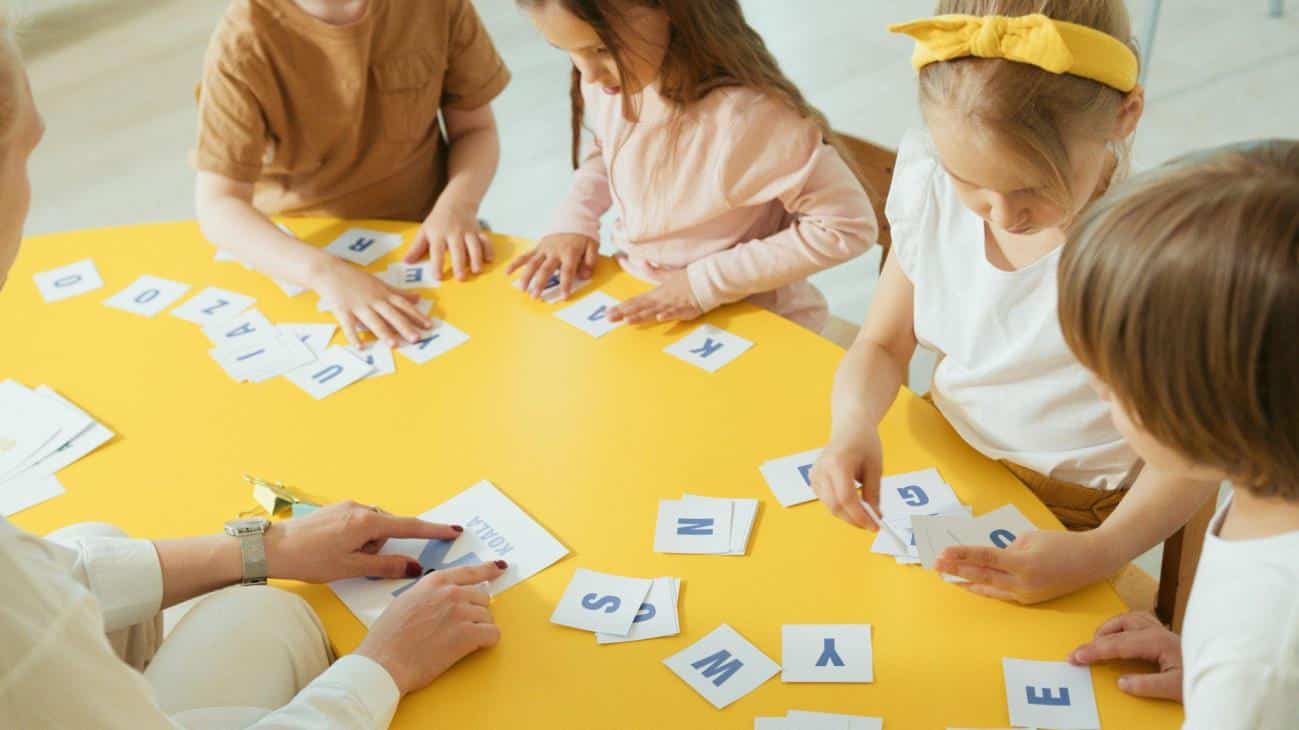
Flash cards don’t have to be a scheduled activity. You can use them anytime and anywhere- during bath time, a walk in the park, or even while waiting in line. Keep a few in your bag for quick learning moments, and point out real-life objects that match the cards. Learning should feel natural and fun, it doesn’t always have to be a classroom set-up. You can keep it playful and interactive.
Mealtime Learning
Mealtime can be a fun learning moment too! While you and your toddler enjoy food, introduce flash cards with fruits, veggies, or kitchen items. Show a card, point to the real item, and say the word. This simple activity builds vocabulary and strengthens real-world connections, all while keeping them engaged at the table.
Outdoor Exploration
Learning outdoors is even more exciting when your toddler gets to explore with you! Bring flash cards along and turn your walk into an adventure. Show a card with a flower, tree, or bird, then let them find the real thing. Encourage them to point, name, touch, and observe, helping them connect what they see on the card to the real world.
Expert Opinions on Flash Card Usage
While flash cards can be helpful, childhood experts advocate for balancing their use with learning through play. Kathy Hirsh-Pasek, a prominent psychologist, suggests in her book Einstein Never Used Flashcards: How Children Really Learn and Why They Need to Play More and Memorise Less that children benefit more from interactive play and engaging activities rather than passive memorisation. She emphasises that while flash cards are a useful tool, they cannot replace the learning that happens through play-based experiences. To support children’s development, it’s important to maintain a balanced approach to the resources we use for teaching.
Supporting Studies
Flashcards can assist with your toddler’s memory and vocabulary identification. Paud Adian Jaya Karang Sari research discovered that flash cards enhance early childhood learning of English. They also help with visual memory and right-brain development.
But the National Association for the Education of Young Children cautions that flash cards teach your kids memorisation at the expense of communication if not used in the correct manner
To use flash cards for toddlers successfully:
- Make it interactive: Engage in conversation with your child regarding the pictures.
- Combine with everyday activities: Play matching cards to everyday objects with your child.
- Use sparingly: Use the flash cards for your child as a supplement, not replacing hands-on learning.
- Flash at the correct speed: Use the proven high-speed flashcard method, as seen in whole-brain educational programs like the Shichida Method.
Professional Recommendations
Pediatric speech-language pathologists encourage parents to remember that while flash cards are helpful, your kids should not only learn words using them. Instead, they suggest utilising daily activities such as playtime and everyday routines to teach vocabulary in a natural and contextual manner. This enables your children to learn words more effectively through exposure to real-life experiences.
Alternative Learning Tools and Methods
Interactive books, educational toys, and hands-on activities can make learning fun, making your child stay excited and engaged.
Interactive Books
Books with flaps to open, textures to touch, and buttons to push make storytime an adventure. Your toddler will enjoy discovering while learning new vocabulary and concepts in a fun, engaging manner.
Educational Toys
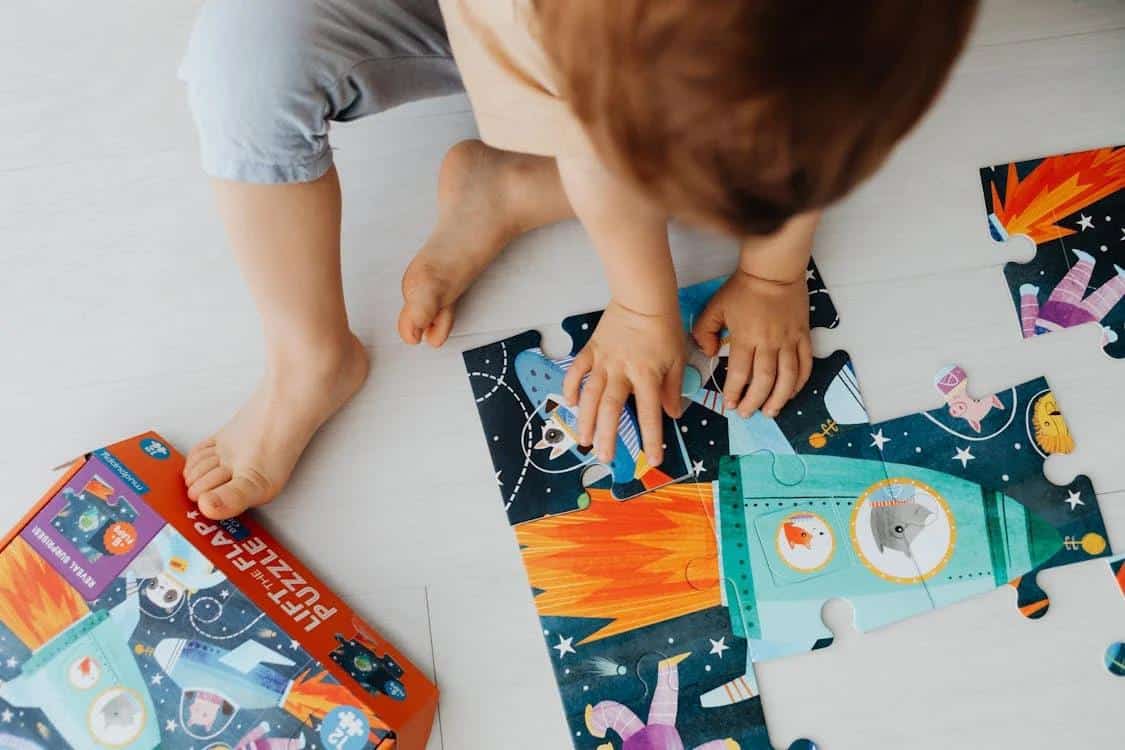
Toys such as alphabet blocks, shape sorters, and puzzles can complement flashcard learning by reinforcing concepts through play. Combining different learning tools keeps your child engaged and makes the experience even more enjoyable!
Conclusion
Flash cards for toddlers can be an excellent learning tool but in moderation. Use them with play, everyday experiences, and interactive learning to get the best results. By combining flash cards with storytelling, outdoor adventures, and educational toys, you are offering a complete learning experience that will keep your child interested and developing.
Support your child to learn faster with high-speed flash cards!
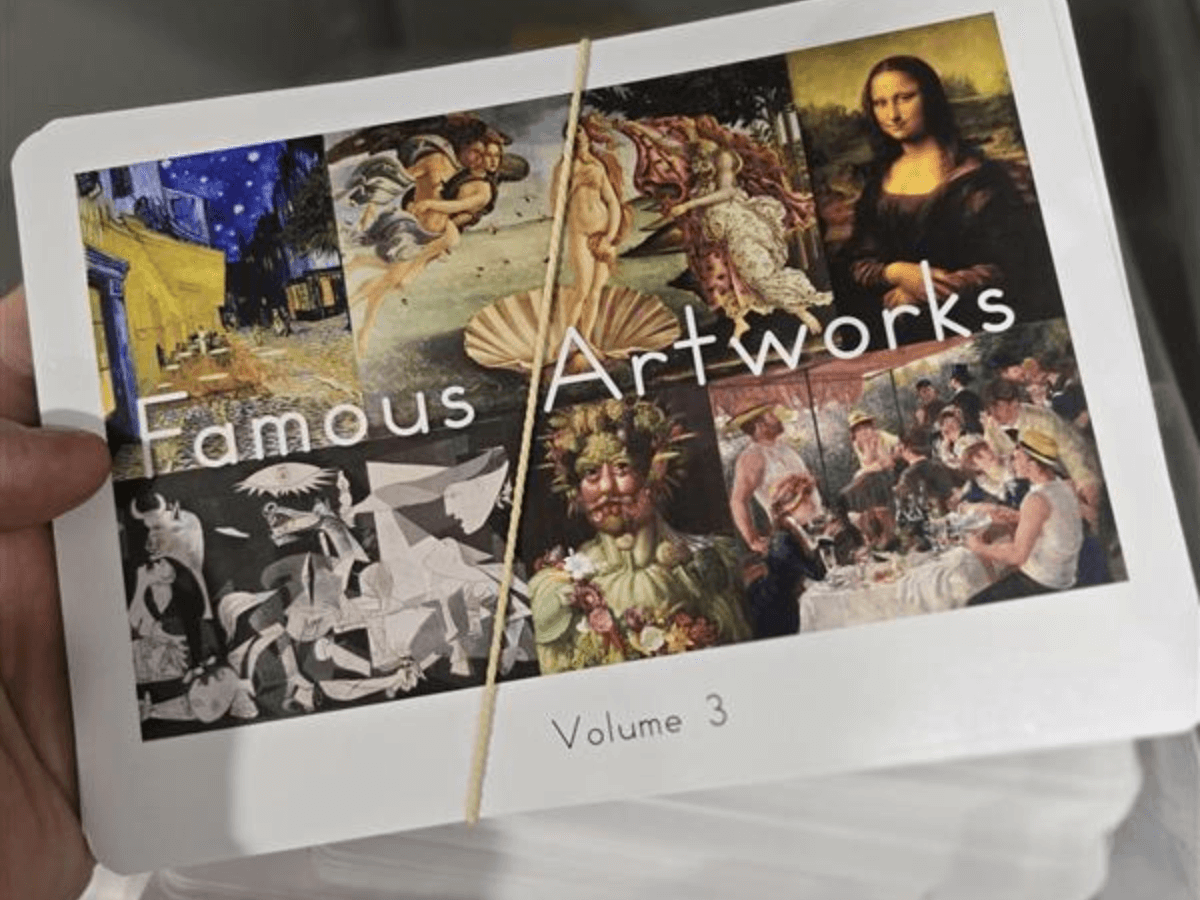
At Shichida Australia, we use interactive and fun learning aids, including flash cards, as powerful tools to enhance concentration and memory. Our flashcard collections cover a wide range of topics, including animals, food, flags, sight words, shapes, art, geography, and more! We introduce concepts relating to literacy, numeracy and more through our famous high-speed flashcards – loved by both children and parents!
Order yours from our online store or book a trial class to witness them in action!
FAQs
You can start around 6 months with simple, high-contrast images. By 12–18 months, toddlers can engage more with words and more complex images.
You can start with 5–10 minutes once or twice a day. Keep it short, fun, and interactive to hold their attention.
Yes! Saying words aloud and encouraging repetition helps. Pair flash cards with real-life objects and conversation for the best results.
Choose durable, simple cards with clear images and minimal distractions. Real-life photos work best.
Physical cards are better for hands-on learning. Digital ones can be used in moderation with active parent interaction.