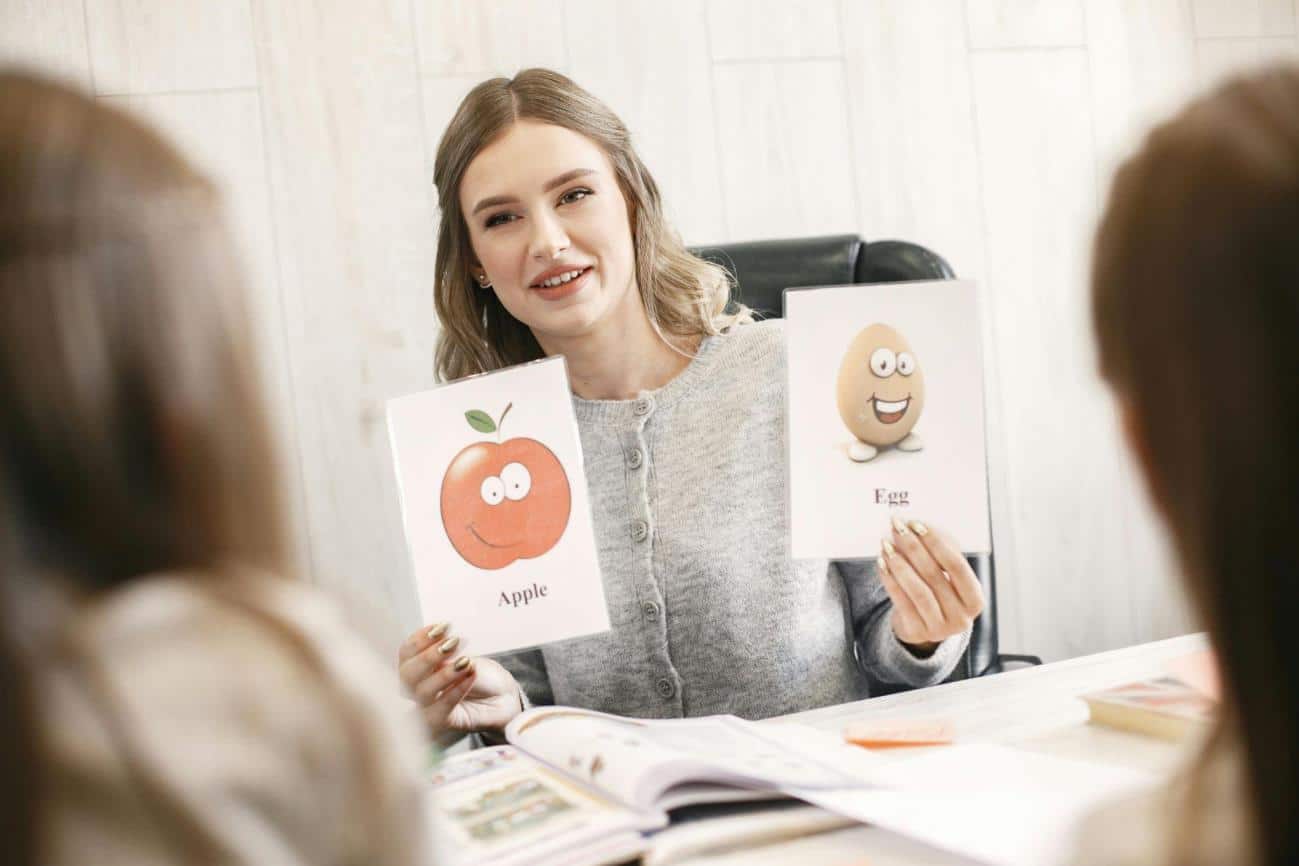

Sight Words Flash Cards: The Ultimate Guide to Teaching Kids to Read
Isn’t it the best feeling to see your child lost in a book, expanding their imagination and vocabulary. But what if your little one isn’t reading yet?
We know how exciting it is to watch your child take their first steps into reading. Once they start talking and communicating, the next big question on your mind is probably, How do I teach them to read? One of the easiest and most effective ways is through a combination of phonics and sight words. So, let’s explore the benefits, simple teaching strategies, printable resources, and expert tips. Lets help your child start reading faster with sight words flash cards!
What Are Sight Words?
If you’re planning to teach your little one to read, you should start with sight words, as these help significantly in your child’s reading journey.
Sight words are the most frequently used words your child will read in books such as the, look, see, and, play, like. These are words we hope they can automatically recognise without sounding them out. Mastering sight words helps children read faster and more fluently.
Sight Words vs. Phonics
To some parents, phonics seems like the first thing to teach kids when learning to read, but many of the words children encounter do not follow phonics rules. While phonic words can be sounded out – like cat, dog, pig – sight words do not follow typical spelling patterns (said, this, come). That’s why children need to memorise them by sight.
Common Sight Words to Start With
Teachers will often refer to Dolch and Fry word lists for the most common words found in children’s books. Here are a few to begin with:
Dolch Words: the, said, went, where, come, shop, little, see
Fry Words: the, of, to, he, was, they, have, from
These words are best taught using educational flash cards. With the right strategies strategies, your child can build a strong reading foundation, leading to less frustration for both of you.
The Importance of Sight Words in Early Reading
If you notice your child struggling to sound out words, introducing sight words can be helpful.
Sight words help children read more quickly and build fluency because they don’t have to stop to sound out each word. As they begin to recognise words by sight, reading becomes more natural, allowing them to focus on comprehension and building confidence. No need to pause and sound out letters – they can concentrate on understanding the sentence instead.
Sight words provide a solid foundation, helping your child transition smoothly to more advanced books and literacy skills.
Dolch vs. Fry Sight Words: What’s the Difference?
Dolch and Fry words are lists of common high-frequency words. Both are considered sight words, but they have key differences you should know if you plan to teach your child.
Dolch Sight Words are perfect for beginners. The list contains 220 common words (plus 95 nouns) that children frequently encounter in early books. These sight words are ideal for preschoolers, kindergarteners, and early readers who are just starting to recognise words.
On the other hand, Fry sight words are great for continued learning. This list is more recent and includes 1,000 words divided into different levels of difficulty. It’s best for children who are becoming more confident in reading and ready for bigger challenges.
Why Use Sight Words Flash Cards?
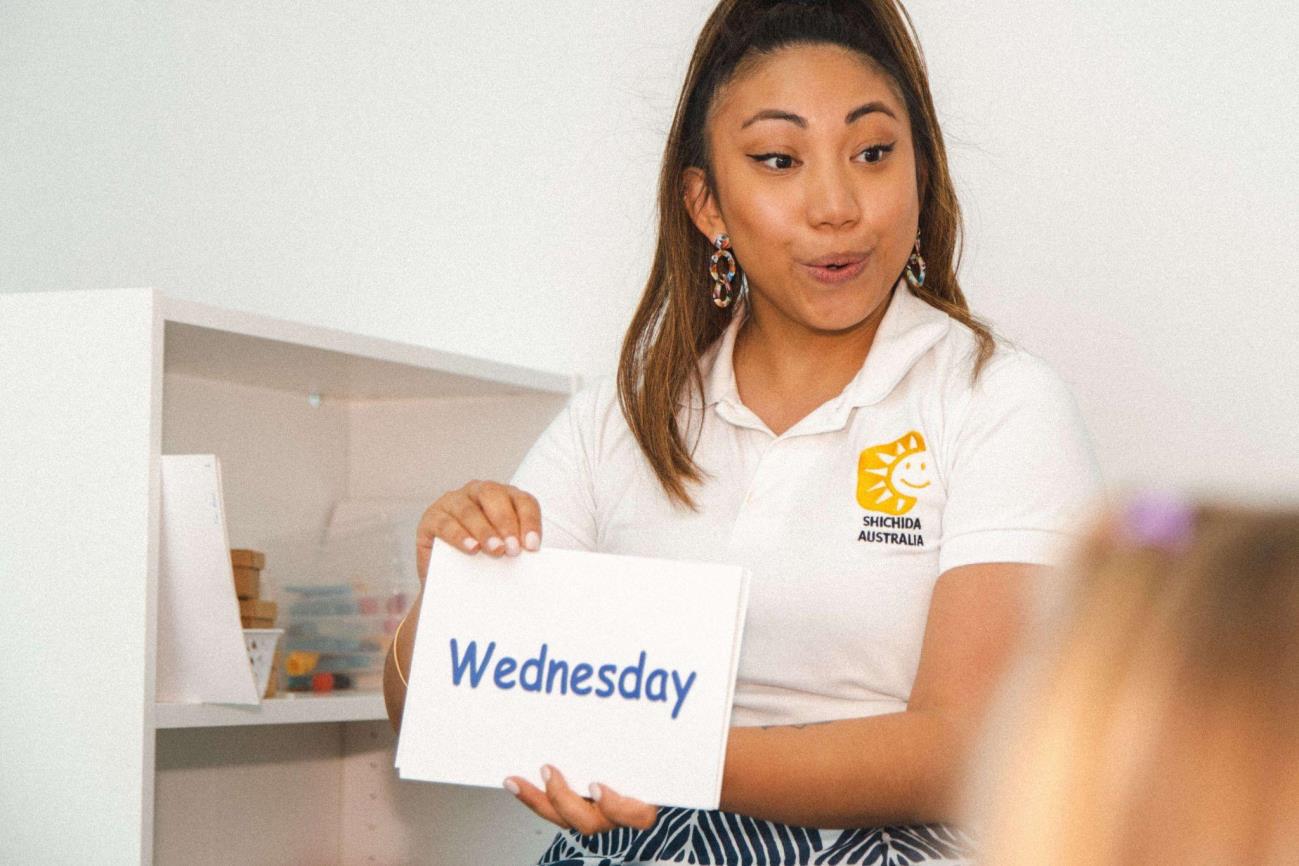
Sight word flash cards are an effective learning tool to improve early child reading skills. Flash cards are different from normal reading drills since they use intense repetition to build memory and recall.
They make learning more enjoyable, entertaining, and motivating for your child, which makes them interested while building word familiarity. Flash cards also enhance active learning by allowing you to practice together in an interactive way. This personalised approach builds confidence and creates a successful learning experience that supports steady progress.
How Flash Cards Improve Word Recognition
Using flash cards for sight words relies on repetition, which helps commit words to your child’s memory. Reading and repeating the words multiple times enhances recognition, making reading smoother and more automatic.
Flash cards also benefit visual and hands-on learners by strengthening the connection between how a word looks and how it sounds. The interactive process keeps your child’s attention, making learning feel less like a chore.. Over time, regular flash card practice leads to quicker word identification and improved reading fluency.
Sight Words Flash Cards vs. Other Learning Methods
Flash cards provide an easy and efficient way to reinforce sight words, offering advantages over worksheets, apps, or games. While worksheets target writing and apps target digital engagement, flash cards promote active learning and rapid recall.
In contrast to passive methods of learning, flashcards provide immediate feedback and correction, making them a great tool for reinforcement. They’re also portable, so you can practice anywhere – whether at home, in the car, or during a quick break. This makes them a worthwhile addition to any learning routine.
How to Use Sight Words Flash Cards Effectively
Using sight word flash cards correctly can enhance learning and make it fun for your child.
- Flash quickly: Show each word while saying it aloud at a fast pace. Avoid lingering on each card to keep engagement high.
- Repeat exposure: Flash the same sight word set multiple times so your child becomes familiar with the words.
- Encourage repetition: After several rounds, ask your child to repeat the words after you.
- Progress to independent reading: Once your child recognises the words, encourage them to read them on their own.
- Mix it up: Rearrange the order of the cards regularly to prevent memorisation by sequence.
- Keep it brief and fun: Aim for 5 to 10 minutes per session, making it interactive with games, movement, or small rewards for motivation.
Best Practices for Teaching with Flash Cards
To make the most of your child’s learning, use spaced repetition. Review words several times over days or weeks to strengthen retention.
Active recall is another effective method: show the flash card and ask your child to repeat the word before you verify the response.
Incorporate multisensory learning to increase engagement. Try:
- Tracing words in the air
- Clapping out syllables
- Using words in a playful scenario
Keep sessions brief and pleasant, stopping before frustration occurs. A little practice each day is far more effective than long, tiring sessions.
Fun Games and Activities with Sight Words Flash Cards
The use of flash cards for reading practice doesn’t have to be boring. It can be fun with interactive activities.
- Memory Match: Lay the cards face down and take turns flipping two at a time to find a match.
- Flash Card Relay: Hide flashcards around the room and have your child find them one by one, reading each aloud.
- Sight Word Bingo: Create a bingo card with sight words and let your child mark the words when you call them out.
These learning activities are simple but ensure a fun learning time, while reinforcing word recognition
Printable Sight Words Flash Cards: Where to Find Them
If you’re looking for free printable flashcards, visit our Learning Hub, where you can download our free Dinosaur Flashcards and printable worksheets – perfect for reinforcing learning through fun, hands-on activities.
We also offer a variety of expertly designed, high-quality flashcard sets in our online store to support your child’s learning journey. Topics include National flag flashcards, World geography flashcards, Famous art flashcards, and more.
Free vs. Paid Sight Words Flash Cards
Both paid and free sight word flashcards have their benefits.
Free flashcards are great for easy access and cost-effective learning, if using low quality paper and a limited amount of printing. Self-printed flashcards are often lower quality, made from thinner paper, and may not hold up well – especially if you want to use the proven high-speed flashcard method seen in whole-brain education, like the Shichida Method.
Paid flashcards typically offer higher-quality images, durable printing, and thick quality cardboard, making them easier to handle and flash quickly.
For simple practice, free flashcards can work, but if you want to boost engagement, ensure durability, and achieve better learning outcomes, investing in high-quality flashcards is the way to go.
DIY Sight Words Flash Cards: How to Make Your Own
Making your own sight words flash cards is a fun and individualised method of teaching your child. Follow these simple steps:
- Gather your supplies: You’ll need index cards, markers, a laminator (optional for durability), and stickers or pictures for extra engagement.
- Write the words clearly: Place one sight word on each card in bold, easy-to-read letters.
- Add visuals for visual learners: If your child benefits from images, create a second flashcard with a small picture that represents the word. Flash the image, then the word, saying the word as you show the image and the word.
- Laminate for longevity: Protect the cards from wear and tear by laminating them.
- Make it interactive: Let your child decorate or help create the cards to boost engagement.
DIY flashcards enable you to personalise learning and make it more engaging.
Customising Flash Cards for Your Child’s Learning Style
All children learn differently, so modifying flash cards to their needs can make learning more effective.
For younger children – Use bold fonts, bright colours, and simple, single-word vocabulary.
For visual learners – Add images or colour-code words based on difficulty.
For kinesthetic learners – Use textured letters or moveable flashcards (for example velcro-backed or magnetic flashcards).
For active learners – Turn flashcards into games or incorporate them into daily routines.
Common Mistakes to Avoid When Using Sight Words Flash Cards
Sight word flash cards are an excellent learning tool, but some mistakes can render them ineffective.
Introducing too many words at once: This can overwhelm your child and lead to frustration. Start with small sets and gradually add more.
Repeating the same method every time: While repetition is essential, using the exact same approach can cause boredom. Vary activities to keep learning engaging.
Turning learning into a test: The goal is to build confidence, not pressure your child. Make sessions interactive and enjoyable rather than a quiz.
Overloading with Too Many Words at Once
Introducing too many sight words at once can overwhelm your child. Instead of working through a large stack, introduce five to ten words at a time, allowing your child to master them before moving on. This approach builds confidence and strengthens memory retention.
Using spaced repetition, where previously learned words are reviewed periodically, helps reinforce learning without overload. Keeping the sessions short and focused allows your child to easily take in and remember new vocabulary.
Lack of Engagement and Variety
If flash card sessions become a routine, your child may lose interest. To keep them engaged, add movement like hopping to a word or having a scavenger hunt. Make flash card drills fun by turning them into a game. Small rewards or complimenting their effort can also enhance your child’s motivation. By keeping flashcard sessions interactive and fun, your child stays motivated and improves word recall.
Expert Tips for Teaching Sight Words Successfully

Teachers and reading specialists stress that effective teaching of sight words needs a blend of consistency, interaction, and multisensory methods. Instead of rote memorisation, children learn best when sight words are taught in contextualised, interactive manners.
Specialists suggest the use of real-world connections, such as calling attention to sight words within books, signage, and their use in regular conversations. Using short sessions, adding games, and reinforcing words through spaced repetition are crucial methods for long-term retention. A stress-free, enjoyable method promotes confidence and a love for reading.
Top Tips for Encouraging Children to Remember Sight Words in the Long Term
- Spaced Repetition – Review words at intervals throughout time to reinforce memory.
- Active Recall – Display a word and have your child repeat it before providing the answer.
- Multisensory Learning – Employ visual, auditory, and hands-on activities such as tracing words in sand or air-writing.
- Contextual Learning – Read books and highlight sight words in everyday situations.
- Engaging Games – Use Sight Word Bingo, Flash Card Memory Match, or Word Hunts to make it fun.
Through the use of these expert-approved techniques, your kid will build solid sight word recognition, laying the ground for smooth reading.
Join a trial class today and see our high-speed Shichida sight words flash cards in action!
FAQs
Start with big, clear words from Dolch or Fry word lists. Adding pictures or colors can help keep your child engaged.
Stick to 5-10 words at a time. Once your child knows them, add more while reviewing old ones. Small, consistent practice works best!
Printable cards let you customise and save money, while store-bought ones are durable and professionally designed. Pick what works best for your child!
Yes! Multisensory learning helps- trace words, use textured letters, and add phonics support. Make it hands-on for better retention.
Most kids start between ages 3-5. Keep it fun and no pressure – games and playful reading make learning easy!