

Reasons Why Your Child Has Difficulty Focusing
Child can’t focus? It can be frustrating to see that your child is smart and capable, but can’t focus on tasks.
Whether it’s following instructions, completing homework, or staying engaged with activities, attention problems can affect your child’s ability to succeed at basic tasks, school and beyond. However, recognising the reasons behind these focus difficulties is essential for providing the right support. In this guide, we’ll explore the most common reasons why a child can’t focus and offer practical ways to help your child improve their focus.
1. Sensory Overload
Children are exposed to constant stimuli in today’s fast-paced world, from noisy environments to digital devices. This sensory overload can make it difficult for them to concentrate. When multiple distractions are present, their ability to focus on one thing at a time diminishes.
What You Can Do:
Set up a calm, quiet space for study and play. Reducing clutter and minimising screen time can also help your child stay focused. Breaks from screens are essential to maintaining a balanced child-focused routine.
2. Lack of Interest
Sometimes, the reason your child can’t focus is because they aren’t engaged with the task at hand. Children often lose interest in activities that don’t challenge them enough or seem boring, making it harder to pay attention.
What You Can Do:
Transform mundane tasks into fun, engaging ones. Use creative strategies like turning homework into a game, or incorporating interactive tools to hold your child’s attention. Offering choices can also give your child a sense of control, increasing their investment in the activity.
3. Sleep Problems
Children need a good night’s sleep to focus during the day. Irregular sleep schedules, screen time before bed, or even undiagnosed sleep issues can cause poor focus and attention problems.
What You Can Do:
Establish a consistent bedtime routine. Limit screen time at least an hour before sleep and ensure your child is getting enough rest for their age. A well-rested child is more likely to be focused and attentive throughout the day.
4. Nutrition and Focus
A child’s diet plays a big role in their ability to concentrate. Poor nutrition, including high sugar intake or lack of key nutrients, can affect brain function and contribute to attention difficulties.
What You Can Do:
Ensure your child is eating a balanced diet filled with nutrient-dense foods like vegetables, fruits, lean proteins, and whole grains. Omega-3-rich foods like fish and flaxseeds are known to boost cognitive function and can help improve your child’s focus.
5. Stress or Anxiety
Children experience stress and anxiety just like adults do. Whether it’s due to school pressure, social issues, or changes at home, stress can make it hard for children to focus.
What You Can Do:
Encourage your child to talk about what’s bothering them. Practice stress-relief techniques together, like mindfulness exercises or deep breathing, to help them relax and regain their ability to concentrate.
6. Learning Disorders
Undiagnosed learning disorders such as ADHD, dyslexia, or sensory processing disorder can significantly affect child-focused learning. These conditions make it harder for children to pay attention, retain information, and process new tasks.
What You Can Do:
If you suspect your child may have a learning disorder, seek an evaluation from a specialist. Early diagnosis allows for tailored strategies and support, such as tutoring, therapy, or special accommodations at school, helping your child stay focused and thrive.
7. Over-Scheduling
In today’s busy world, children are often over-scheduled with extracurricular activities. While these activities can be beneficial, too much can overwhelm them and make it harder for them to focus on any one thing.
What You Can Do:
Create balance in your child’s schedule by ensuring there’s downtime for play and relaxation. Having unstructured time is important for mental refreshment, allowing your child to reset their focus when needed.
8. Excessive Screen Time
Excessive screen time, especially in younger children, can affect their ability to focus on tasks that require more sustained attention. Overexposure to fast-paced content can result in a reduced attention span and an inability to stay focused on slower activities like reading or completing homework.
What You Can Do:
Limit screen time, especially before bedtime. Encourage more engaging and interactive activities that help your child practice sustained attention, like puzzles, board games, or outdoor play.

Think your child can’t focus? Sometimes all it takes is the right activity. Games like picture-matching cards can train attention, memory, and visual processing – all while having fun!
The Benefits of Enhanced Concentration
The benefits of improving concentration when a child can’t focus extends far beyond the early classroom:
- Improved Learning Abilities: Strong concentration allows children to absorb and process information more effectively, enhancing both comprehension and memory.
- Academic Success: With increased concentration, children are more engaged and productive, which directly contributes to improved academic performance.
- Stronger Problem-Solving Skills: Focused children are better equipped to think critically, evaluate situations, and solve problems with clarity and calmness.
- Better Self-Control: Concentration helps children manage their impulses and emotions, leading to improved self-regulation and reducing impulsive behaviour.
- Extended Attention Span: A well-developed ability to concentrate enables children to sustain their attention over longer periods, crucial for success in school, sports, and other activities.
- Enhanced Cognitive Abilities: Concentration training boosts cognitive functions such as memory, attention, and executive functioning, laying the foundation for overall cognitive development.
- Reduced Stress and Anxiety: By learning to manage distractions and stay focused, children are better able to maintain a calm, focused mindset, reducing stress and anxiety.
- Vital Life Skills: The ability to concentrate is an essential life skill that supports effective communication, decision-making, and the achievement of long-term goals.

Worried your child can’t focus? Activities like block play build concentration, problem-solving, and fine motor skills – all essential foundations for learning. Focus isn’t just taught, it’s practised.
Helping Your Child Thrive with Shichida
Through concentration training, the Shichida Method helps children strengthen their cognitive abilities and enhance their learning journey. With improved concentration, your child is better prepared to succeed not only in school but in every aspect of their life.
At Shichida, we create an environment where children are excited to learn and stay focused, building lifelong skills that will benefit them far beyond their early education years. Book a trial class today!
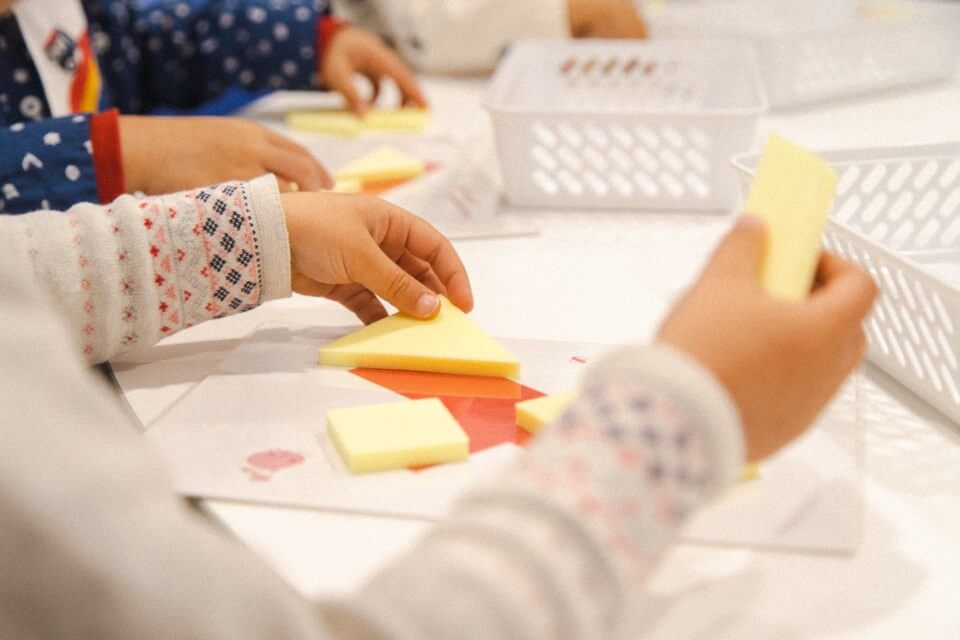
Child can’t focus? Activities like this are part of every Shichida class. Through hands-on puzzles and brain-boosting games, children practise focus, concentration, and critical thinking – without pressure.
FAQs
It’s common for young children to have short attention spans. But if your child struggles to concentrate during everyday activities, learning tasks, or social interactions, it might be worth consulting a professional. Early support can make a big difference.
Yes. Good focus supports success in sports, music, conversations, and even emotional regulation. Building concentration early helps children in many areas of life—not just the classroom.
Being intelligent doesn’t always mean a child knows how to focus. Attention is a skill that can be developed through practice. Use short, hands-on tasks to train their concentration and build up gradually. Enrichment programs like Shichida are designed to improve focus through engaging games and brain-training activities.
Try age-appropriate puzzles, matching games, memory tasks, or routines like setting the table. Reading together, sorting items by colour or size, and singing action songs can also support focus—especially in toddlers and preschoolers.
Yes. With the right approach, even highly distracted children can develop stronger focus. At Shichida, we use structured activities that strengthen memory, attention, and emotional control—skills that support lifelong learning.
The earlier, the better. Children as young as one can begin learning to concentrate through playful, sensory-rich activities. Building focus during the early years lays the groundwork for confident learners later in life.